The Physics of Silence and Stamina: Decoding ANC and Battery Engineering in Wireless Audio
Update on Jan. 25, 2026, 7:20 p.m.
In the crowded landscape of personal audio, two technical specifications have become the primary battlegrounds for engineering dominance: acoustic isolation and energy autonomy. Users no longer just want to hear music; they want to erase the world around them and do so for days on end without reaching for a charging cable. Achieving these goals requires a sophisticated interplay between wave physics, electrochemistry, and wireless communication protocols.
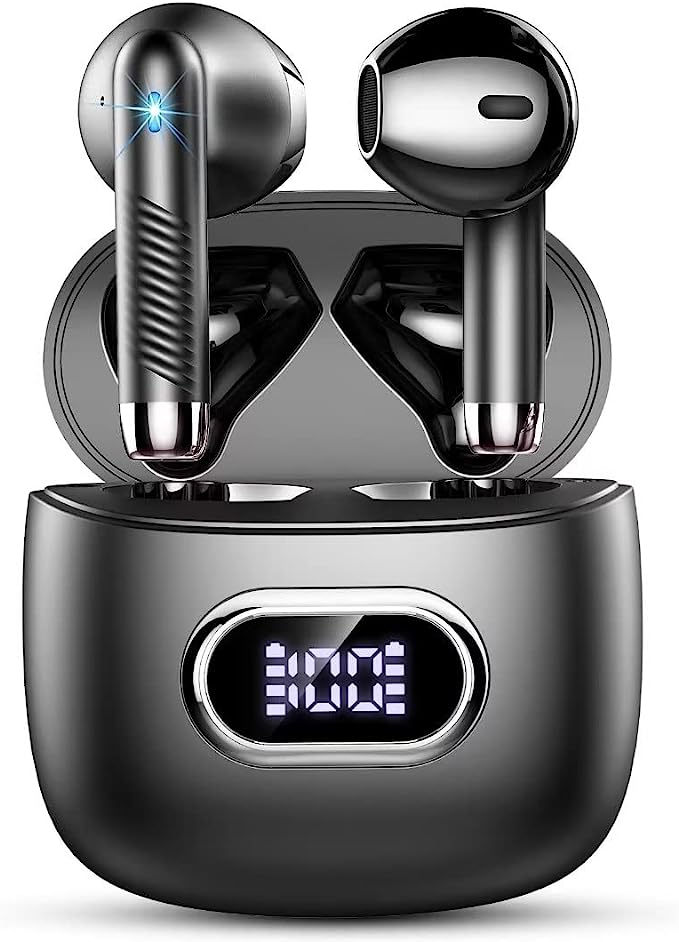
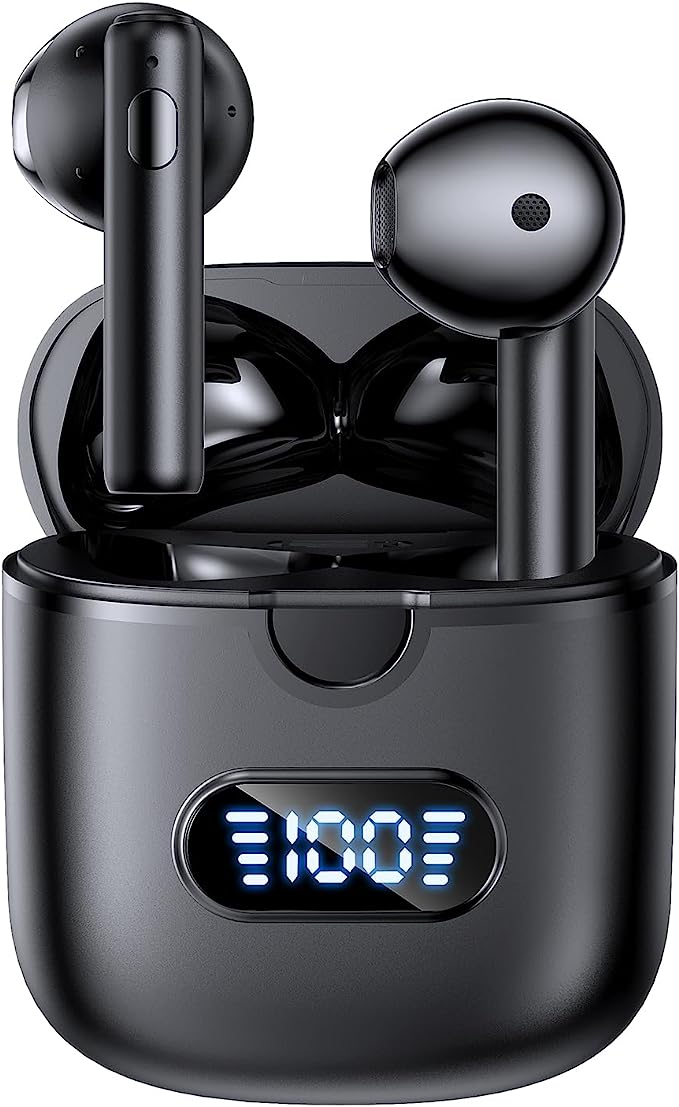
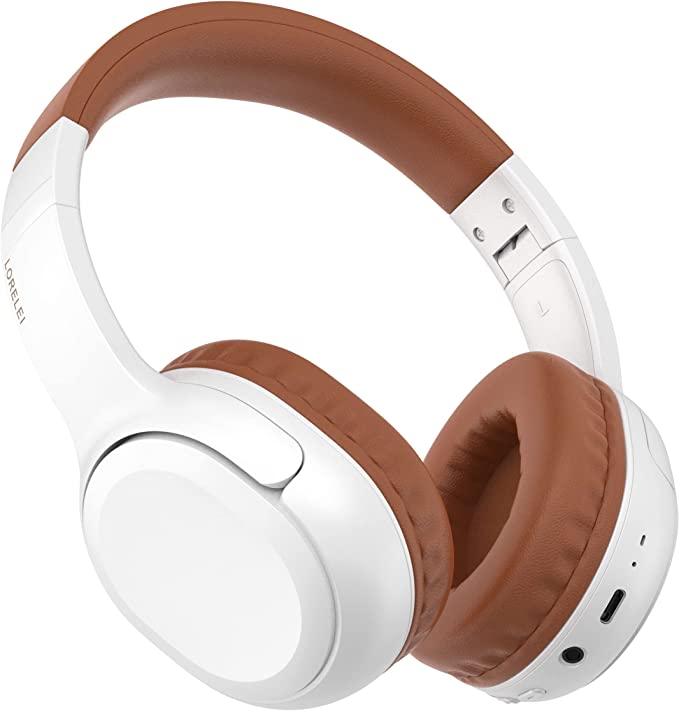
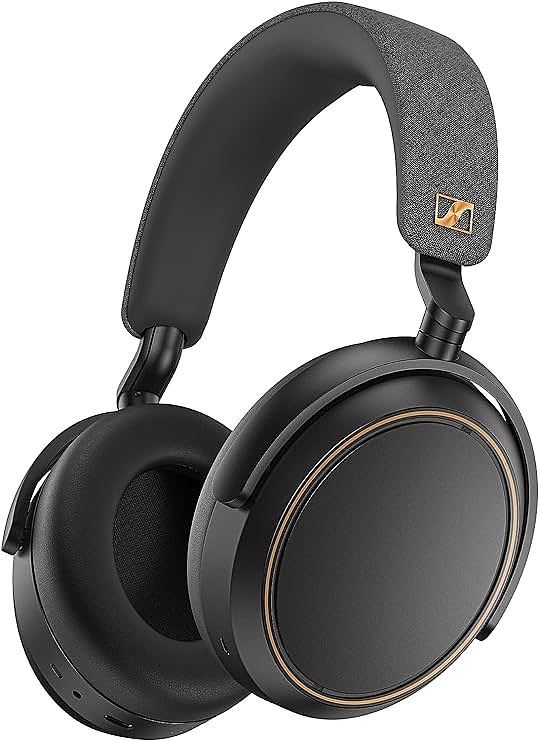
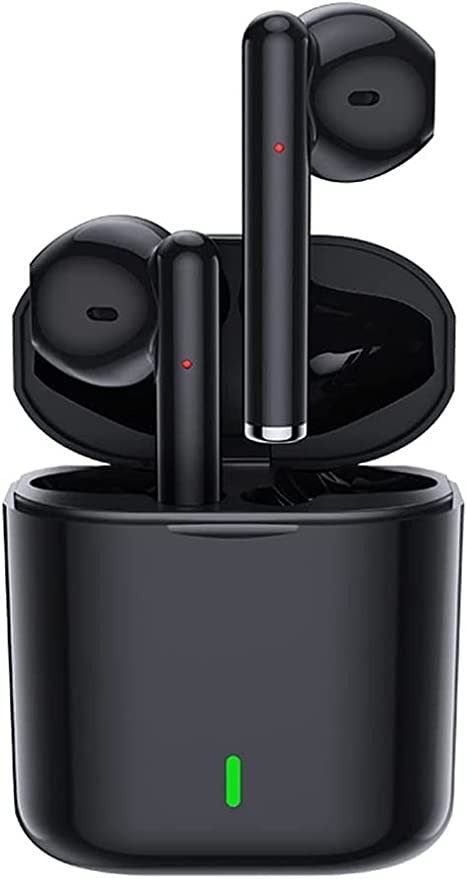
The engineering behind devices like the EAORUL Bluetooth Wireless Headphones provides a clear window into how these technologies are implemented. By examining the mechanics of Active Noise Cancellation (ANC) and the power management systems required to sustain 100 hours of operation, we can demystify the science that powers modern auditory solitude.

The Wave Mechanics of Active Noise Cancellation
Active Noise Cancellation is not soundproofing; it is sound erasure. It relies on the principle of destructive interference. Sound travels as a wave of alternating high and low pressure. To cancel a sound, the headphone must generate an “anti-noise” wave that is the exact inverse of the intrusive noise—a mirror image where every peak meets a trough.
The EAORUL headphones implement this via a system of feed-forward and/or feedback microphones.
1. Sampling: External microphones detect ambient low-frequency noise (like the hum of a jet engine or HVAC system).
2. Inversion: An internal Digital Signal Processor (DSP) instantly calculates the anti-phase waveform required to cancel this noise.
3. Interference: The driver plays this anti-noise alongside the music. When the ambient noise wave meets the anti-noise wave in the ear canal, they sum to zero (silence), leaving only the desired audio signal.
This technology is most effective against constant, low-frequency drones because these waveforms are predictable. High-frequency, erratic sounds (like speech) are harder to predict and cancel in real-time, which is why passive isolation (the physical seal of the ear cup) remains a critical partner to ANC.
The Thermodynamics of 100-Hour Autonomy
Battery life in portable electronics is governed by the energy density of the Lithium-Ion cell and the power efficiency of the internal circuitry. Achieving a 100-hour runtime is a significant engineering milestone that suggests a highly optimized system.
- Capacity vs. Consumption: The headphones house a high-capacity rechargeable battery. However, capacity alone adds weight. The key to hitting the 100-hour mark lies in reducing the current draw (measured in milliamperes, mA) of the components.
- Chipset Efficiency: Modern Bluetooth SoCs (System on Chips) are designed to sleep aggressively, waking only for data transmission.
- ANC Power Draw: It is crucial to note that ANC circuits require active power to process sound. The 100-hour metric typically applies to “Standard Mode” (ANC off). Activating the DSP for noise cancellation increases power consumption, highlighting the trade-off between silence and stamina.

Bluetooth 5.3: The Protocol of Stability
The stability and quality of the wireless stream depend heavily on the transmission protocol. The EAORUL headphones utilize Bluetooth 5.3. This standard introduces several key improvements over its predecessors, specifically in the realm of connection efficiency and latency.
- Connection Subrating: This feature allows the device to switch quickly between low-power states (idle) and high-power states (active data transfer). This dynamic adjustment is a major contributor to extended battery life.
- Channel Classification: Bluetooth 5.3 improves the device’s ability to detect and avoid congested radio frequencies. In environments saturated with Wi-Fi and other Bluetooth signals (like airports), this ensures that the audio stream remains glitch-free.
- Latency Reduction: Lower latency ensures that the audio remains synchronized with video content, addressing the “lip-sync” issues common in older Bluetooth generations.
Transduction: The 40mm Dynamic Driver
Ultimately, all these signals must be converted back into sound waves. The transducer responsible for this is the 40mm Dynamic Driver. * Physics of Size: A 40mm diaphragm strikes a balance between speed (for treble detail) and surface area (for bass displacement). A larger surface area allows the driver to move more air with less excursion, producing deep, resonant bass without distortion. * Material Rigidity: The driver material must be rigid enough to resist flexing (which causes distortion) but light enough to respond instantly to the electrical signal.

The Convergence of Technologies
The engineering success of modern wireless headphones lies in the integration of these distinct systems. The battery must power the ANC processor and the Bluetooth radio while driving the speakers, all within a thermal and weight envelope that remains comfortable on the human head. Devices like the EAORUL demonstrate that through careful optimization of protocols and power management, the limitations of “wireless” are rapidly receding.