The Physics of the Pool: Decoding RF Attenuation and Hydrodynamic Acoustics in the Relxhome X7S
Update on Nov. 22, 2025, 6:41 p.m.
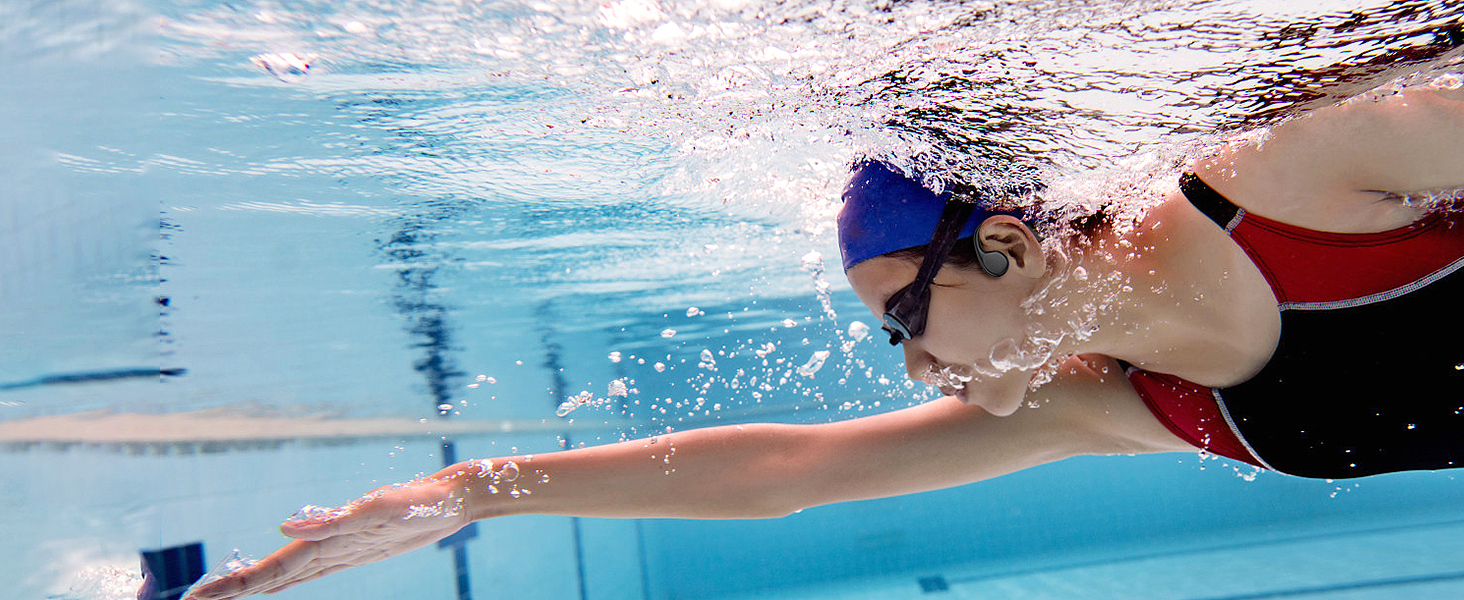
Swimming is the final frontier for personal audio. While runners and cyclists have long enjoyed untethered sound, swimmers have battled the laws of physics. The primary adversary is not just water ingress, but Radio Frequency (RF) Attenuation.
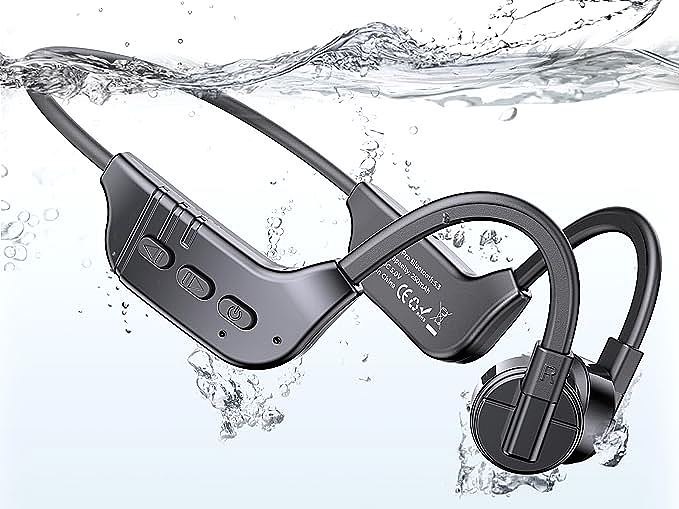
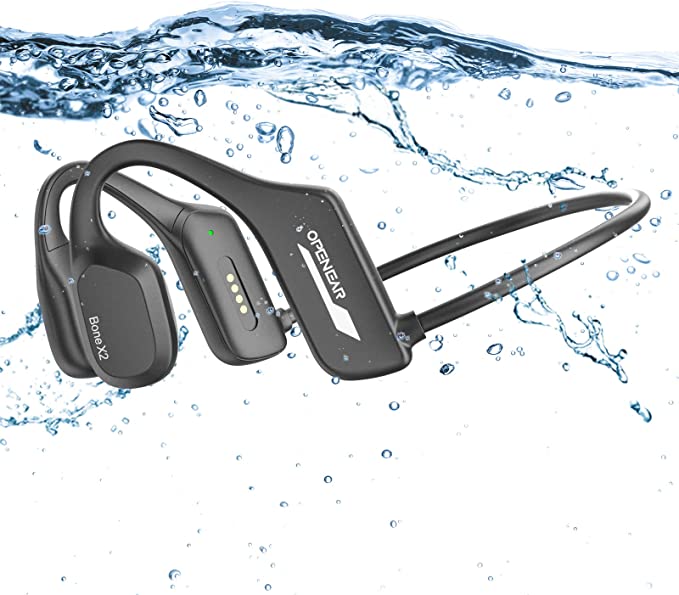
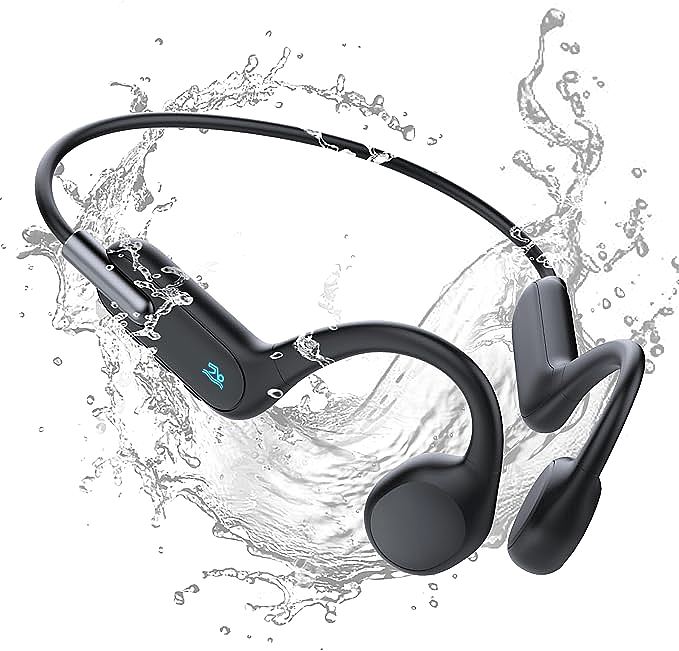
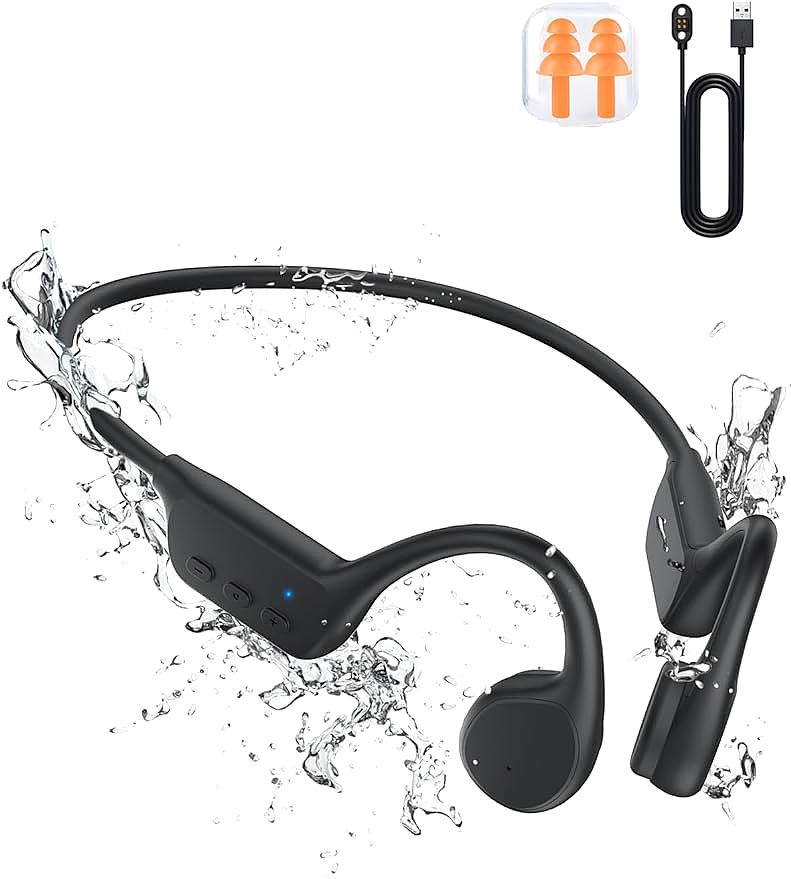
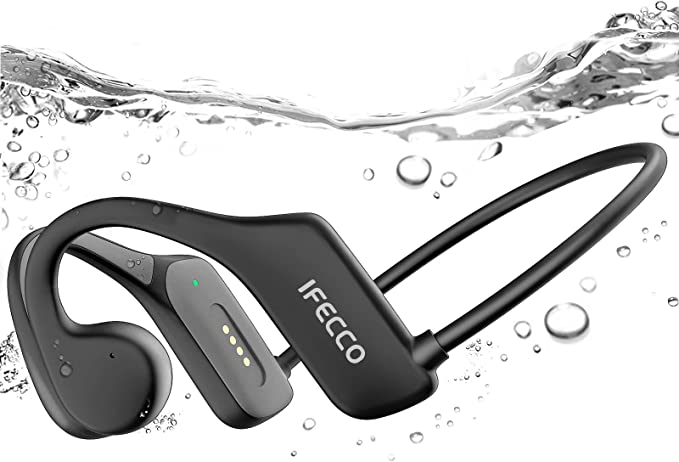
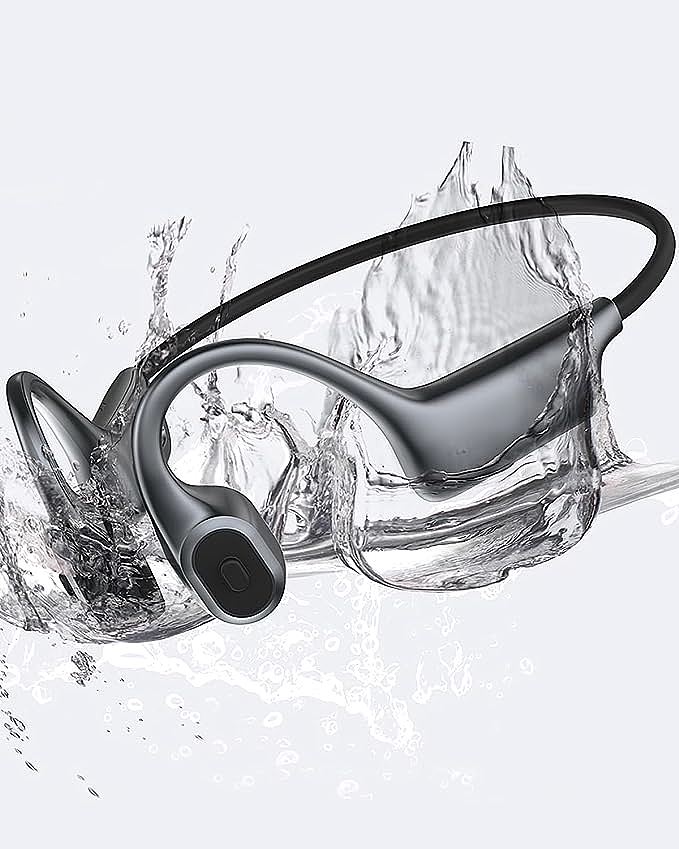
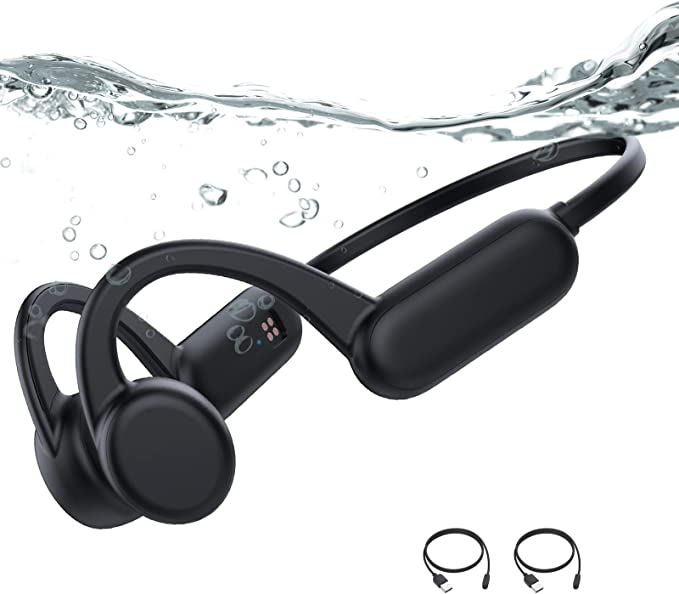
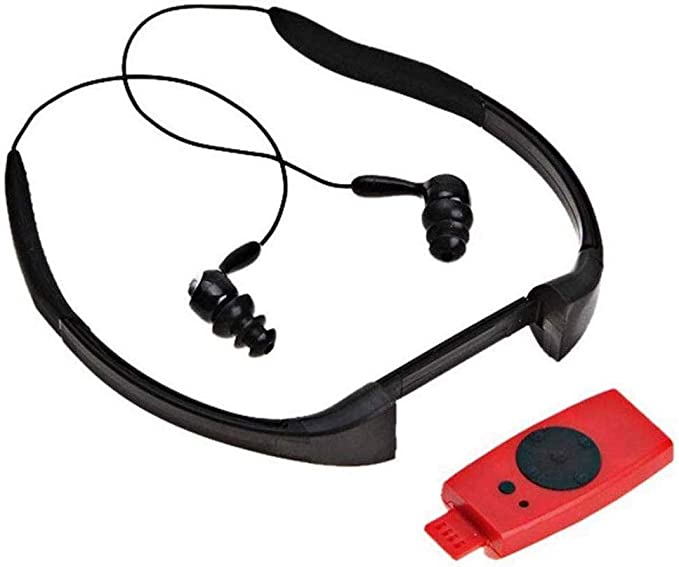
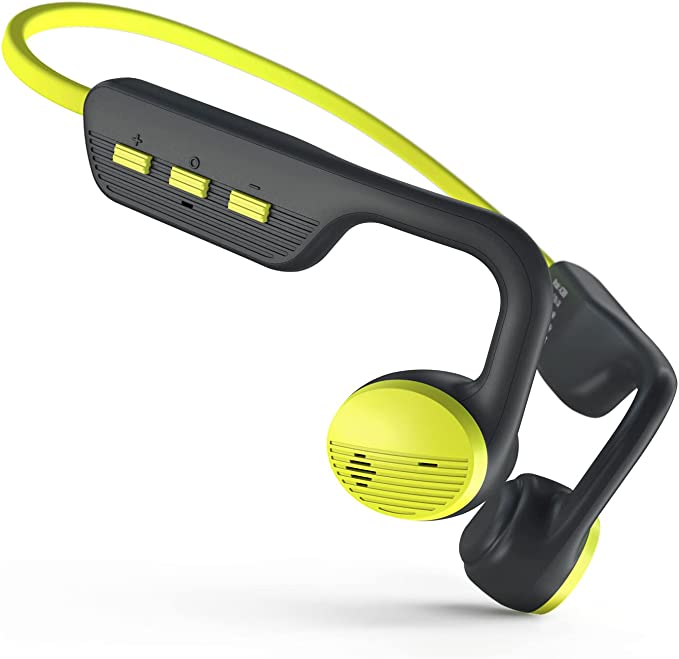
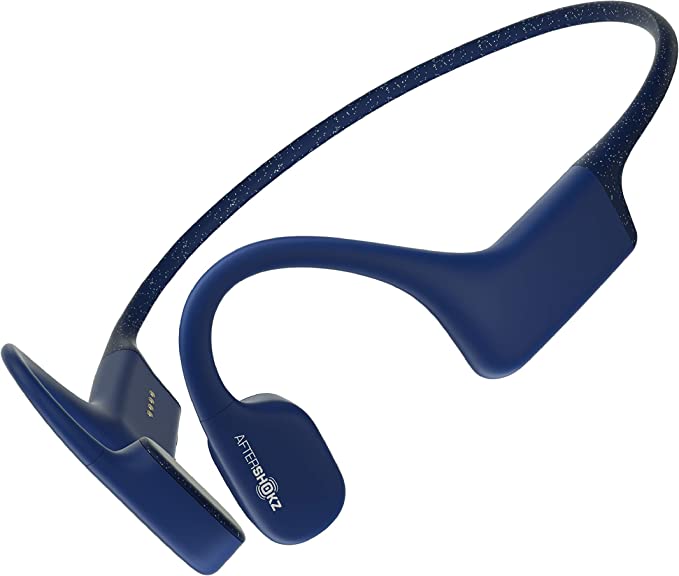
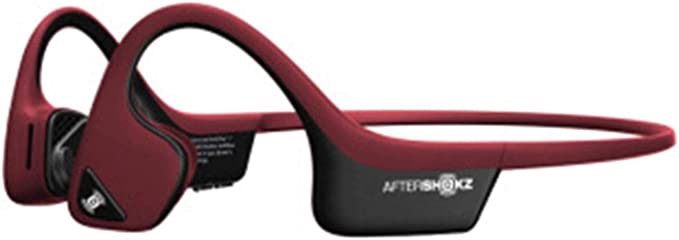
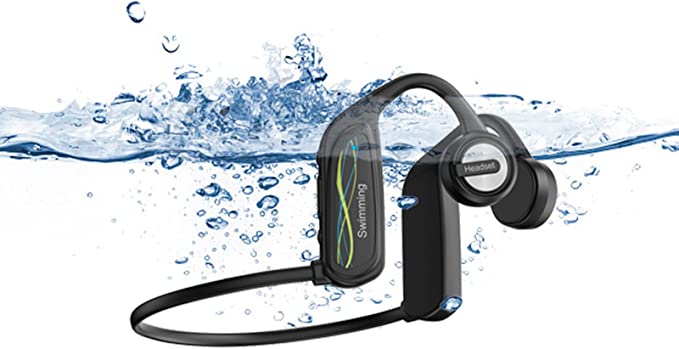
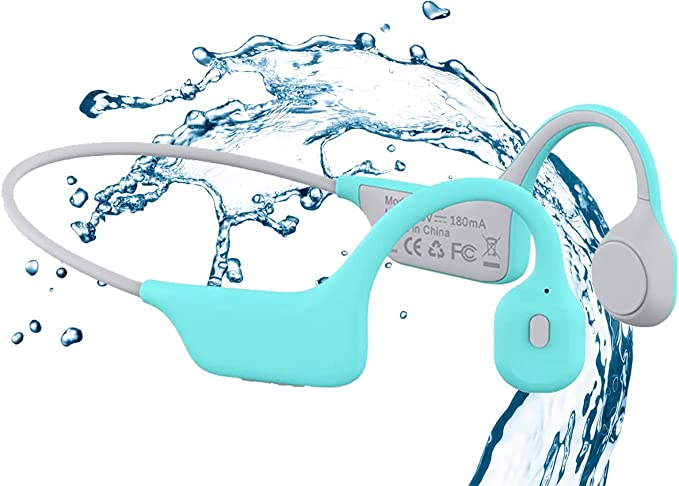
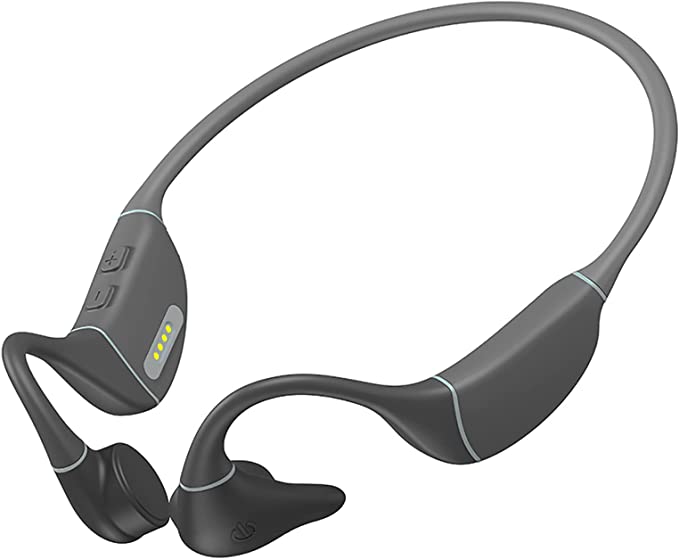
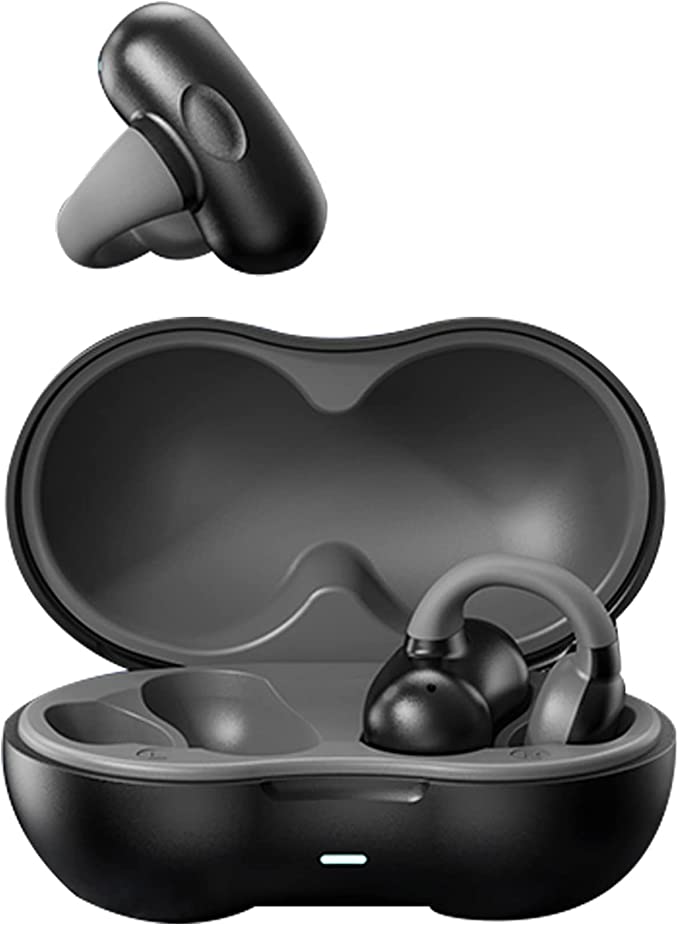
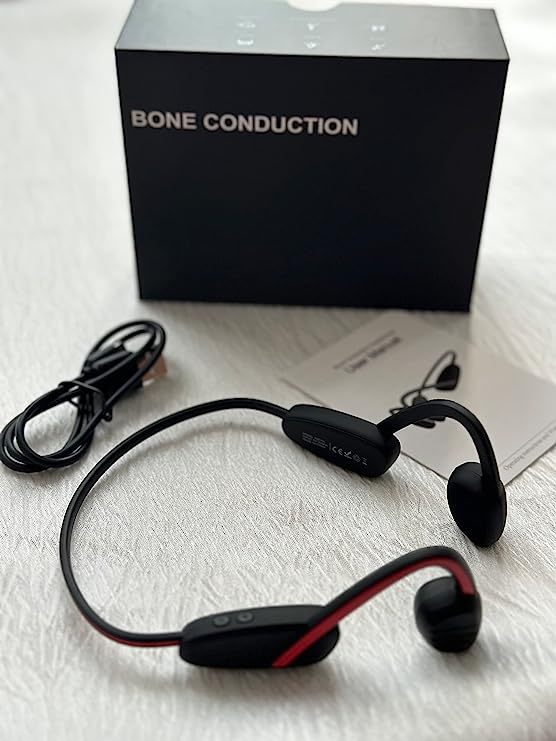
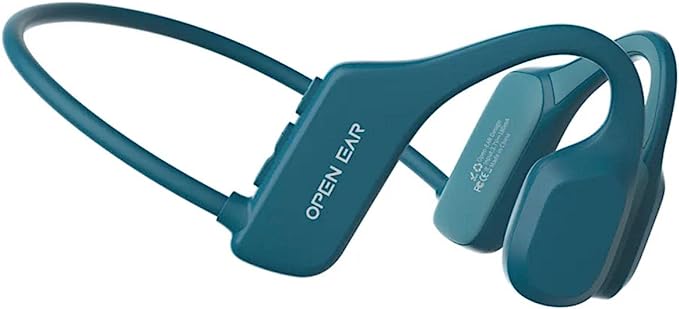
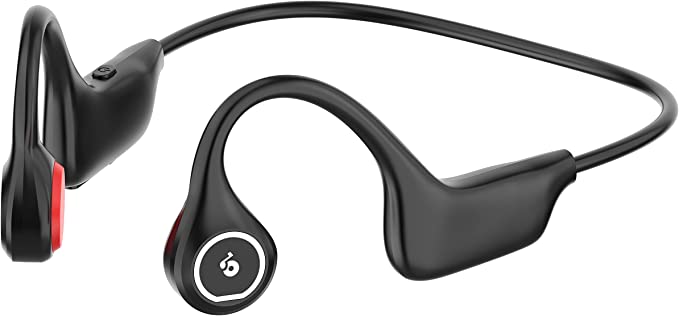
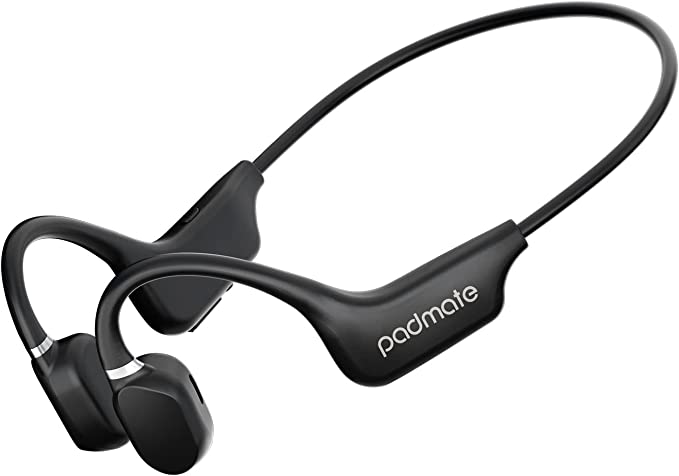
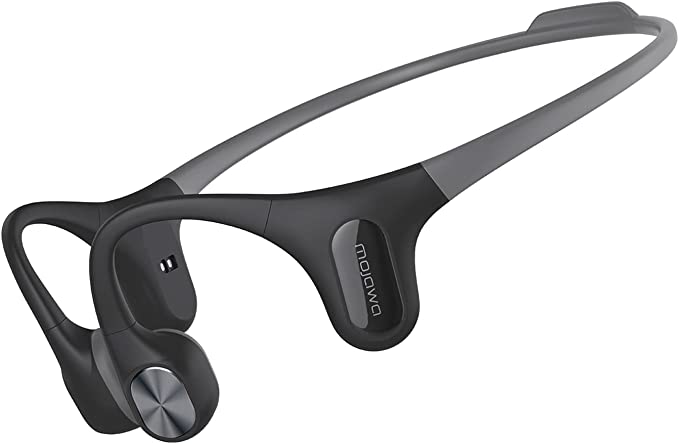
The Relxhome XNCH-X7S is not merely a waterproof headphone; it is a device engineered to circumvent the electromagnetic limitations of water. By integrating local storage with bone conduction transducers, it solves the two fundamental problems of aquatic audio: Signal Loss and Acoustic Impedance. To understand its utility, we must look at it through the lens of hydrodynamics and wave propagation.
The RF Barrier: Why Bluetooth Drowns
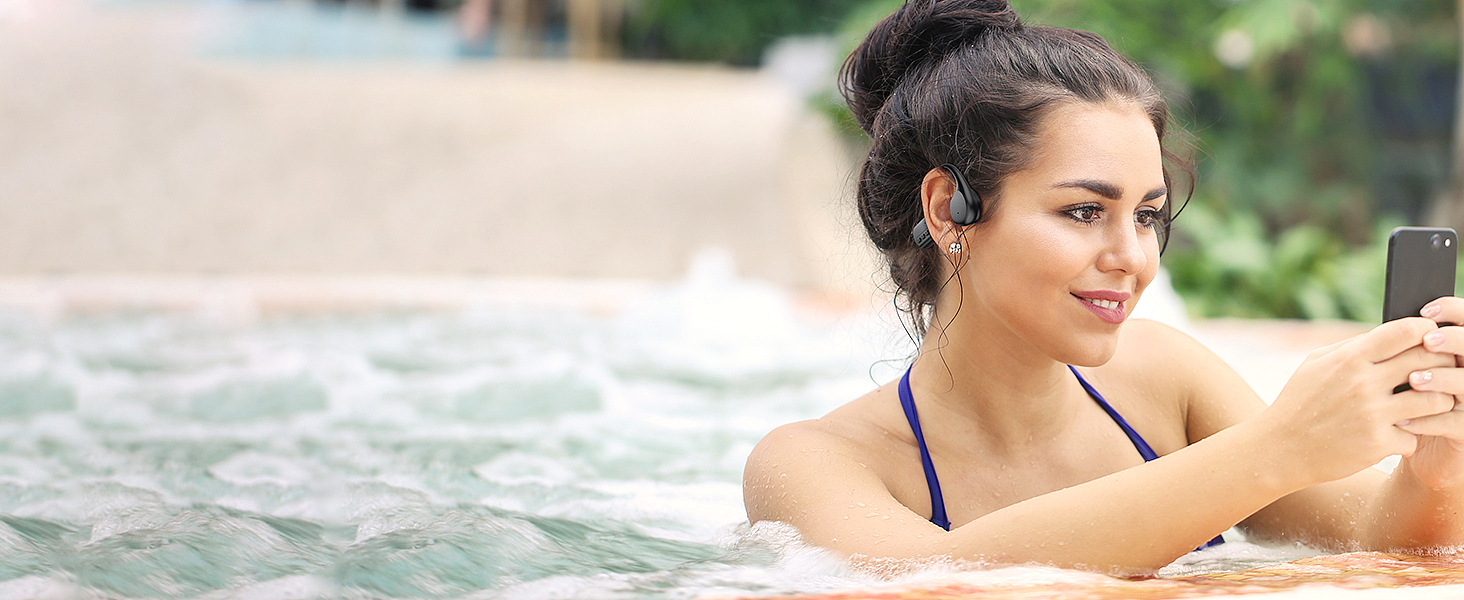
A common frustration for new users of swimming headphones is the immediate loss of Bluetooth connection upon submersion. This is not a product defect; it is a physical inevitability. * Resonant Frequency: Bluetooth operates at 2.4 GHz. This frequency is dangerously close to the resonant frequency of the water molecule (H2O). * Absorption: Water absorbs electromagnetic energy at this frequency with extreme efficiency (this is exactly how microwave ovens heat food). Even a few centimeters of water act as a dense Faraday cage, attenuating the signal by tens of decibels. * The Solution: The X7S integrates 32GB of NAND Flash Memory. By moving the source file physically into the headset (MP3 Mode), the engineering design eliminates the need for RF transmission entirely. It transforms the device from a “Receiver” to a “Player,” the only viable architecture for submerged use.

Hydro-Acoustics: Bone Conduction in a Fluid Medium
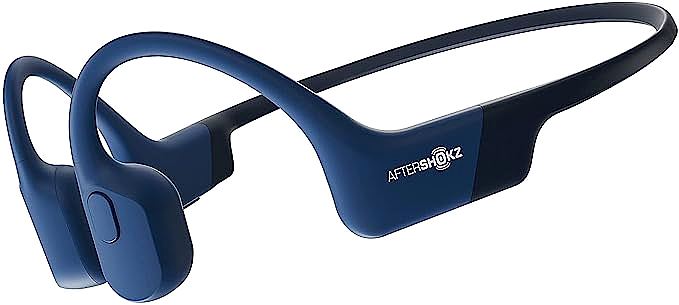
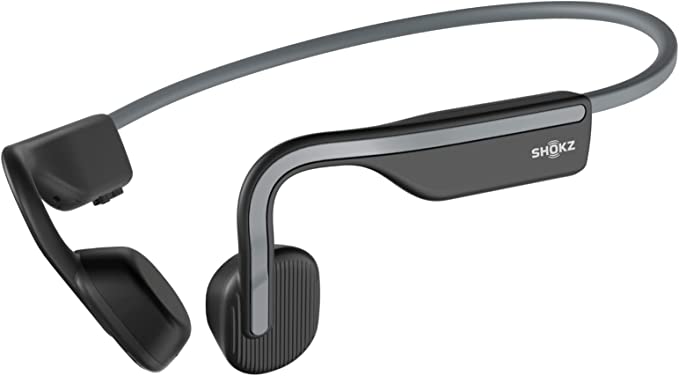
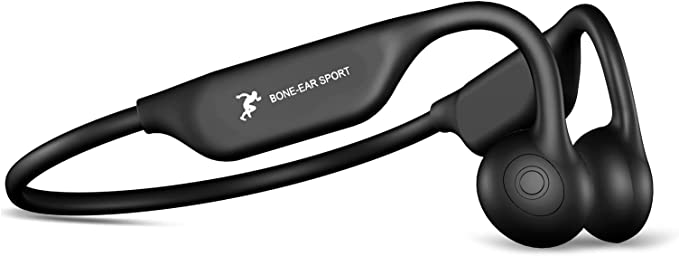
Bone conduction is often criticized for lacking bass on land. However, underwater, the physics flips. * Impedance Matching: On land, there is a significant impedance mismatch between the transducer (solid) and the air. This causes energy loss. Underwater, the fluid medium has an acoustic impedance much closer to that of human tissue and bone. * The Coupler: When submerged, water fills the gap between the transducer and the skull, acting as an efficient coupling agent. This improves the transmission of lower frequencies. Many users report that the X7S “sounds great in the water” but “tinny out of the water”. This is the direct result of improved impedance matching in the aquatic environment.

Ingress Protection: The Reality of IPX8
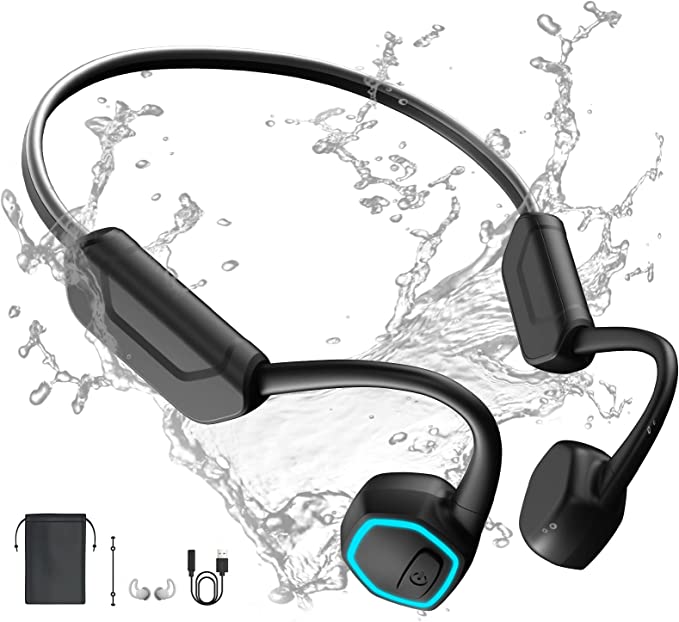
The X7S carries an IPX8 rating. In engineering terms, this is a non-trivial step up from IPX7. * Continuous Immersion: IPX7 is tested for 30 minutes at 1 meter. IPX8 implies continuous immersion beyond 1 meter. * Sealing Technology: Achieving this requires potting compounds (filling internal voids with epoxy) and magnetic charging contacts to eliminate the USB port cavity—a major leak point. * Chemical Durability: However, the pool environment introduces Chlorine, a corrosive oxidizer. User reports of “plastic bubbling” suggest that while the electronics are sealed against water pressure, the outer soft-touch coatings may react with pool chemicals over time. Rinsing with fresh water post-swim is not just hygiene; it is material preservation.
Storage Architecture: The Library on Your Head
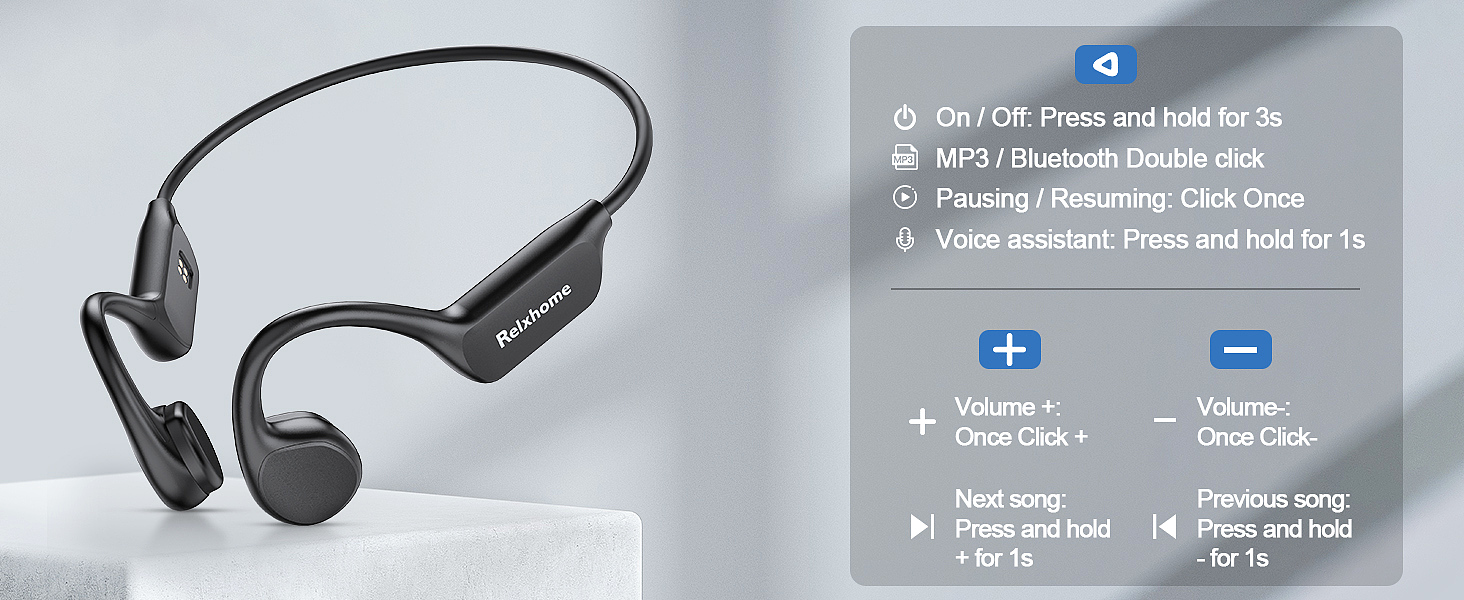
With 32GB of storage, the X7S can hold approximately 8,000 songs. From a file system perspective, this requires a robust controller capable of indexing large directories without a visual interface. The lack of a “Shuffle” mode or folder navigation, as noted by users, highlights the limitations of headless (screen-less) MP3 players. It forces a linear playback logic, reminiscent of cassette tapes, which simplifies the UI for wet fingers but limits navigational freedom.
Conclusion: A Dedicated Tool for a Hostile Environment
The Relxhome X7S is a specialist tool. It sacrifices the convenience of streaming and the navigational ease of screens to survive in an environment where smartphones cannot go. Its design acknowledges the immutable laws of RF physics—that water kills Bluetooth—and provides the only working alternative: local storage. For the swimmer, it transforms the pool from a silent void into a resonant chamber, leveraging the unique acoustic properties of water to deliver sound in a way that air cannot.