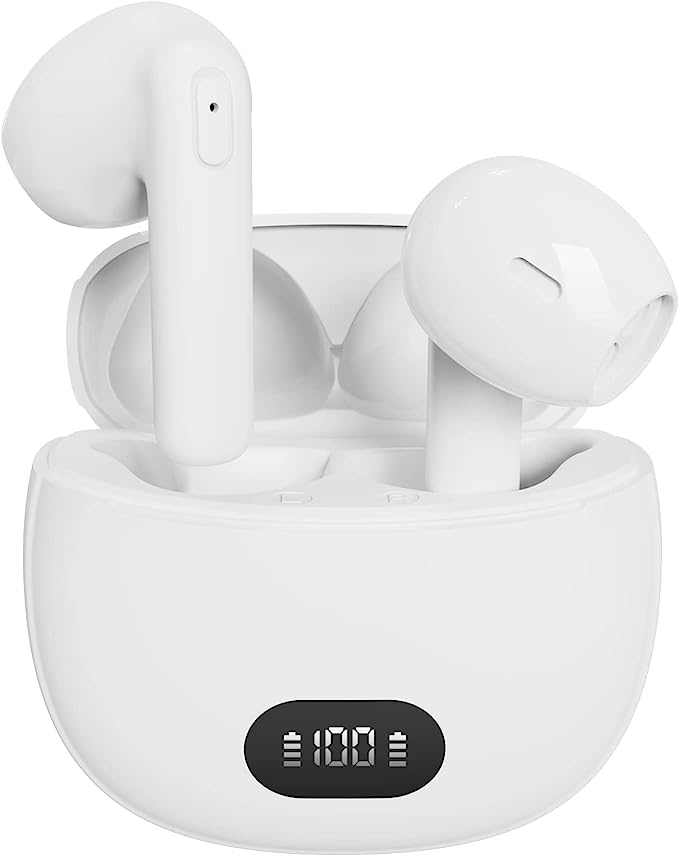
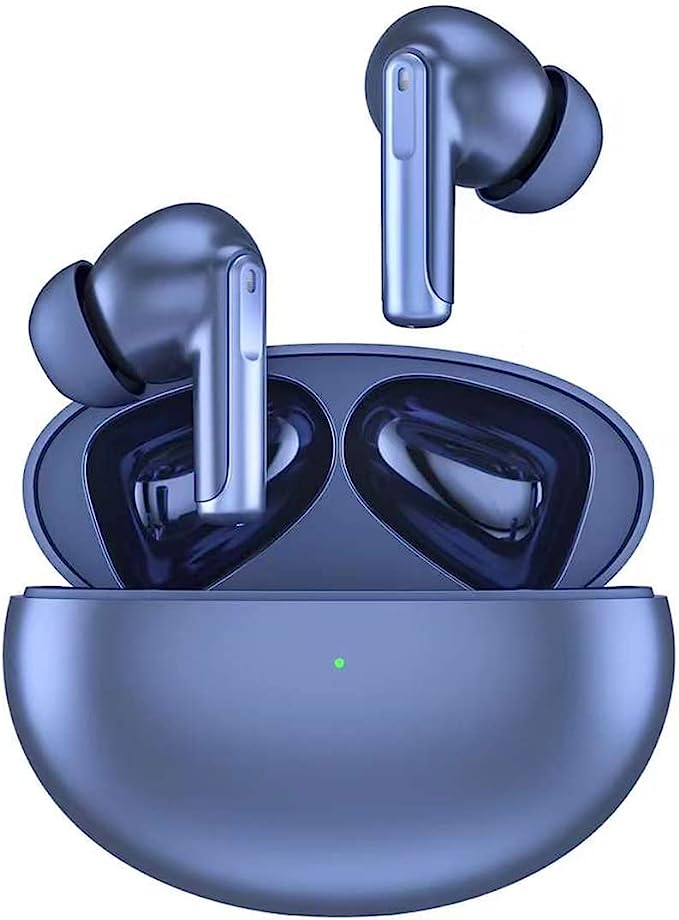
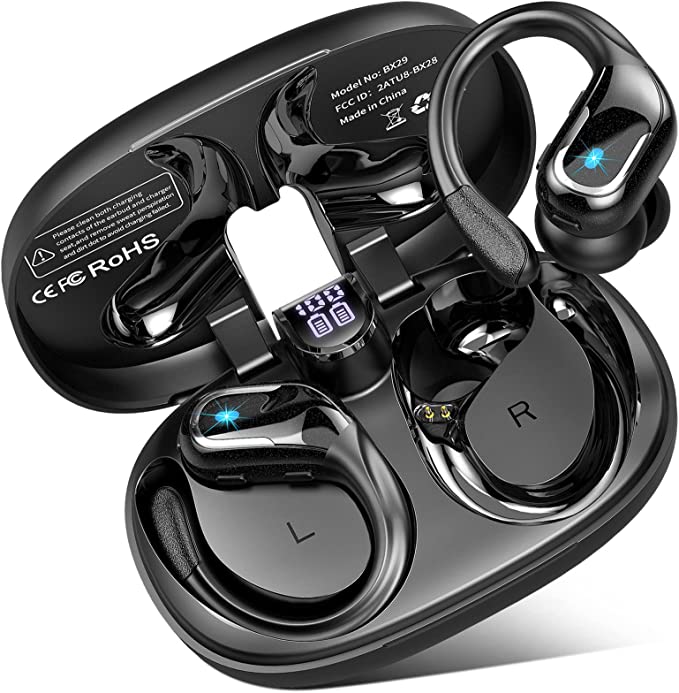
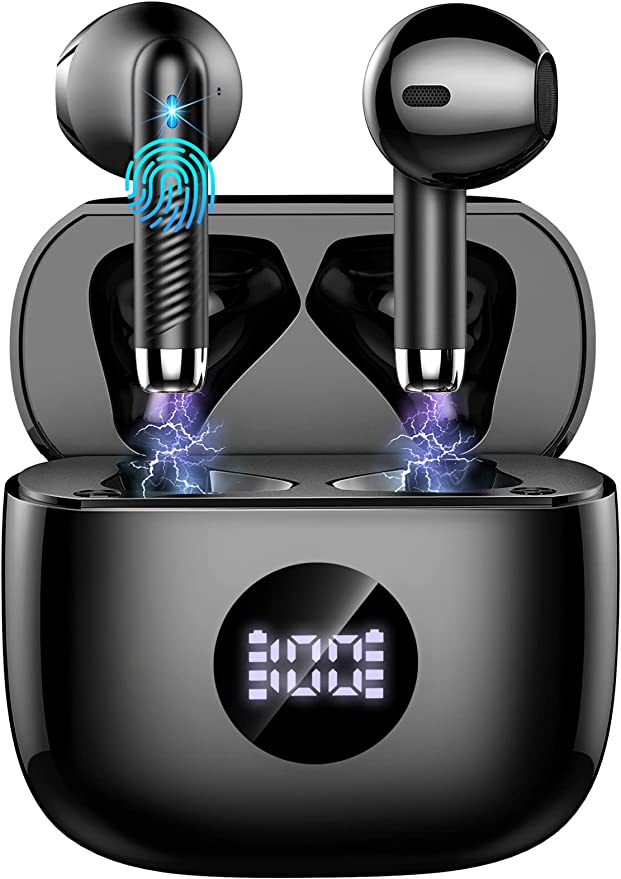
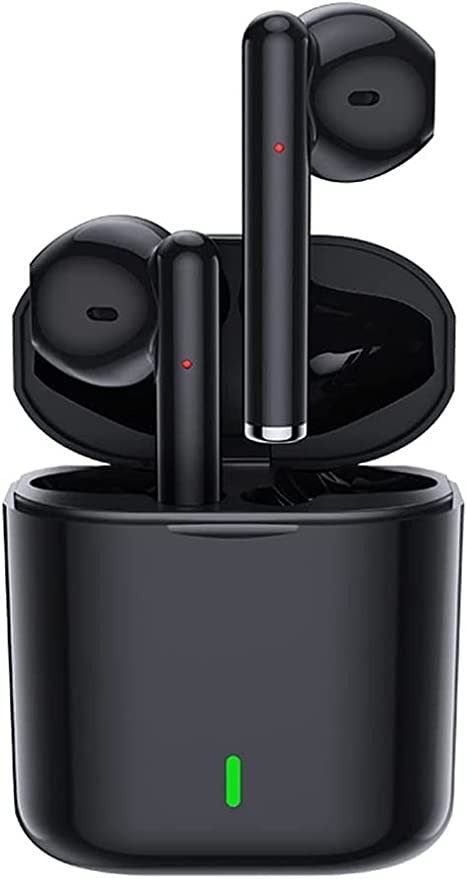
The Physics of Upgrades: Decoding Bluetooth 5.3 Efficiency and 14mm Drivers in the Smoonigh A50 PRO
Update on Nov. 22, 2025, 6:35 p.m.
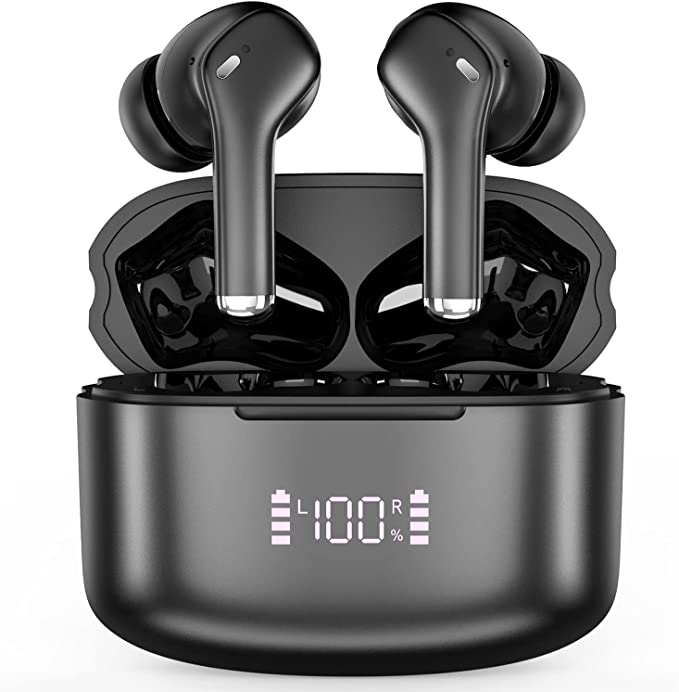
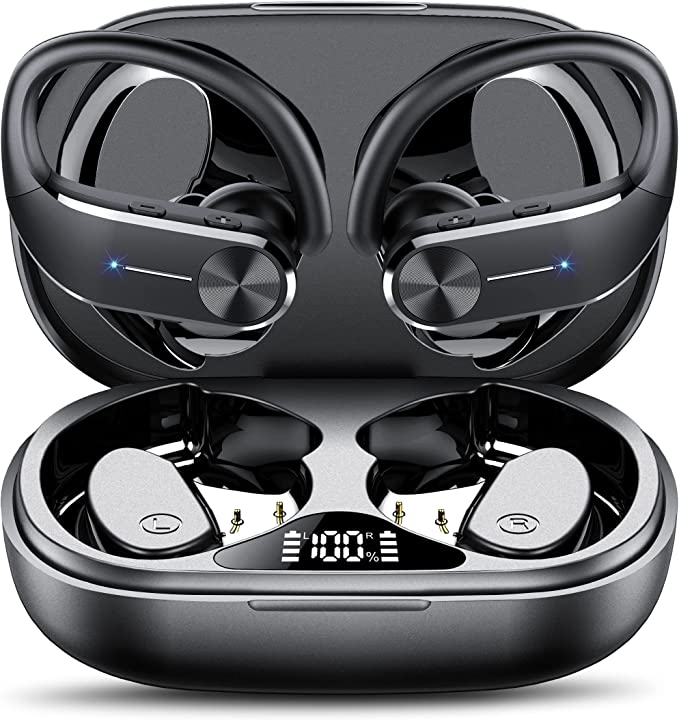
In the fast-paced world of consumer electronics, “new” often just means a cosmetic refresh. However, occasionally, a generational leap in underlying standards creates a tangible performance gap between products released just a year apart. The Smoonigh A50 PRO is a beneficiary of this technological compounding.
By adopting the Bluetooth 5.3 standard and a massive 14.0mm driver, it leverages the latest advancements in silicon efficiency and acoustic physics to deliver performance metrics that were impossible in budget TWS devices of the Bluetooth 5.0 era. To understand its value, we must decode the engineering behind these upgrades.
Protocol Engineering: The Bluetooth 5.3 Advantage
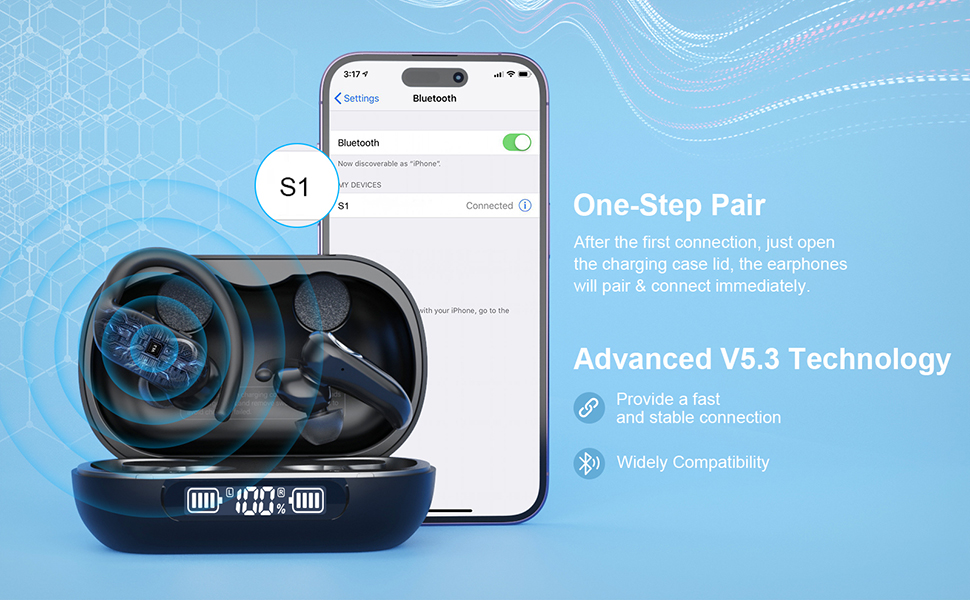
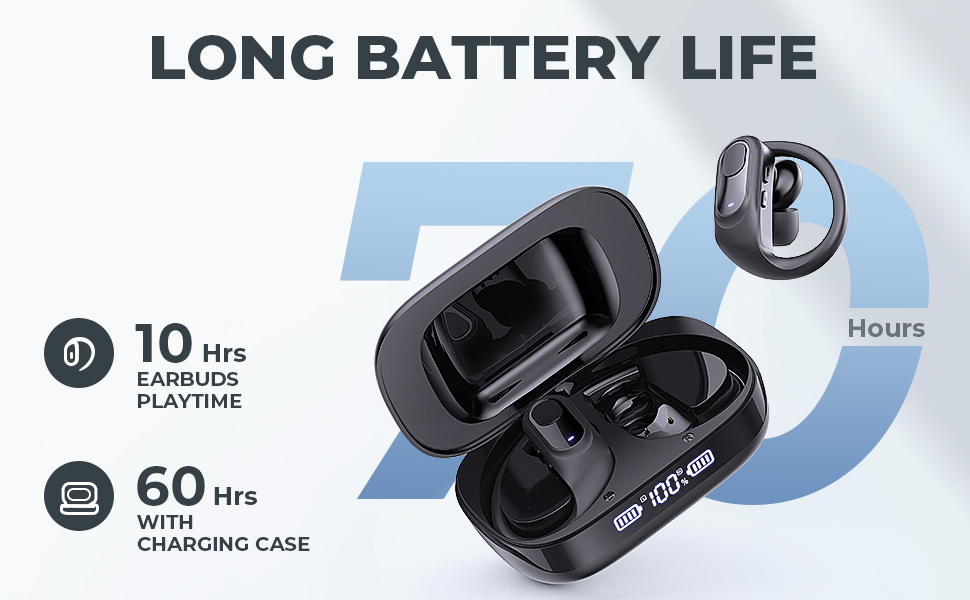
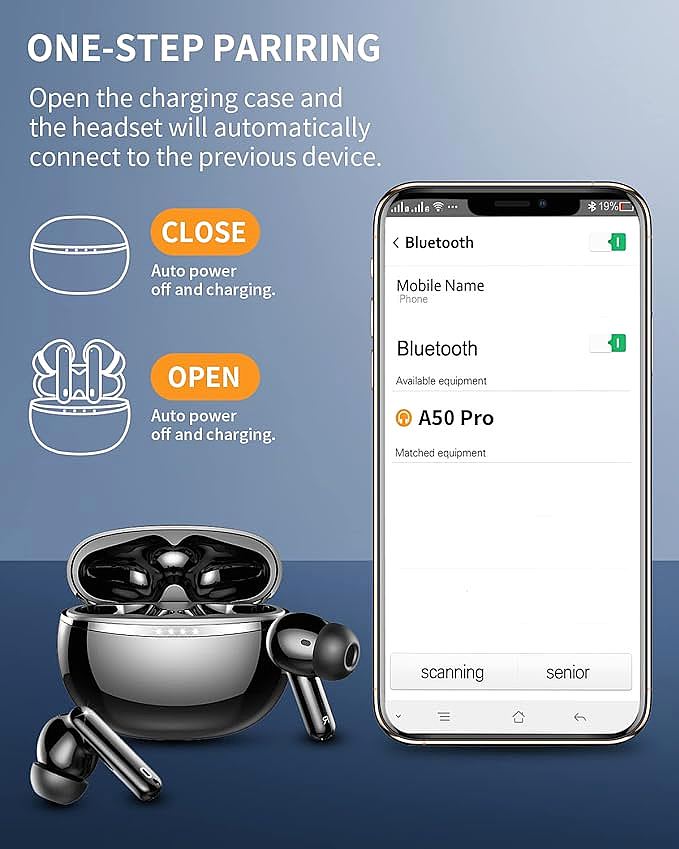
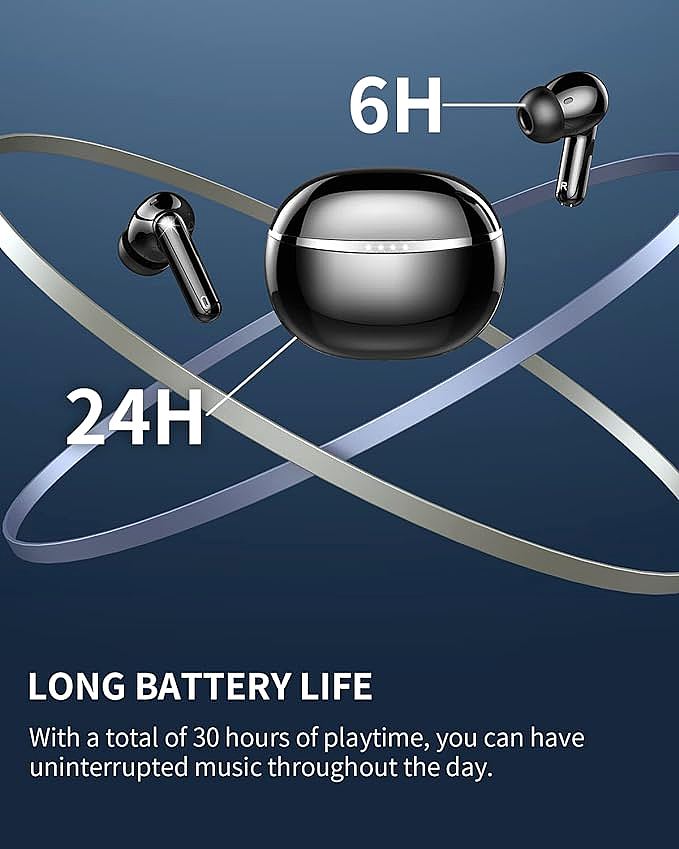
The headline feature is the Bluetooth 5.3 Chipset. Compared to the ubiquitous V5.1 found in older budget models, version 5.3 introduces critical optimizations in the Host Controller Interface (HCI). * Duty Cycle Optimization: Bluetooth 5.3 allows devices to switch between low-duty (idle) and high-duty (active) cycles much faster. This reduces the “wasted” energy spent transitioning states. The manufacturer claims “only half of the power consumption” compared to V5.1. While “half” is a theoretical maximum, the efficiency gain is real and measurable in extended battery life. * Connection Stability: Improved channel classification algorithms help the A50 PRO navigate the crowded 2.4GHz spectrum (shared with Wi-Fi and microwaves) with fewer packet losses, resulting in a more stable link and faster pairing.
Acoustic Physics: Why Size Matters (14mm)
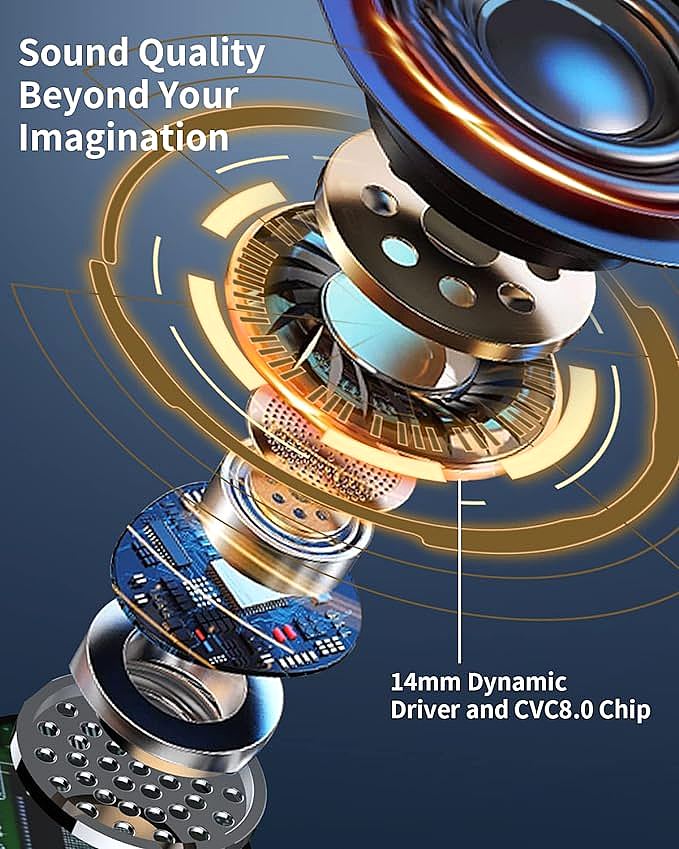
In the realm of dynamic drivers, Surface Area is king. Typical TWS earbuds use 6mm to 10mm drivers. The A50 PRO employs a 14.0mm Speaker Driver Unit. * Air Displacement: A 14mm diaphragm has roughly twice the surface area of a 10mm driver. Physics dictates that to produce the same sound pressure level (SPL) at low frequencies, a larger diaphragm needs less linear excursion. This means it can produce deep, “mellow bass” with less distortion and less power driving the voice coil. * Efficiency: Larger drivers are inherently more efficient at coupling with the air load, translating electrical energy into acoustic energy more effectively, which complements the low-power Bluetooth chip.
Signal Processing: CVC 8.0 and the 4-Mic Array
Noise cancellation in this device is focused on Uplink (Call) Audio. It utilizes a 4-Microphone Array powered by Qualcomm’s CVC 8.0 (Clear Voice Capture) algorithm. * Beamforming Logic: Two microphones on each earbud work in tandem. The primary mic captures the user’s voice, while the secondary mic captures ambient noise. The DSP (Digital Signal Processor) analyzes the phase difference between the two signals. * Spectral Subtraction: The algorithm identifies stationary noise profiles (like wind or traffic drone) and mathematically subtracts them from the voice signal. The “reverse the noise” description in the product text refers to this phase inversion process.
Human Interface: Force Sensors vs. Touch
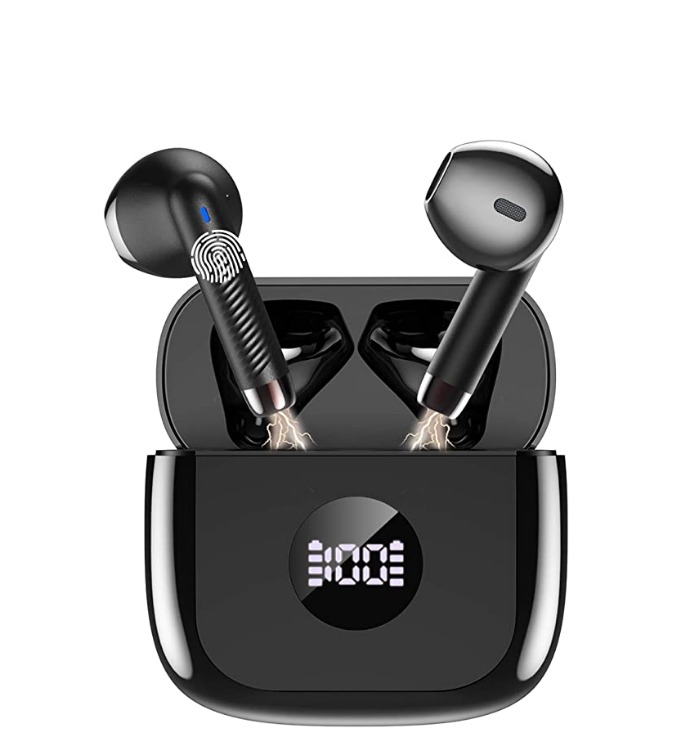
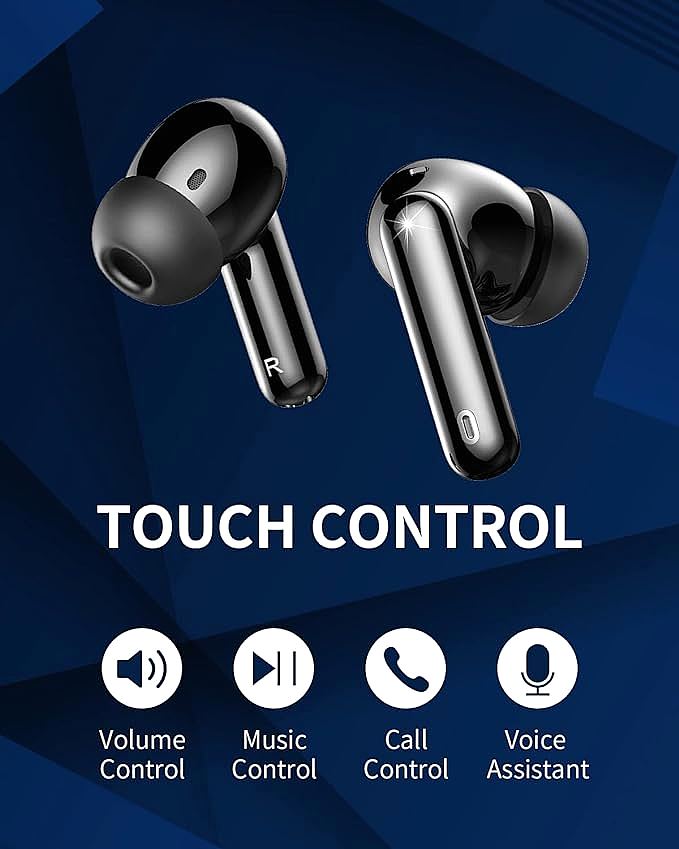
A subtle but significant engineering choice is the use of a “Built-in Force Sensor”. Unlike capacitive touch controls that can be triggered by sweat, hair, or accidental brushes, a force sensor requires a deliberate squeeze or press. * False Trigger Rejection: This mechanism relies on mechanical deformation (strain gauge principle) rather than electrical capacitance change. This drastically reduces accidental skips or hang-ups, a common frustration with budget touch-control earbuds.
Conclusion: The Beneficiary of Progress
The Smoonigh A50 PRO illustrates how rapid iteration in the semiconductor industry benefits the end consumer. It offers flagship-grade protocols (Bluetooth 5.3) and physically superior acoustics (14mm drivers) at an entry-level price. It is not a product of radical invention, but of efficient integration—combining the latest standardized components to create a device that outperforms its predecessors simply by being newer and smarter.