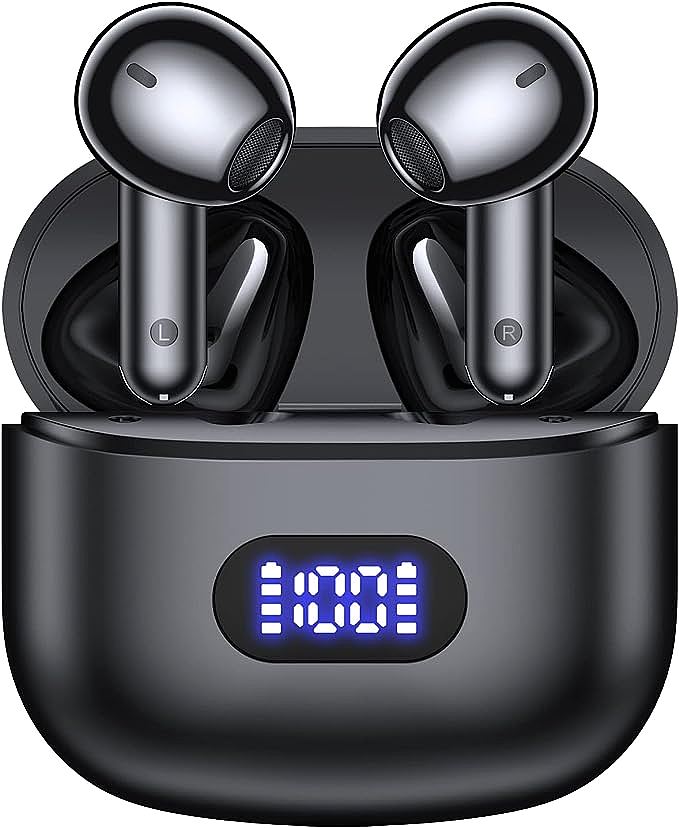
Why 30 Verified Hours Beats 200 Claimed Wireless Earbuds

YATWIN YT-RUNNER PRO Bluetooth Headphones
The warning chirp comes at hour 29. The rhythm that carried you through the climb stutters, fades, and dies. Your legs still have miles in them. The gear does not. This is the quiet failure that ends workouts long before muscles do, and it is the exact problem that verified battery life wireless earbuds are engineered to prevent. Not the loud failure of a broken driver, but the slow drain of a cell that promised more chemistry than it contains. The number printed on the box is rarely the number you experience on the trail, and this gap is not a marketing quirk but a measurable, physics-bound distance between what a lithium-polymer cell can hold and what a spec sheet will assert. Understanding that distance is the difference between trusting your equipment and babysitting it through every session. The runner who planned her long effort around a printed figure, only to hear the low-battery chirp before the route was finished, learns this distinction when the lesson costs her the workout she spent the week building toward, paid in abandoned miles and the slow erosion of trust between an athlete and the gear that was supposed to carry her through the hardest part of the day.
The Physics That Caps Real Battery Life
Every watt-hour inside a wireless earbud comes from a controlled chemical reaction inside a lithium-polymer cell. The cell has a fixed energy density, roughly 150 to 200 watt-hours per kilogram for the chemistries used in consumer audio, and no firmware update or marketing layer changes that number. The ceiling is set by the periodic table, and engineering works beneath it. A 300mAh cell at the nominal 3.7 volts common to these devices stores approximately 1.1 watt-hours of energy. If the playback circuit, the Bluetooth radio, the driver amplifier, and the microphone together draw somewhere near 35 to 40 milliwatts during active use, the arithmetic lands near 30 hours. This is the whole equation, and the reason verified battery life wireless earbuds cluster around that number rather than the triple-digit figures some boxes advertise. The math does not care about the brand or the enthusiasm of the copywriter; it cares about the cell's stored energy and the circuit's draw, and any reader willing to divide one by the other can reproduce the estimate for any device on the shelf. Triple-digit claims require a cell several times larger, a draw several times smaller, or a definition of playtime that excludes the moments users count.
Lithium Polymer Chemistry and the 300mAh Ceiling
The cell inside a neckband housing is almost always lithium-polymer, chosen for its thin profile, flexible geometry, and tolerance for the flat pouch shapes that fit behind the neck or along the cable. Lithium-polymer degrades with cycles, with heat, and with deep discharge, and a cell rated at 300mAh on day one will measure less at month eighteen, and less again at year three. This decay is normal, predictable, and invisible to anyone reading only the spec sheet, which captures the cell on its best day rather than across the years a user will own it. A single fresh-unit test therefore means almost nothing, because a claim of 200 hours measured on one new sample, once, under conditions the manufacturer chose, tells you nothing about the cell's behavior across a thousand units and two years of sweat, sun, and recharge cycles. Verified battery life wireless earbuds earn that adjective through sample size, not through a single lucky measurement on a new device in a quiet laboratory, and the reader who understands this distinction will discount any headline number that arrives without a population behind it. The chemistry does not negotiate, and the only honest report is the one measured across the conditions the device will actually face rather than those that produce the largest figure for the packaging, making verified battery life wireless earbuds a practical necessity.

The honest specification acknowledges the ceiling instead of hiding it. A device that reports 30 hours is telling you the cell's usable energy under real audio load, with the volume and the connection interval that actual listening produces. A device that reports 200 hours is telling you something closer to a standby figure or a measurement taken with the amplifier near idle. When three thousand users report holding charge across three-day stretches, the cell's behavior is characterized rather than asserted, making verified battery life wireless earbuds a practical necessity.
Why Claimed 200 Hours Collapses on Contact with Reality
The number 200 survives only in the absence of a load. It is the figure you get when the radio barely transmits, the driver barely moves, and the user barely listens. The moment actual audio plays and an actual phone sits ten meters away through walls, the number compresses to a third or a quarter of the printed value, which the watt-hour arithmetic predicts. This collapse is not a defect in any single product but the meeting of an inflated claim with a fixed physical reality, and the chemistry that delivers 30 verified hours in a 300mAh cell cannot, under the same load, deliver 200, making verified battery life wireless earbuds a practical necessity.

To produce 200 hours at typical draw, the cell would need to approach one kilowatt-hour, which is not a component that fits around a human neck or inside a housing a runner would willingly wear. Verified battery life wireless earbuds accept this constraint and design within it, reporting the hours the physics will actually support rather than the hours the marketing department would prefer to print. The reader who searches for honest specifications in this category is, often without naming it, searching for that same honesty about a constraint the manufacturer either respects or evades. They have been burned by the large number that shrank on contact with a real workout, and they want the cell's actual behavior reported by people who used the device the way they will use it, not the figure measured in a quiet lab with the volume at thirty percent and the phone resting on the bench. The arithmetic does not bend for any brand, any price tier, or any claim of significant chemistry, making verified battery life wireless earbuds a practical necessity.
IPX7 and the Cost of Honest Waterproofing
Waterproofing is the other specification where honesty carries a cost. The IP code is a two-digit rating: the first digit describes dust ingress, the second describes water. IPX7 means the device withstands immersion to one meter for thirty minutes; IPX5 means it withstands only low-pressure water jets. Building to IPX7 requires sealed enclosures, gasketed buttons, and membranes that pass sound but block water, and each adds material, assembly steps, and failure surfaces that a device built to IPX5 can skip. The manufacturer who chooses IPX7 is spending the bill of materials on ingress protection rather than on a larger cell, and that trade-off is visible to anyone who reads the rating carefully rather than skimming past it.

For the athlete, the meaning is direct. Sweat is saline and corrosive, and a long session produces enough of it to mimic immersion at the ear tip, which means a device that survives a quick shower may still fail on the first long run of the summer. Rain on a four-hour ride does the same, and a device rated only to IPX5 may survive the average gym session and fail on the first wet century. This is why verified battery life wireless earbuds that also carry IPX7 are engineered for the conditions that actually break lesser gear, and why the combination matters more than either specification alone, since a dead cell and a drowned driver produce the same silence on the trail. The rating is also a proxy for assembly discipline: a company that seals its enclosures to IPX7 has thought about the paths water takes through a button and a charging port, and that discipline tends to show up in strain reliefs and solder joints, the places where the ten percent of one-star reviews in this category always cluster.
Bluetooth 5.3 and the Efficiency That Funds the Hours
The radio is the largest single draw on the cell, which means the Bluetooth version is, quietly, a battery specification rather than a connectivity footnote. Bluetooth 5.3 introduced tighter control over connection intervals, improved isochronous channel handling for audio, and refined the low-duty-cycle modes that govern how often the radio wakes to check for data. Each of these changes reduces the time the radio spends transmitting, and transmitting is what costs power, which means each refinement translates into minutes and hours of playback recovered from the same cell. A radio that wakes less often to maintain the same audio stream draws fewer milliwatts on average, and fewer milliwatts is, at the end of the cell's capacity, more hours of playback before the warning chirp interrupts the session. This is why the pairing of a mature radio standard with a sensibly sized cell produces the 30-hour cluster: the chemistry provides the energy, and the radio's efficiency determines how slowly that energy leaves.
Verified battery life wireless earbuds rely on this coupling between cell and radio, and a reader evaluating a device should read the Bluetooth version as part of the endurance equation rather than as a separate connectivity footnote divorced from the battery specification beside it. The temptation in this segment is to chase the newest radio standard, advertised ahead of its broad device support. A standard too new to be widely supported costs the user more in compatibility friction than it saves in efficiency, because the gains only materialize when both ends implement the feature. Bluetooth 5.3 sits at the mature edge of current silicon, supported across the phones and laptops people already own, which is why it tends to appear in configurations that actually deliver their claimed hours.
Neckband Architecture as an Endurance Decision
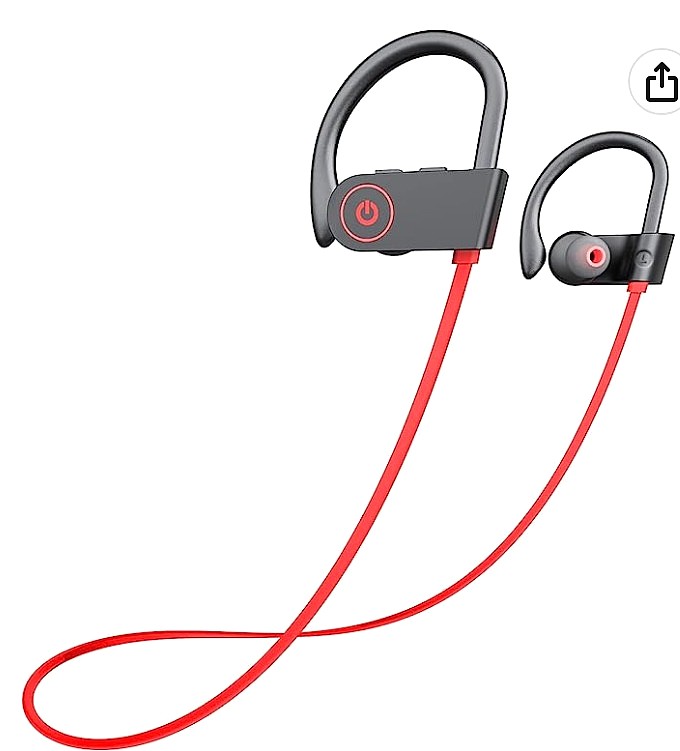
The form factor is, more than any other single choice, a battery decision. A true-wireless bud carries its cell inside the ear piece, where space is measured in tens of milliamp-hours, while a neckband places its cell in the housing that rests on the neck, where space is measured in hundreds. The difference between forty milliamp-hours and three hundred is the difference between a device that must return to its case every few hours and one that runs through a full workday plus a training session. The neckband also solves a structural problem: two independent buds must maintain a synchronized link, and when one bud's cell degrades faster than the other's, the pair drifts out of balance and produces the one-side-died failure that fills the negative reviews of this category. It is a failure the neckband cannot produce, because it routes both channels through a single cable and a single cell.

This is why the search for verified battery life wireless earbuds so often lands on a neckband rather than on a pair of true-wireless buds. The architecture produces the cell size that makes honest endurance possible, and it eliminates the failure mode that makes true-wireless reliability such a lottery for the buyer who needs predictability across months of daily use in conditions that vary from dry gym air to humid summer trails. The trade-off is aesthetic and logistical, since a cable around the neck is less discreet and less pocketable than two bare buds in a charging case. For a reader whose priority is endurance and predictability, that trade-off is usually the correct one to make, because the silence of a dead bud at mile eighteen costs far more than the slight bulk of a neckband cable ever will, and a device that cannot finish the session fails its one job. It is a trade-off about physics and geometry rather than about brand loyalty or marketing copy, which means it survives any future product cycle and applies equally to any device the reader evaluates in this form factor.
What Three Thousand Users Actually Report
Sample size is the only defense against the single-unit anomaly. One user reporting thirty-four hours on a device rated for thirty could be luck, but three thousand users with a majority reporting multi-day charge retention is a characterization of the cell's behavior under population conditions. This is the difference between a claim and a measurement, and the load-bearing distinction behind the word verified in this category. The reports that matter most describe specific work patterns, since a user who wore the device through two full twelve-hour shifts and ten hours of a third before seeing ten percent remaining is describing a real load profile across real days, not a single session in ideal conditions. A tradesman reporting clear calls across a full work week is describing the microphone and radio under the noise and distance of a job site, and these accounts, aggregated across thousands of owners, are the only test report that reflects the cell's behavior in the field rather than in a laboratory that does not reproduce the conditions of actual use.
They are the reason a device with modest printed numbers can still be the correct answer for a reader who needs verified battery life wireless earbuds rather than advertised battery life, and the reason the printed number matters far less than the distribution of numbers that actual owners report over actual days of actual use. The negative signal in the same population is equally informative, since the recurring complaints in this category cluster around build durability, charging port failure, and eventual cell decline rather than around the device underdelivering its rated hours on day one. This pattern says the specification is honest and the manufacturing is the variable, which lets a reader separate the endurance question, which the verified reports answer, from the longevity question, which no amount of cell capacity can rescue once a solder joint fails or a charging port corrodes past contact.
Reading a Spec Sheet Without Being Deceived
The skill that ends battery anxiety is reading the spec sheet as a set of constraints rather than promises. A watt-hour figure divided by a plausible draw yields an expected runtime, and that runtime, checked against the population of user reports, either matches the printed number or does not. When it matches, the specification is honest; when it falls short, the figure is derived from a scenario the user will never experience. The YATWIN YT-RUNNER PRO illustrates this practice: a 300mAh cell, a Bluetooth 5.3 radio, and a neckband housing produce a figure near thirty hours, and three thousand users report figures at or near that number. The specification and the measurement agree because both are anchored to the same chemistry and the same draw, which is what verified looks like in practice rather than in advertising.
The reader who internalizes this method no longer needs to trust any single box. They can compute the ceiling from the cell, estimate the draw from the radio and driver, and check both against the distribution of user reports before the device ever leaves the shelf. A claim of two hundred hours, subjected to the same method, collapses under its own arithmetic, while a claim of thirty hours survives the test cleanly. The method, once learned, is portable to every future purchase, and it is worth more than any single recommendation because it outlasts every product it is applied to and works across brands and price tiers the reader has not yet encountered. This is the deeper value of seeking verified battery life wireless earbuds rather than chasing the largest headline number on the shelf: the discipline of verification transfers to every other category of gear the reader will ever evaluate, from the headphones on the next shelf to any device whose value depends on a number the buyer cannot independently confirm at the moment of purchase.
Trust as an Engineering Output
The deepest lesson in this category is that trust is not a feeling a brand cultivates but an output that engineering produces by reporting specifications the physics will actually support. A device whose printed hours match its measured hours has done the quiet work of choosing a cell, a radio, and a housing that agree with one another. A device whose printed hours float free of its chemistry has let the marketing layer overwrite the engineering layer, and the user pays for that choice in dropped sessions and dead gear. This is why thirty verified hours is worth more than two hundred claimed ones: the smaller number is a measurement, and measurements survive contact with the trail, while the larger number is an assertion that collapses at the first real workout. Verified battery life wireless earbuds earn the word verified one charge cycle at a time, across thousands of owners, in conditions no laboratory reproduces, and the reader who learns to demand that evidence will never again mistake a large printed number for a real one.
YATWIN YT-RUNNER PRO Bluetooth Headphones
Related Essays

WATAHATIC 203 Wireless Headphones - Top-Notch Sound Quality and Long Battery Life

Keklle2 Wireless Earbuds – Crystal Clear Sound and Waterproof Design

HITY A4 Wireless Earbuds Bluetooth 5.3 Headphones Touch Control – Top Choice for Music Enthusiasts

DGLighting Wireless Earbuds – Recommended for Comfort and Sound Quality
Boean U8 Wireless Headphones: Your Ultimate Workout Companion with Bluetooth 5.3

The Physics of Wireless Audio: Engineering Bluetooth 5.3 and Graphene Drivers

The Athlete's Guide to Earbud Tech: Decoding Sound, Sweat, and Stability

The Hidden Evolution of Bluetooth Audio: Why Your Earbuds Sound Nothing Like They Did Five Years Ago

The Engineering Behind 52-Hour Headphone Battery Life: Fast Charging and Power Efficiency Science