Situational Awareness and Reliability: The Safety Protocols of Urban Athletic Audio
Update on Feb. 1, 2026, 2:59 p.m.
For the urban athlete—the city runner, the commuter cyclist, the street skater—the auditory environment is not just a backdrop; it is a stream of critical safety data. The sound of an approaching vehicle, the chime of a tram, or the shout of a pedestrian are signals that must be processed instantly. In this context, the complete isolation offered by Noise Cancelling (ANC) headphones becomes a liability. Safety requires transparency.
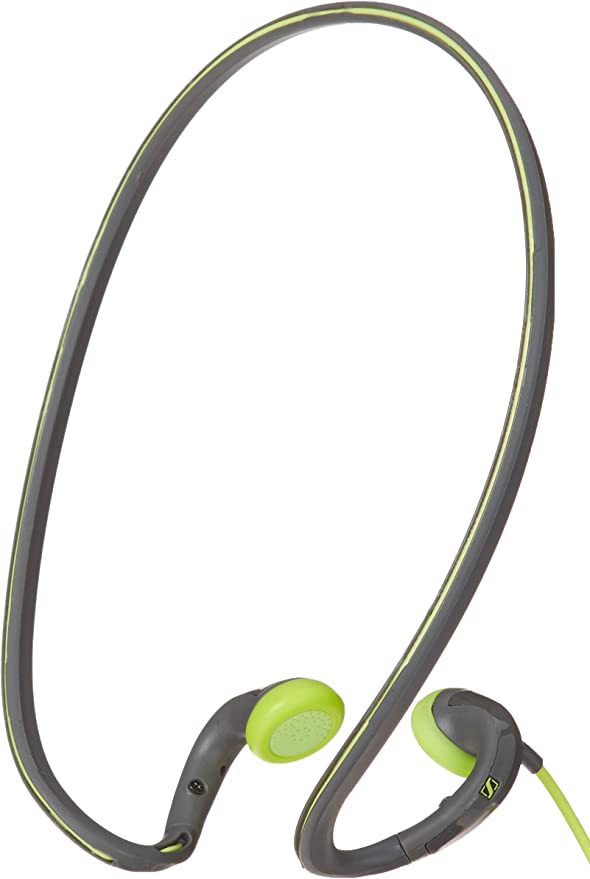
The practical application of audio gear in these environments necessitates a design philosophy that prioritizes Passive Situational Awareness. Unlike electronic transparency modes, which digitize and reprocess the world, passive designs like the Sennheiser PMX 684i allow environmental sound to reach the eardrum naturally, preserving the spatial cues and timing required for split-second reactions.
The Mechanics of Passive Safety
The human auditory system is an incredibly sophisticated threat detection mechanism. It relies on the “Head-Related Transfer Function” (HRTF) to localize sound sources based on how sound waves interact with the shape of the outer ear (pinna). Sealed earbuds bypass the pinna and inject sound directly into the canal, disrupting these spatial cues.
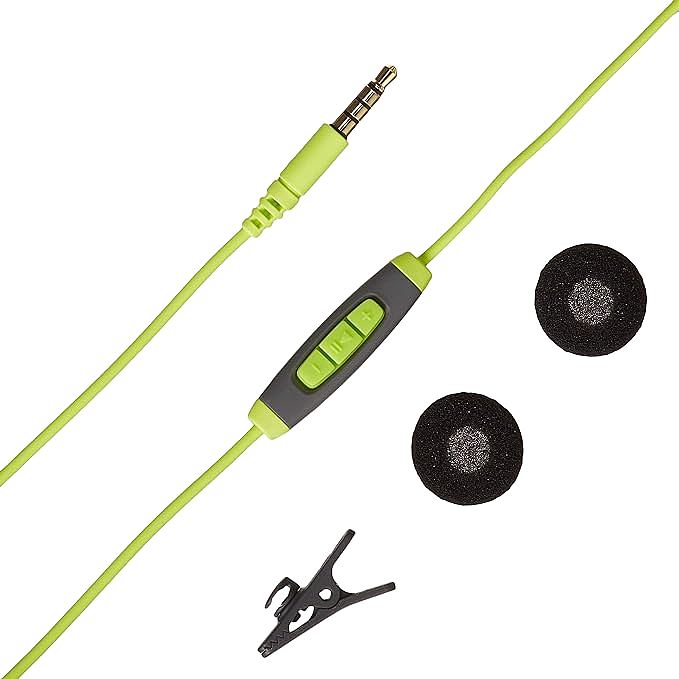
The PMX 684i employs an ergonomic design that rests in the ear but does not seal it. This is a critical distinction. * Spectral Preservation: High-frequency sounds, such as tire noise on asphalt or the hiss of air brakes, are directional and easily blocked by foam or silicone seals. The open fit of these earbuds allows these high frequencies to diffract around the housing and enter the ear canal. * Zero Processing Lag: Electronic transparency modes often introduce a slight delay (latency) and can sound artificial or compressed. Passive air-gap transparency ensures that the sound the athlete hears is the real-world sound, arriving at the speed of sound, with no digital processing artifacts to misinterpret distance or speed.
Durability in Saline Environments
Electronics and moisture are natural enemies. For sports equipment, the threat is specific: sweat. Sweat is not just water; it is a saline solution containing electrolytes that are highly conductive and corrosive to copper and gold contacts.
A device engineered for this environment must adhere to strict ingress protection standards. While many devices claim “water resistance,” true sports engineering involves internal potting of components and the use of hydrophobic meshes. The PMX 684i is designed to be rinsed under running water—a maintenance protocol that is essential for hygiene and longevity. Rinsing removes the salt crystals that accumulate after a workout. If left uncleaned, these crystals can grind against diaphragms or corrode charging contacts (in wireless models). The simplicity of a wired, sealed driver housing makes this maintenance routine risk-free compared to cleaning complex charging ports on TWS cases.
The Reliability of the Tether
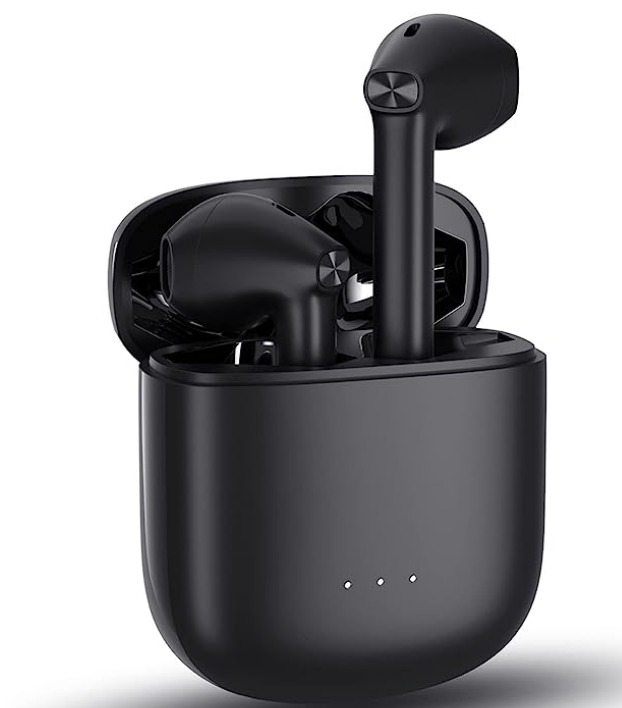
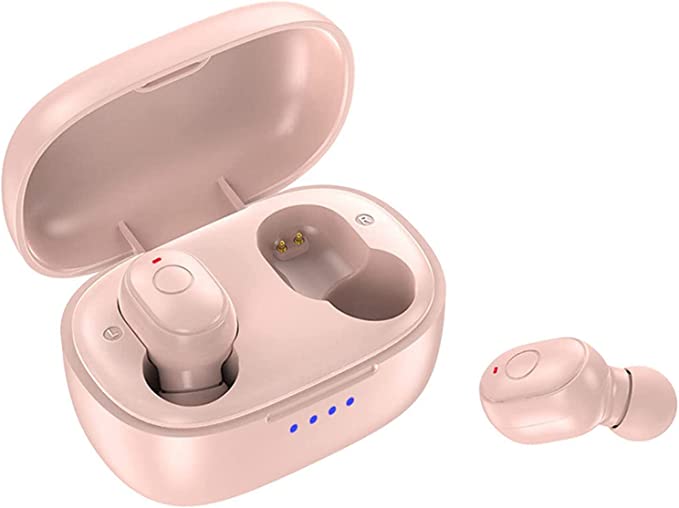
In high-intensity interval training (HIIT) or rough trail running, the risk of an earbud falling out is high. With independent wireless buds, a dislodged unit can be lost in a storm drain or crushed underfoot.
The wired neckband design acts as a physical retention system. If an earpiece slips from the ear, it simply drops to the shoulder, tethered securely to the frame. This “fail-safe” mechanical design provides a psychological benefit: the athlete can focus entirely on their performance without the background anxiety of losing expensive equipment.
Furthermore, the wired connection integrates seamlessly with the legacy and professional audio ecosystems found in gyms. Many cardio machines (treadmills, ellipticals) still utilize 3.5mm jacks for TV audio. A wired headset allows for instant, latency-free connection to these systems without the need for Bluetooth pairing menus or dongles.
Integration into the Modern Workflow
While the 3.5mm jack has disappeared from many flagship phones, the utility of the wired connection persists through the “Dongle Economy.” A simple Lightning or USB-C to 3.5mm adapter converts the digital output of a modern smartphone into a high-quality analog signal for the PMX 684i. This setup offloads the Digital-to-Analog Conversion (DAC) to the adapter, often resulting in cleaner audio than the integrated DACs inside budget wireless earbuds.
For the serious athlete, the choice of equipment is a calculation of failure points. Batteries die, Bluetooth disconnects, and seals cause fatigue. The Sennheiser PMX 684i removes these variables, offering a tool that is acoustically open, mechanically secure, and powered by pure physics.