Engineering Endurance: The Physics of Energy Density and DSP in Micro-Audio
Update on Jan. 24, 2026, 9:54 p.m.
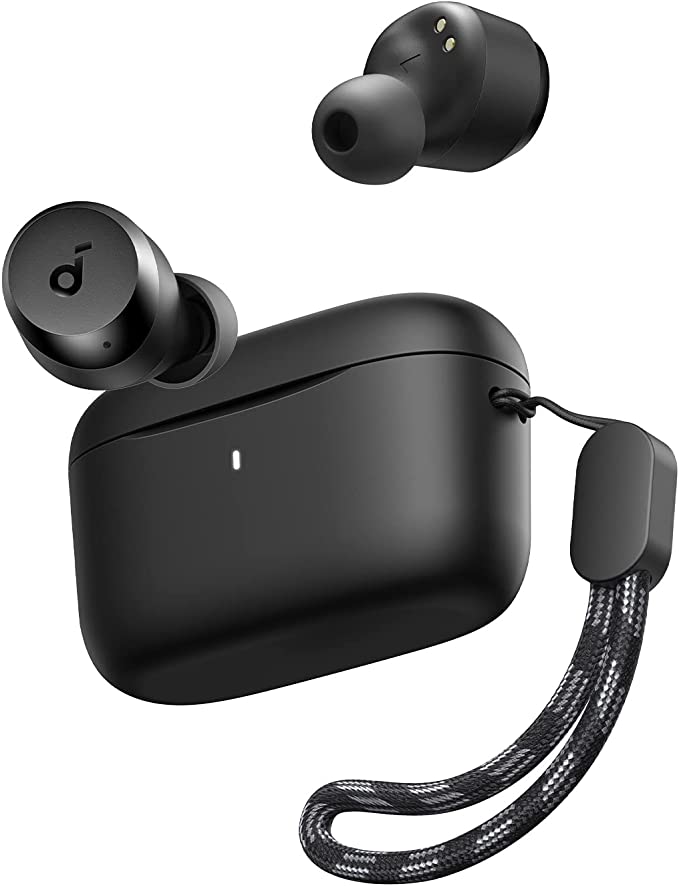
The relentless pursuit of miniaturization in consumer electronics faces a constant, immutable adversary: thermodynamics. As devices shrink, the physical space available for energy storage diminishes, yet the demand for computational power and operational longevity increases. This paradox is nowhere more evident than in the engineering of True Wireless Stereo (TWS) earbuds. These devices are not merely speakers; they are autonomous micro-computers, housing radio transceivers, digital-to-analog converters (DACs), amplifiers, and power management systems within a chassis barely larger than a coin.
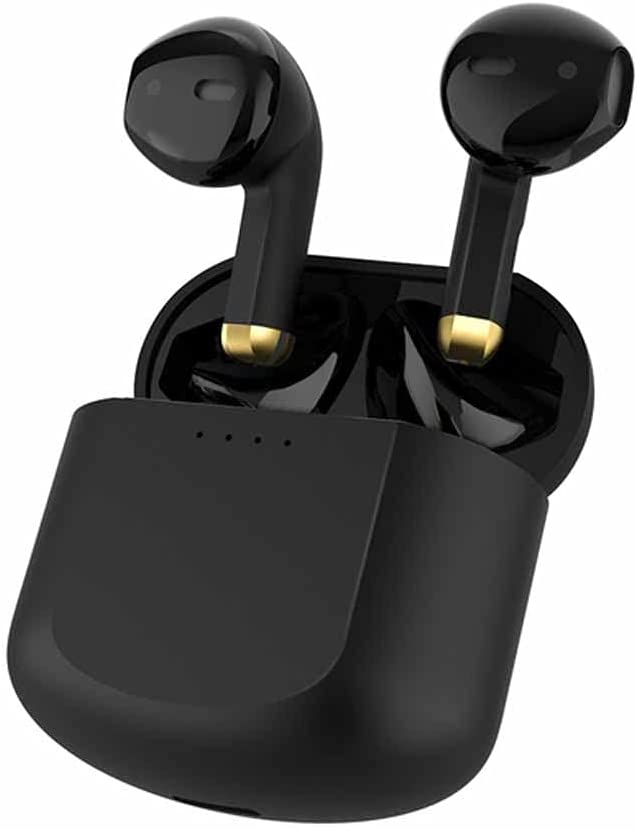
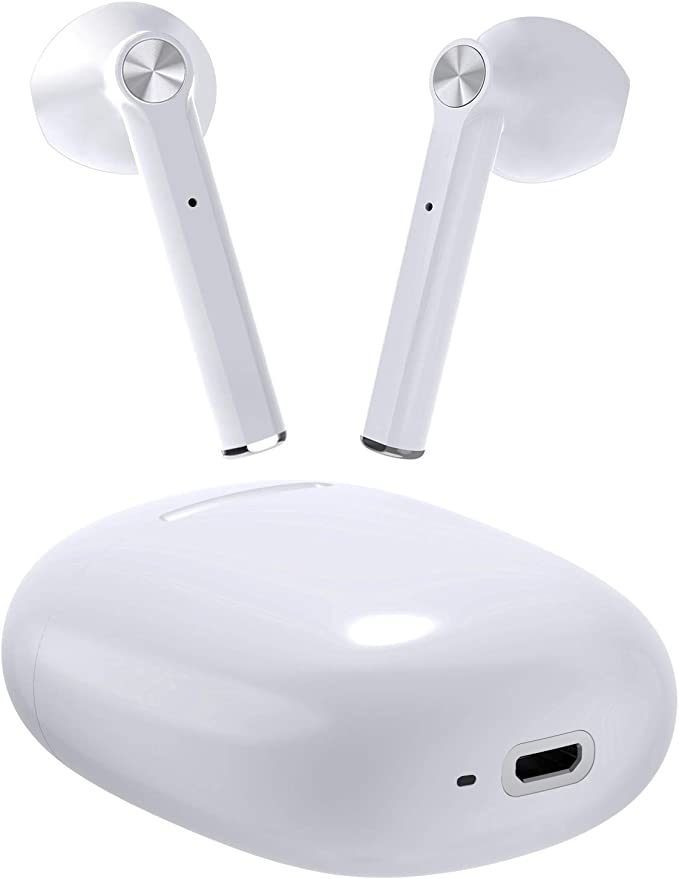
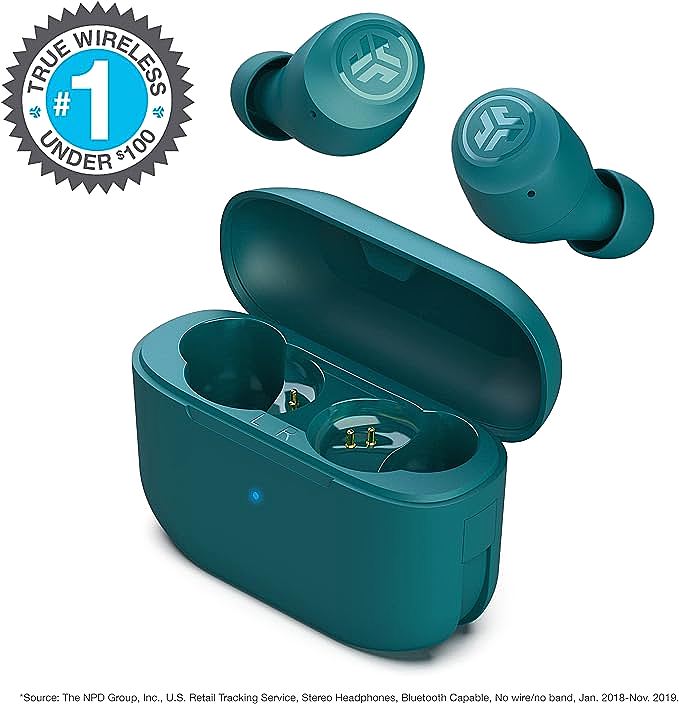
Achieving substantial operational autonomy—playtime—in such a constrained volume requires a convergence of advancements in electrochemistry and algorithmic efficiency. The modern TWS architecture, exemplified by devices like the JLab Go Air Pop, represents a case study in optimizing energy density. By analyzing how a combined 32+ hours of functionality is extracted from compact lithium-polymer cells, and how Digital Signal Processing (DSP) allows for on-board audio shaping without external processing overhead, we can decode the engineering principles driving the current generation of personal audio.
The Electrochemistry of Autonomy: Li-Po Energy Density
The primary limiting factor for TWS earbuds is the specific energy of the battery—the amount of energy stored per unit of mass. Traditional cylindrical lithium-ion cells are too bulky for the ergonomic requirements of the human ear. Instead, engineers utilize Lithium-Polymer (Li-Po) pouch cells. These cells employ a polymer electrolyte rather than a liquid one, allowing them to be molded into non-standard shapes to fill every available cubic millimeter of the earbud housing.
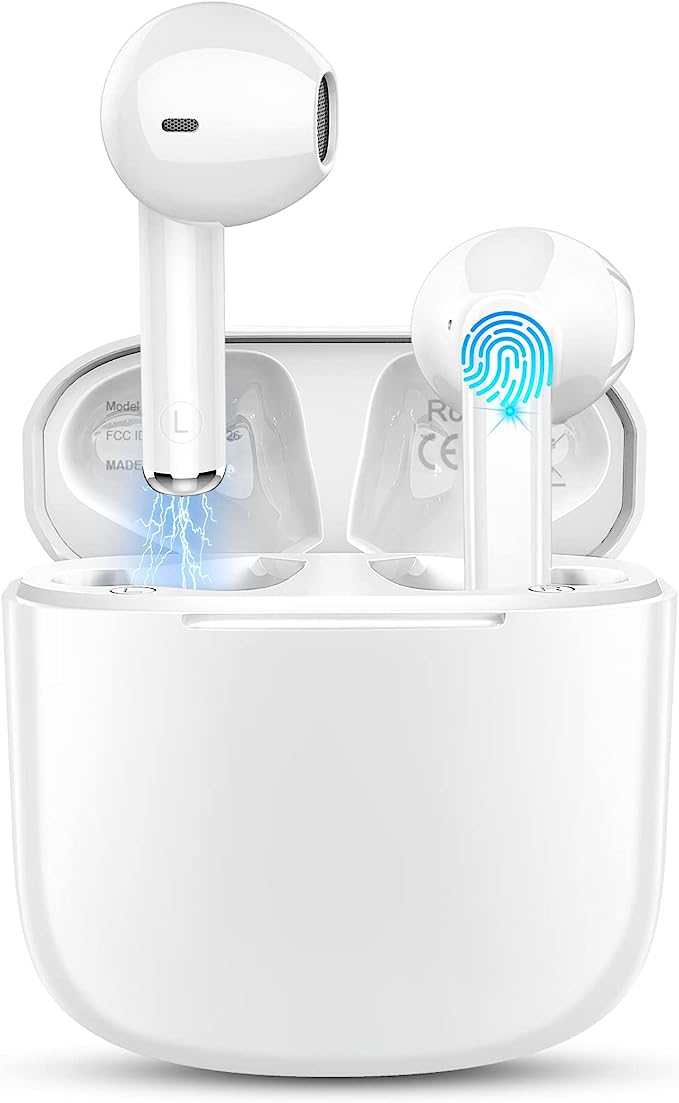
In the engineering specifications of the JLab Go Air Pop, the system utilizes a split-energy architecture. Each earbud contains a micro-cell (typically around 40-50mAh) capable of sustaining operation for 8+ hours. This high runtime-to-capacity ratio implies a highly efficient power consumption baseline, likely in the range of 5-6mA during active playback. The charging case houses a larger, secondary reservoir—a 350mAh lithium-polymer battery.
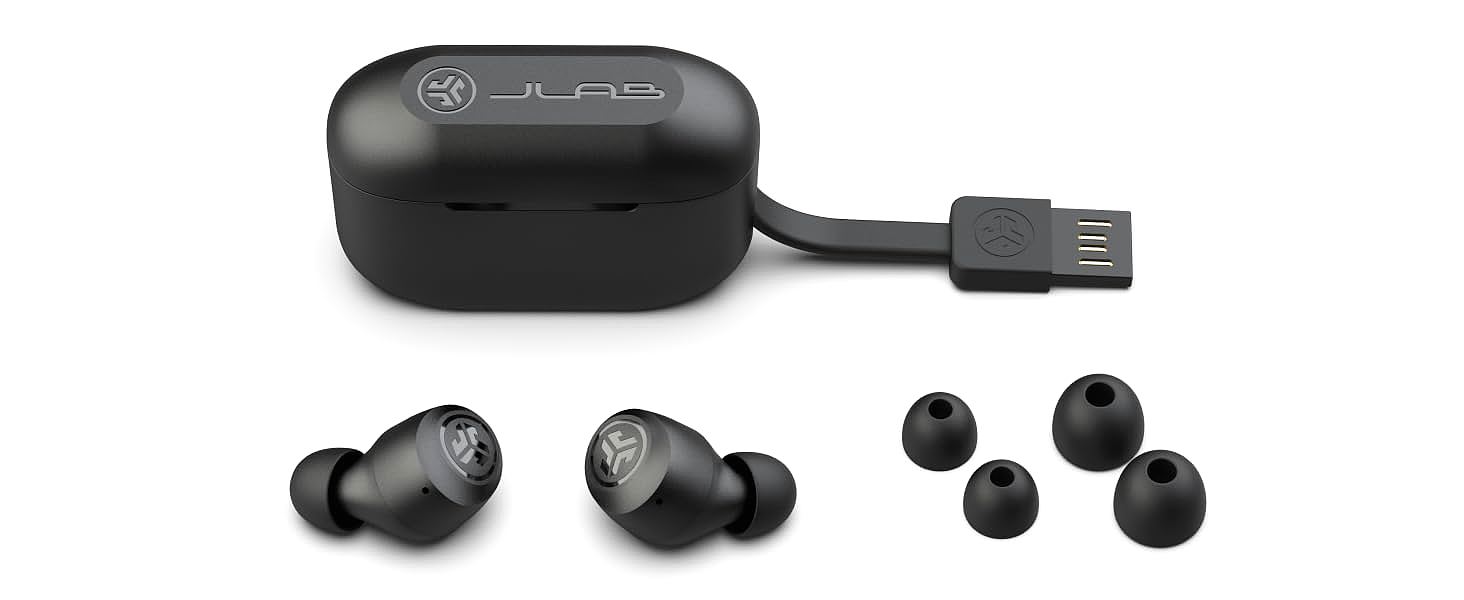
The interaction between the case and the buds is governed by a Battery Management System (BMS). When the buds are docked, the BMS initiates a charging cycle, stepping down the voltage from the case’s battery to safely charge the smaller cells in the earbuds. This “bunker” strategy, where the case holds 24+ hours of additional energy, relies on the high coulombic efficiency of Li-Po chemistry, ensuring that minimal energy is lost as heat during the transfer process. The integration of the charging cable directly into the case chassis further streamlines the power delivery system, eliminating resistance variables associated with detachable cables.
Embedded Digital Signal Processing (DSP) and EQ Profiling
Beyond power, the sonic character of a TWS device is defined by its Digital Signal Processor (DSP). The raw output of a 6mm dynamic driver is rarely linear; it is subject to physical resonances and rolloffs determined by the diaphragm material and enclosure volume. To correct this and provide distinct sound signatures, engineers use DSP equalization (EQ).
Traditionally, EQ adjustments required a smartphone app to process the audio signal before sending it to the earbuds via Bluetooth. However, this introduces latency and software dependency. The architecture of the Go Air Pop implements embedded EQ. The EQ profiles—JLab Signature, Balanced, and Bass Boost—are stored directly on the earbud’s firmware.
- JLab Signature: Likely utilizes a “V-shaped” frequency response curve, boosting low-frequency (20-250Hz) and high-frequency (4kHz-20kHz) signals while recessing the mids. This compensates for the Fletcher-Munson equal-loudness contours, making audio sound fuller at lower volumes.
- Balanced: Applies a flatter target curve, minimizing DSP coloration to present the source audio as neutrally as the hardware allows.
- Bass Boost: Applies a high-shelf filter to the lower frequencies, significantly increasing the amplitude of the sub-bass and mid-bass regions.
This on-board processing is triggered via capacitive touch sensors. When the user taps to switch modes, the DSP reconfigures its filter coefficients in real-time. This hardware-level approach ensures that the EQ settings persist regardless of the source device, whether it’s a phone, a laptop, or a smartwatch.
Bluetooth 5.1 Protocol and Connection Topology
The efficiency of the wireless link is the third pillar of this architecture. Bluetooth 5.1 introduces enhancements over previous iterations that are critical for TWS applications. One such feature is the improvement in connection topology.
Early TWS devices often used a “Master-Slave” forwarding mechanism, where the phone connected to one earbud, which then relayed the signal to the other. This consumed significant power and increased latency. The “Dual Connect” technology supported by the Bluetooth 5.1 stack in the Go Air Pop allows each earbud to establish an independent link to the host device.
This independent addressing capability has two profound technical implications: * Load Balancing: Since both earbuds receive data directly, battery drain is more symmetrical, preventing one bud from dying significantly faster than the other. * Robustness: If one earbud experiences RF interference, the other maintains its connection, ensuring uninterrupted audio. The 5.1 protocol also features improved frequency hopping algorithms, allowing the device to navigate the crowded 2.4GHz spectrum more agilely, avoiding interference from Wi-Fi networks and other Bluetooth devices.
The Trajectory of Micro-Audio Engineering
The integration of high-density energy storage and on-board signal processing in devices like the JLab Go Air Pop signals a maturity in the TWS sector. We are moving away from the era where “wireless” meant “compromised.” The future trajectory points towards even greater integration, with the imminent adoption of Bluetooth LE Audio and the LC3 codec. These technologies promise to further reduce power consumption while increasing audio fidelity, potentially pushing the autonomy of ultra-compact earbuds beyond the 10-hour barrier on a single charge, fundamentally reshaping our expectations of portable audio endurance.