A Case Study in 'Good Enough': Decoding the $20 Renimer i50 Earbuds
Update on Nov. 14, 2025, 9:22 a.m.
In the hyper-competitive budget audio market, you’ll often find products that seem too good to be true. The Renimer i50 is a prime example. It’s a $20 wireless earbud that, according to its 2023 spec sheet, boasts Bluetooth 5.3, 4 ENC microphones, IP7 waterproofing, 48 hours of battery, and a blistering 30ms low latency.
Yet, despite this unbelievable list of features, the most telling specification might be its 4.5-star rating from over 1,700 users, with a perfect 5.0/5.0 for “Value for money” and a 4.8/5.0 for “Comfort.”
This isn’t just another cheap earbud. It’s a fascinating case study in “value engineering”—a product whose real-world strengths, as validated by thousands of users, are different from its marketed strengths. To understand its success, we have to decode what’s real, what’s inflated, and what truly matters.

The Most Important Feature: The “Semi-in-Ear” Design
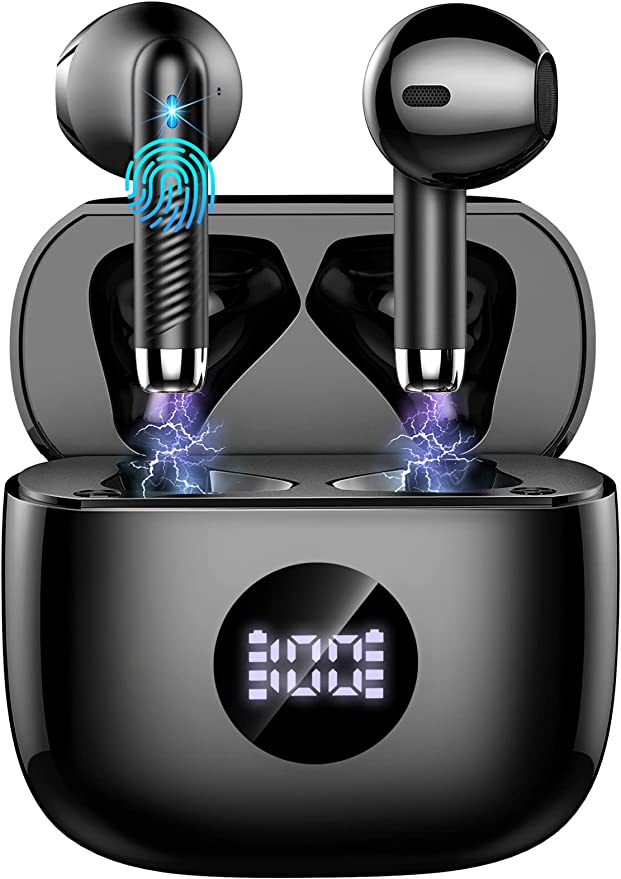
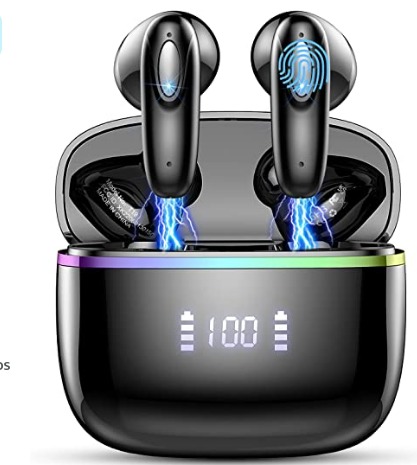
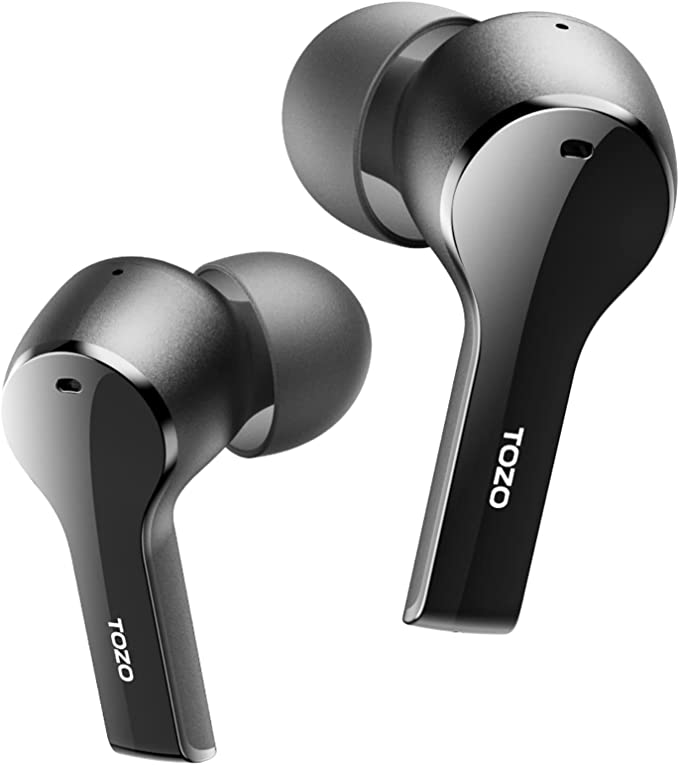
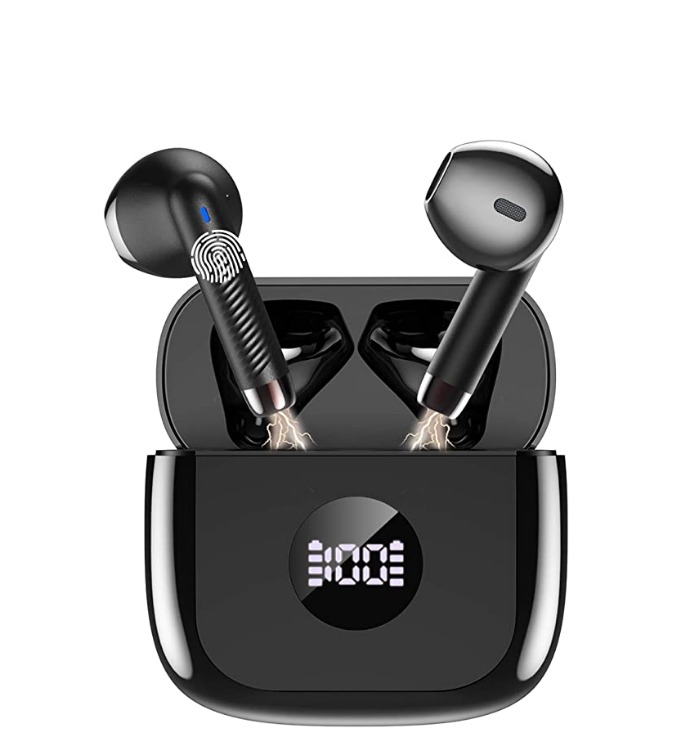
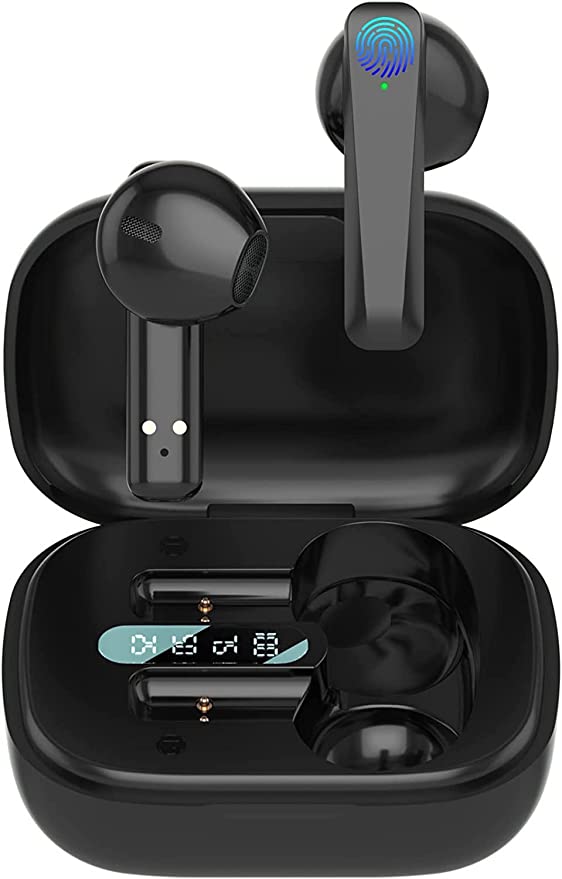
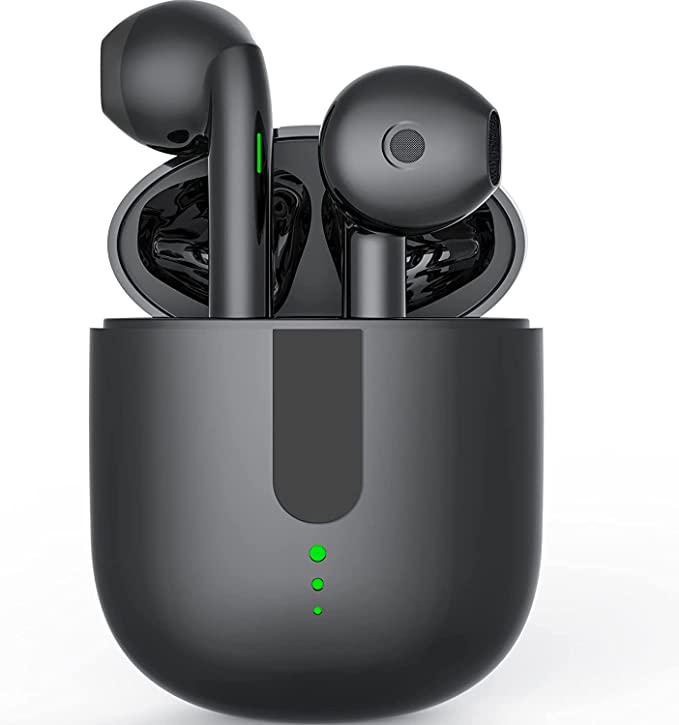
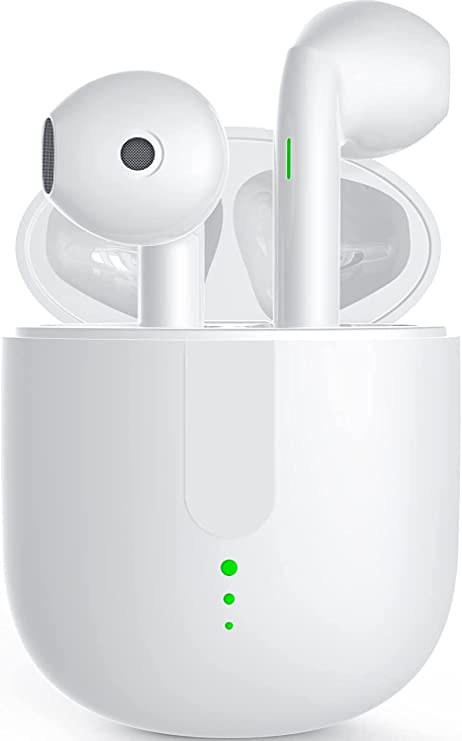
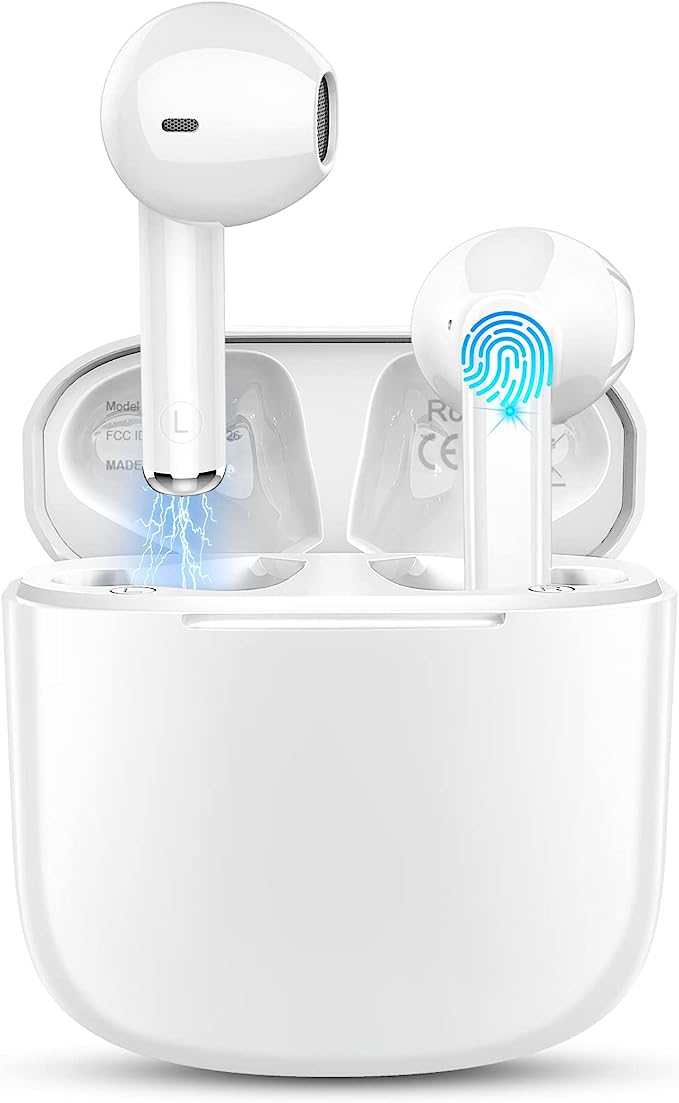
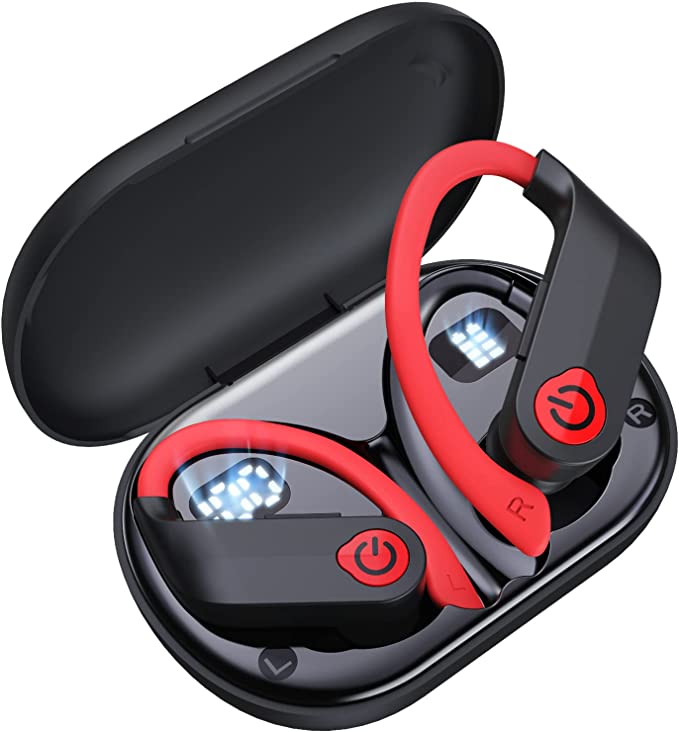
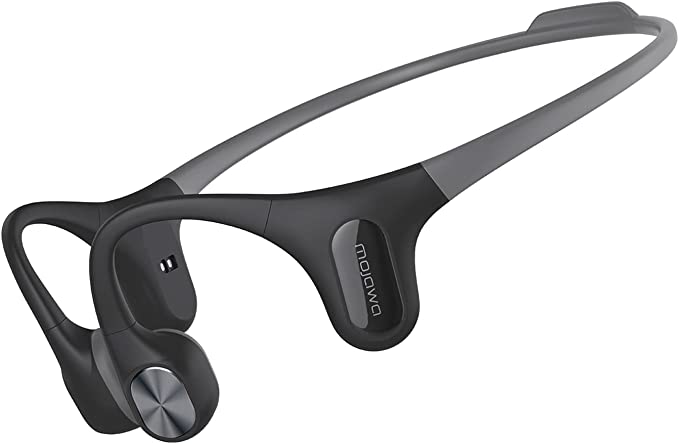
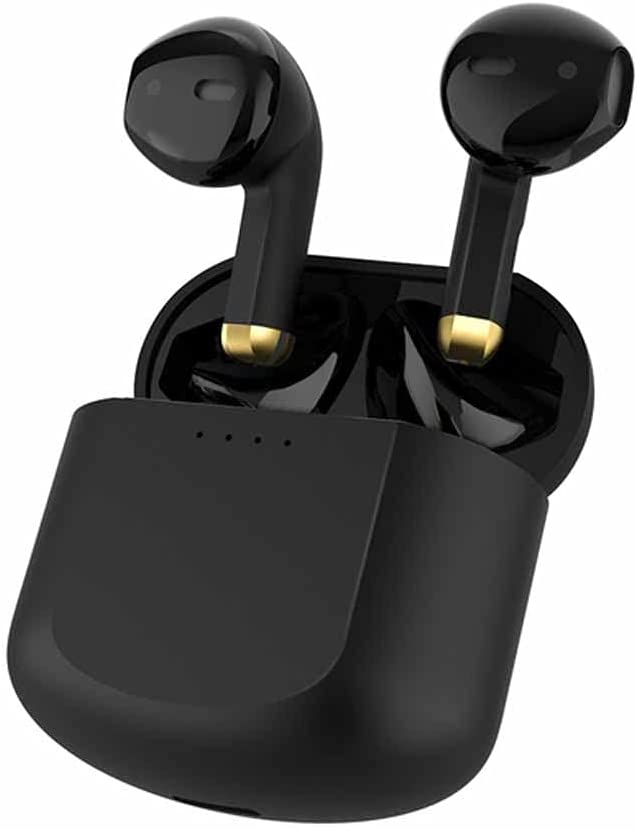
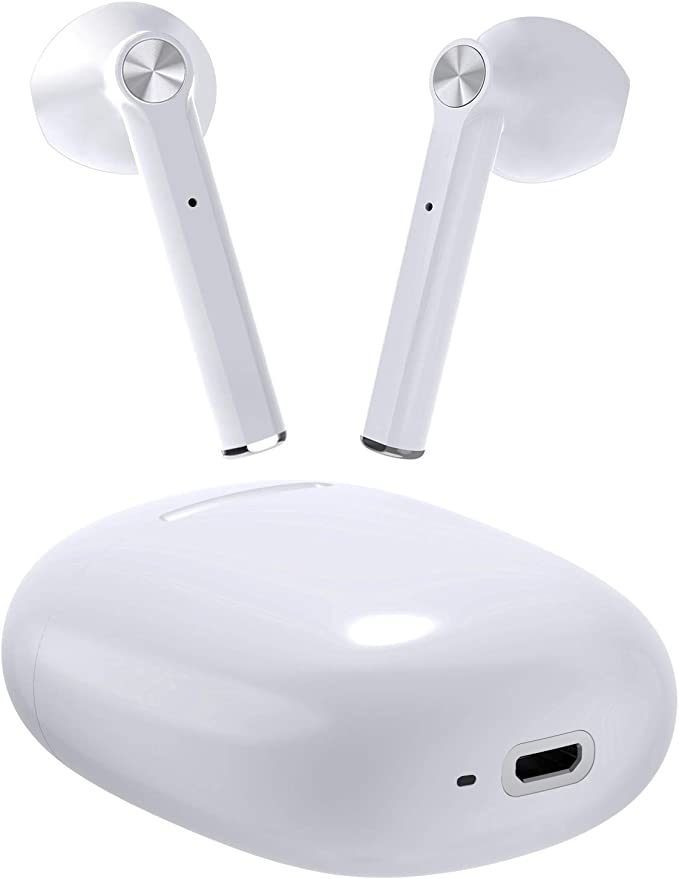
First, let’s clarify a major data contradiction. Many technical listings incorrectly classify this product’s “Form Factor” as “Over Ear.” This is wrong. The product images and description confirm this is a “semi in-ear” (or “half in-ear”) headphone, modeled after the classic Apple earbud “stick” design.
This is, by far, its most important feature, and it’s the key to its 4.8-star comfort rating.
Unlike traditional in-ear monitors that create a pressurized seal inside your ear canal, the semi-in-ear design rests gently at the entrance of the ear. * The Pro: For a large number of users, this is a game-changer for comfort. It eliminates the “plugged up” feeling, reduces ear fatigue, and avoids the pain that silicone tips can cause. As one user (“SM”) stated, their “Apple earbuds… after 2 minutes my ears giving me pain… So, I stopped using that and bought this product.” At just 3 grams per bud, they are ergonomically designed for all-day wear. * The Trade-Off: This design, by definition, has zero passive noise isolation. It is an open design. You will hear the world around you, and people nearby may hear your music. This is a deliberate choice: sacrificing isolation for comfort.

The “Big Driver” Compensation
Because this semi-in-ear design doesn’t seal, it naturally loses a significant amount of bass energy. To compensate, engineers have to use a much larger driver. The Renimer i50 uses a 14.2mm dynamic unit.
This large driver is engineered to move more air, pushing more low-frequency sound towards your ear to make up for what’s lost. The result, according to 1,792 reviews, is a sound that is “surprisingly good,” “clear,” and has a “nice punch to it.” One user (“Harrison”) even claimed they are “very close to on par with the old wired apple earbuds”—which, notably, use the exact same semi-in-ear, large-driver audio philosophy.

Decoding the Spec Sheet: What’s Real vs. Inflated?
This is where a critical eye is necessary. The i50’s spec sheet is a masterclass in “aspirational” marketing.
1. The “4 ENC Mic” Clarification (This is Real)
The spec sheet claims “4 ENC Mic” but also “Noise Control: None.” This is not a contradiction.
* ENC (Environmental Noise Cancellation) is for your microphones. It uses 4 mics to identify your voice and filter out background noise, so the person you’re calling can hear you clearly.
* ANC (Active Noise Cancellation) is for your ears. It silences the world around you.
The Renimer i50 has ENC for clearer calls, but no ANC for listening. This is a standard and valuable feature in this price range.
2. The “30ms Latency” Myth (This is Inflated)
The spec sheet boldly claims a 30-millisecond audio latency. For gaming or movies, this would be elite, professional-grade performance. However, real-world user testing tells a very different story.
* One detailed German review (“Markus”) reported: “Die Latenz bewegt sich zwischen 350 ms und 600 ms” (The latency is between 350ms and 600ms).
* He concluded: “Filme sind damit schon so weit weg von Lippensynchron, dass es auch dem Laien auffällt.” (Movies are so far from lip-sync that even a layperson would notice.)
* Analysis: The 30ms claim is almost certainly inflated or refers to a “best-case” lab test. The 350ms+ real-world report is a much more realistic trade-off for a $20 chipset. This product is not suitable for serious gaming or movie watching.

3. The “Commodity” Specs (These are Real and Great)
The good news is that other key specs are now “commoditized”—meaning they’ve become so cheap to manufacture that they’re standard, even at $20.
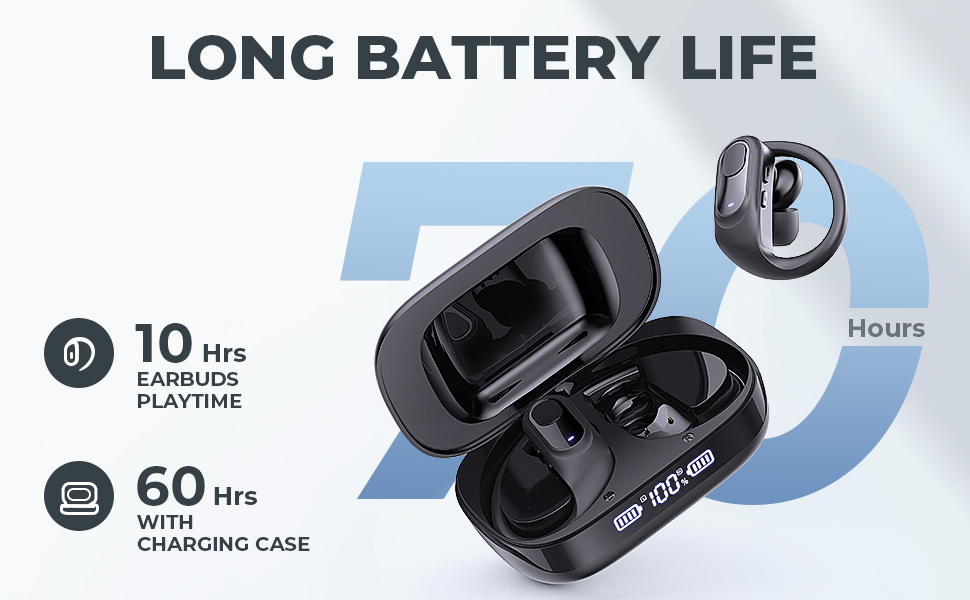
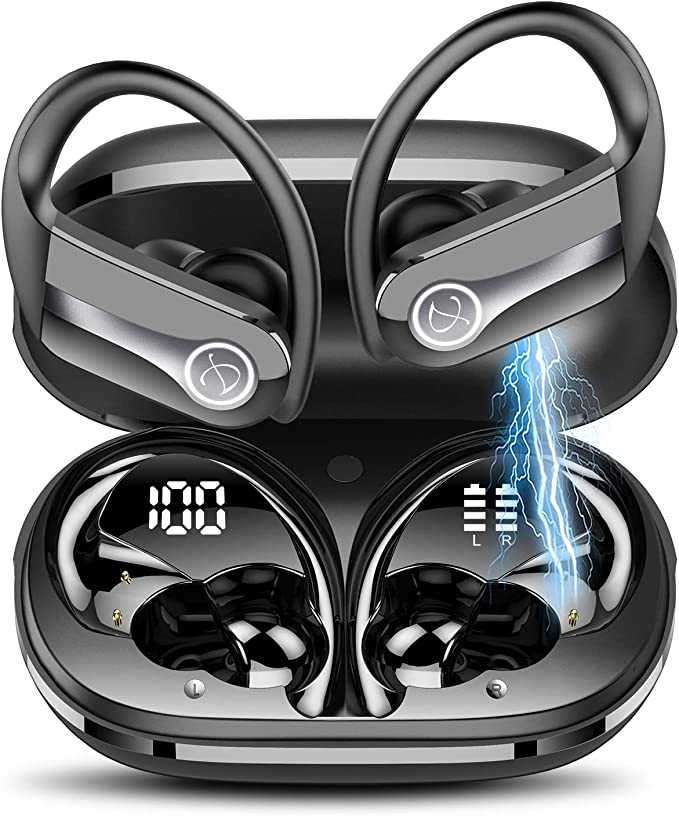
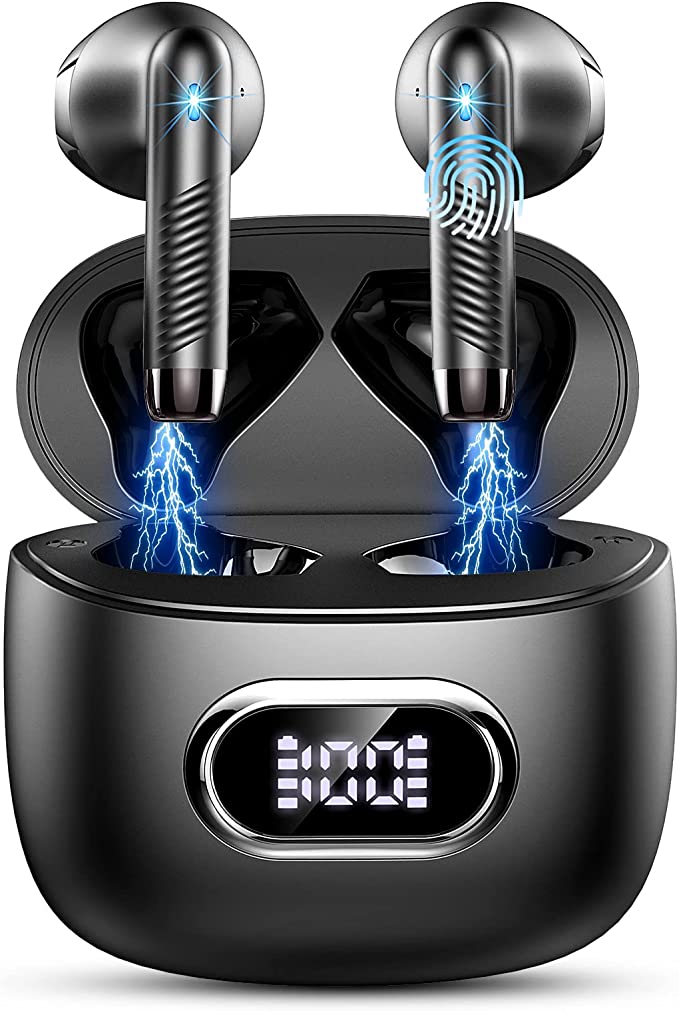
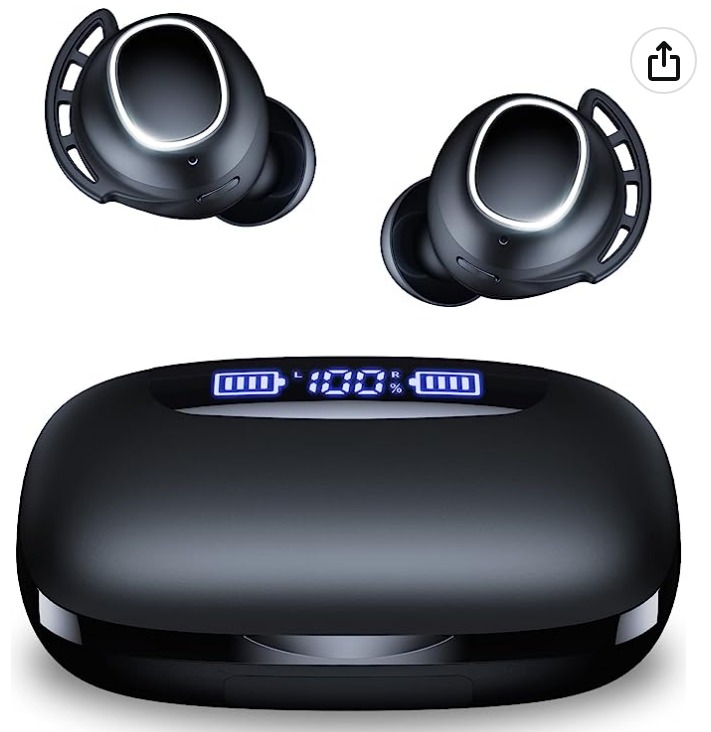
* 48-Hour Battery & LED Display: The 4.8-star user rating for battery life confirms the 5-8 hour earbud life and 48-hour total case life are largely accurate. The LED display is a low-cost feature that adds immense value, eliminating battery anxiety.
* IP7 Waterproofing: An IPX7 rating (protecting from sweat, rain, and brief immersion) is a manufacturing process that has become very affordable. This makes the i50 a genuinely robust and “worry-free” earbud for workouts (as long as you don’t swim).

Coda: A 4.5-Star Victory for Comfort
The Renimer i50 is a paradox. Its spec sheet is part truth, part fiction. Its triumph, validated by 1,792 users, is not in being a high-performance gaming earbud, but in being an absurdly comfortable and reliable daily driver for a $20 price.
It is the “best value product ever” not because its 30ms latency is real, but because its 4.8-star comfort and 4.8-star battery life are. It has correctly identified the real priorities of the budget-conscious, comfort-seeking user: make it light, make it last all week, make it not hurt, and make it cheap.
On those metrics, despite its inflated specs, the Reniimer i50 is an undisputed champion.