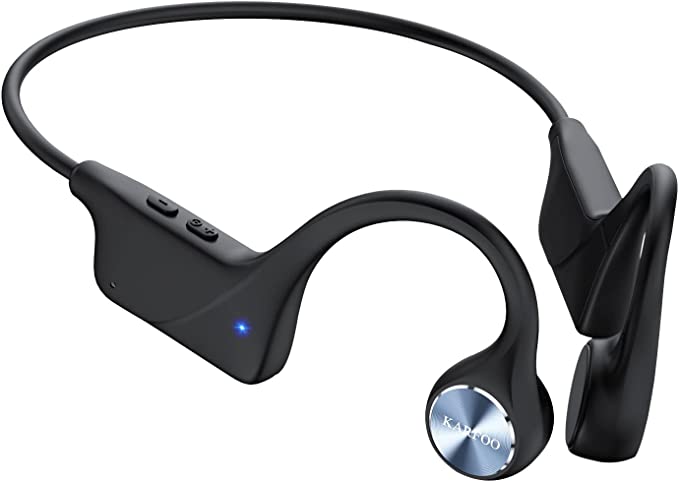
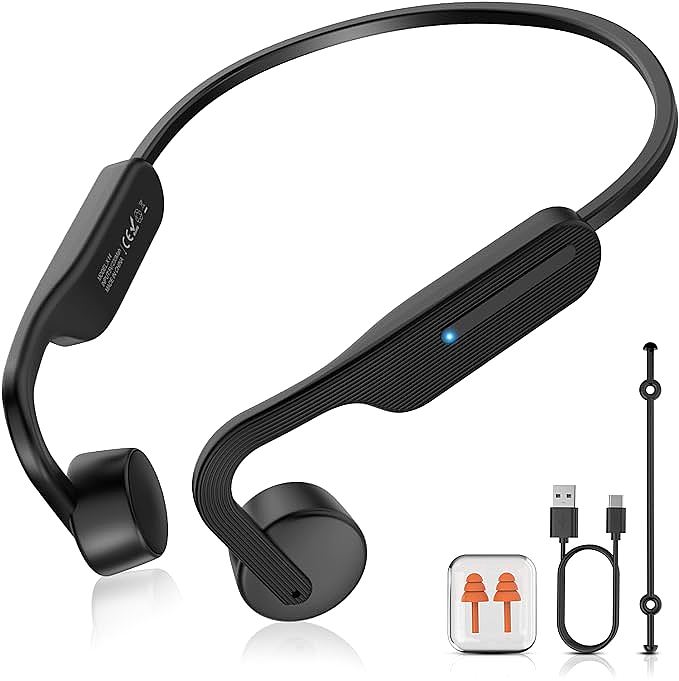
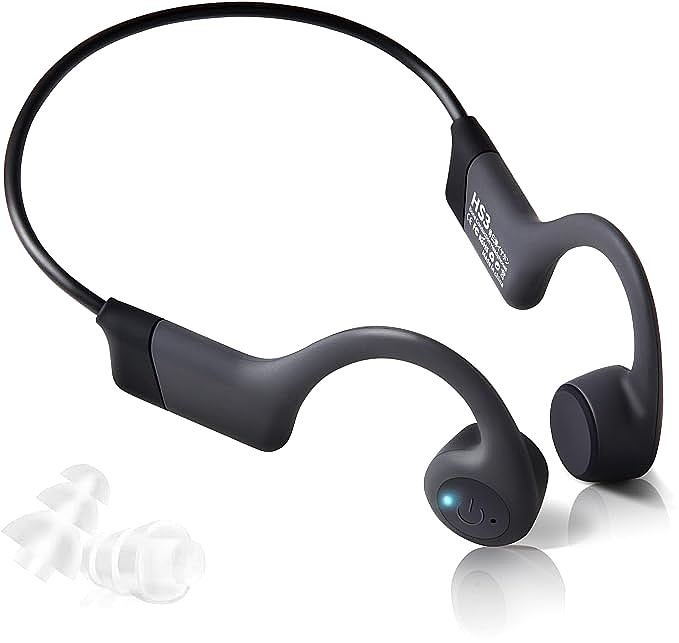
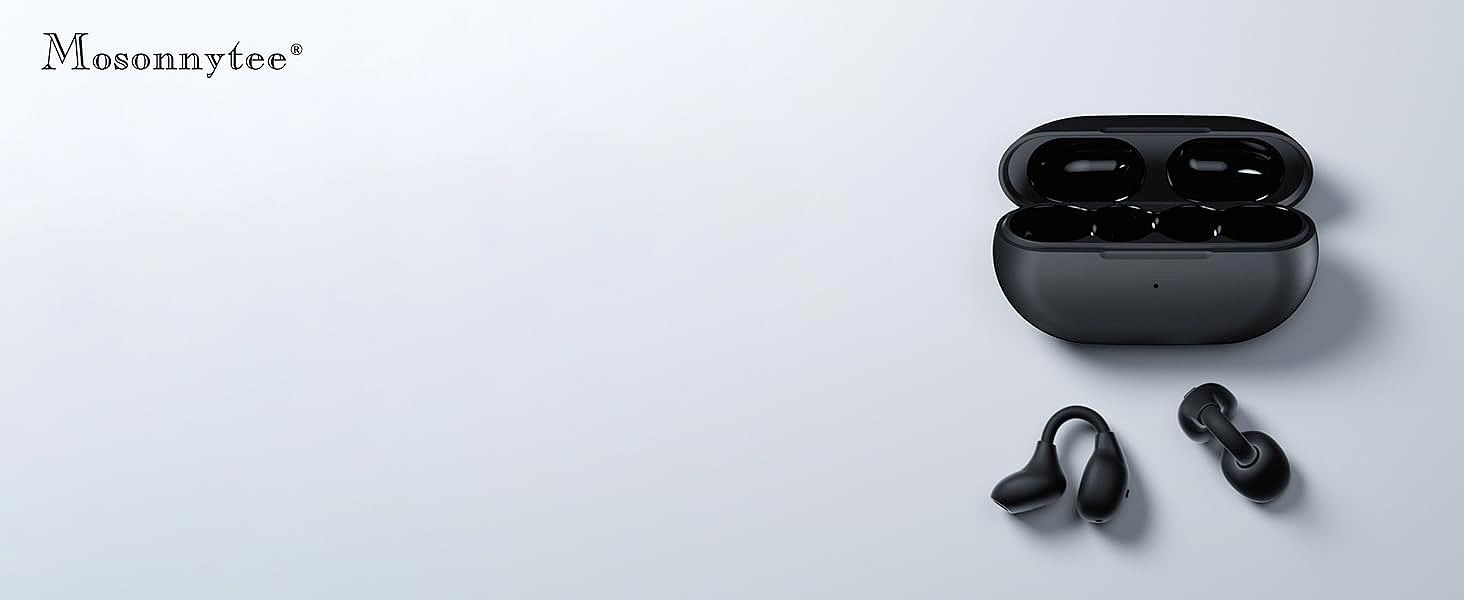
Mosonnytee MY14 Open Ear Wireless Headphones: The Wire-free Wonder for Worry-free Workouts
Update on July 1, 2025, 9:59 a.m.
It began with weight. In the early 20th century, to bring sound personally to one’s ears was a cumbersome affair. Imagine a device, often weighing several pounds, clamping a listener’s head with the firm grip of industrial necessity. It was a marvel, born in a Utah kitchen by Nathaniel Baldwin and adopted by the U.S. Navy, but it was anything but subtle. It isolated you, burdened you. This set technology on a century-long quest, a quiet, persistent search for an answer to a simple question: can we be left with just the sound, unburdened by the machine that delivers it?
This journey is not just one of miniaturization, but of profound breakthroughs in how we think about materials and acoustics. It’s a story that leads us directly to the elegant engineering of modern open-ear headphones, where devices like the Mosonnytee MY14 serve as a testament to how far we’ve come in making technology disappear.
The Foldable Metal That Remembers
Our first major leap forward comes not from an audio lab, but from a place dedicated to military hardware. In 1959, at the U.S. Naval Ordnance Laboratory, scientists working with a nickel-titanium alloy discovered something astonishing. A bent piece of this metal, when gently heated, would spring back to its original shape as if imbued with memory. They named it Nitinol, and this shape-memory alloy was a solution in search of a problem.
The secret lies at the atomic level. Nitinol can exist in two different crystal structures, a low-temperature phase (martensite) and a high-temperature phase (austenite). In its “soft” martensite phase, it can be easily bent and deformed. But apply a little heat—even just body heat—and its atoms rearrange themselves back into the rigid, pre-defined austenite structure. Think of it like a piece of paper you crumple, which then magically unfolds itself flat again. Even more useful for everyday applications is its superelasticity, an ability to withstand immense bending and flexing at room temperature without permanent damage.
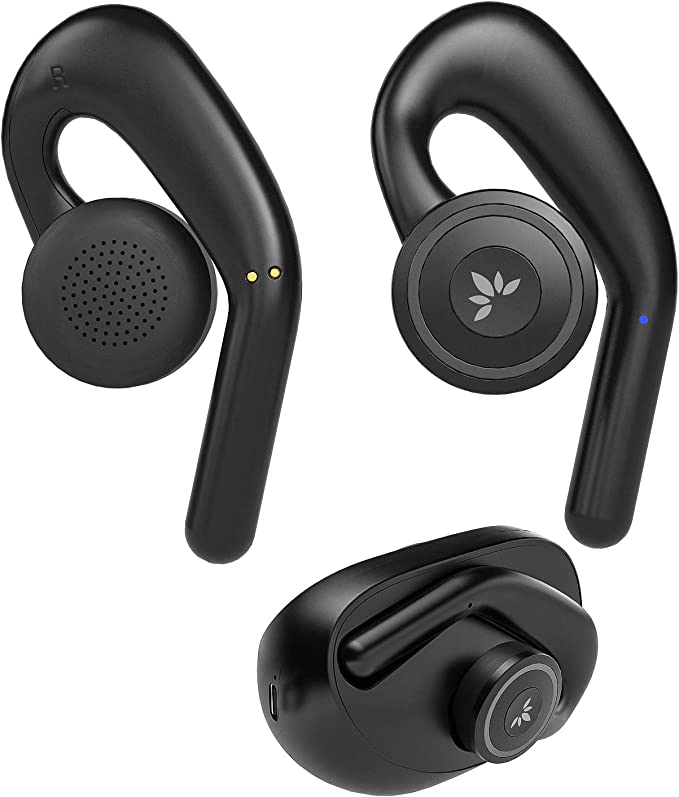
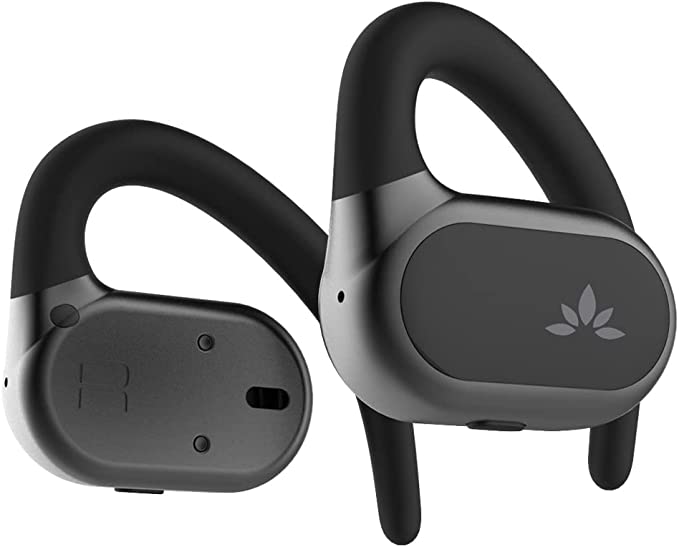
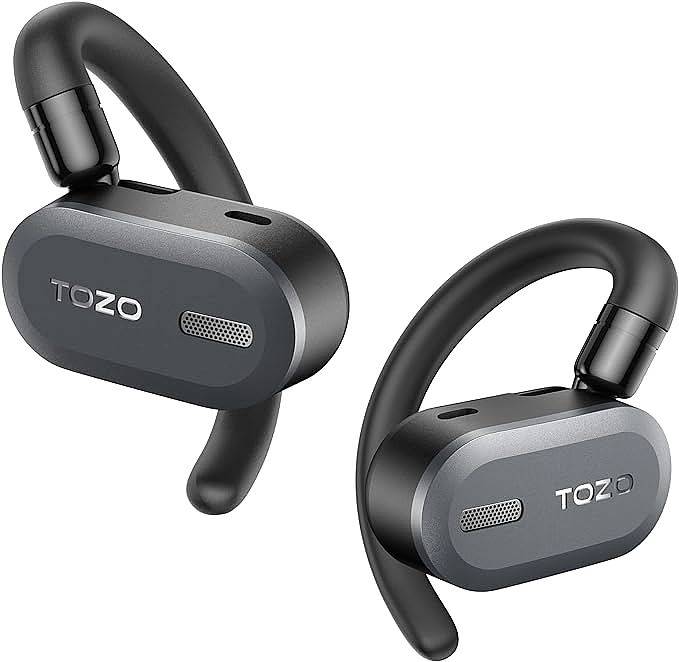
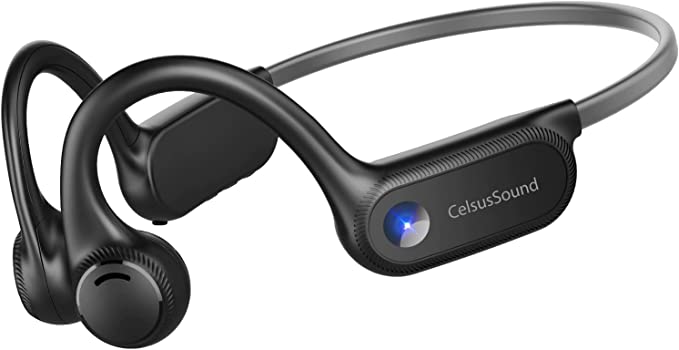
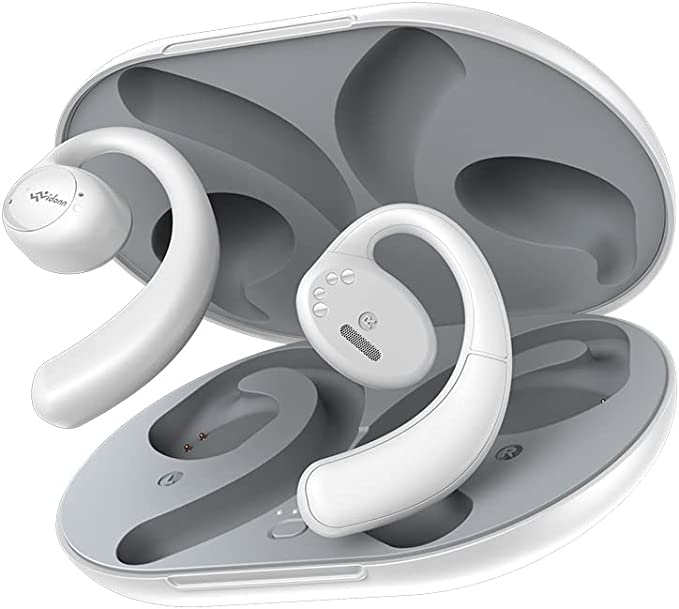
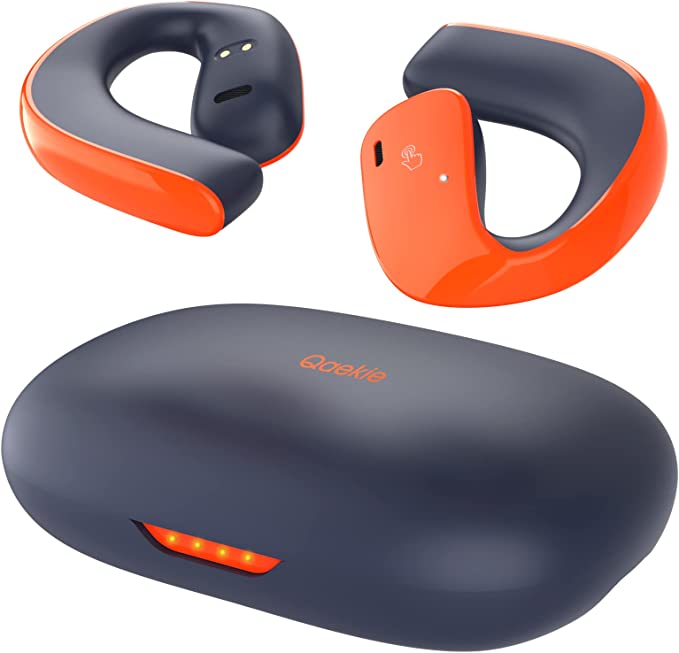
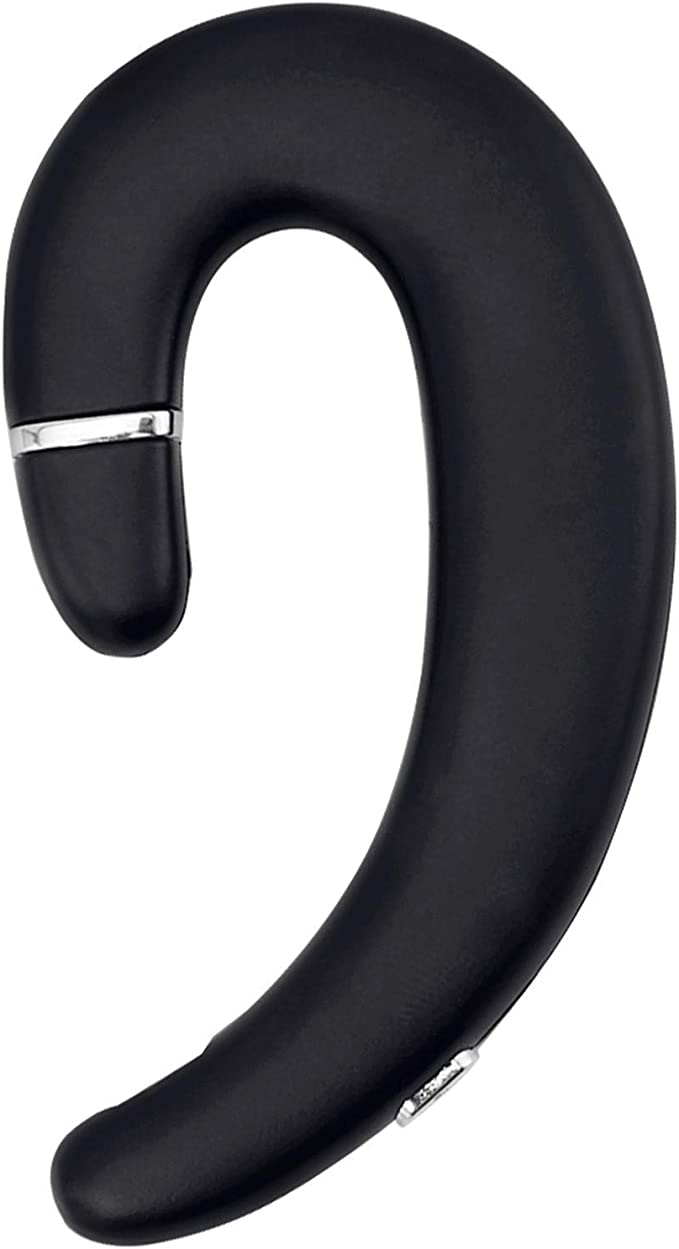
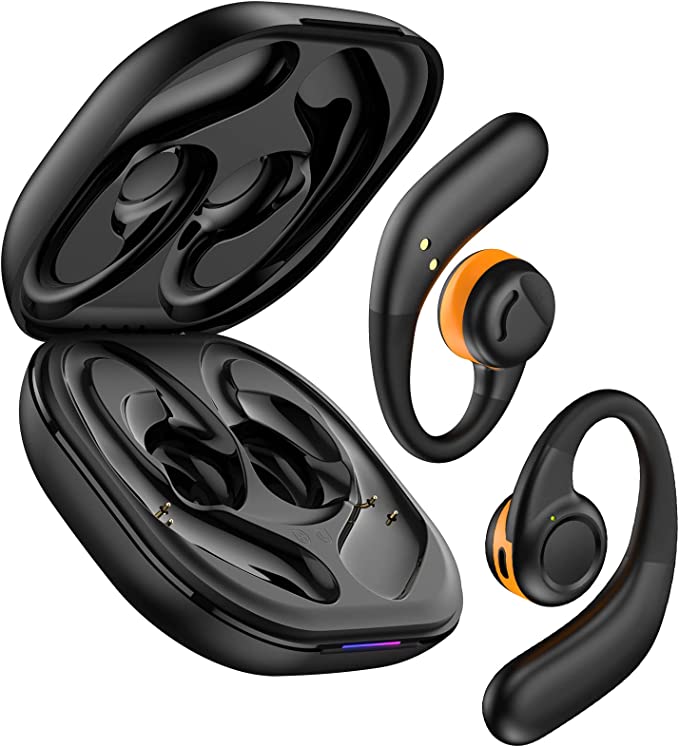
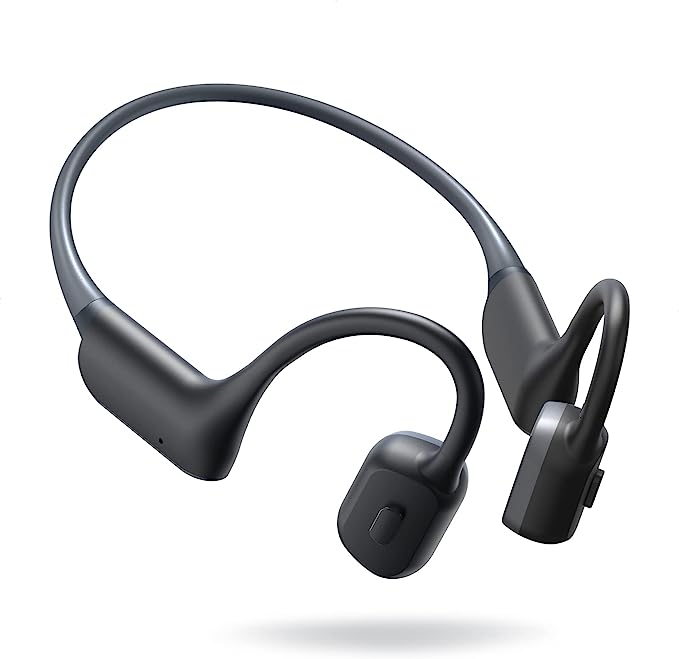
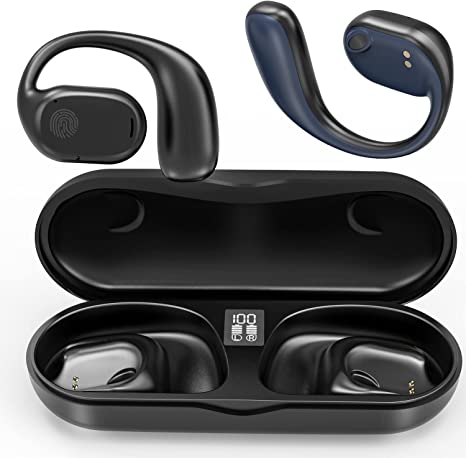
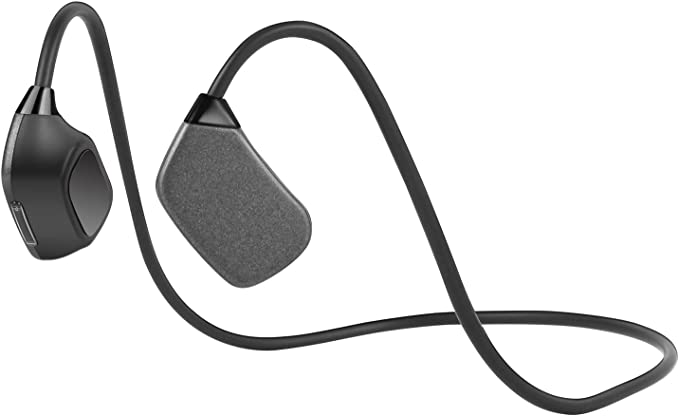
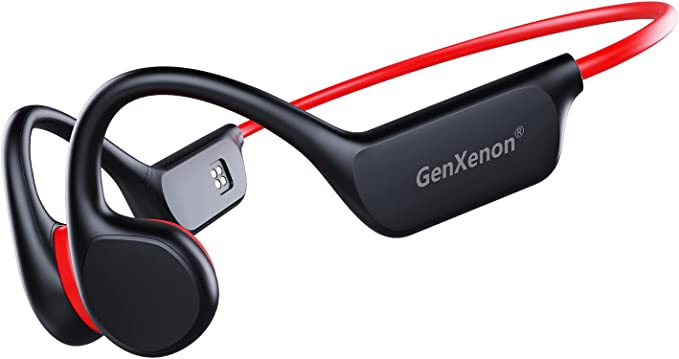
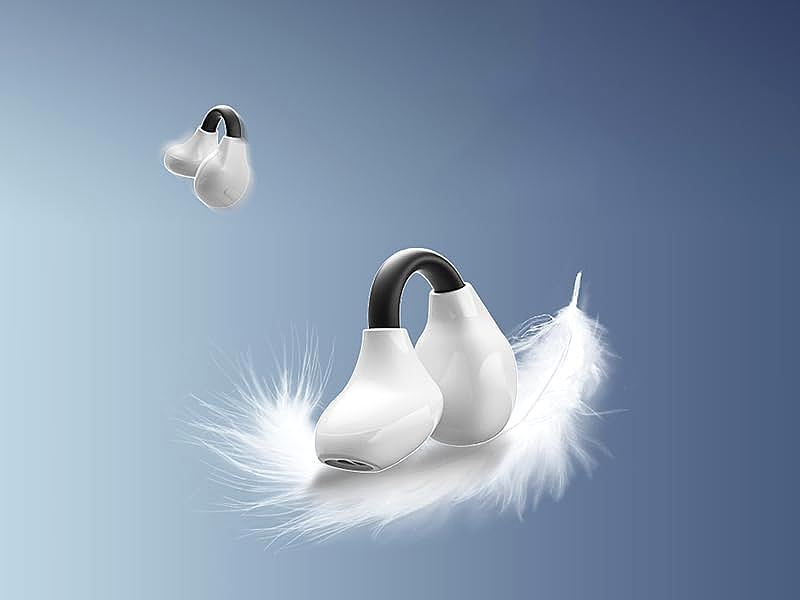
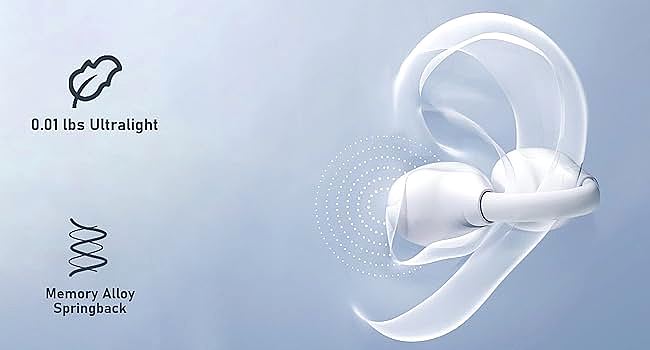
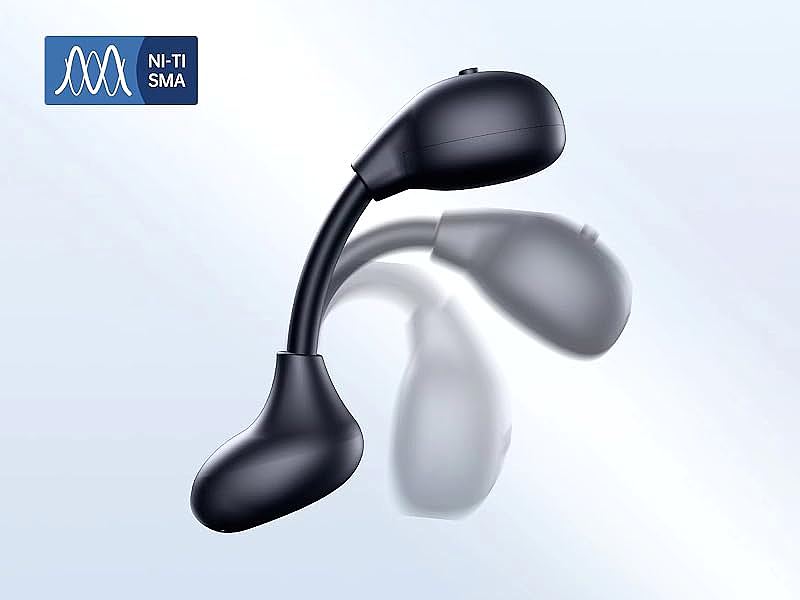
For decades, this “smart metal” was the stuff of satellites and medical implants. Today, this very principle is what allows the Mosonnytee MY14 to rest on your ear. The headphone’s clip, crafted from a memory titanium alloy, weighs a scant 0.01 pounds. It doesn’t need a forceful clamp or an invasive bud. Instead, it uses the alloy’s inherent elasticity to provide a gentle, persistent hug, conforming perfectly to the unique contours of any ear. It’s not just a piece of metal; it’s an active material, working silently to be both secure and imperceptible. This is the first step toward invisibility: removing the physical burden.
An Open Window for Your Ears
The second challenge was to remove the wall of silence. Traditional headphones operate on a principle of isolation. They create a sealed acoustic environment, a private concert hall where the outside world is muted. This is perfect for critical listening but can be disorienting and even dangerous in a dynamic environment.

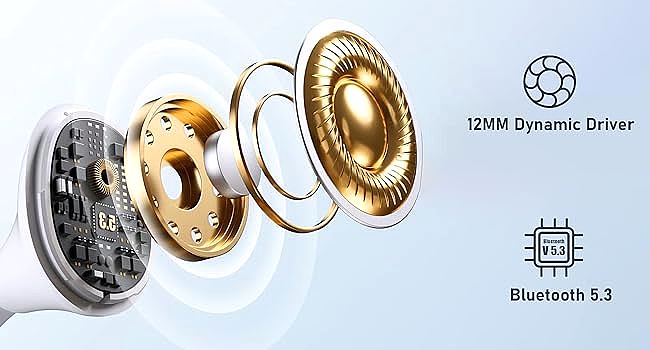
Open-ear headphones propose a radical alternative, a philosophy of “acoustic transparency.” The goal is not to build a wall, but to open a window. The MY14 accomplishes this by positioning its large, 12mm dynamic drivers just outside the ear canal, directing sound waves towards it without physically plugging it. A dynamic driver, a technology whose lineage traces back to the first telephone earpieces, works like a miniature piston, vibrating a diaphragm to move air and create sound. A larger 12mm diaphragm can move more air, which is crucial for delivering a rich, full-bodied sound with tangible bass, especially in an open design where bass frequencies can easily dissipate.
The experience is fundamentally different. It’s the acoustic equivalent of listening to a high-quality sound system in a room with a window wide open. You hear your music or podcast with clarity, but you also hear the approaching cyclist, the colleague’s question, the chirping of birds. This blend is not a compromise; it is the intended feature. It provides crucial situational awareness, a form of passive safety that is invaluable for runners, commuters, or parents who need to stay connected to their surroundings. It solves the paradox of wanting to be in two worlds at once.
The Invisible Guardians
For this delicate balance of comfort and awareness to function in the real world, it needs a support system of robust, invisible engineering. Two international standards are key here.
The first is the IP67 rating. This isn’t a marketing slogan but a certification defined by the International Electrotechnical Commission’s standard 60529. The “6” signifies that the device is completely dust-tight, impervious to the fine particles of a trail or workshop. The “7” certifies that it can be submerged in up to one meter of fresh water for 30 minutes without harm. This invisible shield means that sweat, a sudden downpour, or an accidental drop are not a threat.

The second is Bluetooth 5.3. Again, this is more than just a version number. The standard, governed by the Bluetooth Special Interest Group (SIG), brings significant gains in efficiency. It incorporates protocols like LE Audio and the LC3 codec, which allow for high-quality audio transmission while consuming remarkably little power. This efficiency is precisely why a device with such a minuscule battery can operate for a claimed 7 hours on a single charge. It’s the silent, diligent workhorse ensuring the connection is stable and the music keeps playing, without demanding constant attention for a recharge.

The Technology That Disappears
The journey that began with a heavy, head-clamping apparatus has led to this: a wisp of a device that delivers sound and then gets out of the way. The Mosonnytee MY14 is a beautiful convergence of disparate scientific paths—a Cold War-era smart material, a century-old acoustic principle, and the cutting edge of wireless efficiency.
Each element works in concert to achieve the ultimate goal of high-end technology: to perform its function so flawlessly that it fades into the background, becoming an extension of our own senses. It’s not about the gadget itself, but the experience it enables. We are finally left with what we wanted all along: just the sound, unburdened, and a clear, unobstructed connection to the world we inhabit.