Smart PPE: Decoding NRR, OSHA Compliance, and the Physics of Noise Isolation
Update on Nov. 23, 2025, 3:52 p.m.
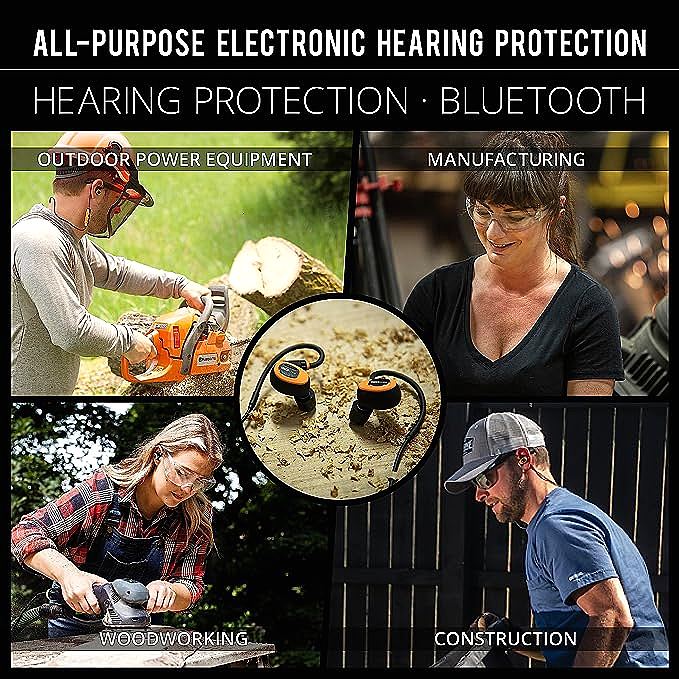
In the hierarchy of sensory preservation, hearing often takes a backseat to vision. We instinctively reach for safety glasses before powering up a table saw, yet we frequently neglect our ears, or worse, substitute proper protection with standard consumer earbuds. This is a dangerous miscalculation. The modern job site—whether a professional construction zone or a home garage—demands a fusion of Personal Protective Equipment (PPE) and communication technology.
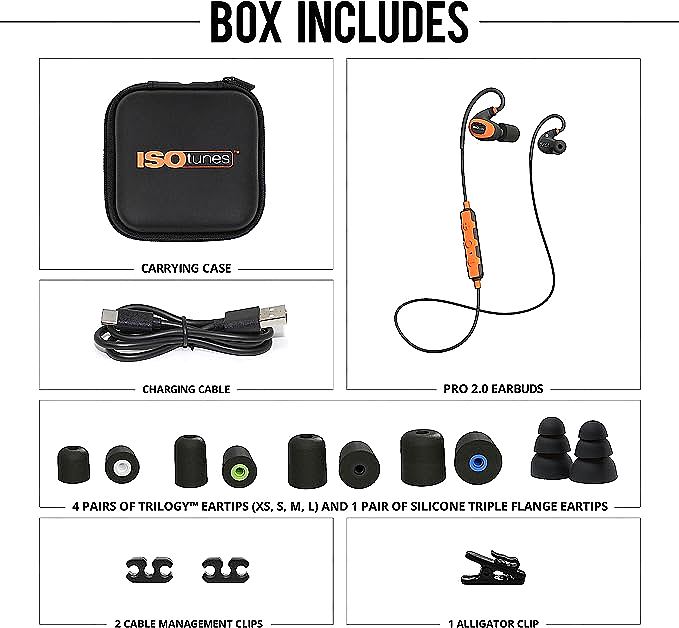
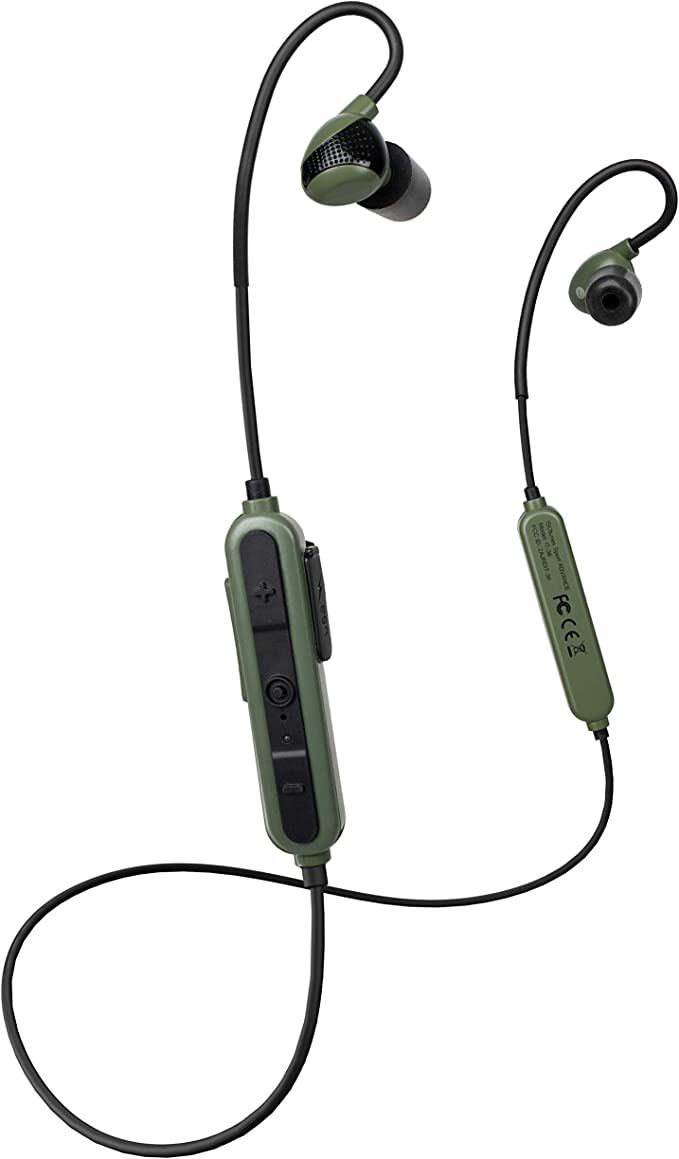
The emergence of devices like the ISOtunes PRO 2.0 represents a shift from “blocking sound” to “managing sound.” However, to truly utilize such tools, one must understand the rigorous science of acoustics and the regulatory frameworks that define “safety.”
The NRR Equation: Why “Noise Cancelling” Isn’t Enough
A pervasive myth in the audio world is that Active Noise Cancellation (ANC)—the tech found in high-end consumer headphones—is synonymous with hearing protection. In an industrial context, this misconception can lead to permanent hearing damage.
Active Noise Cancellation (ANC) works by using microphones to listen to ambient noise and generating an inverse sound wave to cancel it out. This is effective for low-frequency, steady drones like airplane engines. However, ANC struggles with:
1. High-Frequency Noise: The screech of a circular saw or the whine of a router.
2. Impulse Noise: The sudden crack of a nail gun or a hammer strike. ANC processors often cannot react fast enough to cancel these dangerous spikes.
Passive Noise Isolation, the principle behind the ISOtunes PRO 2.0, relies on physics, not electronics. It uses a physical barrier to block sound waves from entering the ear canal. This is quantified by the Noise Reduction Rating (NRR).
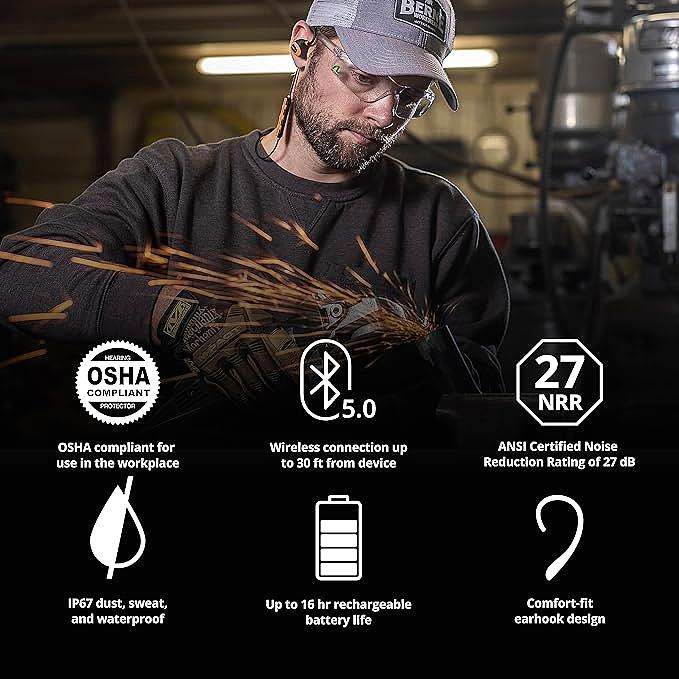
* The Metric: The ISOtunes PRO 2.0 carries an ANSI-certified NRR of 27 dB. This means that in a controlled environment, the device reduces the noise level reaching the eardrum by significantly mitigating acoustic energy.
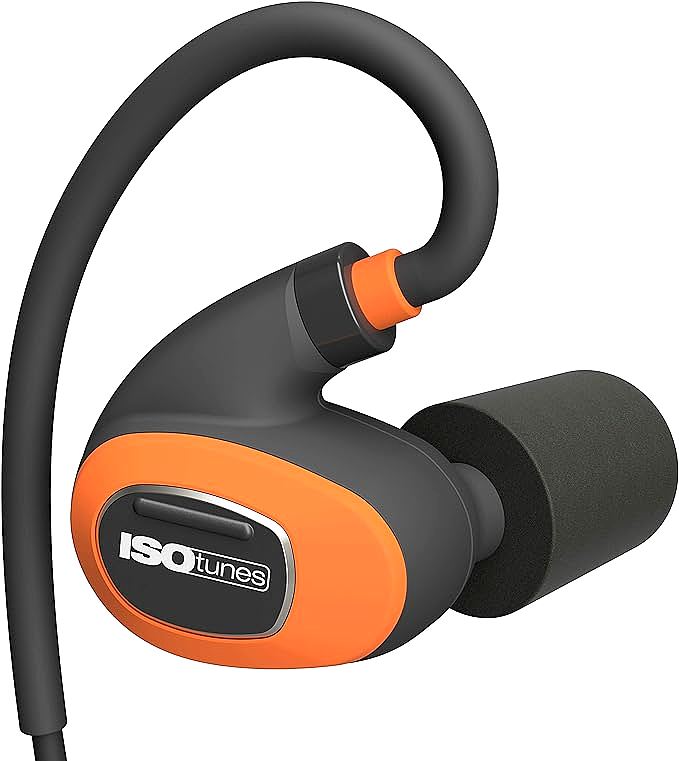
* The Mechanism: This is achieved through heat-activated memory foam eartips. Unlike silicone tips that merely sit in the ear, memory foam compresses and then expands to fill the unique contours of the ear canal
, creating an airtight seal. This seal is the only reliable defense against the full spectrum of industrial noise.
OSHA Compliance and the 85 dB Threshold
Hearing loss is insidious because it is painless and gradual. The Occupational Safety and Health Administration (OSHA) sets strict limits on noise exposure. But simply wearing earplugs isn’t enough if you are pumping music into your ears at 110 dB to drown out the machinery. This defeats the purpose of protection.
This is where SafeMax™ Technology integrates biology with engineering. The circuitry inside the ISOtunes PRO 2.0 includes a hard limiter that caps audio playback volume at 85 dB. * Why 85 dB? According to NIOSH (National Institute for Occupational Safety and Health), exposure to noise levels above 85 dB for eight hours can cause hearing damage. By capping the output, the device ensures that even if a worker inadvertently cranks the volume to the maximum, they remain within the safe exposure zone. This feature is the key differentiator that transforms a set of headphones into OSHA-compliant PPE.
Durability Engineering: Decoding IP67
In a workshop, equipment is subjected to “particulate assault” and moisture. Standard consumer electronics are rated IPX4 (splash proof), which is insufficient for environments filled with sawdust, drywall dust, or metal shavings.
The ISOtunes PRO 2.0 is engineered to an IP67 standard. * The ‘6’ (Dust Tight): This is the highest possible rating for solid ingress. It means the internal drivers and battery components are vacuum-sealed against dust. Fine micro-particles like drywall dust, which can destroy the diaphragm of a standard speaker, cannot penetrate the casing. * The ‘7’ (Water Immersion): This indicates the unit can survive submersion in 1 meter of water for 30 minutes. While you likely won’t be swimming on the job site, this protects against heavy perspiration—a notorious killer of electronics—and allows the unit to be rinsed off under a tap at the end of a gritty workday.
Connectivity as a Safety Feature
Historically, wearing earplugs meant isolation—not just from noise, but from communication. In a dynamic work environment, the inability to hear a coworker or answer a phone call can be a safety hazard in itself.
Integrating Bluetooth 5.0 and aptX technology into PPE solves this paradox. * Signal Stability: Bluetooth 5.0 offers robust connectivity up to 30+ feet. This allows a worker to leave their phone safely in a toolbox or away from dangerous machinery while maintaining a connection. * Vocal Clarity: The inclusion of a noise-suppressing microphone with echo cancellation is crucial. It isolates the user’s voice from the background “steady state” noise (like a mower or generator), allowing for clear communication without requiring the user to remove their hearing protection—an action that would immediately expose them to harmful decibels.
Conclusion: The Era of Intelligent Protection
The distinction between “listening to music” and “protecting your hearing” has blurred. Devices like the ISOtunes PRO 2.0 demonstrate that high-fidelity audio and rigorous safety standards are not mutually exclusive. By prioritizing Passive Noise Isolation over marketing-friendly ANC, and adhering to OSHA-compliant volume limits, these tools respect the physics of sound and the biology of the human ear.
For the professional and the enthusiast alike, understanding these specifications—NRR, IP ratings, and decibel limits—is the first step in selecting gear that ensures the sounds you love today don’t cost you your hearing tomorrow.