The Unsealed Ear: A History and Science of Open-Ear Audio
Update on March 8, 2026, 11:14 p.m.
The human ear has changed very little over the past 50,000 years. Its funnel-like outer structure, the delicate chain of bones behind the eardrum, the fluid-filled cochlea—all evolved to capture sound waves traveling through air. Yet for much of the past century, personal audio technology has worked against this evolutionary design, sealing the ear canal and creating an artificial acoustic chamber.
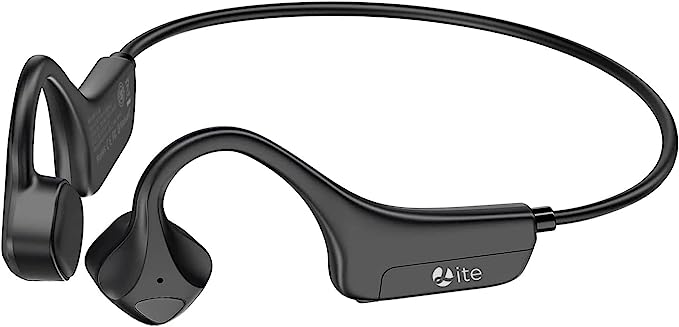
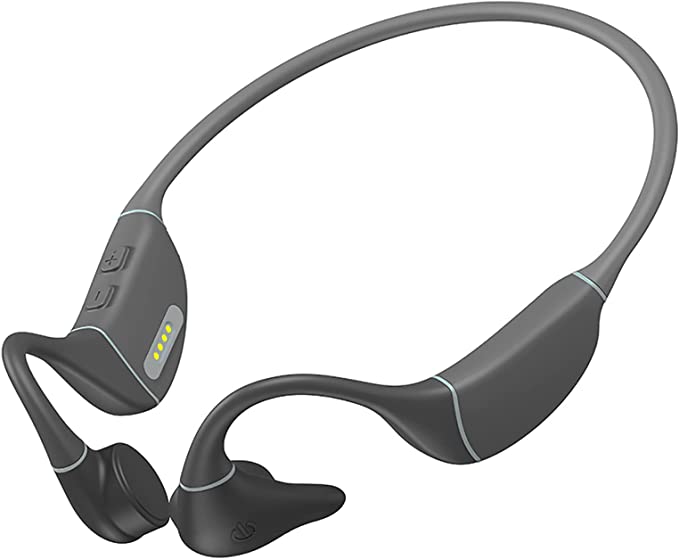
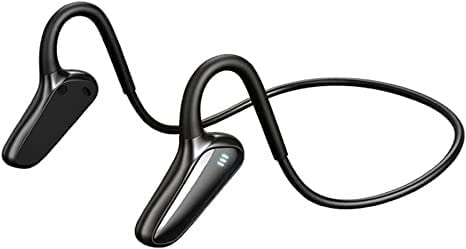
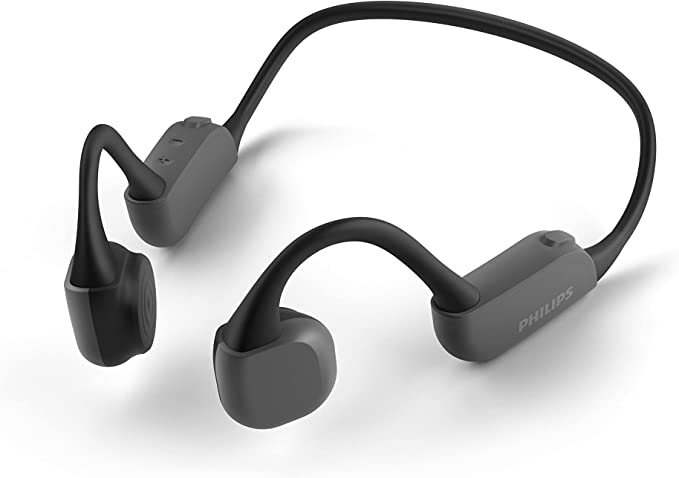
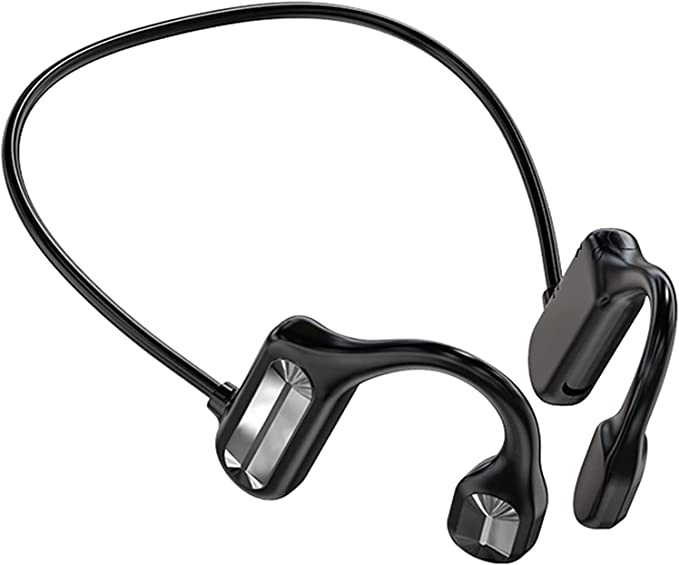
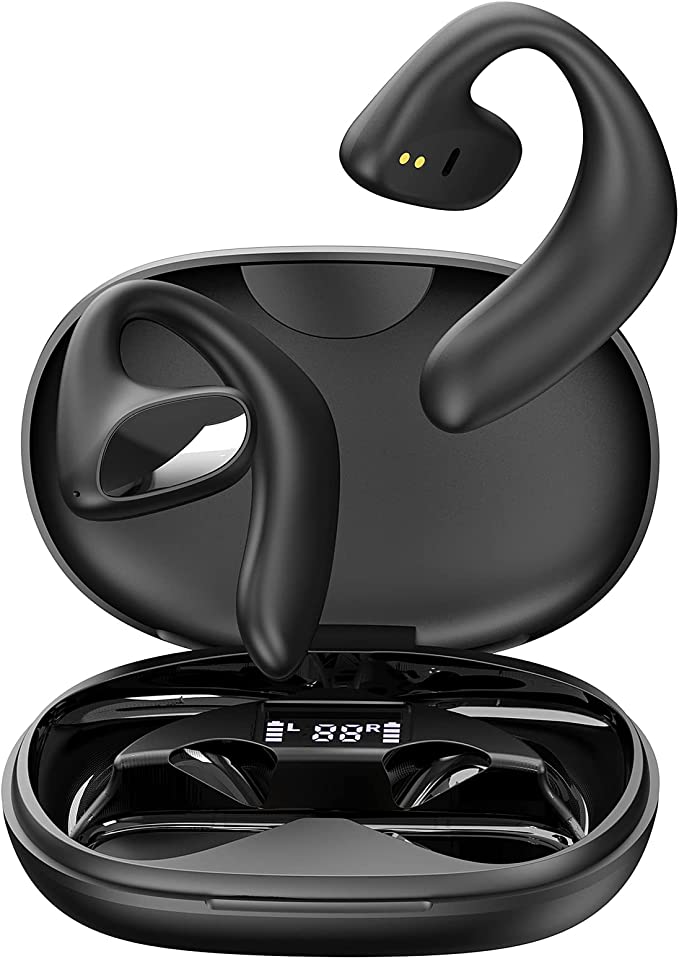
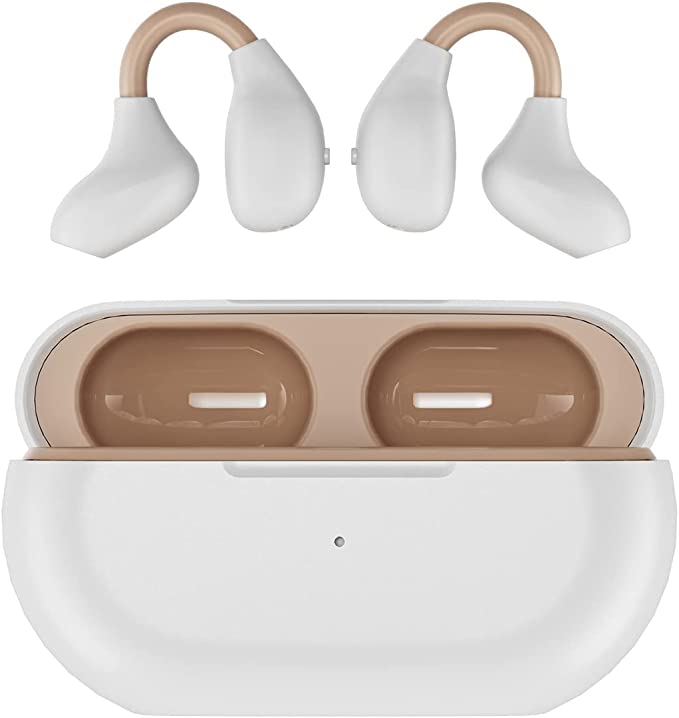
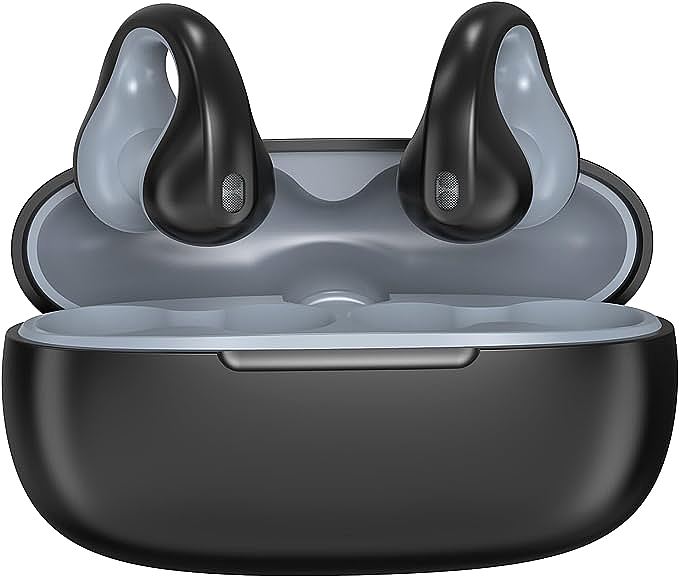
Open-ear headphones represent a return to natural hearing. Rather than fighting the ear’s anatomy, they work with it. Sound travels through air, as nature intended, while the ear canal remains unobstructed—free to receive both music and the ambient cues of the world.
This isn’t merely a design preference. It’s a fundamentally different philosophy about the relationship between technology and human perception.

The Anatomy of Natural Hearing
Understanding open-ear audio requires understanding what the ear actually does.
The Ear’s Evolutionary Architecture
The outer ear—the visible cartilage structure called the pinna—didn’t evolve for aesthetics. Its curves and ridges act as an acoustic antenna, collecting sound waves and directing them inward. The asymmetry of these folds helps the brain determine whether sounds come from above or below, front or back.
Sound enters the ear canal and strikes the tympanic membrane (eardrum), causing it to vibrate. These vibrations pass through three ossicles—the malleus, incus, and stapes—which amplify the signal before it reaches the cochlea. Inside this snail-shaped organ, hair cells convert mechanical motion into electrical impulses that the auditory nerve carries to the brain.
This entire pathway—air to eardrum to bone to fluid to nerve—is what scientists call air conduction. It’s the primary route for human hearing, refined over millions of years to detect everything from a predator’s footstep to an infant’s cry.
The Alternative Pathway
There’s a second route: bone conduction. Vibrations traveling through the skull can bypass the outer and middle ear entirely, reaching the cochlea directly. Your own voice reaches you through both pathways simultaneously, which is why recordings sound unfamiliar—hearing only the air-conducted component, missing the bone-conducted resonance you’ve known since birth.
Bone conduction was first documented scientifically in the 16th century. By the 19th century, inventors were experimenting with practical applications. But for most of history, both pathways served the same purpose: survival. Hearing wasn’t about entertainment. It was about detecting threat, locating prey, maintaining social bonds.
A Century of Sealed Listening
The history of headphones is, paradoxically, a history of isolation.
From Telegraphy to Stereophones
The first devices we’d recognize as headphones emerged in the early 1900s, developed by Nathaniel Baldwin for telegraph operators. They clamped over the ears, heavy and uncomfortable, but functional. By the 1930s, Beyerdynamic introduced the DT-48, the first dynamic stereo headphones—still over-ear, still isolating.
The real transformation came in 1979 with the Sony Walkman. Suddenly, music wasn’t confined to living rooms or concert halls. It traveled with you—through commutes, workouts, walks in the park. But the Walkman’s foam-padded earbuds created a seal, separating listener from environment.
For decades, this trade-off seemed inevitable. Better sound required isolation. Safety and awareness meant sacrificing audio quality.
The Open-Back Rebellion
Some engineers resisted. In 1959, Sennheiser introduced the HD 1, an “open-back” design that allowed air—and sound—to pass through the earcup. Audiophiles embraced open-back headphones for their natural soundstage. Musicians used them in studios to hear both their performance and the room.
But open-back headphones were still over-ear, still bulky. They couldn’t travel. The category remained niche, confined to critical listening environments.
The question persisted: Could portable audio be both high-quality and environmentally aware?

The Psychology of Auditory Awareness
The answer matters more than convenience. It touches on how humans process information and navigate risk.
Attention and the Orienting Response
When a sudden sound occurs—a car horn, a shout, a crash—your brain triggers what psychologists call the orienting response. Within 50-100 milliseconds, attention shifts toward the stimulus. Your head turns. Pupils dilate. Heart rate changes. You’re assessing threat before conscious thought engages.
This isn’t learned behavior. It’s hardwired. Studies in cognitive neuroscience show that auditory stimuli activate the amygdala—the brain’s threat detection center—faster than visual stimuli in certain contexts. A sound behind you can trigger the orienting response before you’ve consciously registered what you heard.
Sealed headphones interrupt this chain. They don’t just reduce volume; they mask the acoustic signatures that trigger vigilance. A cyclist with sealed earbuds might not hear a car approaching from behind. A runner might miss the warning shout from another trail user.
The Research on Auditory Isolation
Research supports this concern. A 2012 study published in Accident Analysis & Prevention examined pedestrian behavior and found that dividing auditory attention—through phone calls or music—increased collision risk by 37%. Participants took longer to notice approaching vehicles and made riskier crossing decisions.
The National Highway Traffic Safety Administration has documented a rise in pedestrian accidents involving headphone use, particularly among younger demographics. While causation is complex, “auditory isolation” appears as a contributing factor.
Open-ear designs preserve the auditory channel. Music plays, but the brain still receives environmental cues. The orienting response remains intact.
The Engineering Challenge: Open Without Losing Everything
Designing open-ear audio isn’t simply removing the earbud tip. It requires rethinking acoustics from first principles.
The Physics of Bass
Bass frequencies—low-end sounds below 250 Hz—require pressure. In sealed in-ear designs, the driver presses against trapped air, creating the pressure variations your cochlea interprets as bass. Remove the seal, and that pressure escapes. The bass “leaks” before reaching the eardrum at full intensity.
This is physics, not engineering quality. An open design cannot produce the same sub-bass impact as a sealed one, regardless of driver size or amplifier power.
The Codec Compensation
If bass is compromised, what remains? Midrange and high frequencies—vocals, strings, cymbals—travel more efficiently through unsealed air. But Bluetooth compression can degrade even these frequencies if the wrong codec is used.
Enter aptX, a codec developed by Qualcomm in the 1980s and refined for Bluetooth audio in the 2000s. Standard Bluetooth uses SBC (Subband Codec), which discards audio data to reduce file size. aptX uses more sophisticated algorithms, preserving detail that SBC loses.
For open-ear designs specifically, aptX matters because there’s no margin for compression loss. The acoustic design already sacrifices bass; the transmission shouldn’t sacrifice clarity. When both the source device and earbuds support aptX, the result approaches wired quality within the design’s physical limits.
The Mechanical Problem: Staying Put
Sealed earbuds stay in place through friction—the silicone or foam tip wedges into the ear canal. Open-ear designs can’t use this trick. They need an alternative anchoring method.
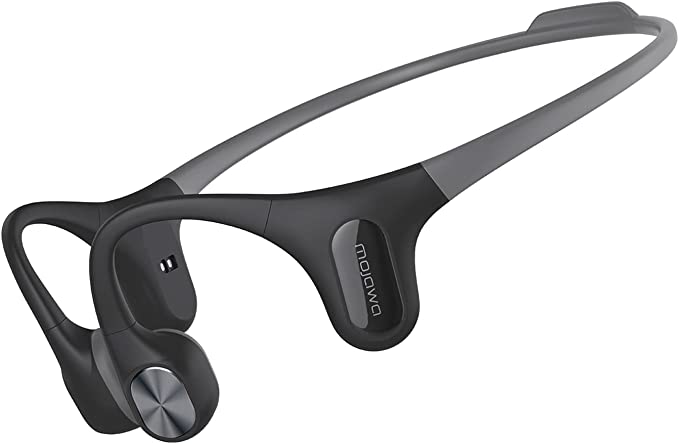
Most use a clip mechanism: a flexible hook that rests behind or over the ear, positioning the driver near the canal opening. The challenge is balancing grip pressure against comfort. Too loose, and the earbud falls during movement. Too tight, and pressure points develop behind the ear—especially problematic for glasses wearers whose temples already occupy that space.
Weight distribution matters. Typical open-ear earbuds target 10-15 grams per side. Heavier designs fatigue the ear; lighter ones may feel insubstantial or shift position unpredictably.
When Open Makes Sense: The Use Case Matrix
No headphone design excels universally. Open-ear is a tool for specific contexts, not a replacement for all other categories.
The Awareness Scenarios
Open-ear designs serve users who need environmental input:
- Cyclists and runners navigating traffic or trails
- Parents monitoring children while listening
- Office workers remaining available to colleagues
- Security personnel maintaining situational awareness
- Pedestrians in urban environments
In each case, the primary activity requires auditory input beyond music. Sealed listening would create risk or social friction.
The Comfort Scenarios
Some users choose open-ear for ergonomic reasons:
- Ear canal sensitivity or pain from inserted tips
- Skin conditions exacerbated by trapped moisture
- Extended wear where insertion fatigue accumulates
- Heat management during exercise
The absence of direct canal pressure reduces listening fatigue for these users, even if absolute sound quality is lower.
Where Open Falls Short
Equally important: knowing when not to use open-ear designs.
Noisy environments create an unwinnable competition. On an airplane (85 dB cabin noise) or busy gym (80+ dB), users instinctively raise volume to overcome ambient sound. This drains battery, introduces distortion, and still won’t match the isolation of sealed designs.
Audiophile expectations require different tools. If your priority is maximum fidelity—deep sub-bass extension, precise soundstage imaging, zero distortion at reference volumes—sealed in-ear monitors or over-ear headphones will outperform. This isn’t a criticism of open-ear technology. It’s matching the tool to the goal.
Privacy needs conflict with open design. Sound leakage means nearby listeners may hear your content at moderate-to-high volumes. In quiet offices, libraries, or shared beds, sealed designs or speakers on low volume are more appropriate.
The Standards That Matter: IP Ratings and Battery Metrics
For active users, two specifications predict real-world performance better than frequency response or driver size.
Understanding IP55
The IP (Ingress Protection) rating system, standardized by the International Electrotechnical Commission (IEC 60529), provides a common language for environmental protection.
First digit (solids): The ‘5’ in IP55 means “dust protected”—some ingress is possible, but not enough to interfere with operation. It’s not “dust tight” (level 6), but adequate for outdoor use and gym environments.
Second digit (liquids): The second ‘5’ means protection against “low-pressure water jets from any direction.” Translation: heavy sweat, light rain, accidental splashes won’t cause failure. It’s not submersible (IPX7 or IPX8), but robust enough for running in a downpour.
For context:
- IPX4 = splash-resistant (light sweat, brief rain)
- IPX5 = water jet resistant (heavy sweat, sustained rain)
- IPX7 = submersible to 1 meter for 30 minutes
IP55 occupies the practical middle: protection meaningful for sports without over-engineering (and over-pricing) for capabilities most users won’t need.
Battery Reality Check
Manufacturers often cite maximum battery life—theoretical numbers under ideal conditions. Real-world performance differs.
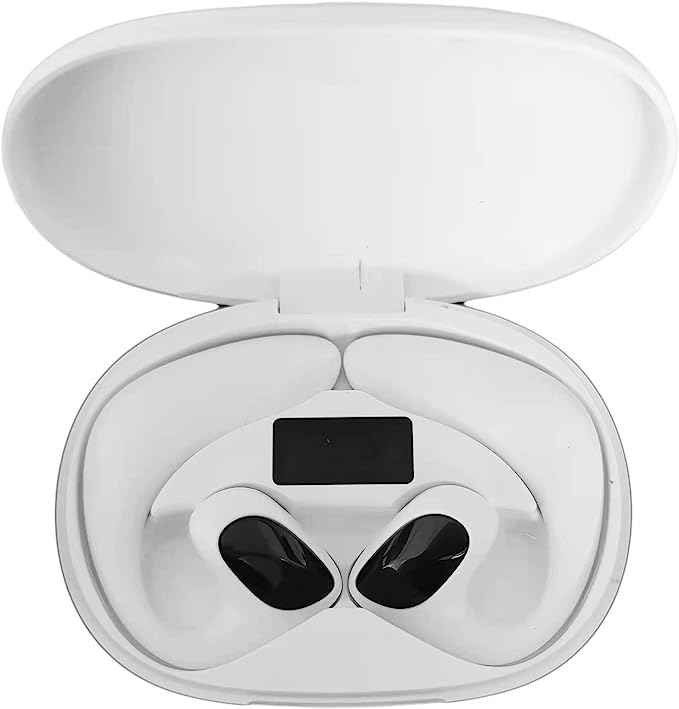
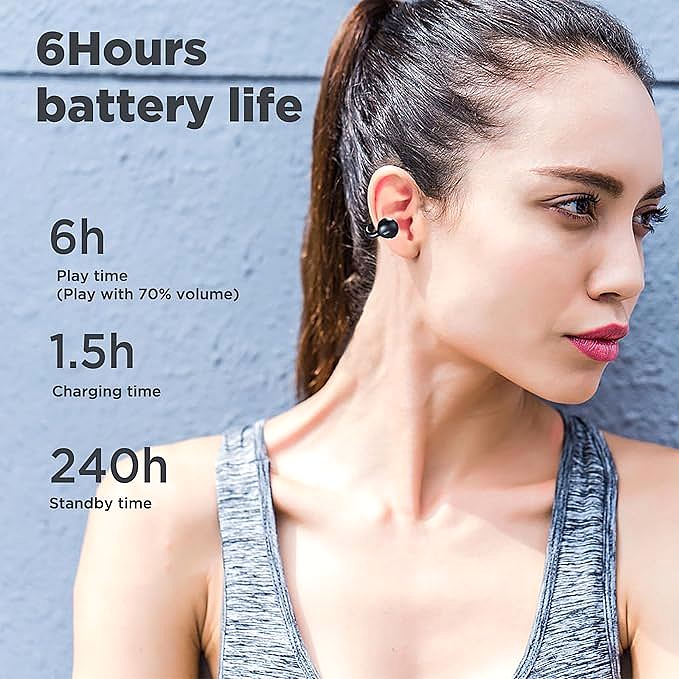
A typical open-ear specification: 6 hours per charge, with a charging case providing up to 480 hours total. That 480-hour figure requires clarification. It assumes using one earbud at a time, alternating between charges. For typical dual-earbud use, expect approximately 240 hours from the case—still substantial, translating to 40 full charges of the earbuds.
Charging time matters too. A 1.5-hour recharge cycle means minimal downtime. Users who forget to charge overnight can recover meaningful battery during a shower and breakfast.
The Future of Open Listening

Open-ear audio sits at an intersection of competing values: engagement versus immersion, safety versus fidelity, comfort versus isolation.
The technology won’t replace sealed headphones for critical listening or noisy commutes. But it offers something sealed designs cannot: the ability to inhabit two acoustic worlds simultaneously. Music and environment. Private soundtrack and public awareness.
This matters because the contexts demanding awareness—cycling through traffic, running on shared trails, parenting young children—aren’t edge cases. They’re everyday scenarios for millions of users. For them, open-ear isn’t a compromise. It’s the only design that fits the life they actually live.
The ear evolved for air conduction. For most of history, audio technology respected that architecture. Open-ear designs don’t reinvent hearing. They return to it.