Engineering for the Deep: Durability in Hydro-Environments
Update on Jan. 30, 2026, 8:42 a.m.
SEO Metadata:
- Title: Engineering for the Deep: Durability in Hydro-Environments
- Description: Decoding the IPX8 waterproof standard and the material science required to protect electronics like the Relxhome X7S from chlorine and corrosion.
- Tags: “IPX8 waterproof rating”, “swimming headphone durability”, “corrosion resistance”, “Relxhome X7S features”, “magnetic charging”
- Focus Keyword: ipx8 waterproof headphones
Engineering for the Deep: Durability in Hydro-Environments
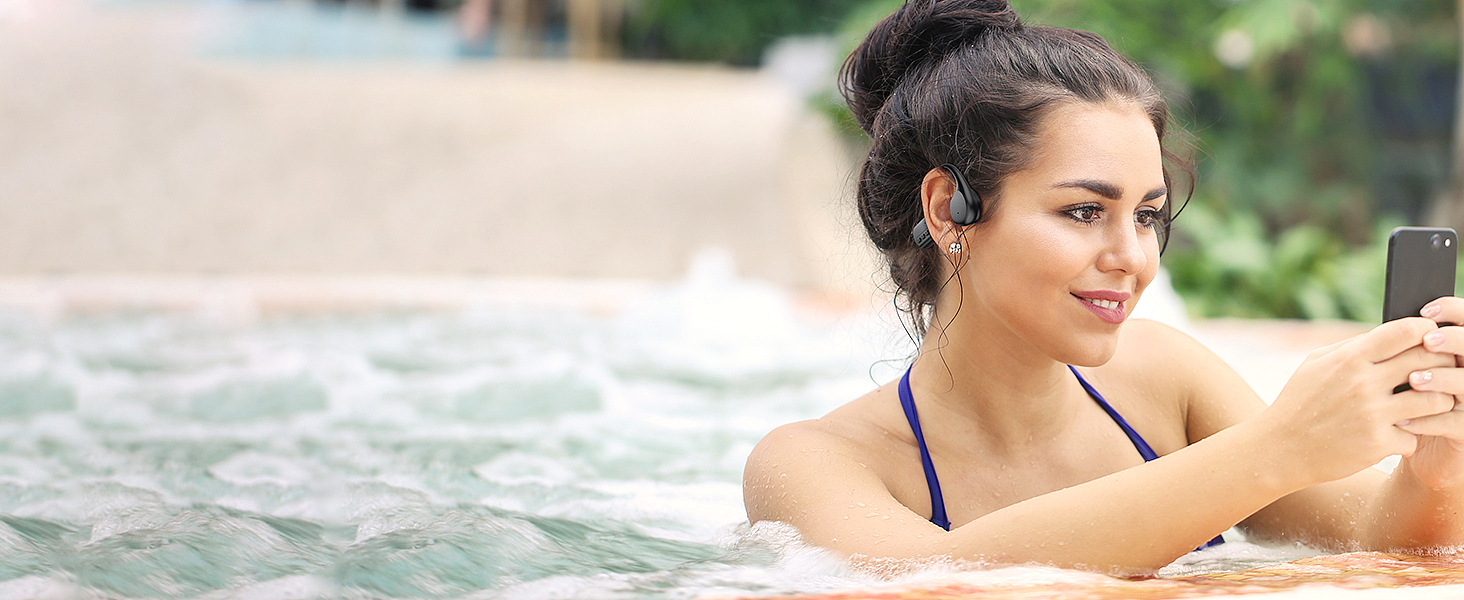
Creating electronics that survive in a swimming pool is one of the toughest challenges in consumer tech. The environment is hostile: it is wet, pressurized, and chemically aggressive (chlorine or salt). A device like the Relxhome X7S is not defined just by its audio capabilities, but by its armor. The IPX8 waterproof rating is the badge of this survivability, but understanding what lies beneath that rating reveals the intricate engineering required to keep the music playing in the deep.

Decoding IPX8: Pressure and Time
The Ingress Protection (IP) code system classifies the degree of protection provided against intrusion. The first digit (X) represents dust protection, which is often irrelevant for swimming gear. The second digit (8) is the critical one.
While IPX7 guarantees protection against immersion up to 1 meter for 30 minutes, IPX8 indicates a device capable of continuous submersion beyond 1 meter. The manufacturer specifies the exact conditions, but generally, this means the device is hermetically sealed. For the X7S, this involves ultrasonic welding of the chassis and specialized gaskets that do not degrade under the cyclic pressure changes of swimming strokes. It transforms the headphone from a gadget into a sealed pressure vessel.
Material Science vs. Chemistry
Water is not the only enemy; chemistry is. Chlorine, a powerful oxidizer used in pools, eats away at rubber seals and corrodes metal contacts. Saltwater is highly conductive and corrosive.
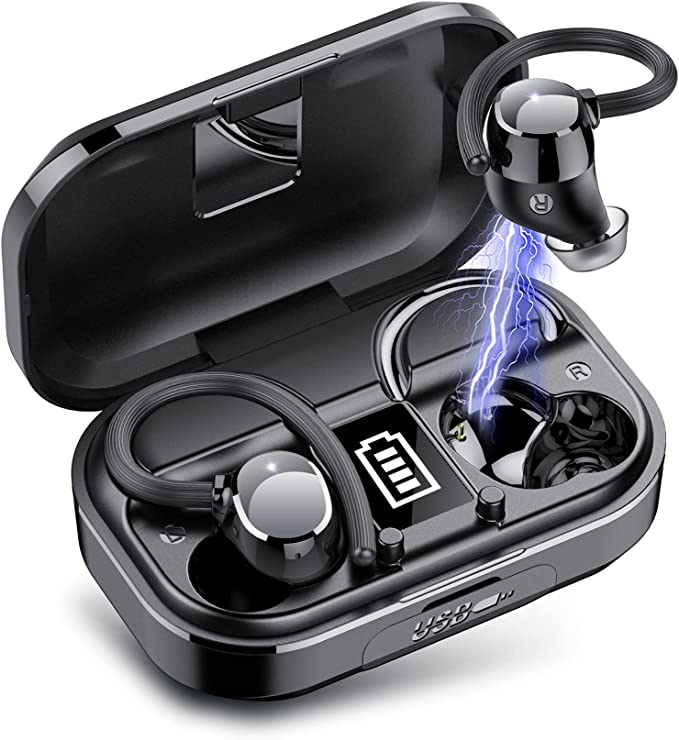
To combat this, the X7S utilizes a fully enclosed design with magnetic charging points instead of a standard USB-C or micro-USB port. A physical port is a vulnerability—a cavern where water can pool and corrode internal pins. Magnetic pogo-pins allow the charging interface to be flush with the surface and plated with corrosion-resistant materials (often gold or nickel alloy). This “port-less” design is essential for longevity, preventing the galvanic corrosion that kills lesser electronics.

Hydrodynamics and Drag
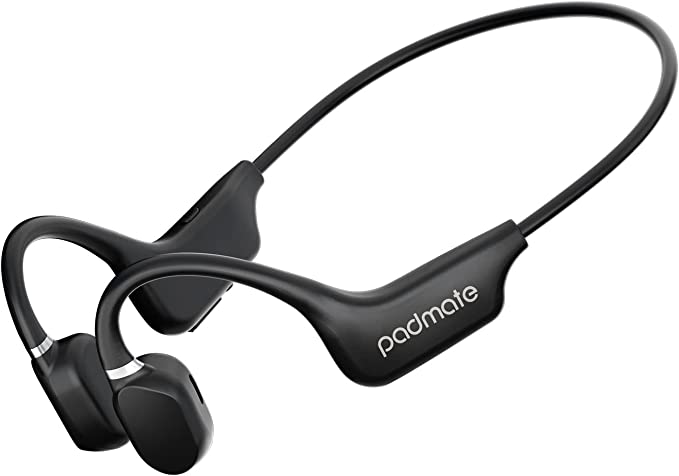
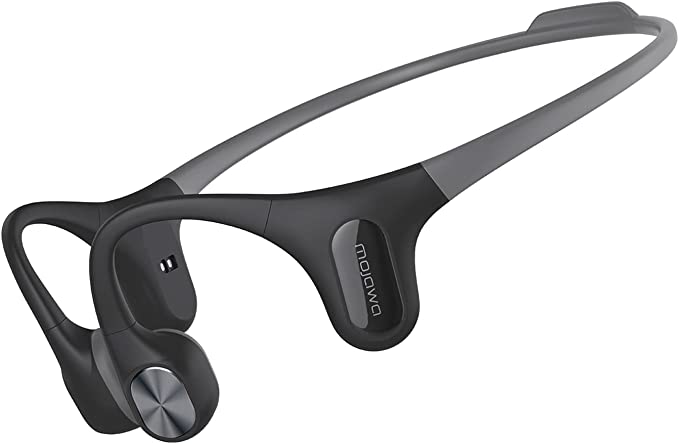
A swimmer is constantly fighting drag. Any equipment attached to the head must be hydrodynamic. The X7S features a low-profile, wraparound titanium frame. Titanium is chosen for its high strength-to-weight ratio and its elasticity. It clamps the transducers firmly to the cheekbones without creating excessive drag.
The shape of the pods is streamlined to allow water to flow over them smoothly. A bulky design would catch water, creating turbulence that could rip the headphones off during a flip turn or a dive. The engineering challenge is to pack the battery, memory, and Bluetooth chip into this slender form factor without compromising the seal or the hydrodynamics.
Industry Implications: The Persistence of MP3
The existence of devices like the X7S highlights a unique anomaly in the tech market: the survival of the MP3 player. While the rest of the world has moved to the cloud, the physics of water keeps the local file format alive. It forces a subset of users—swimmers—to maintain digital libraries and manage files, preserving a workflow that has largely vanished elsewhere. This niche demand drives innovation in localized storage efficiency and file management, ensuring that “offline” never truly means “disconnected” from our music.