Gravity vs. Grip: The Biomechanics of Sport Audio Stability
Update on Jan. 27, 2026, 5:27 p.m.
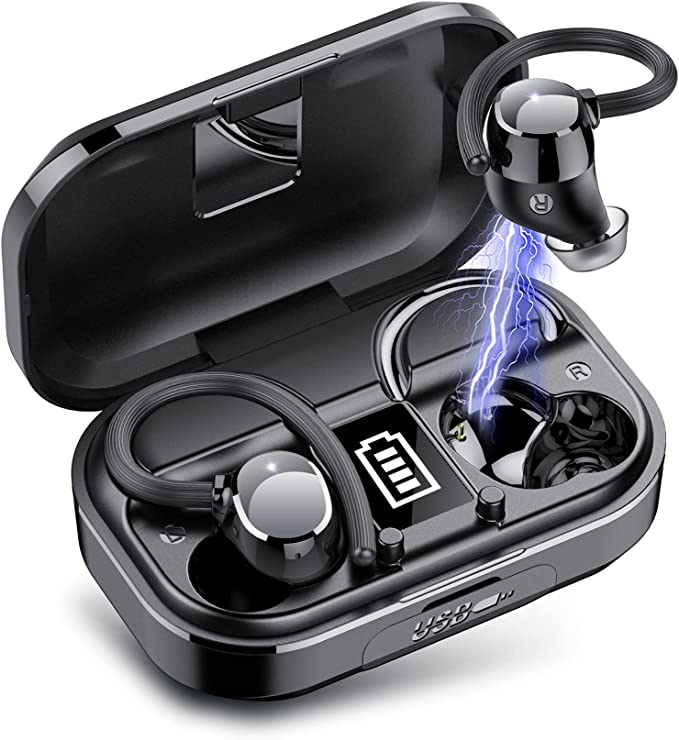
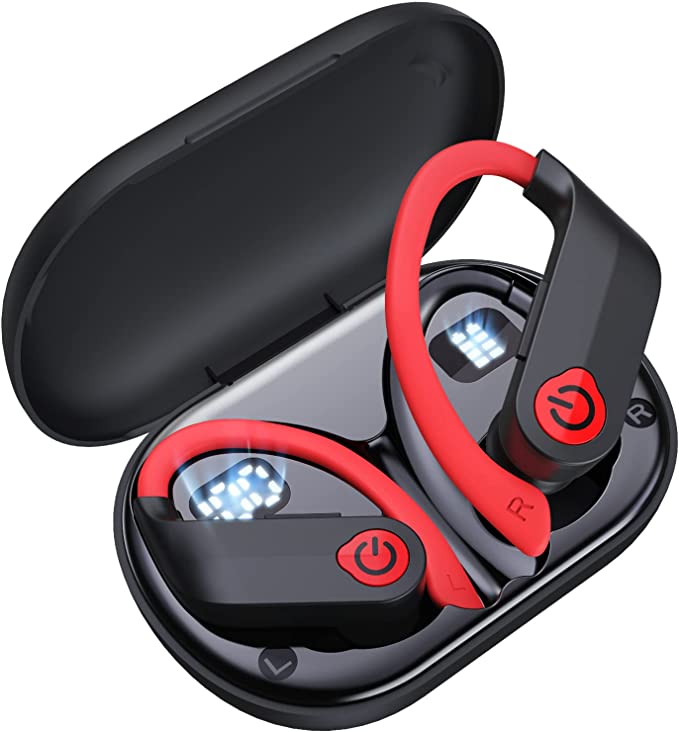
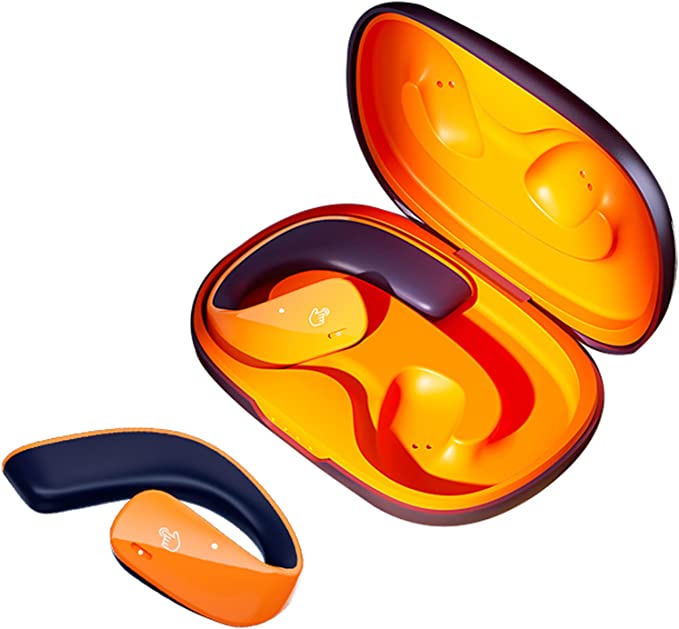
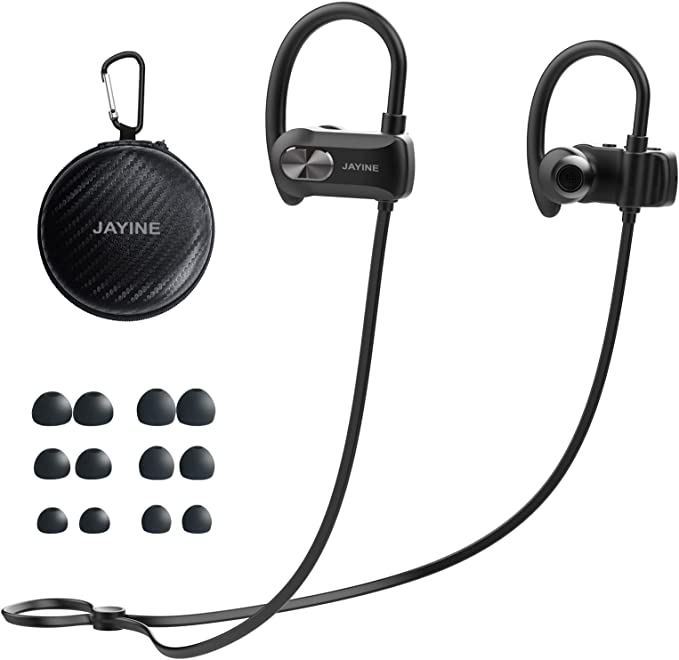
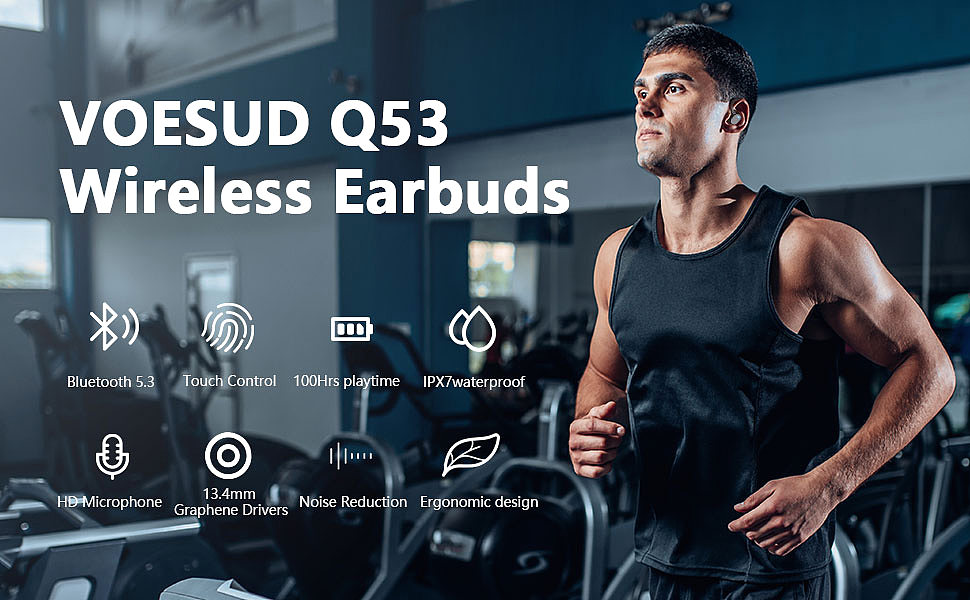
In the world of high-impact sports, audio gear faces a unique adversary: kinetic energy. Every stride of a runner sends a vertical shockwave through the body, creating a force that actively works to dislodge objects attached to the head. Standard earbuds rely on friction within the ear canal to counteract this force—a method that often fails when sweat introduces lubrication. The solution to this biomechanical problem lies not in stronger glue, but in better leverage. This is the engineering philosophy behind ear buds wireless bluetooth earbuds that utilize a mechanical hook design, such as the VOESUD Q53.
The Physics of the Hook: Cantilever Stability
The primary failure mode of “in-ear” friction fits is the Pop-Out Effect. As the jaw moves (during breathing or gritting teeth) and the body bounces, the ear canal changes shape slightly. This micro-movement breaks the seal.
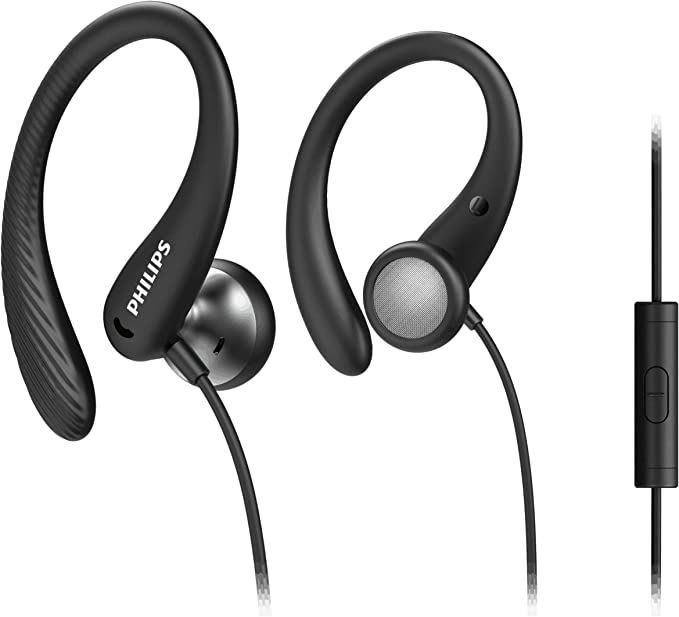
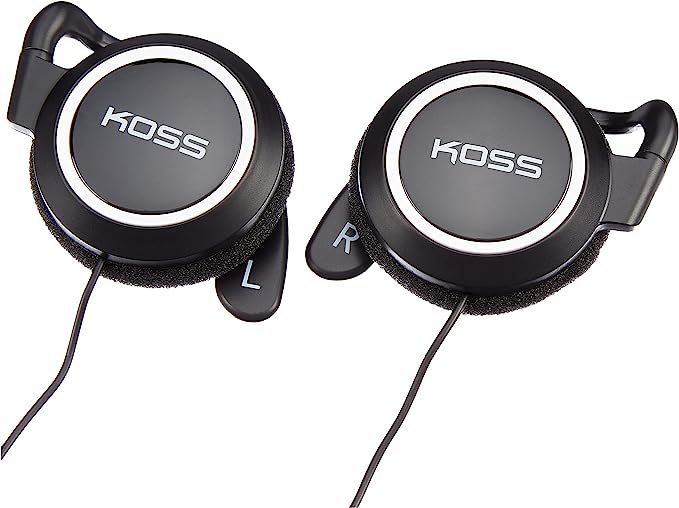
The Q53 counters this by shifting the load bearing from the ear canal to the Helix Root—the sturdy upper curve of the ear connection. The adjustable silicone ear hook acts as a cantilever beam. When gravity pulls the earbud down, the hook engages with the top of the ear structure. Effectively, the downward force is converted into a clamping force that secures the device even tighter. This mechanical lock operates independently of sweat or skin oils, providing a stability that friction alone cannot achieve. It is a structural solution to a dynamic problem.
Acoustic Displacement: The 13.4mm Engine
In a noisy gym or on a busy street, ambient noise competes with your music. To win this battle without dangerous isolation, you need to move air. Sound Pressure Level (SPL), particularly in the bass frequencies, is a function of the volume of air a driver can displace.
The Q53 incorporates a 13.4mm dynamic driver. To put this in perspective, typical compact earbuds use drivers between 6mm and 8mm. A 13.4mm driver has significantly more surface area. This allows it to push a larger wavefront with less excursion (movement), resulting in cleaner, deeper bass response. The “punchy bass” often described in this category is a direct result of this physical displacement. It creates a high-pressure zone that maintains the rhythm’s presence even when the seal is not hermetically tight, which is often safer for outdoor runners who need some environmental awareness.
Connectivity in Motion: Bluetooth 5.3
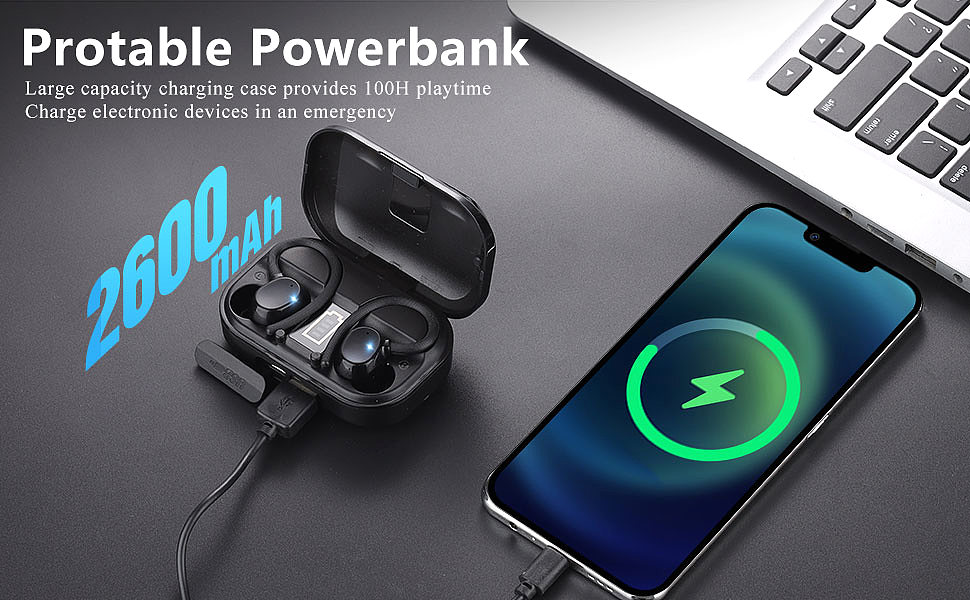
Stability isn’t just about fit; it’s about signal. The Q53 utilizes the Bluetooth 5.3 protocol. This standard introduces improvements in “periodic advertising,” which allows the earbuds to communicate their status to the phone more efficiently. For the athlete, this means a more robust connection that resists the interference often found in crowded gyms (where dozens of Bluetooth devices compete for spectrum). It ensures that the digital stream remains unbroken, even as the body moves and changes orientation relative to the transmission source.
Future Outlook: The Biometric Interface
The ear hook design offers more than just stability; it offers real estate. As we look to the future, this form factor is the ideal vessel for biometric sensors. We are approaching an era where the ear hook will not just hold a speaker, but also house pulse oximeters and accelerometers, transforming the humble headphone into a comprehensive sports computer.