Guardians of The Galaxy Bluetooth Earbuds: A Deep Dive into Kids' Audio Technology


eKids GG-B16 Earbuds
In the 1970s, audio engineers faced a growing problem: how do you protect developing ears from harmful volume levels while delivering quality sound? This question would eventually lead to specialized headphones for children—a market that today generates millions of units annually. Understanding the technology behind children's audio devices reveals fascinating engineering trade-offs that most consumers never consider.
The Physics of Sound and Developing Ears
Children's ears are not simply smaller versions of adult ears. The ear canal in children is narrower and shorter, which means sound pressure waves behave differently. According to the World Health Organization, approximately 432 million adolescents worldwide suffer from hearing loss due to unsafe listening practices. This statistic underscores why volume limiting technology exists—not as a marketing gimmick, but as a genuine safety feature.
The human ear can safely tolerate sound levels up to 85 decibels for approximately eight hours. Above this threshold, hearing damage becomes a real risk. Every 3-decibel increase doubles the sound energy, meaning a 91-decibel sound becomes dangerous after just one hour of exposure.
This is where specialized audio devices diverge from their adult counterparts. Where adult headphones prioritize audio fidelity and noise cancellation, children's headphones must balance sound quality with acoustic safety.
Bluetooth Audio Fundamentals for Young Listeners
Bluetooth wireless technology operates by transmitting audio data over radio waves at frequencies between 2.4 and 2.485 GHz. The protocol has evolved significantly since its introduction, with Bluetooth 5.0 offering four times the range and twice the speed of its predecessor.
For children's devices, Bluetooth implementation requires specific considerations. The power output must remain low enough to meet safety standards while maintaining stable connectivity. The eKids Guardians of The Galaxy Bluetooth Earbuds, for instance, utilize Bluetooth 5.0 connectivity with a 10-meter range, providing reliable wireless performance without excessive power output.
The wireless connection enables freedom of movement—particularly valuable for active children who might become tangled in wired alternatives. This practical benefit explains why wireless children's audio devices have largely supplanted their wired counterparts in the market.
Design Philosophy for Young Users
Physical design presents unique challenges when engineering audio products for children. The Guardians of The Galaxy themed earbuds exemplify this approach, featuring an in-ear design with interchangeable silicone tips that allow customization for smaller ear canals. Finding the correct fit isn't merely about comfort—proper seal ensures adequate sound quality while minimizing the need for volume increases.
The charging case design reflects similar thinking. Rather than a fully enclosed design, these earbuds feature an open case architecture that allows children to easily retrieve the devices. While this design choice sacrifices some drop protection, it addresses the real-world challenge children face when handling small electronic devices.
Branded collaborations with entertainment franchises serve a psychological purpose beyond marketing. For children, the emotional connection to beloved characters can increase device acceptance and regular use—particularly important for educational audio applications.
The Market Landscape for Children's Audio
The children's audio device market has expanded considerably, with numerous manufacturers competing across price points. Products range from basic disposable earbuds to premium offerings with advanced features. The eKids line represents the budget-friendly segment, delivering essential functionality without premium pricing.
Understanding this market requires recognizing the primary use cases. Children's headphones and earbuds typically serve three functions: educational applications, entertainment consumption, and communication. Each application has distinct audio requirements—language learning apps demand clear voice reproduction, while gaming emphasizes bass response and sound effects.
The competitive landscape has driven innovation across all segments. Even budget devices now commonly include features once reserved for premium products, such as volume limiting circuits and durable construction materials.
Making Informed Purchasing Decisions
When evaluating children's audio products, consumers should consider several technical factors beyond brand aesthetics. Driver size affects sound quality—larger drivers typically produce better bass response, though this matters less for voice-focused content. Battery life determines convenience, with most children's devices offering 6-8 hours of continuous playback.
Volume limiting circuitry represents perhaps the most critical safety feature. Parents should verify that any children's audio device includes this technology before purchase. While no device can guarantee complete hearing protection, volume limiting significantly reduces the risk of acoustic damage during extended use.
The presence of a built-in microphone extends functionality to voice calls and recording applications—useful for remote learning and family communication. The eKids earbuds include this feature, enabling video calls with tablets and computers.
Material selection affects both durability and comfort. Silicone ear tips provide a comfortable seal while remaining easy to clean—a practical consideration for devices frequently handled by children. The plastic housings on budget devices balance cost with adequate durability for normal use patterns.
Conclusion
The technology powering children's audio devices reflects decades of acoustic research and engineering refinement. Volume limiting technology, wireless connectivity, and child-appropriate physical design represent not merely marketing considerations, but genuine responses to the unique requirements of young listeners.
Understanding these technical foundations helps consumers make informed decisions. Whether selecting the eKids Guardians of The Galaxy earbuds or competing alternatives, the principles remain consistent: prioritize hearing safety, ensure adequate fit for smaller ears, and select appropriate features for intended use cases.
The paradox of children's audio design mirrors broader engineering challenges: sometimes the most sophisticated solutions appear simplest. Protecting developing ears requires not just adding features, but thoughtfully balancing competing requirements to create devices that serve their young users safely and effectively.
eKids GG-B16 Earbuds
Related Essays

eKids Pokemon Bluetooth Earbuds: Affordable Bluetooth Headphones for Pokemon Fans

eKids B64 Disney Encanto Bluetooth Headphones with EZ Link – A Perfect Blend of Entertainment and Convenience

ACREO A9 Kids Headphones: Open-Ear Design for Safer Listening
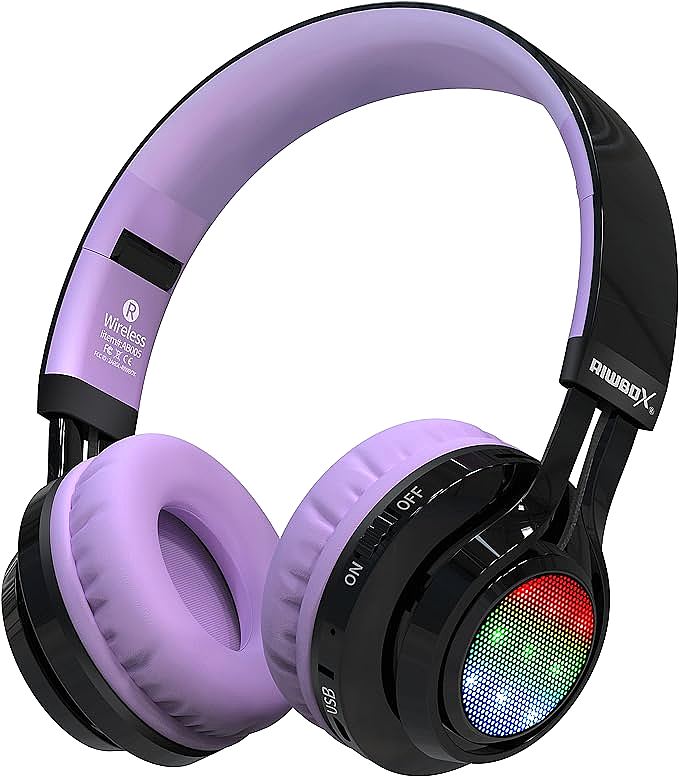
Riwbox AB005 Kids Headphones: Safe Sound & Colorful Fun
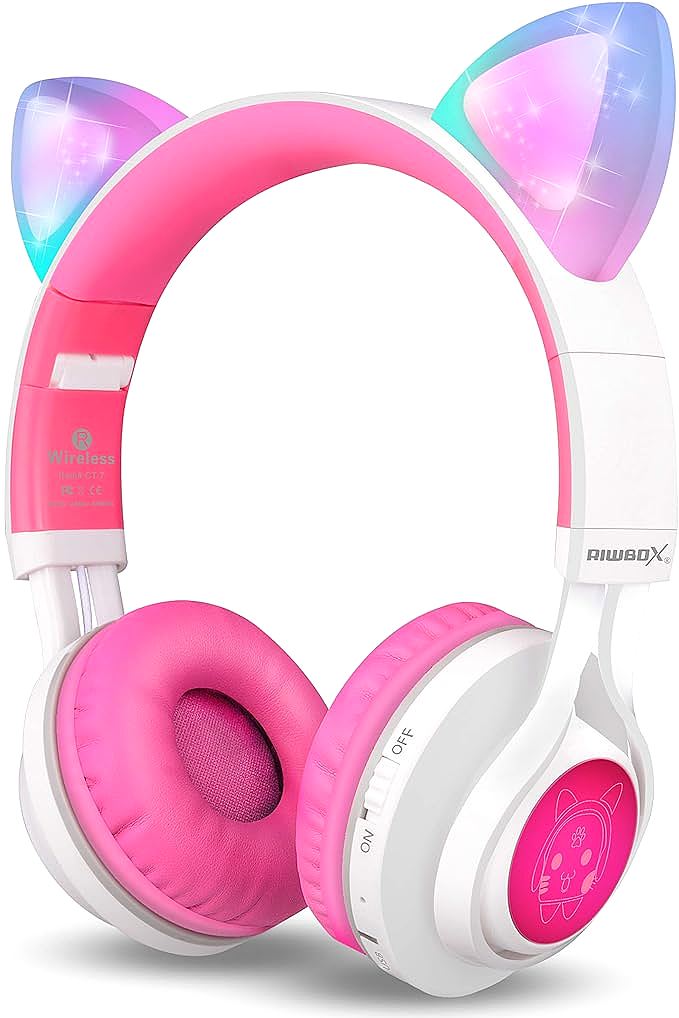
Riwbox CT-7 Cat Ear Headphones: Wireless Fun and Safe Sound for Kids

New bee KH21B Kids Wireless Headphones: Safe Sound, Happy Ears

Uliptz WH203A Headphones Manual: Pairing, EQ and TV Audio

Beamforming, Tiny Drivers and the Science of Clear Calls

Generic CBT T2390 Bluetooth Headphones - Unleash Your Wireless Freedom

