The Science of Silence: Deconstructing ANC and Efficiency in Modern Audio
Update on Nov. 24, 2025, 7:39 a.m.
The concept of “personal audio” has undergone a radical transformation in the last decade. It has shifted from a passive experience of listening to music to an active management of our acoustic environment. We no longer just wear headphones to hear; we wear them to not hear.
This ability to curate silence—to mute the roar of a jet engine or the hum of an air conditioner—was once the exclusive domain of pilots and high-end frequent flyers. Today, thanks to the relentless miniaturization of microprocessors and the democratization of manufacturing, sophisticated acoustic engineering fits into devices smaller than a coin.
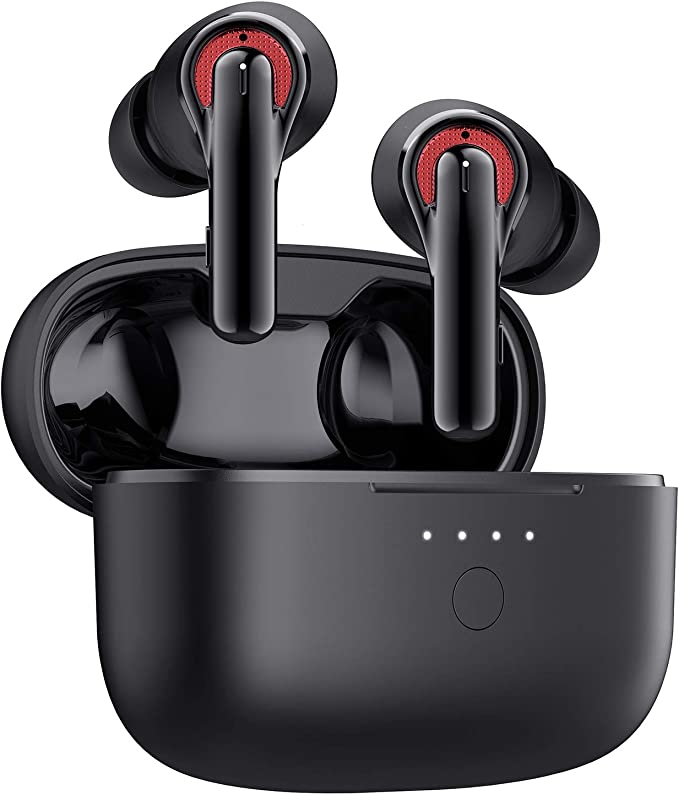
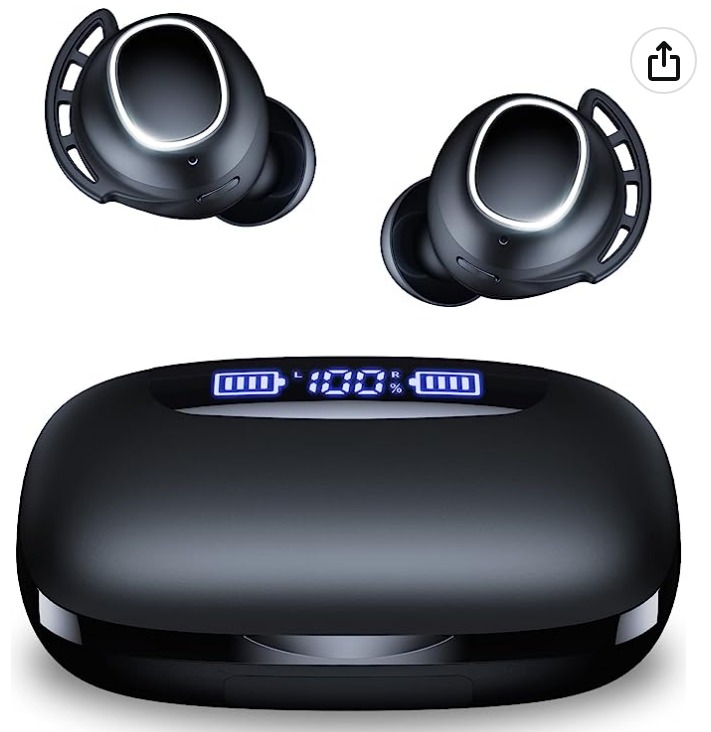
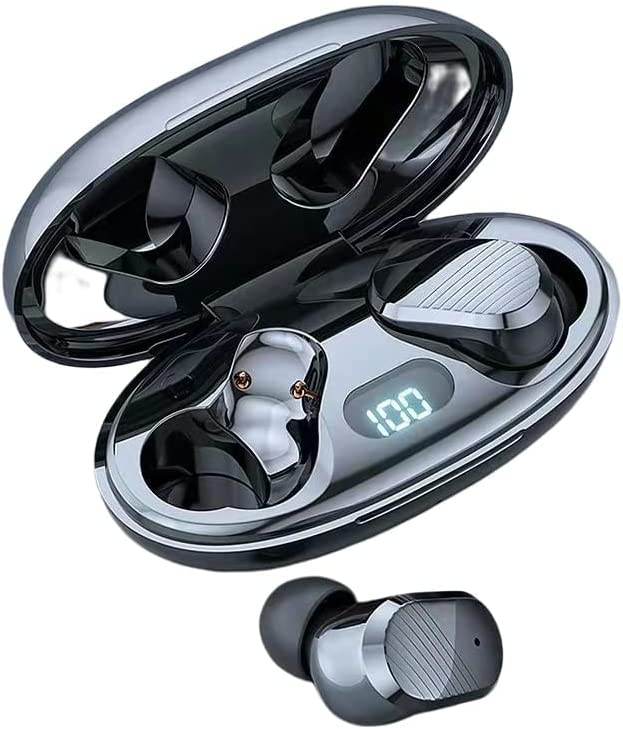
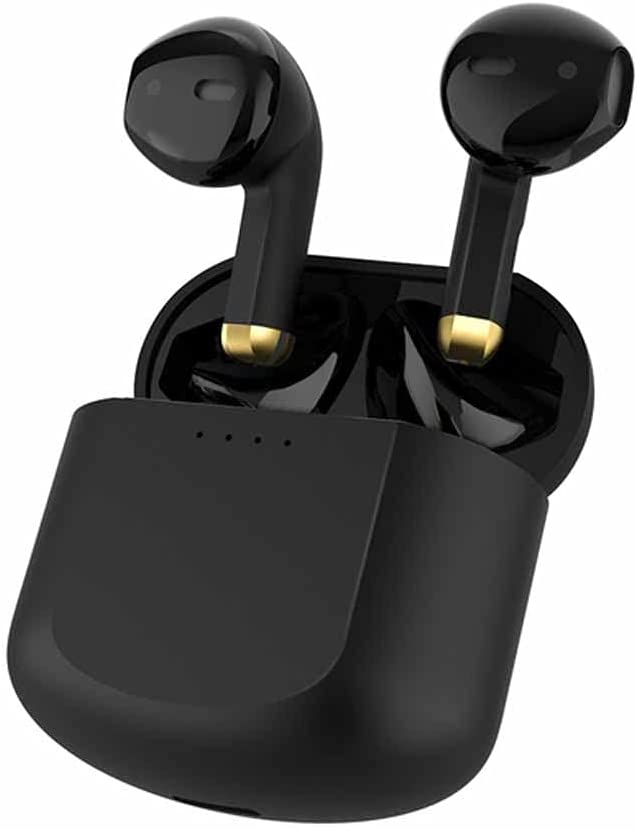
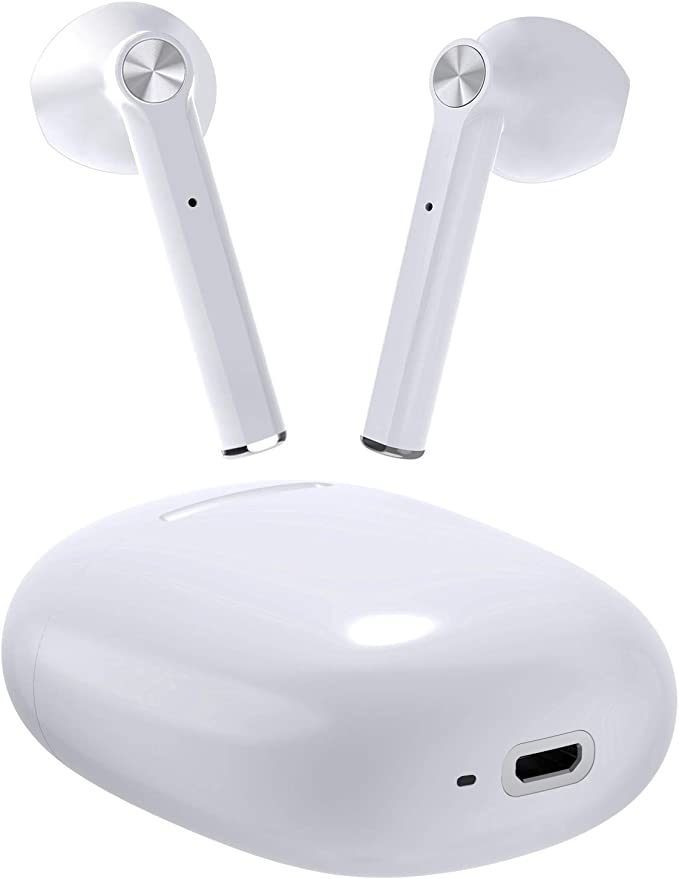
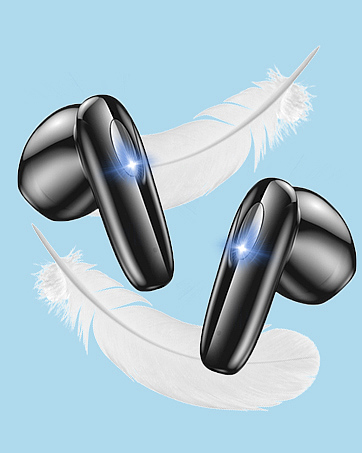
The MexSpFit T19 serves as a prime example of this technological trickle-down effect. It embodies three pillars of modern audio engineering: Active Noise Cancellation (ANC), signal stability via Bluetooth 5.2, and high-density energy storage. To truly understand the value of such devices, we must look beyond the spec sheet and into the physics that make them possible.
The Arithmetic of Quiet: How Phase Cancellation Works
At the heart of modern noise management is a principle of physics known as destructive interference. Sound, fundamentally, is a pressure wave moving through the air, consisting of peaks (compressions) and troughs (rarefactions).
Active Noise Cancellation does not merely “block” sound; it actively annihilates it.
[Image of constructive and destructive interference waves diagram]
Here is the operational sequence occurring within milliseconds inside devices equipped with ANC technology:
1. Sampling: Exterior microphones sample the ambient noise (e.g., the low-frequency drone of traffic).
2. Inversion: An internal Digital Signal Processor (DSP) instantly calculates the waveform of that noise and creates a precise “anti-wave”—a mirror image where every peak is replaced by a trough.
3. Interference: This anti-wave is played through the speaker drivers along with your music. When the ambient noise wave meets the anti-wave in your ear canal, they cancel each other out. $+1$ (noise) plus $-1$ (anti-noise) equals $0$ (silence).
While premium devices often employ complex multi-microphone arrays for this, budget-friendly engineering like that found in the T19 focuses on optimizing this process for the most common, consistent frequencies, proving that the fundamental physics of silence need not be expensive.
The Invisible Umbilical: Bluetooth 5.2 and Data Efficiency
Wireless audio is only as good as the invisible thread connecting it to the source. Early iterations of Bluetooth were plagued by latency (lag) and instability because they were effectively trying to push a large amount of data through a narrow, crowded pipe.
The adoption of Bluetooth 5.2 in devices like the T19 represents a significant leap in “Isochronous Channels.”
[Image of Bluetooth signal frequency hopping diagram]
Unlike its predecessors, Bluetooth 5.2 is designed for the modern RF (Radio Frequency) environment, which is saturated with Wi-Fi and other signals. It introduces: * LE Audio (Low Energy): This architecture allows for high-quality audio transmission at lower bitrates. It creates a more efficient “handshake” between the phone and the earbud, reducing the power required to maintain the connection. * Enhanced Attribute Protocol (EATT): This reduces latency, ensuring that the visual data on your screen (lips moving) stays perfectly synchronized with the auditory data in your ears.
For the user, this translates to a connection that feels wired in its stability, yet remains invisible. It is the reason why modern earbuds can maintain a solid link up to 10 meters away, even through the electromagnetic noise of a busy gym or office.

The Chemistry of Longevity: Energy Density in Micro-Spaces
Perhaps the most overlooked engineering marvel in TWS (True Wireless Stereo) earbuds is the battery. The T19 claims 6 hours of continuous playtime, with a total of 30 hours provided by the case. Achieving this in a device weighing only 3.5 grams requires mastering energy density.
Inside each earbud is a microscopic Lithium-Polymer (Li-Po) cell. The challenge for engineers is not just storing energy, but managing its release. This is where the synergy with the Bluetooth 5.2 chip becomes critical. Because the transmission protocol is more efficient, the processor can “sleep” for micro-seconds between data packets, drastically reducing power consumption.
The charging case acts as a localized power grid. With a 400mAh capacity, it is not just a storage box but a sophisticated power management system that regulates voltage to safely refuel the delicate cells within the earbuds via USB-C fast charging. The LED display is the dashboard for this system, providing granular data on available energy—a feature often missing even in premium competitors.
Psychoacoustics and the Ergonomic Seal
Finally, all the active electronics in the world cannot compensate for poor physical design. This brings us to Passive Noise Isolation, which relies on the science of ergonomics and anatomy.
[Image of human ear canal anatomy]
To function correctly, an earbud must create a hermetic seal with the ear canal. This seal serves two purposes:
1. Physical Blocking: It mechanically prevents high-frequency sound waves (like human speech) from entering.
2. Bass Response: Low-frequency sounds require a pressurized chamber to be perceived with impact. A loose fit allows bass pressure to escape, resulting in “tinny” sound.
The 3.5g lightweight design of the T19 is not just for comfort; it is an acoustic necessity. By minimizing mass, the earbud is less likely to shift due to gravity or movement, maintaining that critical seal and ensuring the acoustic chamber remains intact.

Conclusion: The Democratization of Engineering
The landscape of personal audio has changed. High-fidelity sound, active noise management, and robust wireless connectivity are no longer luxuries reserved for audiophiles with deep pockets. They are the result of scalable physics and standardized engineering.
Devices like the MexSpFit T19 illustrate that the barrier to entry for sophisticated audio technology has lowered. By leveraging the universal laws of phase cancellation and the efficiency of modern silicon, manufacturers can deliver a listening experience that is scientifically sound, proving that great audio is not about the brand on the box, but the engineering inside it.