Decoding Budget Audio: The Real Difference Between ENC, ANC, and Bluetooth 5.3
Update on Nov. 23, 2025, 3:37 p.m.
The landscape of personal audio has shifted dramatically. Features that were once the exclusive domain of flagship devices costing hundreds of dollars are rapidly trickling down to the entry-level market. However, this democratization of technology has brought with it a tidal wave of acronyms—ENC, IP7, BT 5.3—that often leave consumers more confused than informed.
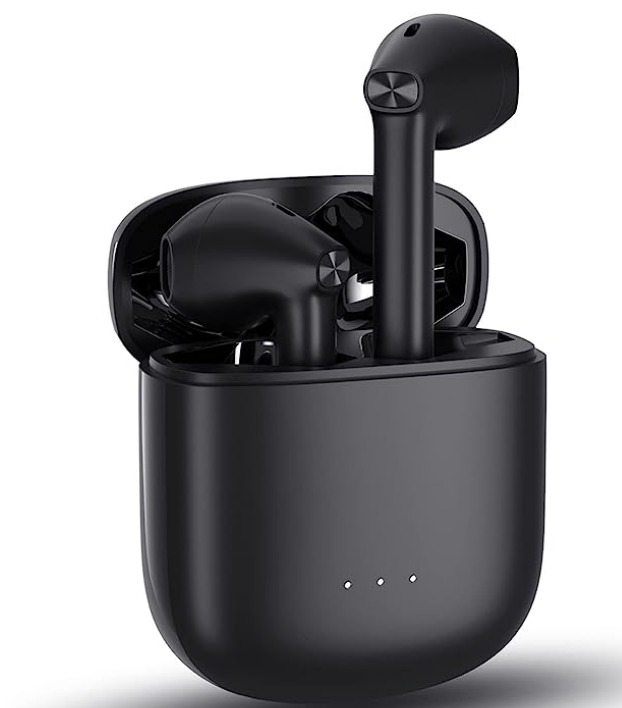
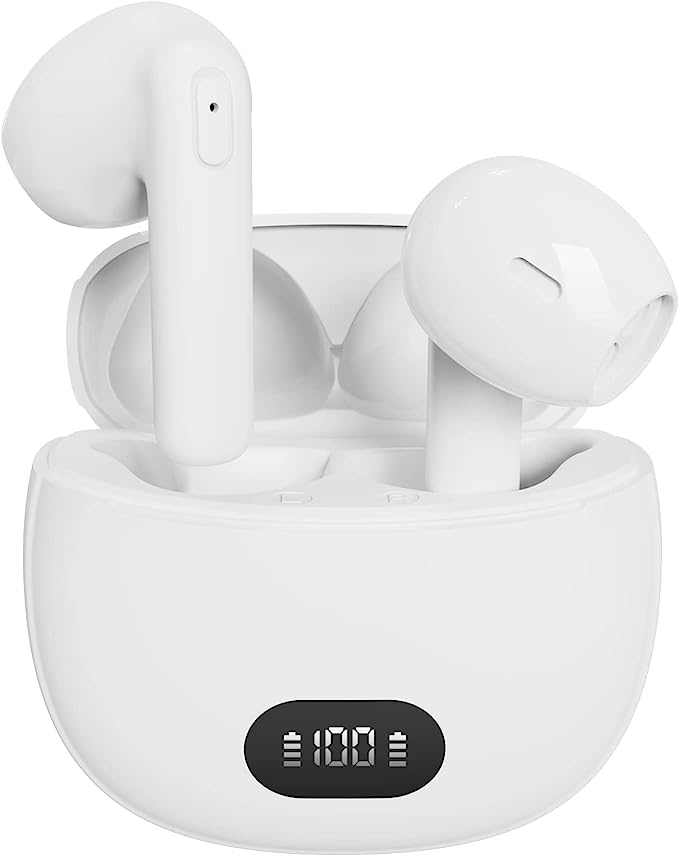
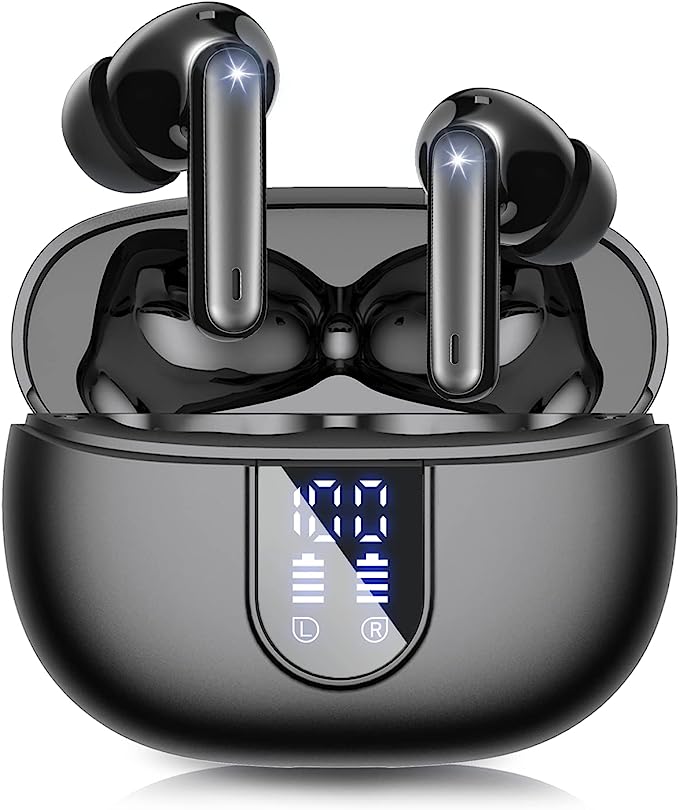
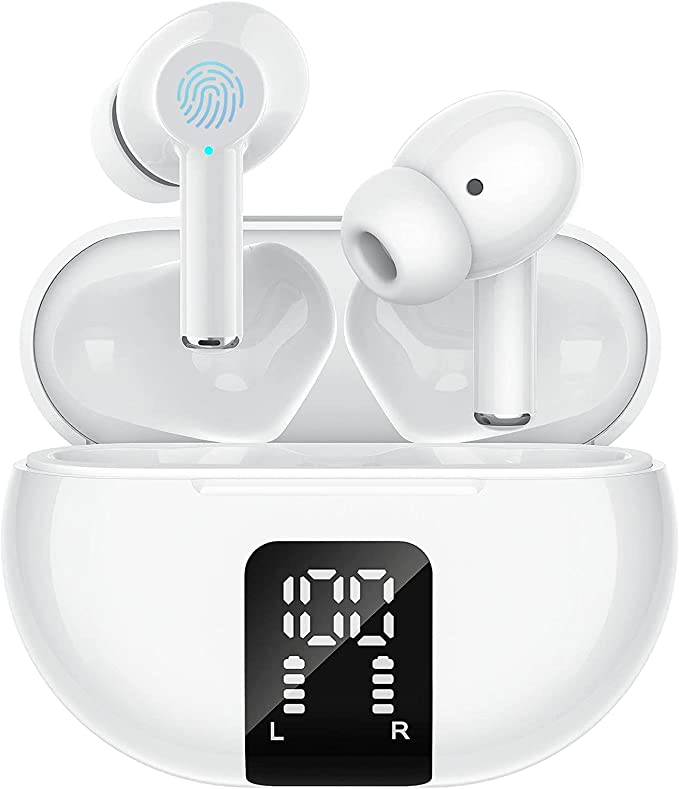
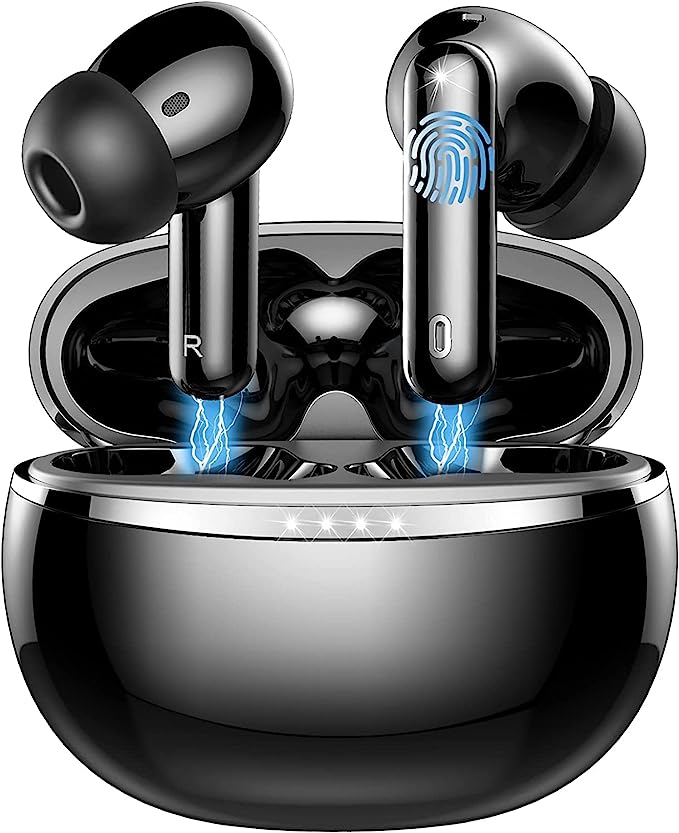
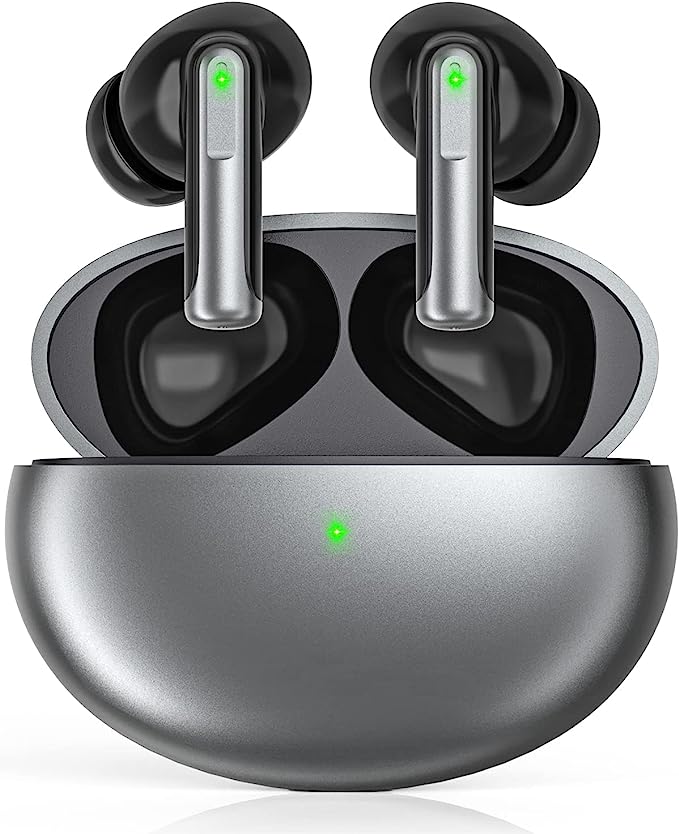
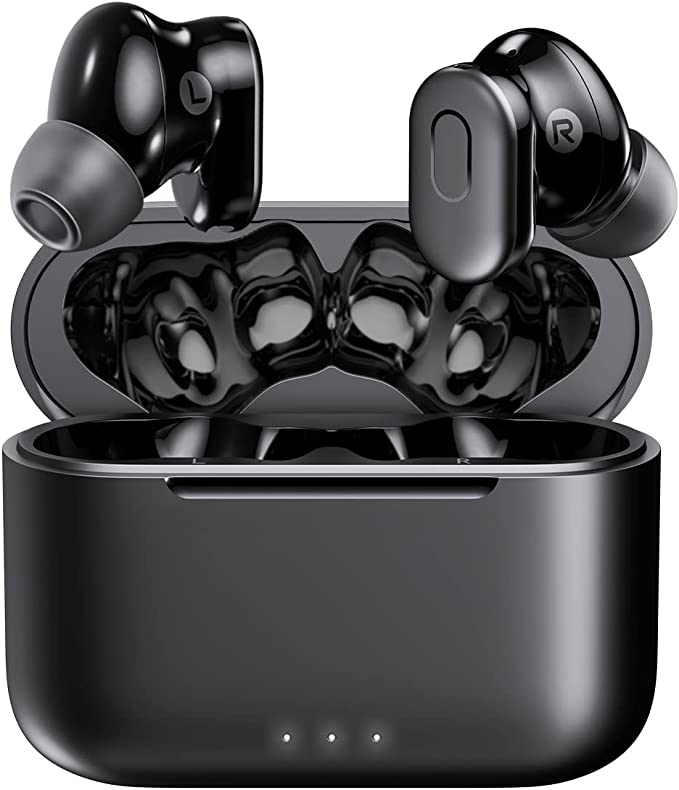
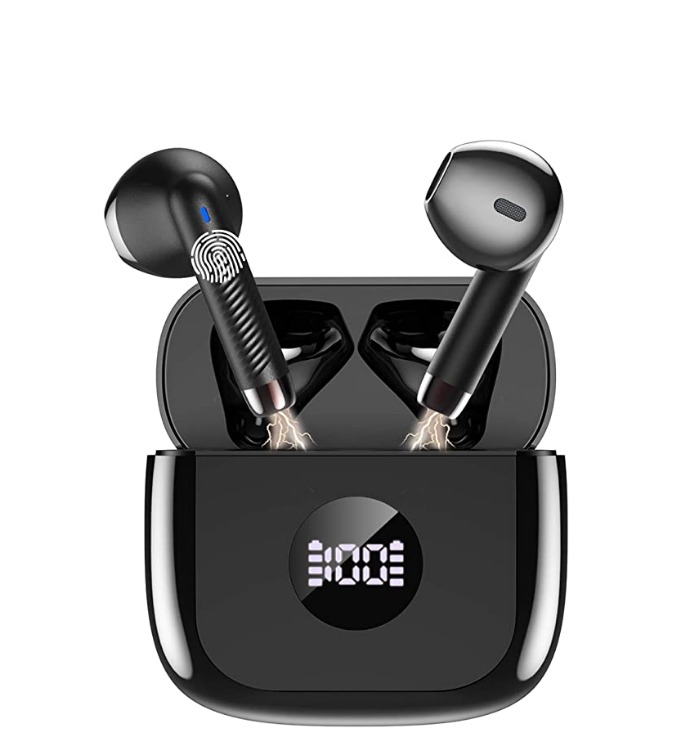
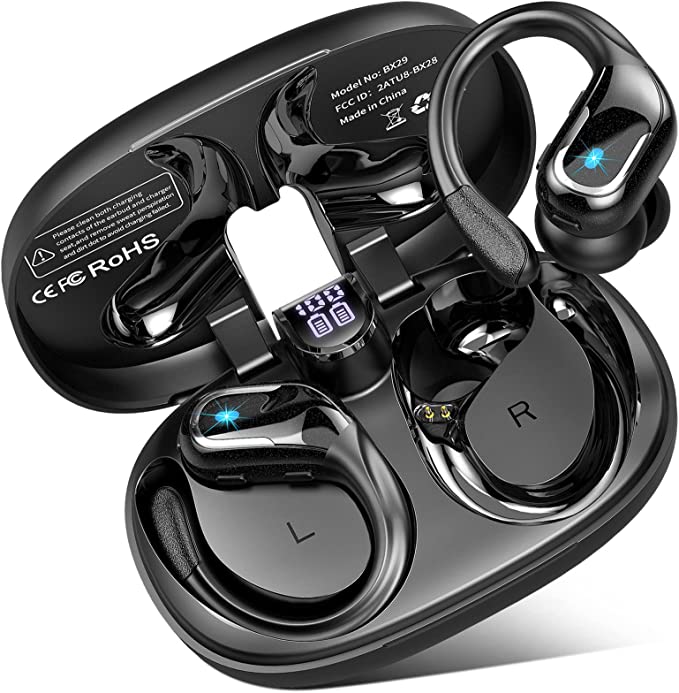
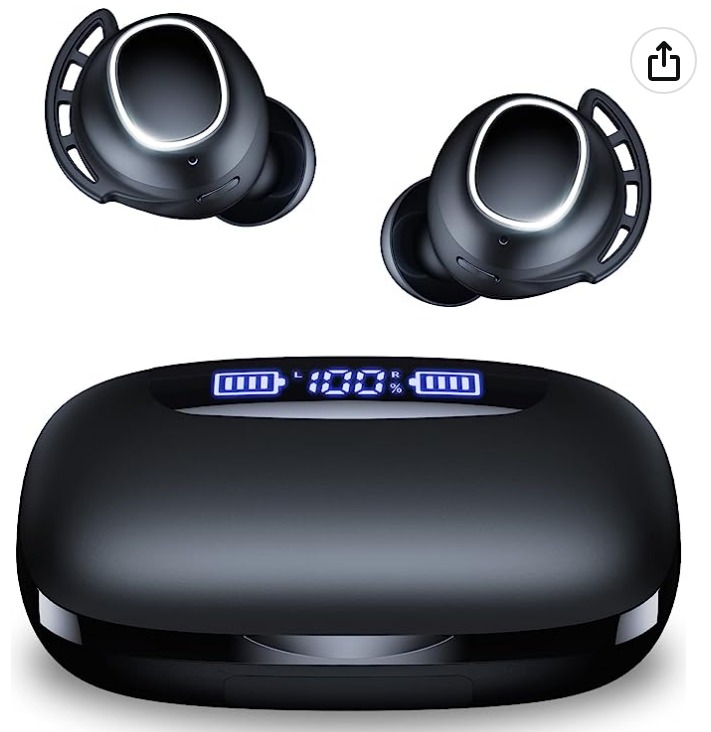
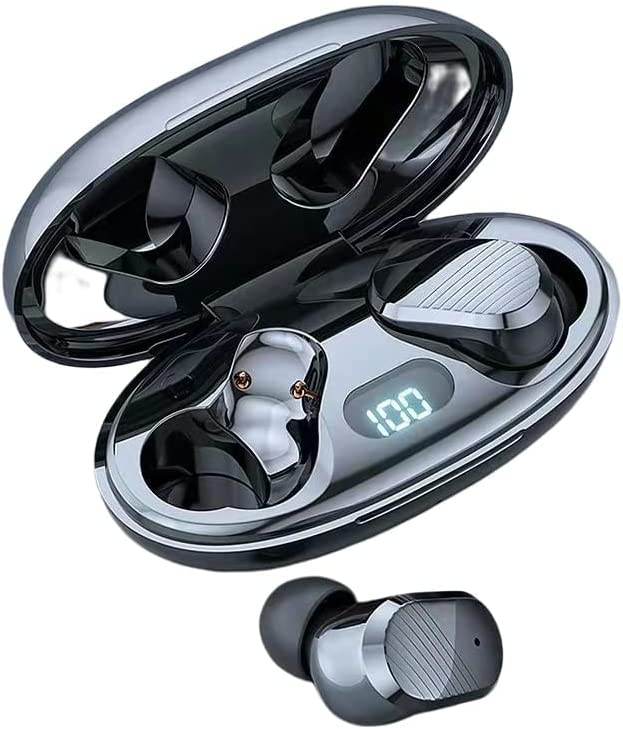
Understanding these specifications is crucial not just for finding a good deal, but for managing expectations. When a device like the Smoonigh H68 enters the market at an accessible price point while boasting a spec sheet similar to premium competitors, it serves as an excellent specimen to dissect exactly what these technologies mean in a real-world context. Let’s look beyond the marketing gloss and into the engineering of modern affordable audio.
The Great Confusion: ENC vs. ANC
Perhaps the most common misunderstanding in the audio world today is the distinction between Active Noise Cancellation (ANC) and Environmental Noise Cancellation (ENC). It is not uncommon to see user reviews for budget-friendly earbuds expressing disappointment that they can still hear the bus engine or the office chatter around them. This stems from a conflation of two very different technologies.
Active Noise Cancellation (ANC) is for you, the listener. It uses microphones to listen to the outside world and generates an “anti-noise” sound wave to cancel it out before it hits your eardrum. This requires complex processing and is typically found in higher-cost tiers.
Environmental Noise Cancellation (ENC), which is the technology utilized in the Smoonigh H68, is for the person you are talking to. * How it works: The H68 employs a 4-microphone array. While you speak, these microphones work in tandem. Some focus on your voice (beamforming), while others pick up ambient background noise. * The Algorithm: An onboard chip processes these signals, mathematically subtracting the background noise from your voice signal. * The Result: You might still hear the noisy café around you, but your caller hears you clearly.
Understanding this distinction is vital. When a product highlights “Noise Cancellation” in this price bracket, it is almost invariably referring to call quality (ENC), not silence for the wearer (ANC).
Bluetooth 5.3: Efficiency Over Range
Another spec that is often touted but rarely explained is the Bluetooth version. Moving from Bluetooth 5.0 to 5.3 isn’t just about “higher numbers are better.” It represents a shift in protocol efficiency that directly impacts user experience, particularly in battery life and latency.
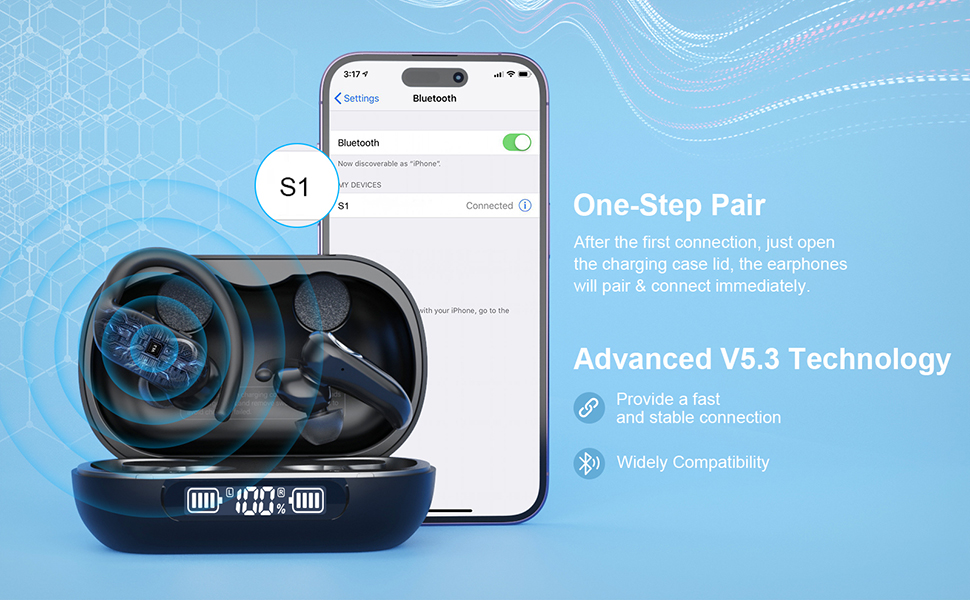
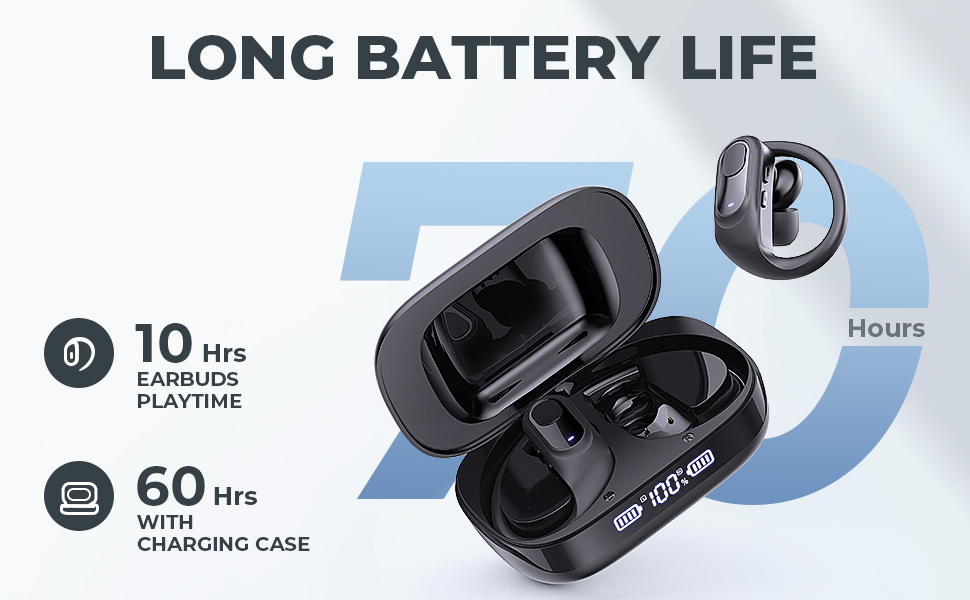
Bluetooth 5.3 introduces refined “connection subrating.” In simple terms, this allows the earbuds to switch between low-power monitoring states and high-power transmission states much faster. * Impact on Battery: This efficiency is a key reason why compact devices like the H68 can claim up to 8 hours of playback on a single charge. The radio isn’t working as hard when it doesn’t need to. * Latency: For gamers, the advertised 60ms low latency mode is made more reliable through these protocol improvements. While it doesn’t eliminate lag entirely (physics still applies), it brings it down to a threshold where the human brain perceives audio and video as synchronized—critical for gaming or watching lip-heavy dialogue.
Furthermore, the integration of a Hall Switch sensor—which triggers the connection the moment the case lid is opened rather than when the buds are removed—is a mechanical convenience that leverages the speed of modern Bluetooth handshakes.
The Physics of Fit: Passive Isolation
Since the Smoonigh H68 does not rely on ANC to block out the world for the user, it relies entirely on Passive Noise Isolation. This is where ergonomics meets acoustics.
The effectiveness of any in-ear monitor depends heavily on the seal created between the ear tip and the ear canal. * Bass Response: Low-frequency sound waves are long and require a pressurized environment to be felt. A poor seal allows these waves to “leak,” resulting in tinny sound. * Noise Blocking: A proper physical seal acts like an earplug, mechanically blocking high-frequency external sounds.
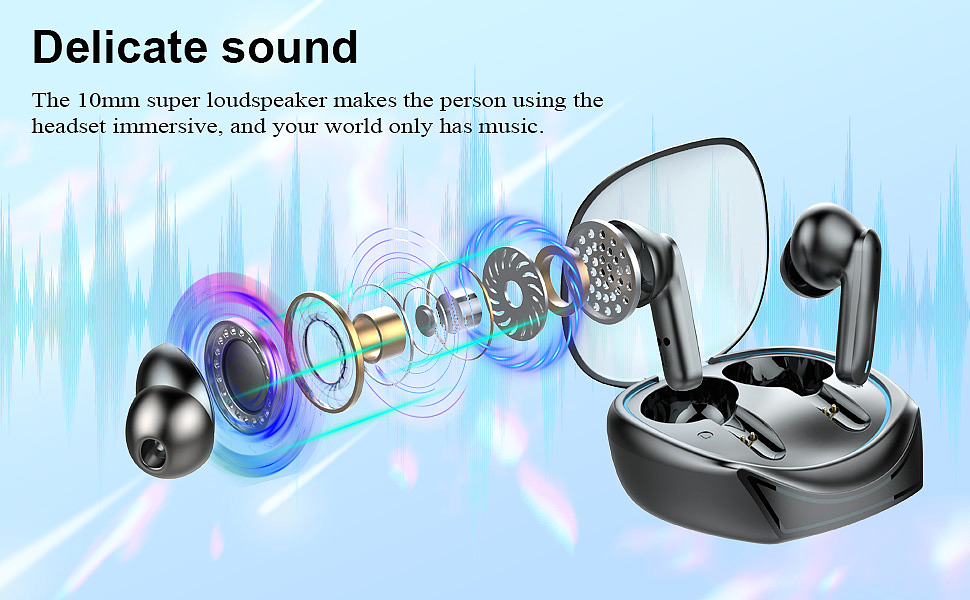
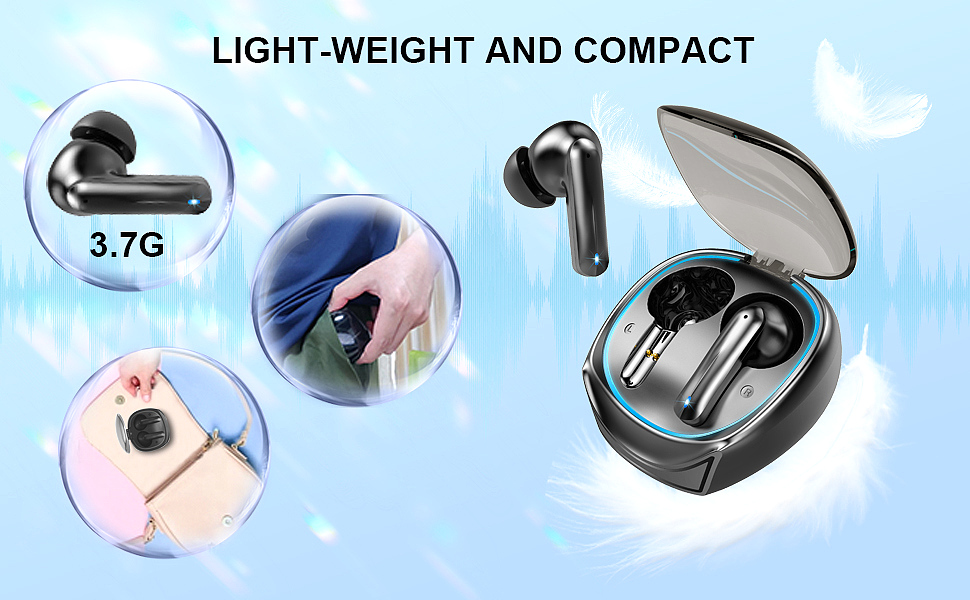
At a lightweight 3.7 grams per earbud, the engineering challenge is to ensure the unit stays seated securely without ear fatigue. The inclusion of multiple sizes of rubber tips is not just for comfort; it is an essential component of the acoustic design. Without the correct tip size, the driver’s potential is physically compromised.

Decoding IP Ratings: What IP7 Actually Means
“Waterproof” is a vague term. The industry standard Ingress Protection (IP) rating gives us precision. The H68 is rated IP7 (often written as IPX7).
- X: The first digit represents dust protection. An ‘X’ means it hasn’t been specifically tested for dust tightness (though it usually offers some by default).
- 7: The second digit indicates liquid protection. Level 7 specifically means the device can withstand temporary immersion in water up to 1 meter deep for 30 minutes.
This is a significant engineering grade. It implies the internal circuitry is protected by nano-coatings or tight rubber gaskets. It differentiates the device from “splash-proof” (IPX4) items. For the consumer, this translates to “safe for heavy sweat or running in the rain,” but crucially, it does not mean “safe for swimming,” as the pressure of swimming strokes can exceed the static pressure of a 1-meter submersion.

Conclusion: The Informed Listener
The commoditization of audio technology is a win for consumers, provided they speak the language of the specifications. Devices like the Smoonigh H68 demonstrate that you don’t need to spend a fortune to access Bluetooth 5.3 efficiency, robust waterproofing, or clear call quality via ENC.
By understanding that ENC protects your voice, passive isolation protects your peace, and IP ratings have specific limits, you transform from a passive consumer into an informed user. The value in these devices lies not in comparing them to studio-grade equipment, but in appreciating the balance of engineering trade-offs that make wireless freedom accessible to everyone.