The Case for Analog: Why Wired Headphones Are Making a Quiet Comeback (Case Study: AILIHEN C8)
Update on Nov. 24, 2025, 5:42 a.m.
We live in a wireless world. We are promised freedom from cords, yet we find ourselves tethered to a new set of chains: battery anxiety, firmware updates, and the eternal struggle of Bluetooth pairing. Complex technology often solves one problem while creating three others.
This paradox has led to a quiet resurgence of “dumb” technology—devices that do one thing perfectly, without the need for a microchip or a charging cable.
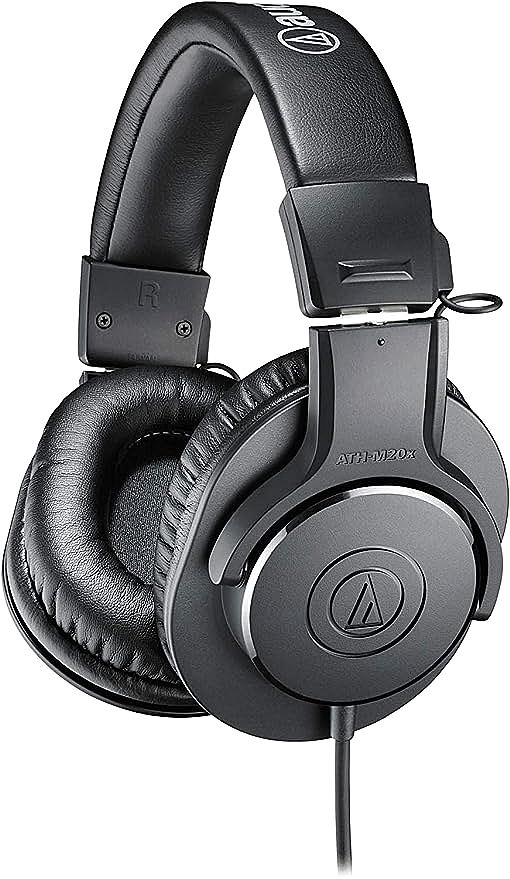
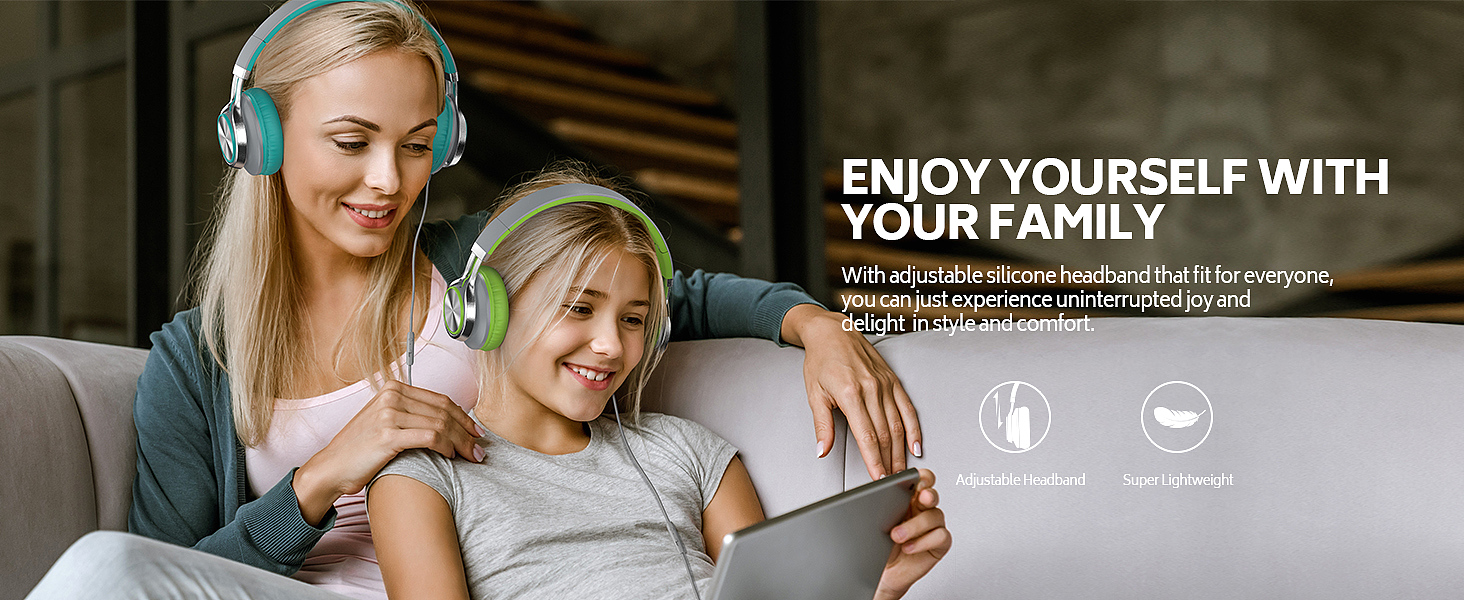
In the audio space, this is exemplified by the enduring relevance of the wired headphone. Far from being a relic, wired headsets like the AILIHEN C8 remain a staple in education, remote work, and focused listening. By analyzing this seemingly simple device, we can uncover the engineering principles that keep analog audio relevant in a digital age.
The Physics of “Zero-Maintenance” Audio
The primary engineering advantage of a wired headphone is simplicity.
Wireless headphones are essentially miniature computers. They require a battery, a Bluetooth receiver, a DAC (Digital-to-Analog Converter), and an amplifier—all crammed into the ear cup. Each of these components is a potential point of failure.
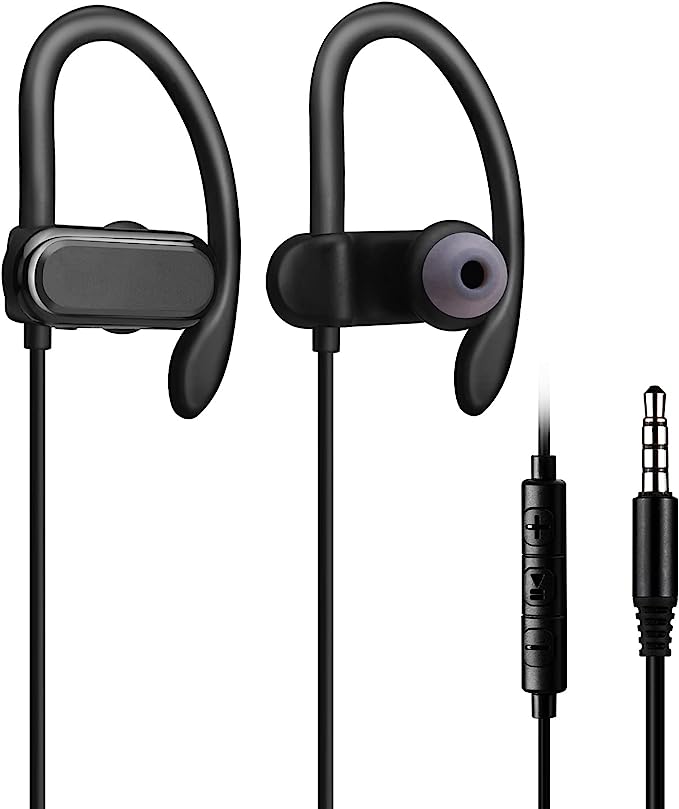
In contrast, a wired unit like the C8 is a Passive Device. It draws the minuscule amount of power it needs directly from the source device via the 3.5mm jack. * No Chemical Degradation: Lithium-ion batteries degrade over time. A wireless headphone that lasts 20 hours today will last 10 hours in two years. A wired headphone has no chemical shelf life. * Zero Latency: Bluetooth involves encoding, compressing, transmitting, and decoding audio data, which introduces a delay (latency). Copper wire transmits electrons at nearly the speed of light. For video calls or language learning (where lip-sync is crucial), the physics of copper wins every time.
Material Science: The Battle Against Entropy
The Achilles’ heel of wired audio has always been the cable. Traditional rubber (PVC) cables create high friction, which causes them to grab onto themselves, forming the dreaded “pocket knot.”
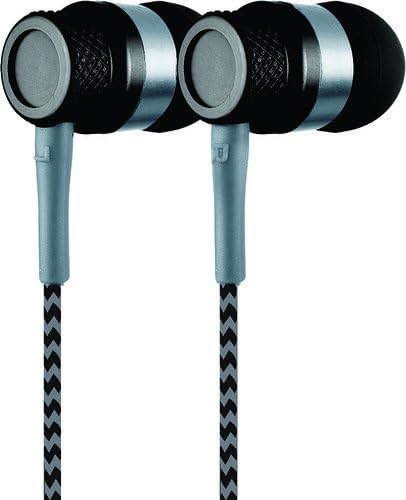
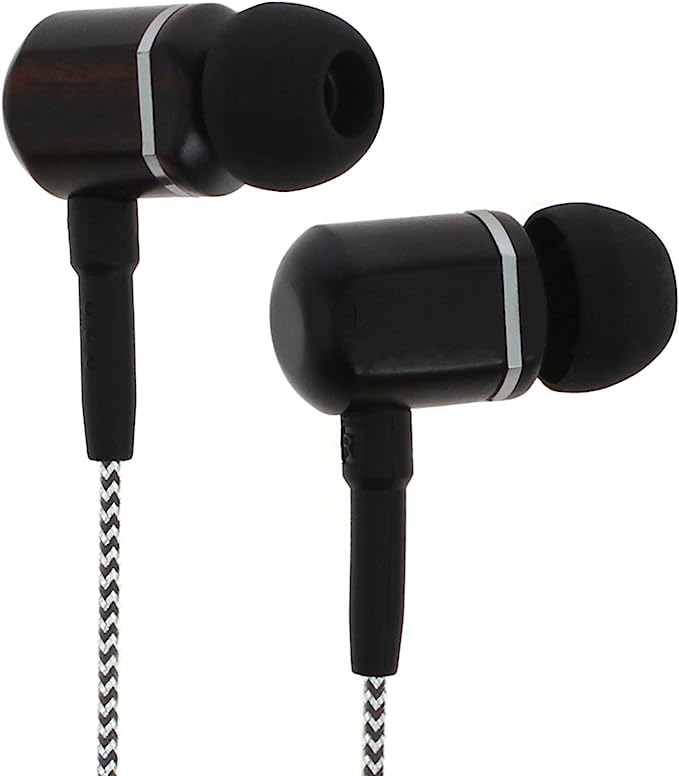
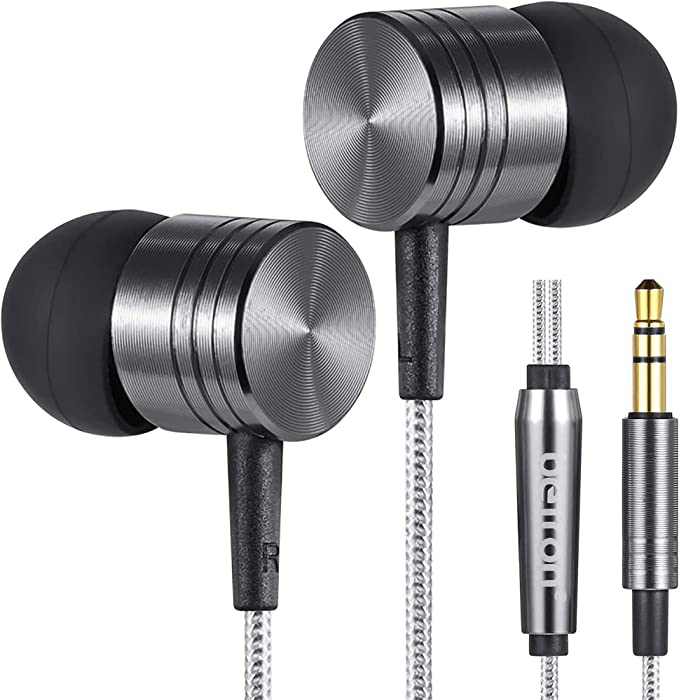
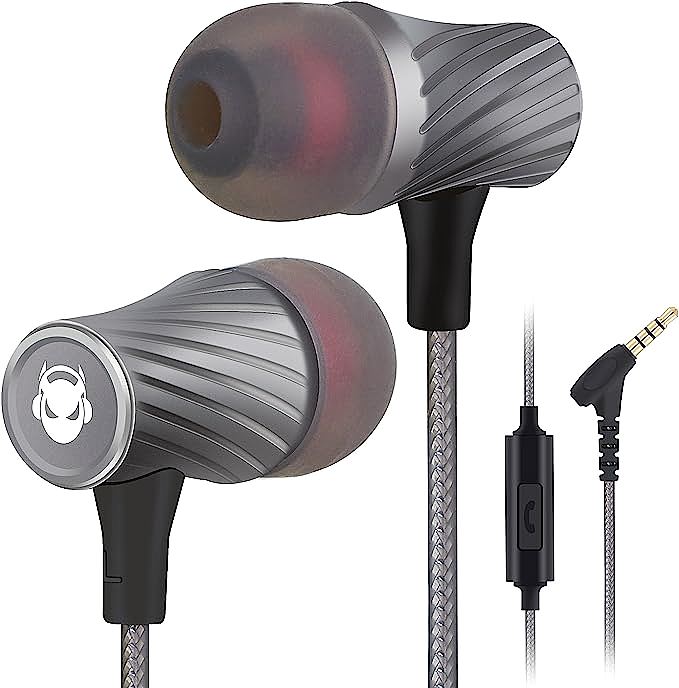
This is where material science creates a solution. The AILIHEN C8 utilizes a Braided Nylon Sheath.
1. Tensile Strength: Nylon fiber has a high strength-to-weight ratio, protecting the delicate internal copper strands from being severed when yanked (a common occurrence in school settings).
2. Structural Rigidity: The braid adds a slight stiffness to the cable. This structural resistance makes the cable less likely to loop back on itself tightly, effectively solving the tangling issue through geometry and friction reduction.
Ergonomics: Supra-aural vs. Circum-aural
Headphone design falls into two main camps: Over-Ear (Circum-aural) and On-Ear (Supra-aural).
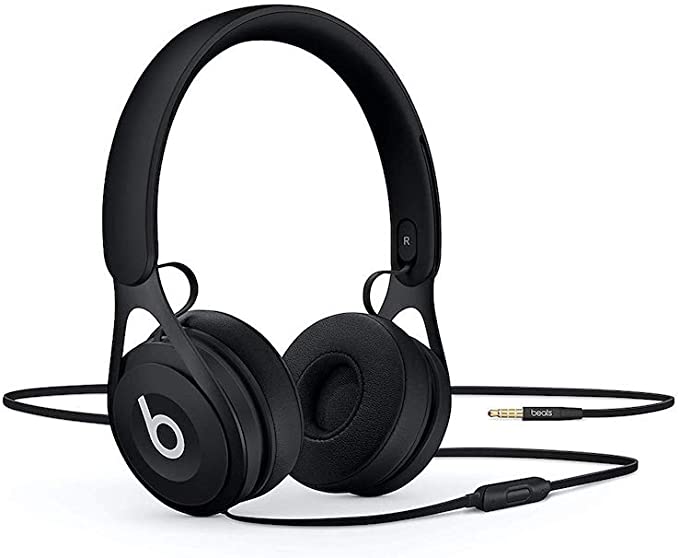
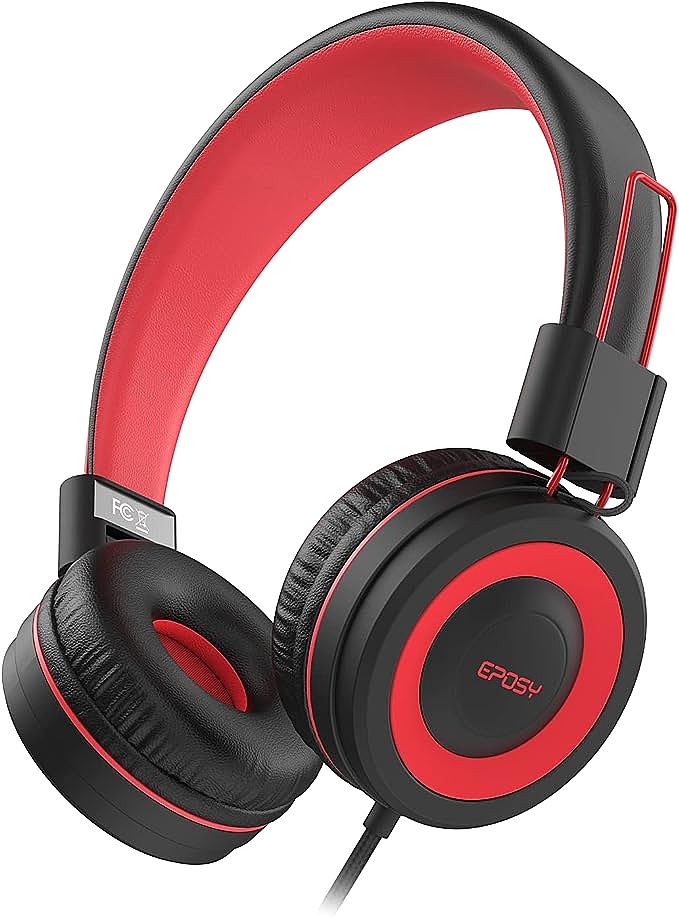
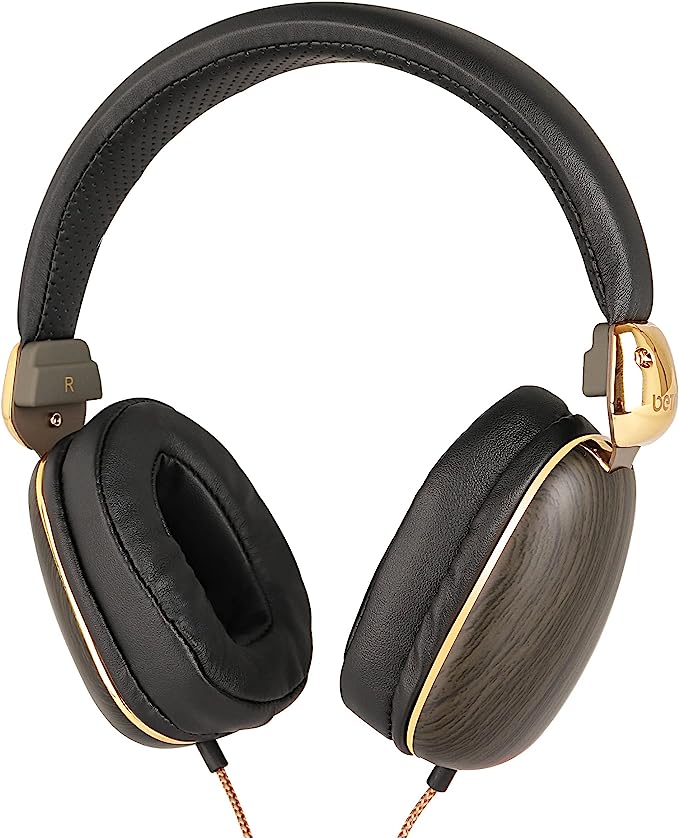
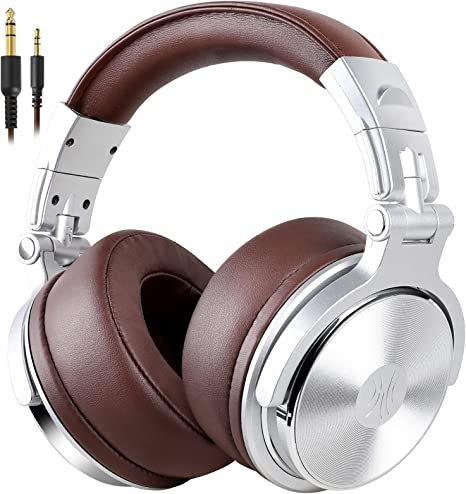
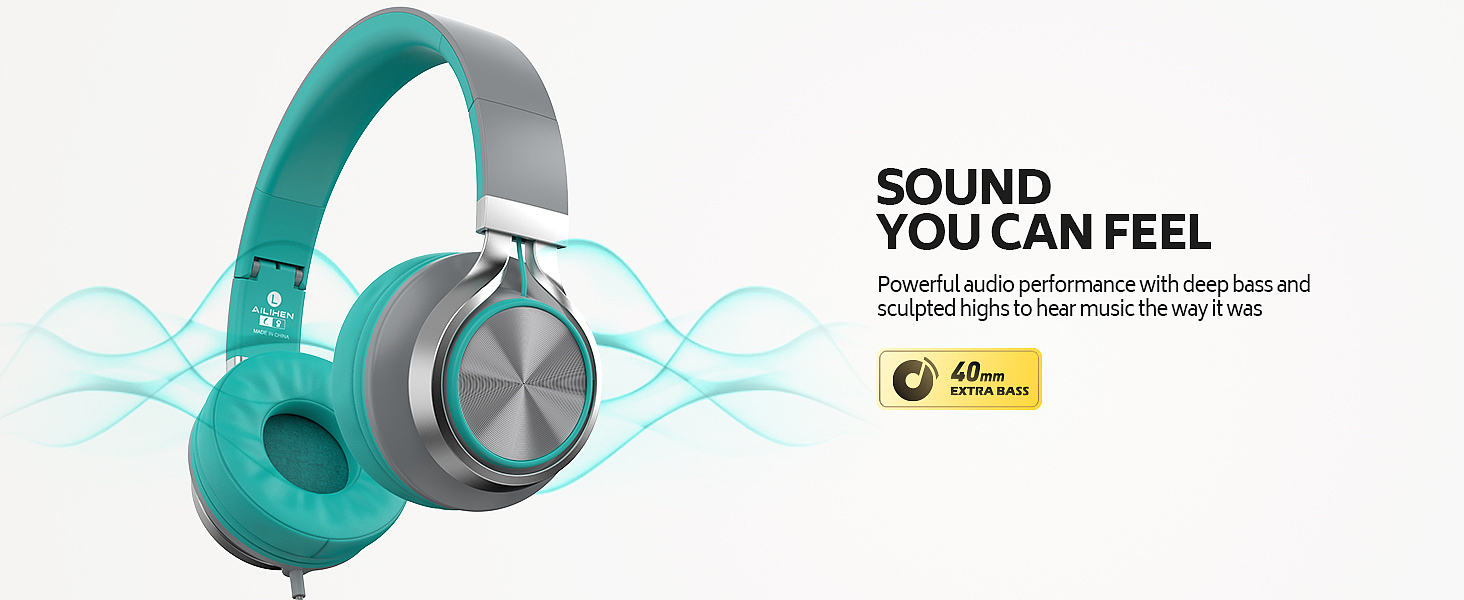
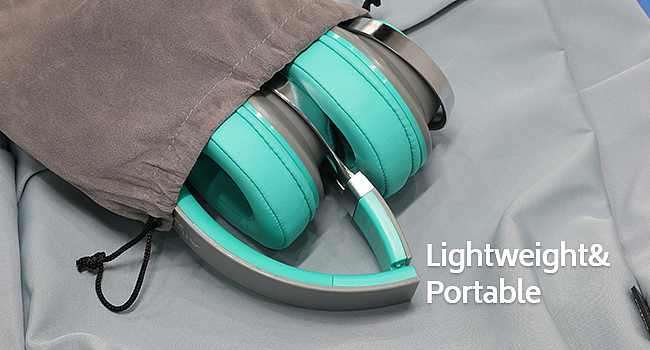
The C8 utilizes the Supra-aural (On-Ear) form factor. While over-ear headphones offer better isolation, they also create a heat trap, leading to “hot ears” during prolonged use. * Breathability: By resting on the ear rather than sealing it inside a chamber, on-ear designs allow for better airflow. * Passive Isolation: The soft cushioning provides a mechanical seal that dampens high-frequency ambient noise (like chatter) without blocking it entirely. In a classroom or office environment, this maintains a level of Situational Awareness that active noise-canceling headphones often eliminate completely.
Furthermore, the mechanics of the Adjustable Hinge allow the vector of force (clamping pressure) to be distributed evenly, preventing the headache often associated with rigid headbands.

Sustainability through Longevity
Finally, we must consider the environmental footprint. In the world of “Climate Pledge Friendly” certifications, the most sustainable device is the one you don’t have to throw away.
Because wired headphones lack internal batteries, they are not subject to planned obsolescence via battery death. A well-maintained pair of wired headphones can function for decades. This “Low-Tech” approach is, ironically, the most forward-thinking environmental strategy: reducing e-waste by removing the component most likely to fail.
Conclusion: The Reliability of “Plug and Play”
The AILIHEN C8 is not designed to compete with high-fidelity studio monitors or luxury wireless noise-cancelers. It is designed to be a Tool.
It represents the reliability of analog engineering. In a scenario where a connection must not drop, where a battery must not die, and where audio must remain in perfect sync with video, the simple physics of a wired connection remains undefeated. Sometimes, the smartest upgrade is a step back to basics.