The Rise of the Ultra-Light Utility Headset: Beyond ANC for Active Audio
Update on Nov. 14, 2025, 2:17 p.m.
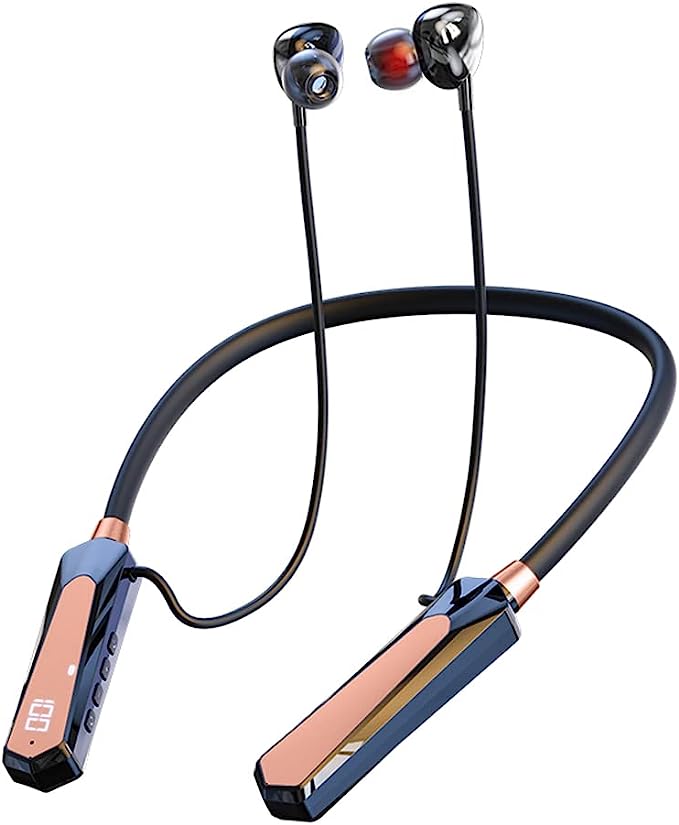
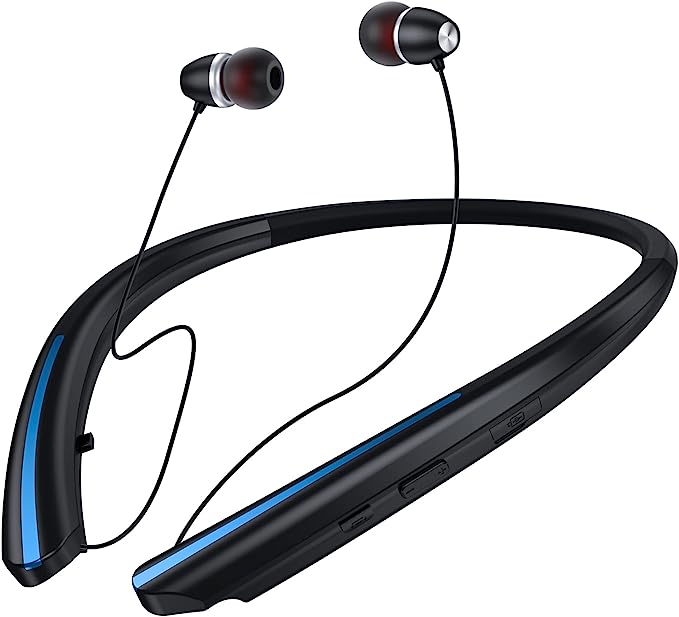
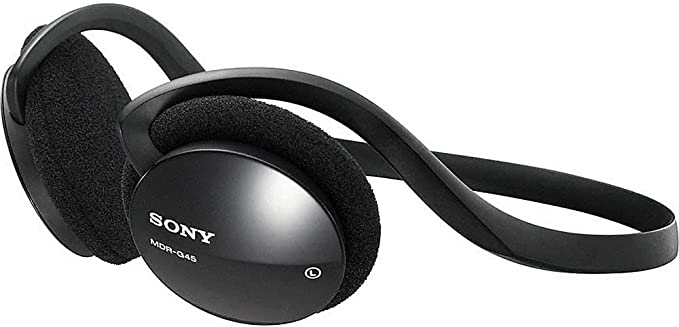
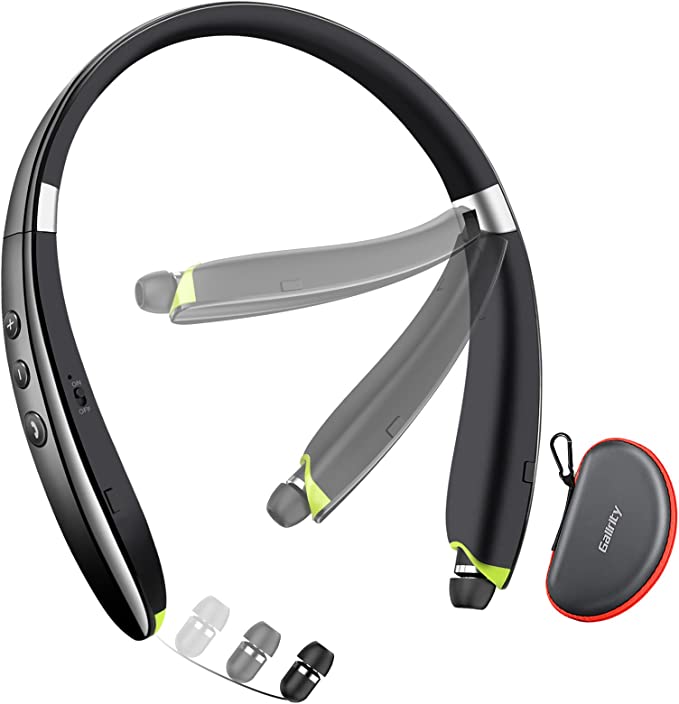
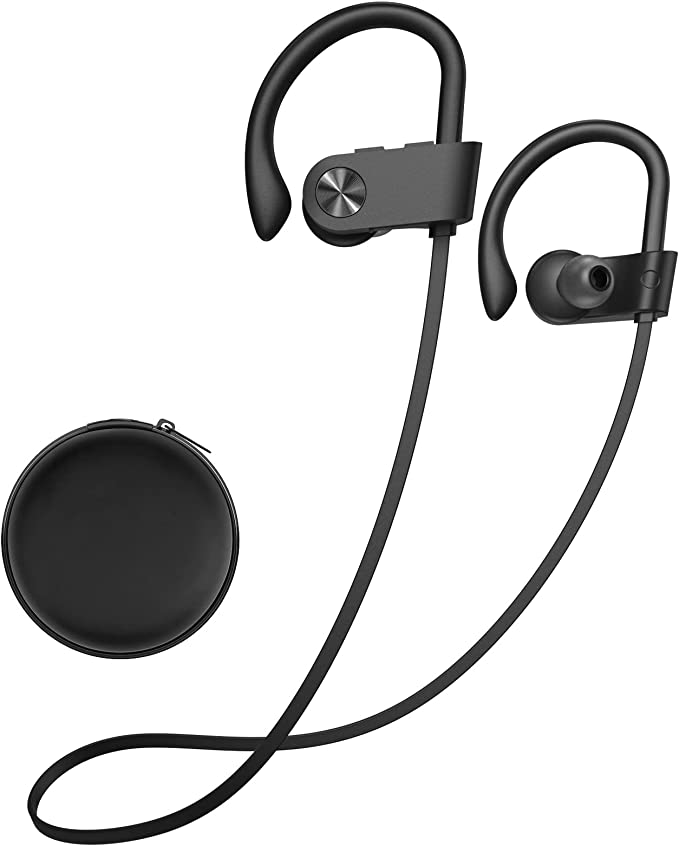
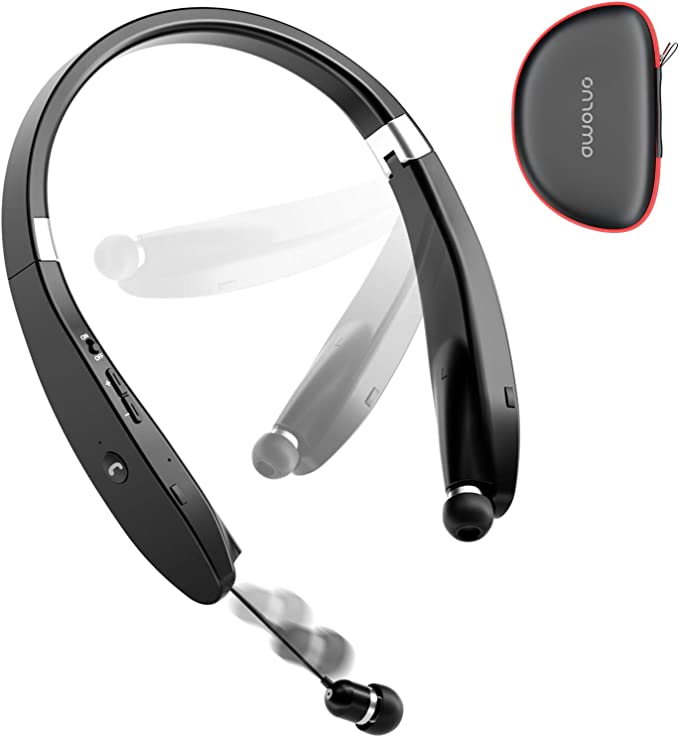
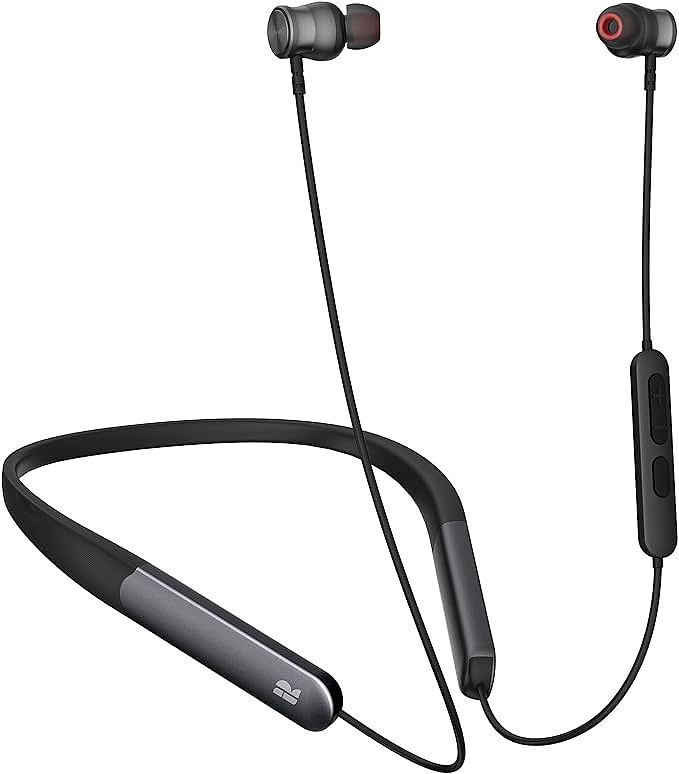
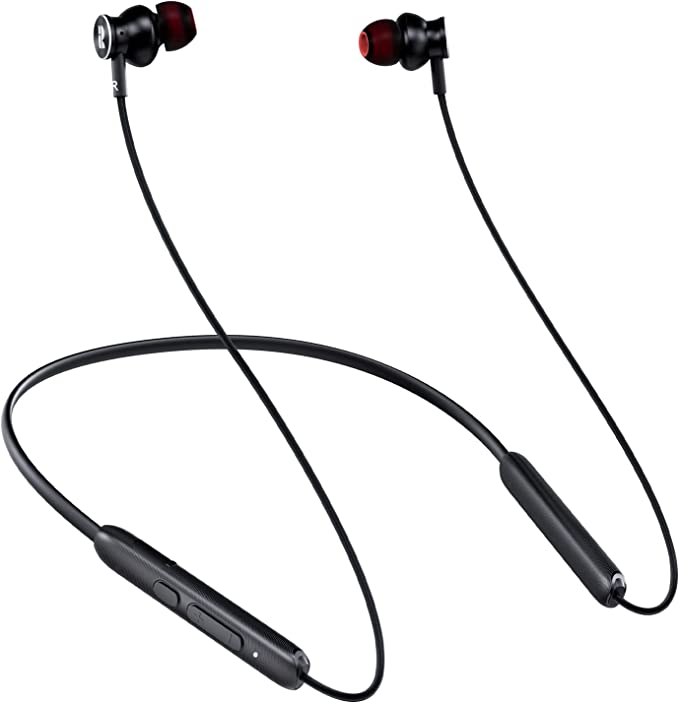
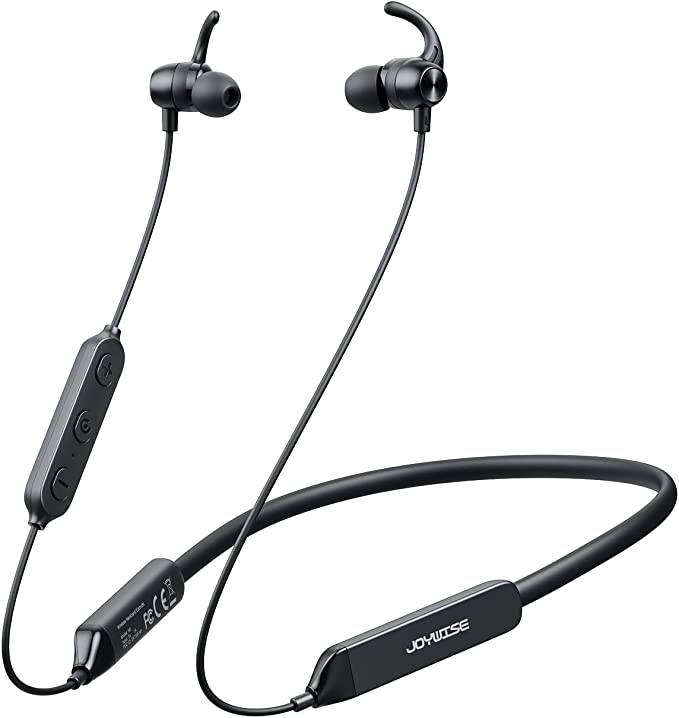
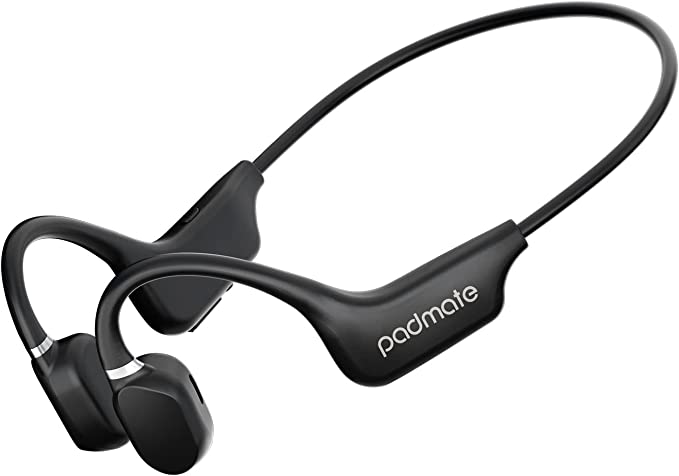
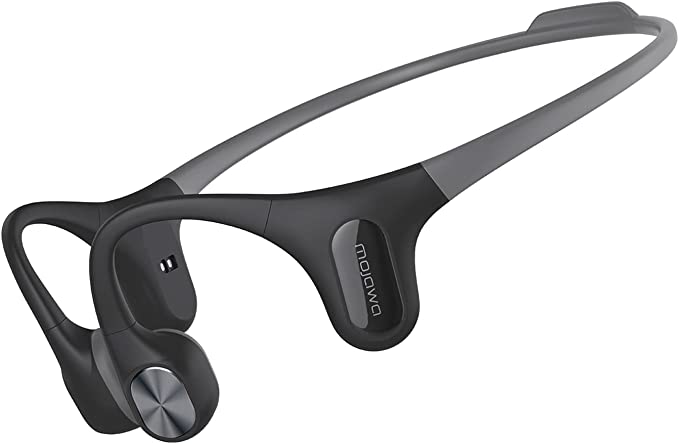
The audio world is often dominated by two extremes: bulky, over-ear Active Noise Cancellation (ANC) headphones promising silence, and tiny True Wireless Stereo (TWS) earbuds prioritizing discretion. Yet, for a significant segment of users—namely, athletes, active commuters, and comfort-seekers—neither solution fully addresses the core challenge: delivering stable, non-intrusive audio during sustained movement. This gap has led to the quiet resurgence of the utility headset, exemplified by the behind-the-head or neckband form factor.
This design philosophy is one of intelligent compromise, prioritizing kinetic stability over acoustic isolation. The result is a device engineered for continuous activity where the risk of earbuds slipping or heavy headbands shifting is a non-starter.
Deconstructing the Engineering of Stability
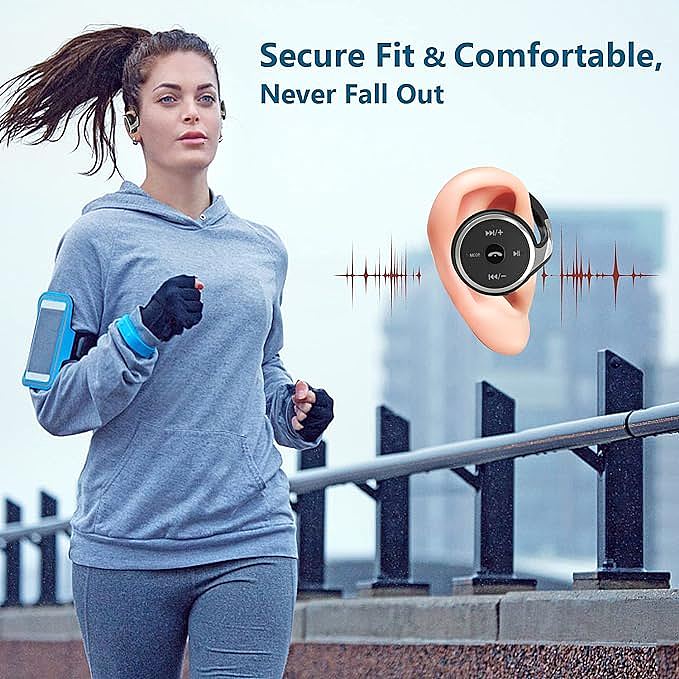
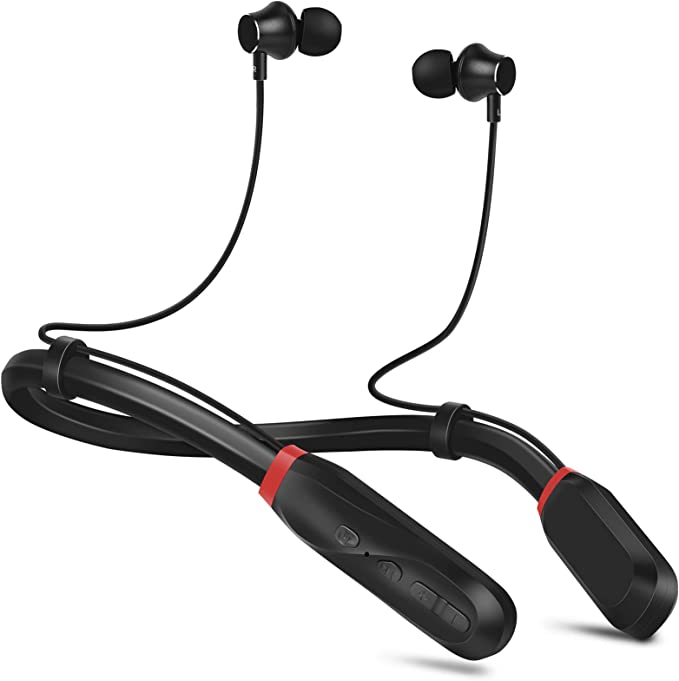
The physical dynamics of motion—running, jumping, weightlifting—are often incompatible with the weight distribution of traditional headphones. Behind-the-head headsets circumvent this by employing a minimalist, curved band that maintains gentle, opposing tension around the neck and behind the ears.
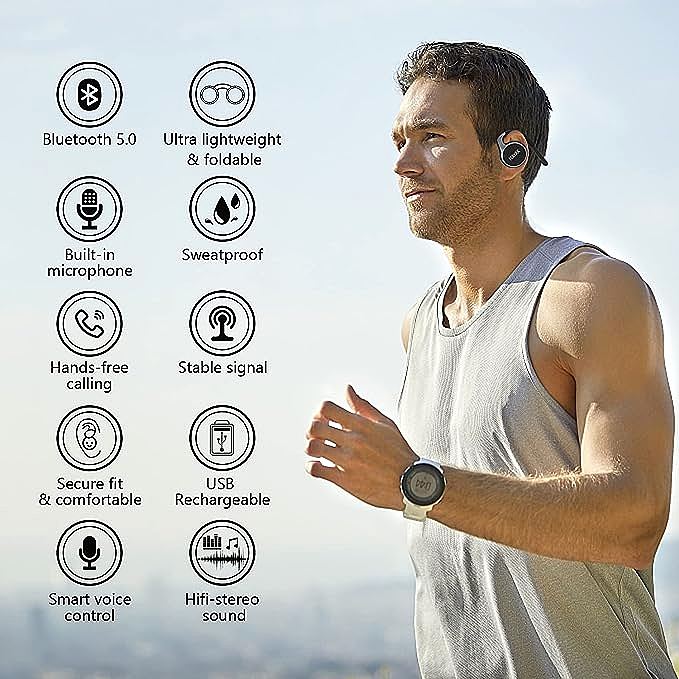
A prime example of this extreme weight reduction is the itayak SX-698A, weighing in at approximately 37 grams. This ultra-light mass is not accidental; it is the result of deliberate engineering choice, primarily utilizing advanced, low-density materials (e.g., specific polymers) for the frame. For the user, this translates into almost “non-existent” wearability—the device moves with the body, minimizing the rotational inertia that causes heavier earbuds to fall out or conventional headbands to shift. This is the mechanical solution to the high-intent search query: earbuds that don’t fall out.
Furthermore, the design often incorporates an over-ear hook or ergonomic tip which subtly anchors the driver unit. This provides a crucial second point of contact, ensuring that even under vigorous activity, the earpiece remains securely positioned, allowing users to focus entirely on their performance.
The Evolution of Utility: Ditching the Phone for Pure Audio
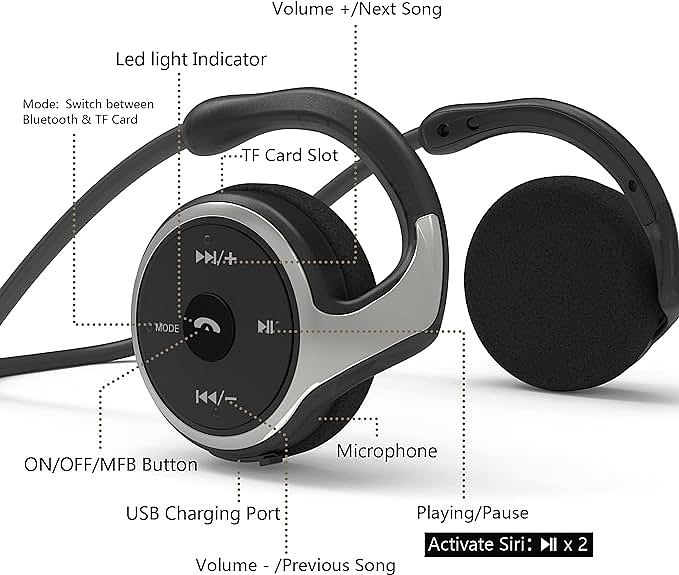
For active users, carrying a phone is often a necessary inconvenience. It’s a bulky, sometimes heavy piece of equipment that introduces the very kinetic stability issues the headphone design is trying to solve. This is where the truly multi-functional utility headset finds its niche, specifically by integrating a TF Card Slot (MicroSD).
The addition of local storage transforms the headset into a standalone MP3 player. This is a powerful, yet often overlooked, feature directly addressing modern audio consumption pain points:
- Eliminating Bluetooth Latency/Dropouts: By removing the wireless link to a secondary device, all potential Bluetooth signal instability—a known issue, particularly when devices are separated or passing through crowded Wi-Fi zones—is eliminated. The music source is local and instantaneous.
- Unburdening the Athlete: Leaving the smartphone behind means leaving behind its considerable weight, removing potential distractions, and solving the perpetual problem of where to securely store it during a long run or intensive workout.
- Adjacency to Waterproof Audio: This feature is universally demanded by markets for swimming headphones (IPX8 rated devices) because Bluetooth signals do not transmit effectively underwater. By integrating MP3 functionality into a robustly sealed, active-ready headset, the underlying Wireless Headphones with TF Card Slot architecture serves both land and adjacent water-sports use cases, offering a high-value, single-unit audio solution.
The SX-698A’s capacity for SD Card Play thus represents a functional decoupling, enabling true audio independence—a core pillar of the utility headset philosophy.
Decoding Specs: Functionality, Durability, and Power Efficiency
The value of the utility headset lies not just in its comfort, but in its robust performance characteristics relative to its minimalist size and price point.
Connectivity and Endurance (Bluetooth 5.0 and Battery Life)
The integration of Bluetooth 5.0 is crucial not only for a stable 33-foot connection range but also for its power efficiency. The technology allows for sustained transmission with minimal battery drain. This efficiency enables the device to provide ample endurance despite its ultra-light design, yielding impressive metrics: up to 11+ hours of music time or 14 hours of talk time on a single approximately 3-hour charge. For the target user, this is a clear signal that the device reliably lasts a full day of activity and commuting without critical recharging anxiety.
Weather Resistance: IPX5 and Practical Durability
For running headphones and active audio gear, water resistance is non-negotiable. The IPX5 Sweatproof rating is a key indicator of durability. * IP (Ingress Protection) is a codified international standard. * IPX5 means the headset is protected against directed jets of water. In practical terms, this certifies resistance to heavy perspiration, splashing, and unexpected rain showers. It’s a fundamental promise that the device won’t fail when subjected to typical moisture from rigorous exercise. This separates it from basic, non-rated consumer electronics and aligns it with dedicated fitness gear.
Acoustic Engineering: Passive Isolation as a Feature
While the technical term “Hi-Fi Stereo Sound” might evoke complex, audiophile-grade drivers, here it denotes a commitment to clarity and a dynamic range optimized for outdoor listening—a scenario where maximal noise cancellation is often undesirable for safety. The headset achieves background noise filtering primarily through passive noise isolation—the physical seal created by the earbud resting comfortably in the ear. This contrasts with ANC, which uses microphones to create counter-waves. In high-movement situations, simple passive isolation can often provide a less distracting, more stable soundstage, delivering the promised “super bass” effect more consistently than systems struggling to maintain an ANC-induced pressure seal.
The Functional Trade-Offs: Decrypting User Feedback
The value proposition of a utility headset is clear: function and stability over luxury. However, this often introduces unique functional trade-offs, particularly in user interface design.
| Feature | User Perception (Observed in Feedback) | Engineering/Design Decoding (Trade-Off) |
|---|---|---|
| Ergonomics (Form Factor) | “fit my head perfectly,” “very comfortable,” “better than expected” | Success of Core Mission: The design’s ultra-lightweight and over-ear anchor directly solves the core problem of stability and comfort for active users. |
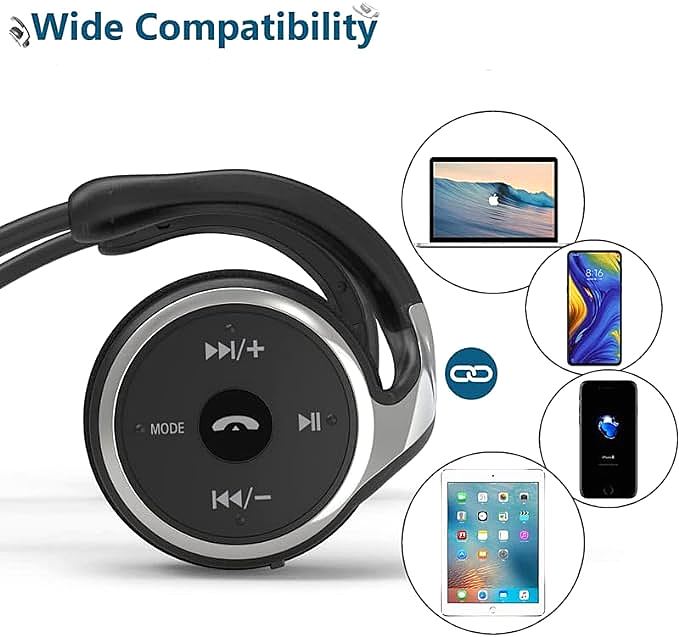
| Interface (Controls) | “buttons are a pain,” “volume control doesn’t seem to function.” | Compromise in Miniaturization: Placing tactile controls on a small, flexible frame inherently limits button quality and complexity. The 5 control buttons are a feature, but their execution introduces usability friction. |
| System Notifications | “annoyingly loud voice,” “shouting ‘DISCONNECTED!’” | Audio Safety Margin: The loud voice prompts (e.g., “Connected,” “Low Power”) are likely calibrated to be audible even when the headset’s volume is deliberately turned down or in loud environments (like a gym). This is an over-engineered warning designed for maximal utility, but at the expense of comfort in quiet settings. |
| Connectivity (PC Use) | “Loses PC connection repeatedly,” “static on audio.” | Device Prioritization: The Bluetooth implementation is optimized for mobile devices (phones/tablets), where power profile and low latency are prioritized. Using it with a PC/desktop, which often has older or less optimized Bluetooth stacks, can expose underlying compatibility flaws. |
These compromises illustrate that while the device—like the itayak SX-698A—successfully navigates the most demanding requirement (non-intrusive stability), its budget and minimalist constraints reveal themselves in software and interface execution. The manufacturer prioritizes core utility (stable fit, long play time, MP3 function) at the expense of polished tertiary features (voice prompts, fluid volume control).
In conclusion, the Ultra-Light Utility Headset category is the quiet antidote to audio product excess. It is not seeking to win the ANC wars or the Hi-Res audio debates. Instead, it offers a pragmatic, lightweight, and uniquely feature-rich solution for a massive, underserved user base: anyone who moves. By mastering the fundamental engineering principles of weight-to-stability ratio and offering the crucial independent audio source of a TF card slot, models like the SX-698A carve out a viable path forward for minimalist, performance-driven personal audio.