The Physics of Miniaturization: Engineering the Altec Lansing NanoBuds 2.0
Update on Nov. 22, 2025, 3:55 p.m.
In the annals of audio history, few names carry the weight of Altec Lansing. This is the company that powered the sound for the first “talkie” motion picture and the Woodstock festival. Today, however, the brand operates in a vastly different landscape, competing in the fiercely crowded market of budget True Wireless Stereo (TWS) earbuds. The Altec Lansing MZX5000 NanoBuds 2.0 represent this shift: a legacy brand applying its engineering ethos to a product accessible to everyone.
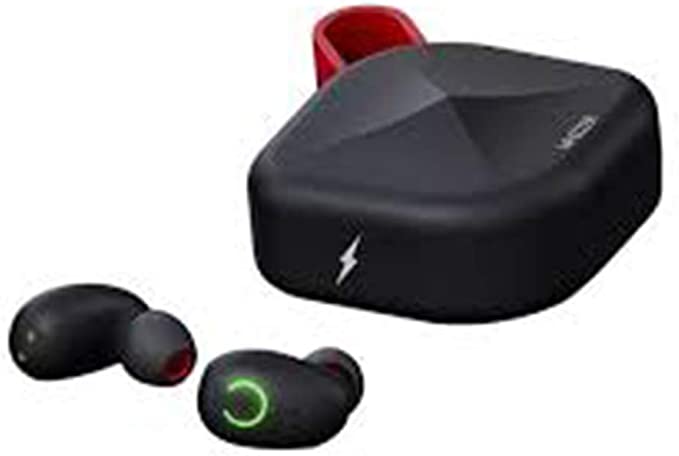
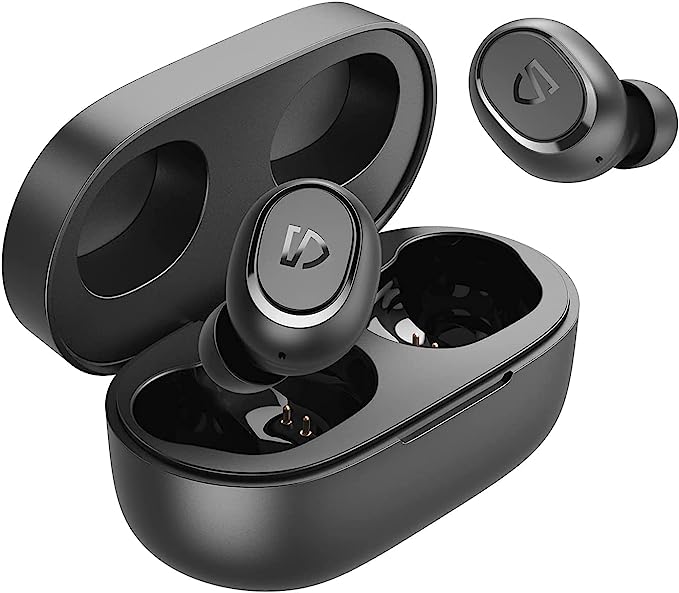
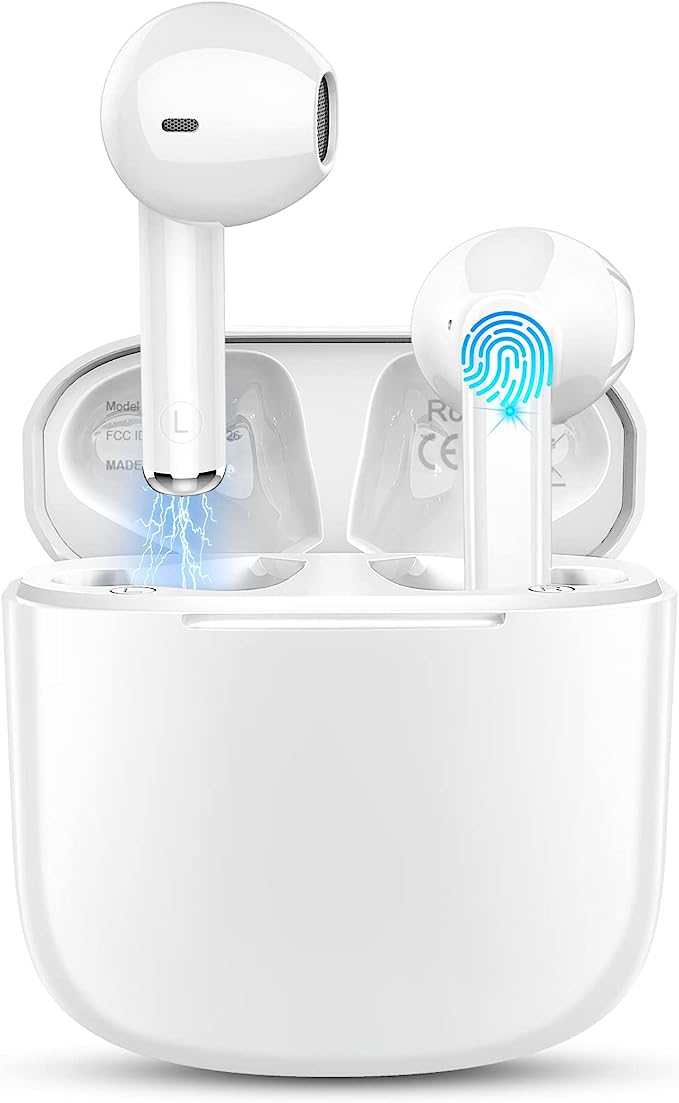
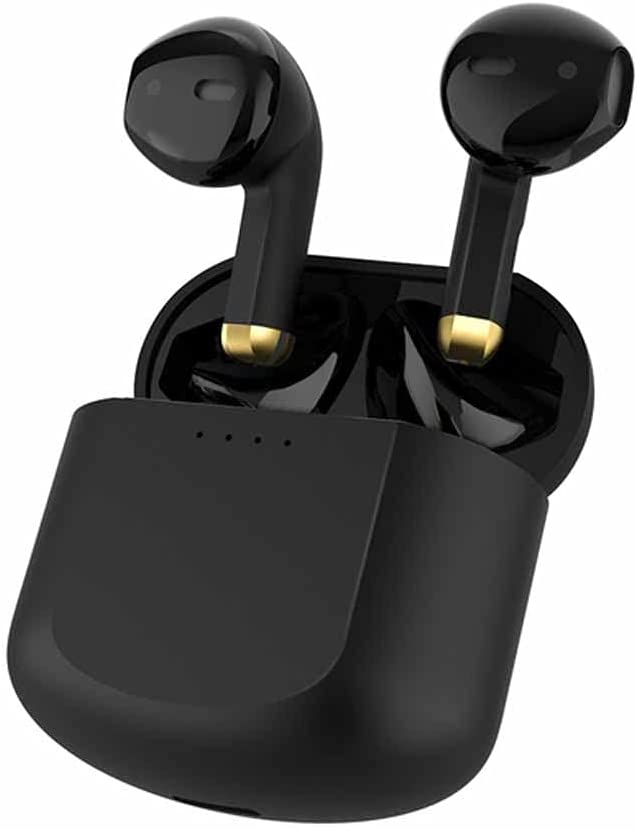
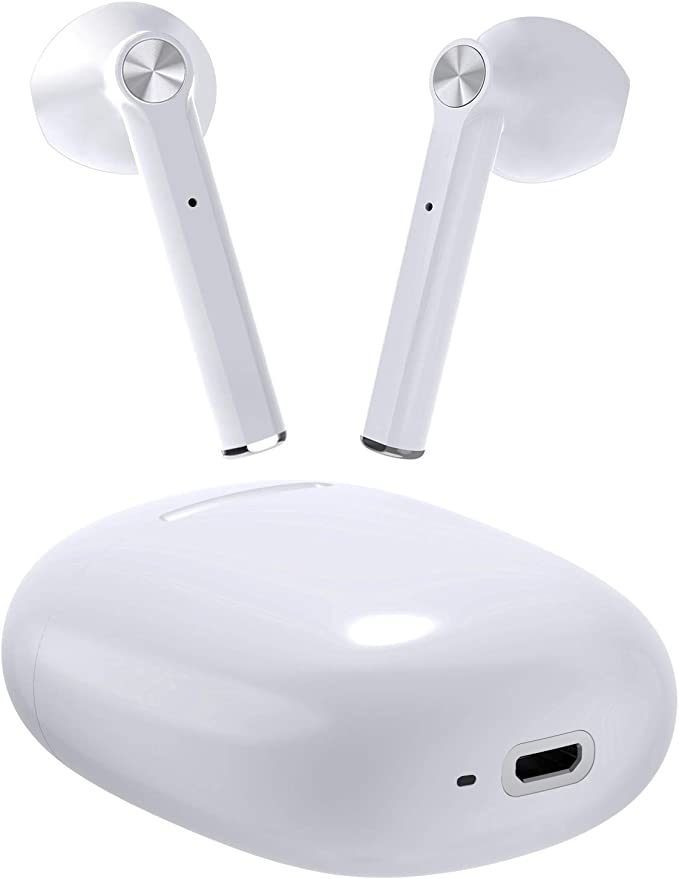
But beyond the brand name, the NanoBuds 2.0 offer a fascinating case study in “Functional Miniaturization.” At a price point where many competitors produce bulky, generic shells, Altec Lansing has doubled down on a specific form factor—the “Nano”—that solves distinct physical problems related to fit, inertia, and portability.

The Mechanics of “Nano”: Low Inertia and Stability
The term “Nano” is marketing shorthand for a specific engineering goal: reducing volume and mass. In the context of sports and daily activity, mass is the enemy.
When you run or jump, your body moves, and Newton’s First Law dictates that objects attached to your body (like earbuds) want to stay in their original state of motion. A heavy, protruding earbud creates a lever arm. As you land a step, gravity and momentum pull down on this lever, eventually breaking the acoustic seal and dislodging the device.
The NanoBuds 2.0 address this through a Low-Profile Design. By minimizing the mass that sits outside the ear canal, they significantly reduce the leverage of these dislodging forces. * Center of Gravity: The mass is concentrated closer to the head, nestled within the concha (the bowl of the ear). * Result: The earbuds stay secure not just through friction, but through improved biomechanics. For users with smaller ears—a demographic often ignored by bulky audiophile gear—this compact geometry is often the difference between a device that works and one that hurts.

Decoding IPX5: The Jet Spray Standard
Water resistance is a critical specification for any “go-anywhere” device, but the ratings are often misunderstood. The NanoBuds 2.0 carry an IPX5 rating.
In the IEC 60529 standard: * IPX4 (Common): Protects against splashing water. * IPX5 (NanoBuds): Protects against low-pressure water jets (6.3mm nozzle) from any direction.
From an engineering standpoint, moving from IPX4 to IPX5 requires tighter tolerances on the assembly seams and the use of higher-grade hydrophobic meshes over the microphone and driver ports. It means the device is tested to withstand a direct stream of water, not just a mist. * Real-World Application: While you cannot swim with them (that requires IPX7 or IPX8), IPX5 provides a robust safety margin against heavy perspiration and sudden downpours. It transforms the earbud from a delicate electronic component into a ruggedized accessory suitable for outdoor running or intense gym sessions.

The Audio Engine: Dynamic Drivers and “Fun” Tuning
Inside the compact housing lies the heart of the system: the Dynamic Driver. While Altec Lansing does not specify the exact diameter, the physics of TWS design typically dictates drivers between 6mm and 10mm for this form factor.
Budget audio engineering is the art of compromise. Achieving a perfectly flat, studio-reference frequency response is difficult and expensive. Instead, Altec Lansing likely employs a “Consumer-Tuned” sound signature, often referred to as V-shaped. * The Logic: By slightly boosting the bass (lows) and the treble (highs), engineers create a sound that feels “energetic” and “clear” immediately upon listening. This tuning helps cut through the background noise of a commute or a gym, providing the rhythmic drive needed for workouts. It is a pragmatic choice, prioritizing enjoyment and motivation over critical analysis.
Connectivity and Interface: Bluetooth 5.0 and Capacitive Touch
The NanoBuds 2.0 utilize Bluetooth 5.0, a standard that has become the baseline for modern reliability. Compared to older 4.2 protocols, Bluetooth 5.0 offers: * Higher Bandwidth: Allowing for more stable audio transmission. * Low Energy (LE): Crucial for squeezing 5 hours of playtime out of the tiny batteries required by the “Nano” form factor.
The user interface relies on Capacitive Touch Controls rather than physical buttons. In a device this small, pressing a physical button would push the earbud painfully deep into the ear canal. Touch controls eliminate this pressure, allowing users to manage playback and calls with a light tap. While touch controls can sometimes be sensitive, they are the ergonomically superior choice for such a compact design.

The Case for “Good Enough”
In a market filled with $300 technological marvels, the Altec Lansing NanoBuds 2.0 make a compelling argument for sufficiency. They do not have active noise cancellation, nor do they support high-bitrate LDAC codecs.
However, they deliver on the fundamentals: they fit securely due to smart physics, they resist the elements thanks to IPX5 engineering, and they play music reliably via Bluetooth 5.0. For the student, the runner, or anyone seeking a backup pair that doesn’t sacrifice brand heritage for price, the NanoBuds 2.0 represent a triumph of mass-market engineering—proof that good sound doesn’t have to be complicated or expensive.