The Physics of High-Impedance Portability: Decoding 60 Ohm Drivers and Open-Back Acoustics
Update on Jan. 25, 2026, 6:59 p.m.
In the world of audio engineering, there is a persistent myth that “louder is better” and that lower impedance equates to higher efficiency. While partially true for battery-powered consumer electronics, this simplification overlooks the nuanced relationship between electrical resistance (impedance) and audio fidelity (damping factor). High-fidelity audio often relies on higher impedance loads to allow for tighter control over the driver’s movement, reducing distortion and improving transient response.
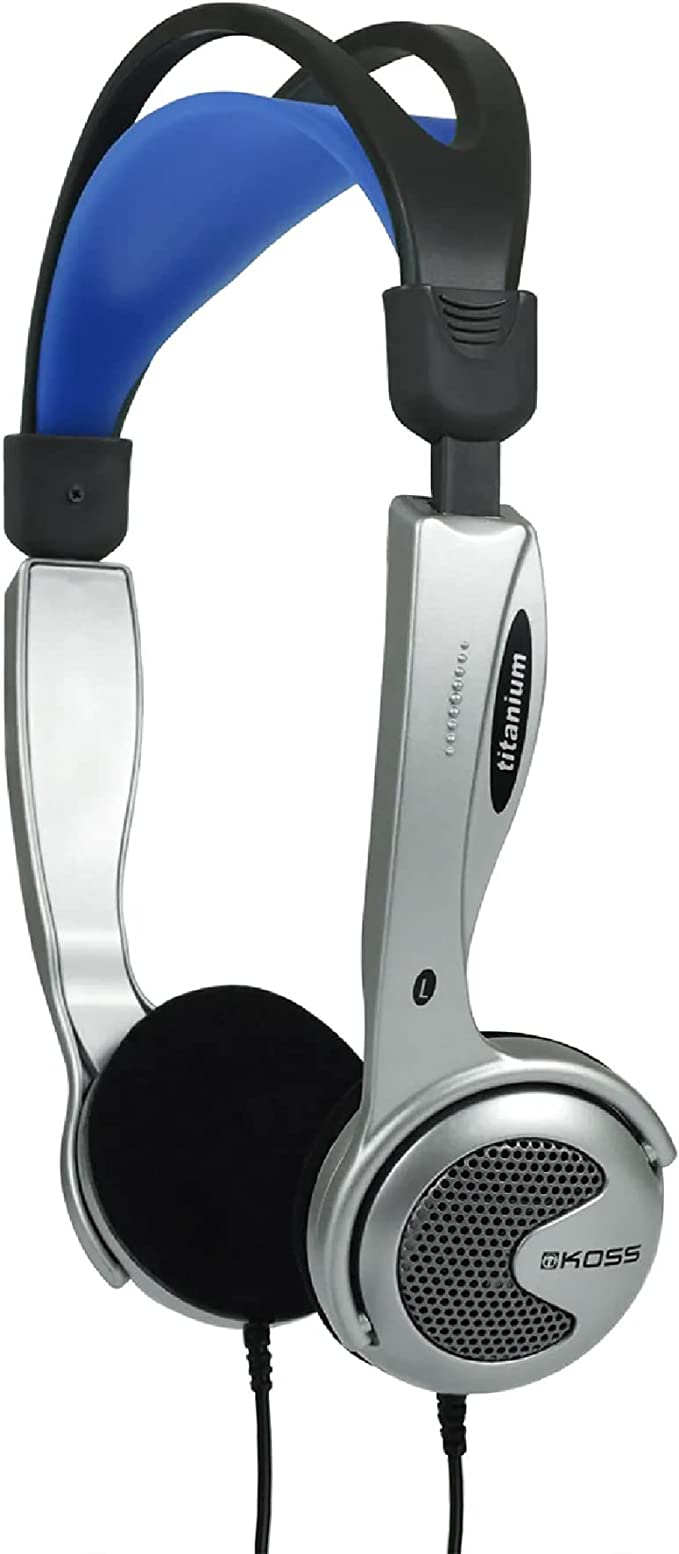
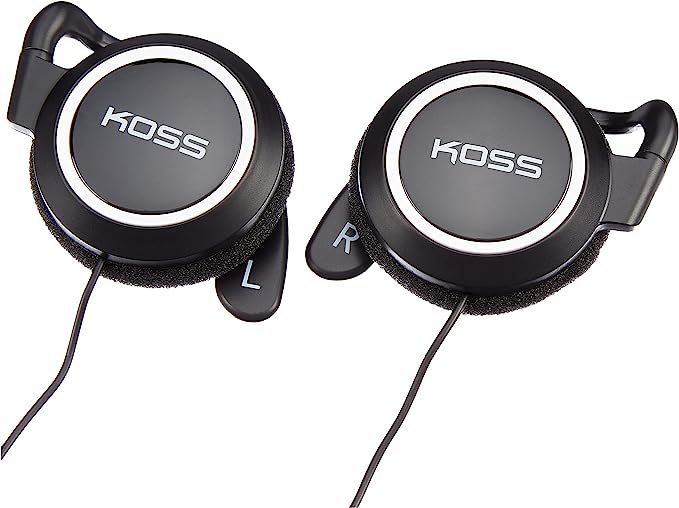
The Koss KPH30iK presents a fascinating engineering case study: a portable, on-ear headphone that eschews the industry-standard 16 or 32 Ohm impedance for a robust 60 Ohm configuration. This design choice, combined with a semi-open acoustic chamber, places it in a unique intersection of mobile utility and audiophile-grade physics.

The 60 Ohm “Sweet Spot”: Balancing Voltage and Damping
Impedance, measured in Ohms, is the resistance a component offers to the flow of alternating current (audio signals). * Low Impedance (<32 Ohms): Easy to drive with low voltage (phones), but the voice coil uses heavier wire, increasing mass and potentially muddying the sound due to inertia. * High Impedance (>100 Ohms): Requires higher voltage (dedicated amplifiers), but allows for lighter voice coils and finer control.
The KPH30iK’s 60 Ohm specification represents a calculated engineering compromise. It is high enough to benefit from a lighter voice coil, which improves the driver’s ability to stop and start quickly (transient response), resulting in cleaner treble and tighter bass. Yet, it remains low enough to be driven to acceptable volumes by the internal amplifiers of modern smartphones and laptops without requiring an external amp. This creates a “plug-and-play” high-fidelity experience that leverages the voltage rails of standard devices more effectively than ultra-low impedance counterparts.
Open-Back Fluid Dynamics and Spatial Imaging
The “Open-Back” designation refers to the treatment of the rear wave generated by the driver. When a diaphragm moves forward to create sound, it pulls back, creating an equal pressure wave behind it. In closed-back headphones, this energy is trapped, creating resonances that can color the sound.
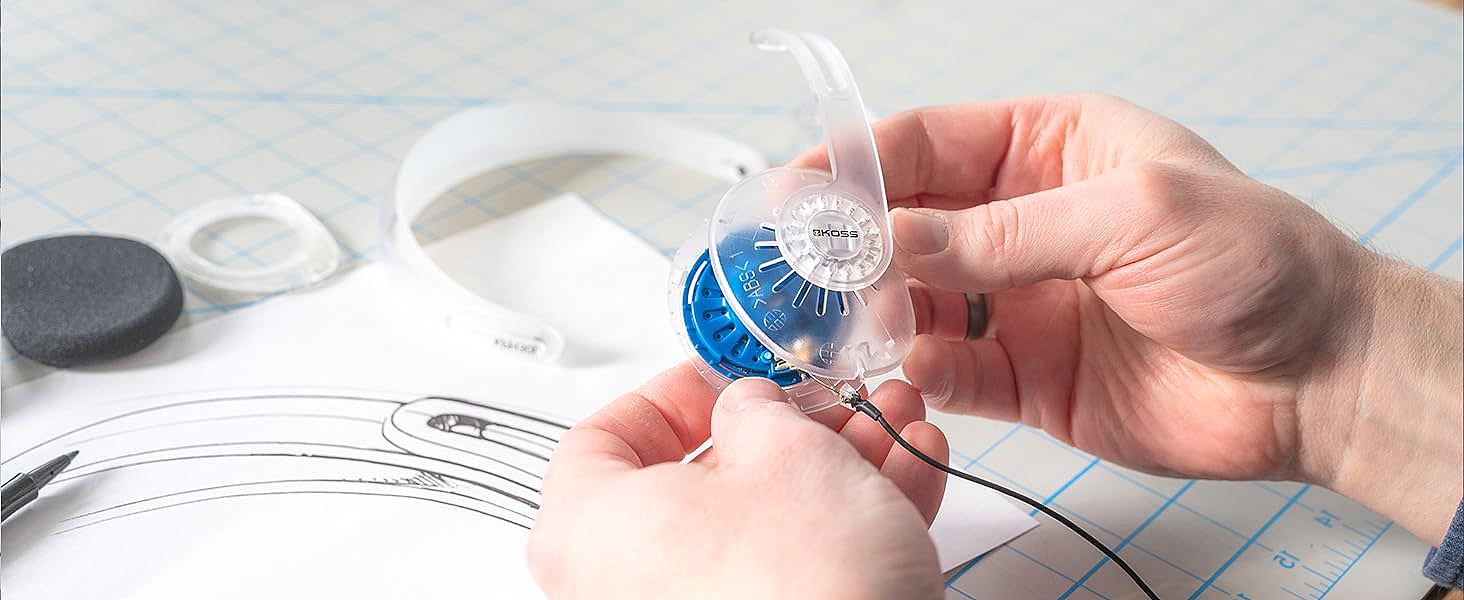
The KPH30iK utilizes a vented, open-back housing. This allows air to flow freely behind the driver.
1. Resonance Reduction: By letting the rear wave escape, standing waves inside the cup are minimized, preventing the “boxy” coloration often heard in cheap closed-back headphones.
2. Soundstage Expansion: The lack of a sealed enclosure allows for acoustic crosstalk and interaction with the room environment. This tricks the brain into perceiving the sound as coming from outside the head (binaural externalization), rather than from the center of the skull. This physical arrangement is essential for the “spacious sound” described in its specifications.

D-Profile Ergonomics and Acoustic Coupling
The shape of the ear cup is not merely aesthetic; it is an acoustic interface. The human ear is not circular; it is roughly ear-shaped (pinna). Circular pads on on-ear (supra-aural) headphones often create uneven pressure seals, leaking bass and causing discomfort.
The D-Profile design of the KPH30iK mimics the natural anatomy of the ear. This shape ensures a more consistent contact patch between the foam cushion and the ear. A consistent seal is critical for bass response in open-back designs. Since low-frequency waves are long and omnidirectional, they easily leak out if the coupling is poor. The D-shape maximizes the surface area of the coupling, ensuring that the 15 Hz low-end extension is physically perceptible to the listener.
Frequency Response and the “Koss Sound”
The specified frequency response of 15 - 25,000 Hz exceeds the typical human hearing range (20 - 20,000 Hz). While the extremes are often imperceptible as tones, the extended bandwidth ensures that the driver behaves linearly within the audible spectrum. The roll-off happens outside the critical listening range, preventing phase distortion in the treble. This engineering approach aligns with the signature “warm” sound profile often associated with Koss—a slight elevation in the upper bass and lower mids (100-300Hz) combined with a smooth, non-fatiguing treble roll-off, optimized for long-term listening enjoyment rather than analytical surgical precision.