The Biomechanics of "Stay-Put": Why You Need Ear Hooks


BoomPods Sportpods TWS in-Ear Wireless Headphones
It’s the runner’s nightmare: You are at mile 18, the endorphins are flowing, and suddenly—clatter. Your $200 white plastic bud bounces off the pavement and rolls toward a storm drain. This is "Earbud Anxiety," and it ruins workouts.
The industry tries to solve this with "fins," "wings," and "ergonomic shapes," but physics is stubborn. Gravity and sweat are a lethal combination for friction-based fit. The BoomPods Sportpods TWS rejects these half-measures. It embraces the only structural solution that defies gravity: The Ear Hook. This article performs a forensic analysis of why this "clunky" design is actually the peak of performance engineering.
The Physics of Friction vs. Mechanics
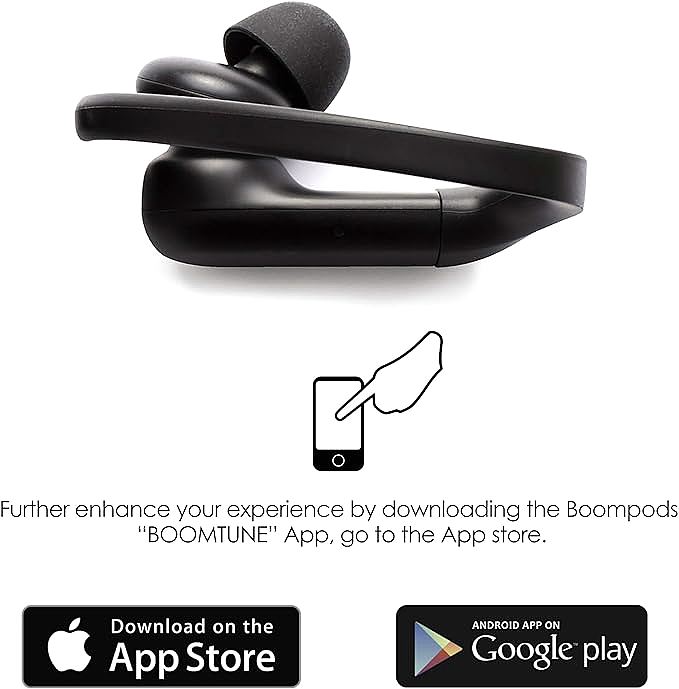
Standard earbuds (like AirPods) rely on Friction. They wedge into your ear canal. * The Problem: Sweat is a lubricant. As you exercise, the coefficient of friction drops. Combine this with the G-force of a heel strike (running) or a jump squat, and the earbud becomes a projectile (Physics). * The BoomPods Solution: These use Mechanical Anchoring. The moldable hook wraps around the helix root (the base of your ear). Even if the canal is flooded with sweat and friction drops to zero, the hook physically hangs onto your anatomy.
So What? As user "Hayduke" verified: "I run and lift, and no matter the position or how much I bounce around, they stay put." You can do handstand pushups, and the laws of physics keep the music playing.
Load Distribution: Comfort in Disguise
Critics argue ear hooks are uncomfortable. Biomechanically, the opposite is true.
To keep a standard bud in place, you must jam it deep, creating outward pressure on the sensitive vagus nerve endings in the ear canal. This causes "listening fatigue" or actual pain.
The BoomPods shift the weight load from the sensitive canal to the Pinna (outer ear) (Thesis). The cartilage behind your ear is robust and lacks high nerve density. By hanging the weight, the ear tip can sit gently in the canal to seal the sound, rather than pushing against it to hold on.
Field Note: The "Glasses" Conflict
While the hook is superior for stability, it occupies real estate.
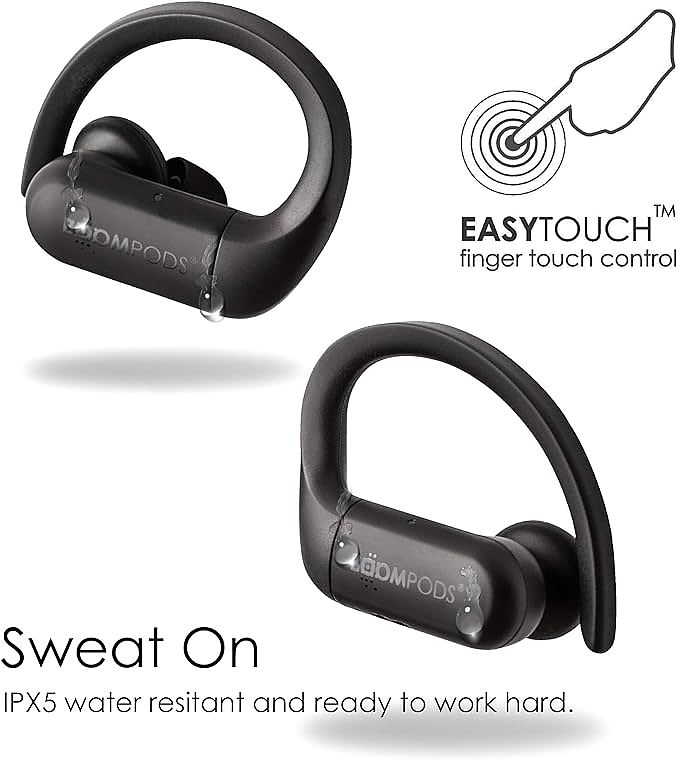
Field Note: If you wear thick-framed glasses or sunglasses, the BoomPods hook and your glasses temple will fight for the same space behind your ear.
The Fix: Put the headphones on first, molding the hook tight to your skull. Then, slide your glasses on top. The soft silicone of the BoomPods is designed to compress, accommodating the glasses without pinching.
Conclusion: Ugly but Effective
The BoomPods Sportpods are not fashion accessories. They are gym equipment. They trade the sleek, invisible look of modern buds for a visible, structural loop. But for the athlete who measures success in miles ran and weights lifted—not in mirror selfies—this trade-off is the only one that makes sense.
