The Quiet Rebellion: Why Wired Headphones Are Still a Smart Choice
Update on Nov. 14, 2025, 8:32 p.m.
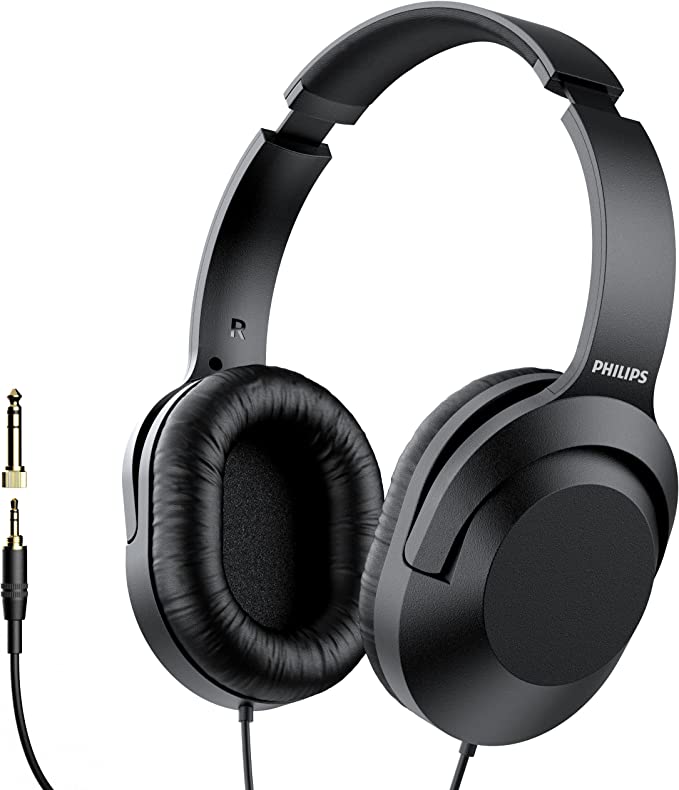
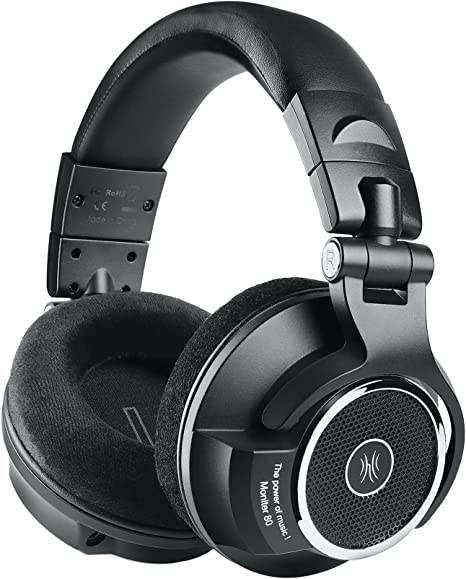
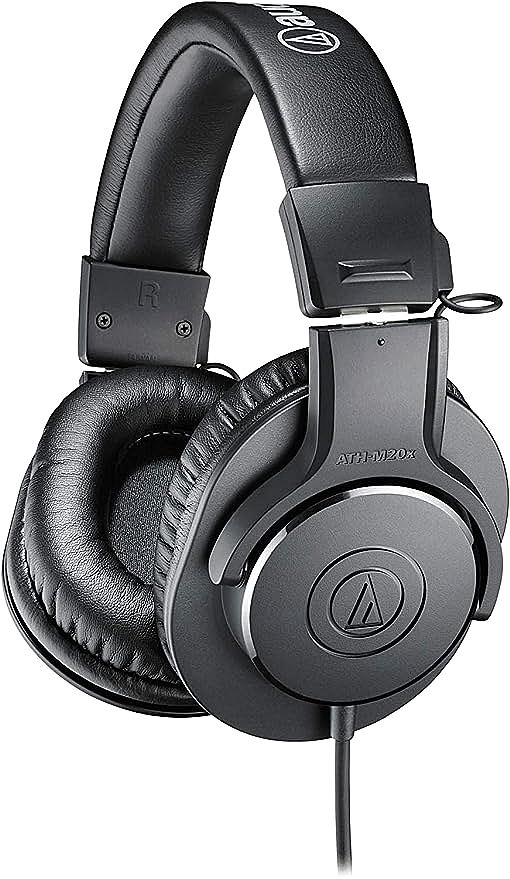
In our relentless march towards a wireless future, a quiet rebellion is taking place. It’s happening in school classrooms, on airplane tray tables, and in the backpacks of pragmatic travelers. While the world chases the latest Bluetooth protocols and mourns the loss of the headphone jack, the humble wired headphone continues to thrive, not as a relic, but as a statement of purpose.
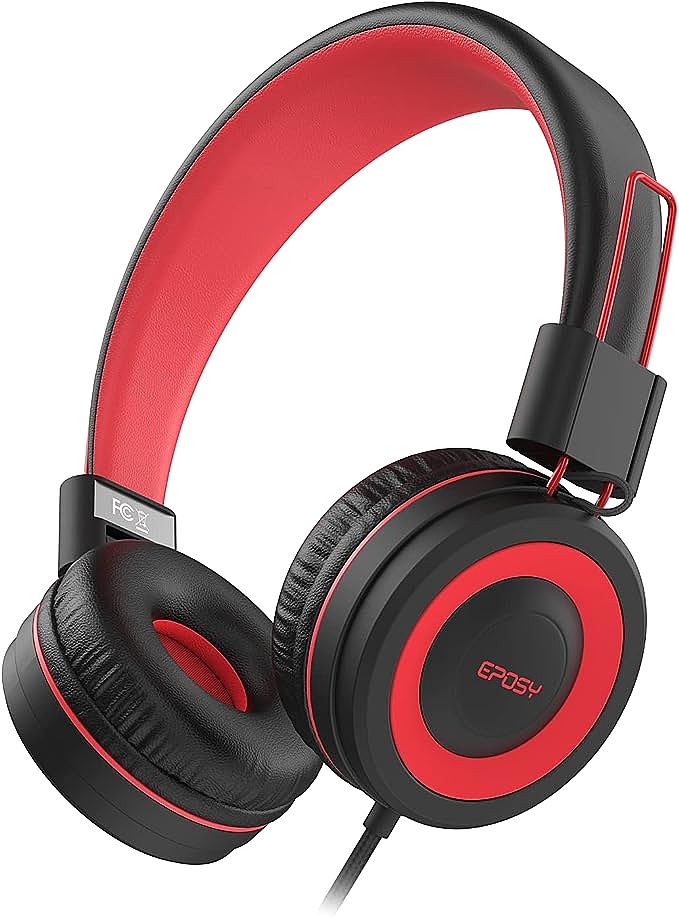
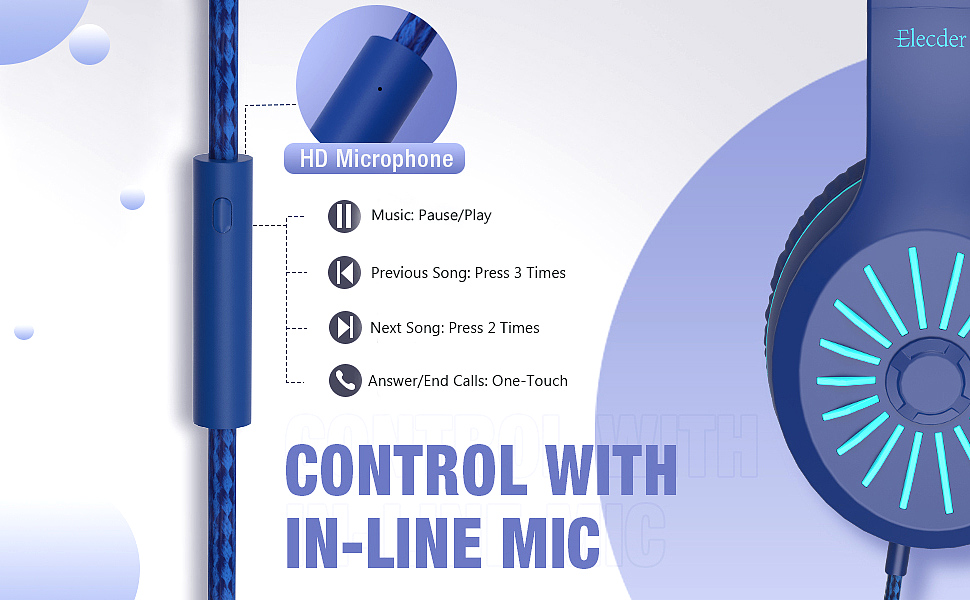
This isn’t about nostalgia. It’s about recognizing that for many real-world scenarios, the most advanced technology is the one that is the most reliable, durable, and accessible. By dissecting a quintessential “workhorse” headphone—a popular and highly-rated model like the ELECDER i45 On-Ear Headphones—we can rediscover the forgotten virtues of the wire and understand why, for many, it remains an incredibly smart choice.

The Virtue of Absolute Reliability
The primary appeal of a wired headphone is its unwavering reliability. It is a closed system, free from the variables that plague its wireless counterparts.
- Zero Battery Anxiety: A wired headphone has no battery. It will never die mid-flight or during a crucial online class. It draws a minuscule amount of power directly from the source device, ready to work 24/7.
- Instant, Flawless Connection: There is no pairing process, no signal interference from crowded Wi-Fi networks, and no audio dropouts. The 3.5mm jack provides a physical, instantaneous connection that simply works, every single time.
- Zero Latency: The signal travels at the speed of electricity through a copper wire, resulting in zero perceptible delay. For gaming or watching videos, this ensures that audio and video are always in perfect sync.
For environments where failure is not an option—like a student in a digital classroom or a traveler connecting to an in-flight entertainment system—this “it just works” philosophy isn’t a feature; it’s the entire value proposition.

The Engineering of Everyday Durability
Headphones destined for school bags and travel endure a level of abuse that would destroy more delicate devices. The design of a robust, budget-friendly headphone is a masterclass in material science and practical engineering.
Consider the cable, the most common point of failure. A model like the ELECDER i45 utilizes a nylon-braided cord. This isn’t an aesthetic choice; it’s a significant structural upgrade. The woven nylon sheath provides vastly superior abrasion resistance and tensile strength compared to standard PVC or rubber cables. It resists kinking, protects the delicate internal wires from being stretched or severed, and its texture naturally prevents the infuriating tangles that plague lesser cords.
The body of the headphone, described as a “rugged resilient plastic shell,” is another deliberate choice. Modern polymers like ABS (Acrylonitrile Butadiene Styrene) are chosen for their excellent impact resistance-to-weight ratio. They can absorb the shock of being dropped or jostled in a bag without cracking, all while keeping the headphones light enough for comfortable, long-term wear. These are not premium materials, but they are the right materials for the job, prioritizing resilience over luxury.
The Art of “Good Enough” Sound
In the world of high-end audio, the pursuit of perfect sound reproduction can be an expensive obsession. But for everyday listening, the goal is different. It’s about clear, enjoyable, and engaging audio that does justice to music, movies, and educational content without breaking the bank.
This is the role of the 40mm dynamic driver, the workhorse engine of the headphone world. A 40mm diaphragm provides a generous surface area, giving it the physical capability to move enough air to produce a satisfying and full-bodied bass response. When tuned for a product like the i45—inspired by the “explosion point” of a rock drum beat—the goal isn’t analytical flatness. It’s energy. The sound is engineered to be fun, with a “stereo bass” that makes music feel immersive and dynamic, even at a low price point.
When user reviews consistently state that the sound is “fine,” “good for the price,” and that they have “no complaints,” it is a resounding success. It confirms that the engineers have achieved their primary objective: delivering an audio experience that vastly exceeds its cost, making quality sound accessible to everyone.

Conclusion: A Deliberate Choice for a Messy World
The quiet rebellion of the wired headphone is not a rejection of progress. It is a reaffirmation of purpose. It’s an acknowledgment that in the messy, unpredictable reality of our daily lives—especially those of our children—the most valuable features are often the simplest: reliability you can count on, durability that withstands chaos, and value that makes technology truly democratic.
Choosing a well-made wired headphone is not a compromise; it’s a conscious, intelligent decision to select the right tool for the job. It’s an appreciation for thoughtful engineering that prioritizes function over fashion, and resilience over fleeting features. In a world of constant updates and charging cycles, there is a profound and enduring elegance in the simple act of plugging in.