Convergent Evolution: Why the Earhook is the Ultimate Sports Form Factor
Update on Dec. 31, 2025, 8:43 p.m.
In evolutionary biology, convergent evolution occurs when unrelated species independently evolve similar traits to adapt to similar environments. A similar phenomenon occurs in engineering. When faced with the specific constraints of the human body in motion, audio designers have repeatedly converged on a single, dominant form factor: the Earhook.
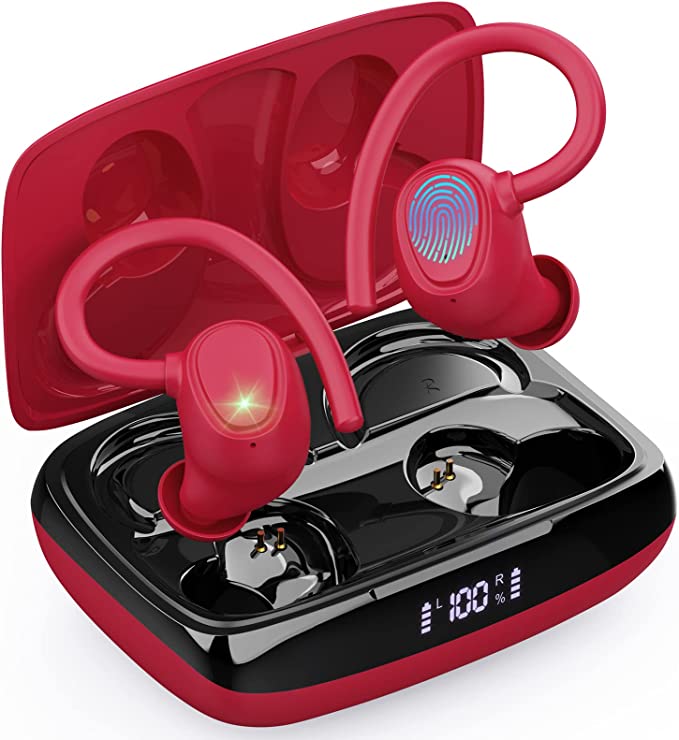
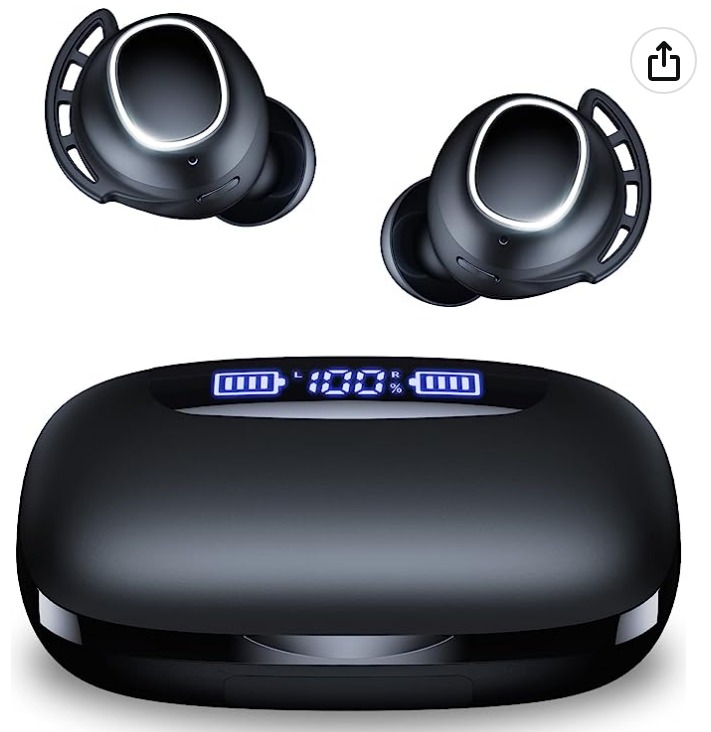
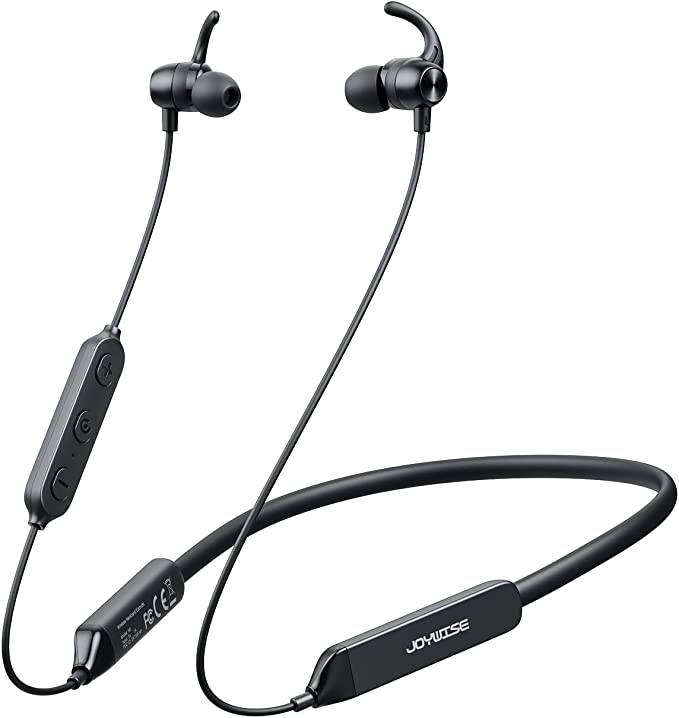
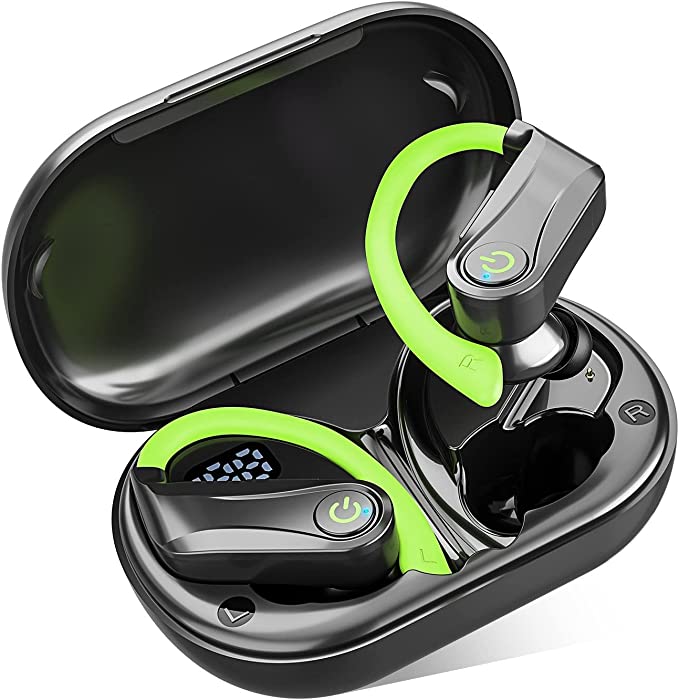
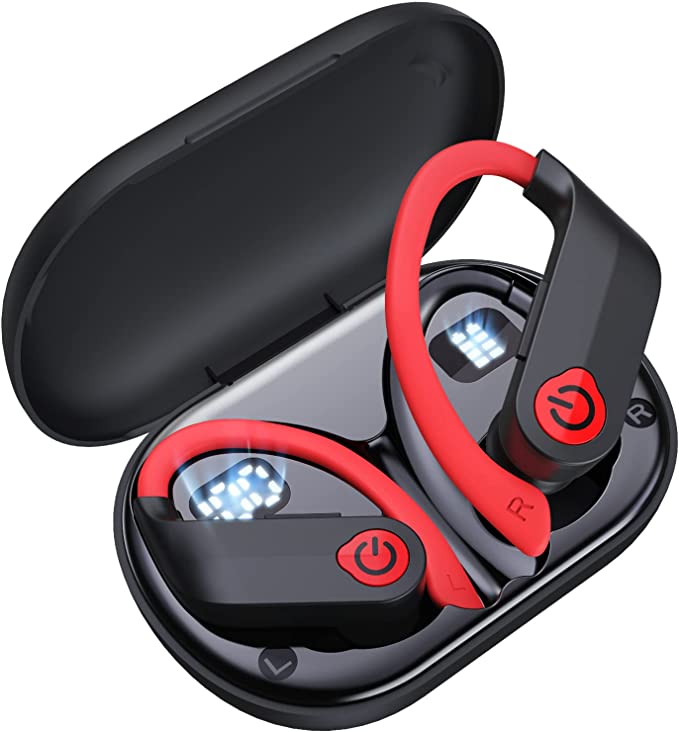
The Lecover Power Q20 Pro is a quintessential example of this design archetype. While it may share its silhouette with other devices, this shape is not a lack of imagination; it is a triumph of biomechanics. It represents the optimal solution to the “Runner’s Dilemma”—how to keep a sound source stable while the body undergoes violent vertical oscillation. This article explores the physics of this stability, the acoustic implications of its 14.2mm drivers, and the wireless protocols that bind it all together.
The Biomechanics of the “C-Shape” Anchor
Why do earhooks work where simple earbuds fail? The answer lies in the distribution of forces. A standard “in-ear” bud relies almost entirely on static friction between the silicone tip and the ear canal.
$$F_{friction} = \mu \times N$$
Where $\mu$ is the friction coefficient and $N$ is the normal force (outward pressure of the tip).
During a run, sweat reduces $\mu$ drastically. Simultaneously, the impact of each step creates a downward inertial force ($F = ma$). When $F_{inertia} > F_{friction}$, the bud falls out.
The Suspension Bridge Principle
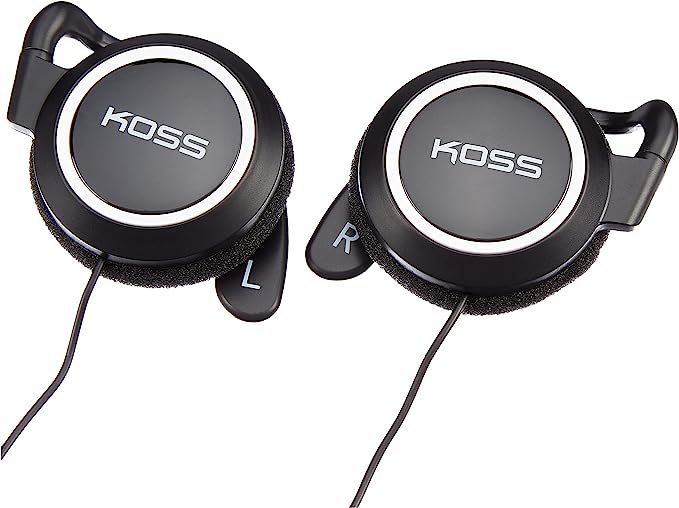
The Q20 Pro’s earhook changes the equation by introducing a structural interlock.
1. Load Bearing: The hook loops over the helix root (the top connection of the ear to the head). This turns the ear itself into a load-bearing shelf. The weight of the device is supported by cartilage, not friction.
2. Cantilever Balance: The main body of the Q20 Pro sits behind the ear, acting as a counterweight to the driver housing in the ear. This balances the center of gravity, reducing the rotational torque that often twists standard buds out of place.
3. Elastic Deformation: The “soft, flexible” material of the hook allows for elastic deformation. It acts as a shock absorber, dampening the high-frequency vibrations of running steps before they reach the ear tip. This ensures the acoustic seal remains unbroken even during sprints.
Acoustic Physics: The Necessity of 14.2mm
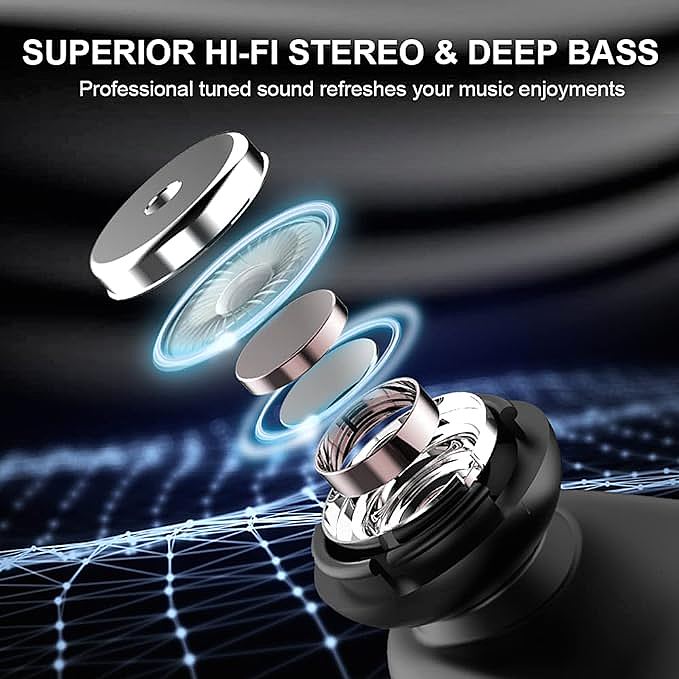
The Q20 Pro features 14.2mm dynamic drivers. In the world of audiophile IEMs, 10mm is considered large. Why go to 14.2mm?
This size is a direct response to the form factor. Earhook headphones often sit slightly looser in the ear canal than deep-insertion IEMs to maintain comfort over long periods. This slight “leakage” destroys bass response in small drivers.
Volume Displacement ($V_d$)
To produce bass, a driver must move air.
$$V_d = Area \times Excursion$$
A 14.2mm driver has nearly twice the surface area of a standard 10mm driver.
* Leakage Compensation: It can move enough air to pressurize the ear canal even if the seal is not hermetic. This provides the “Deep Bass” described in the specs without requiring the user to jam the tips painfully deep.
* Sensitivity: Large drivers are generally more sensitive. They require less power to achieve a given volume. This electrical efficiency contributes to the Q20 Pro’s massive 10-hour single-charge battery life, as the amplifier can run at a lower gain.
The Composite Diaphragm
The description mentions a “TUP composite diaphragm.” In large drivers, rigidity is key to preventing “cone breakup” (where the diaphragm flexes uncontrolledly). A composite material sandwiches different layers (likely TPU for damping and a stiffer polymer for structure) to ensure the driver moves as a rigid piston. This maintains clarity in the “silky treble” range, preventing the muddy sound often associated with large, cheap drivers.
Bluetooth 5.1: The Backbone of Stability
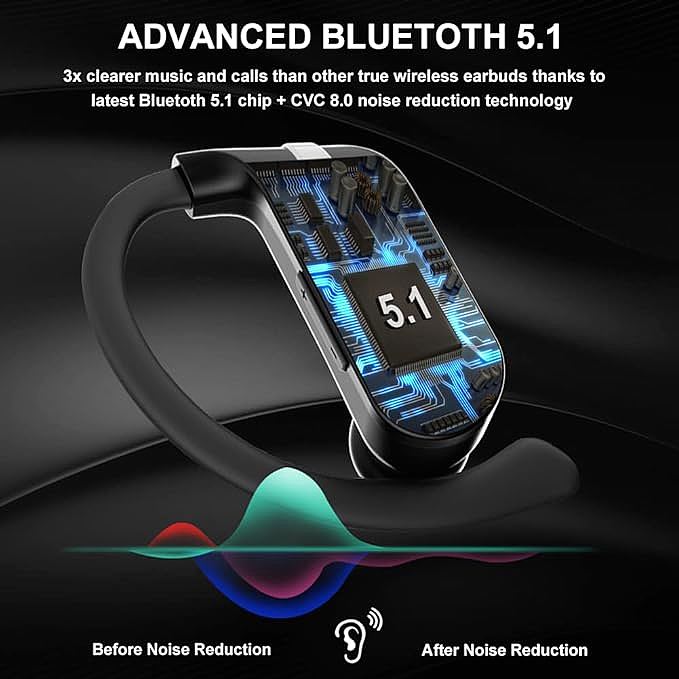
While newer versions like 5.3 exist, Bluetooth 5.1 remains a robust standard for audio. Its key contribution to sports audio is signal stability. * Body Shadowing: The human body is a bag of water, which absorbs 2.4GHz radio waves effectively. When your phone is in a waist pack and the receiver is on your head, the signal must diffract around your body. Bluetooth 5.1 improved the power control algorithms, allowing the device to boost signal strength dynamically when shadowing is detected. * Buffering: The “smoother music playback” is largely due to optimized buffering. The Q20 Pro likely caches a few seconds of audio data. If the signal drops for a millisecond due to a body movement, the buffer fills the gap, ensuring the music never skips.
Conclusion: The Convergence of Utility
The Lecover Power Q20 Pro is not an experimental device; it is a refined tool. Its form factor is the result of years of industry trial and error, converging on the earhook as the definitive solution for sports stability.
By pairing this biomechanical stability with the acoustic power of 14.2mm drivers, it solves the two main pain points of workout audio: falling out and sounding thin. It is a device engineered for the reality of human movement.