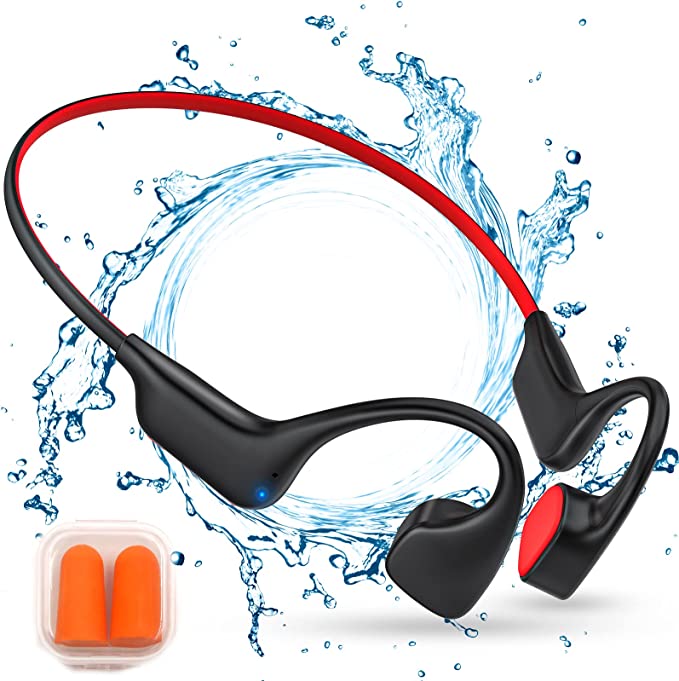
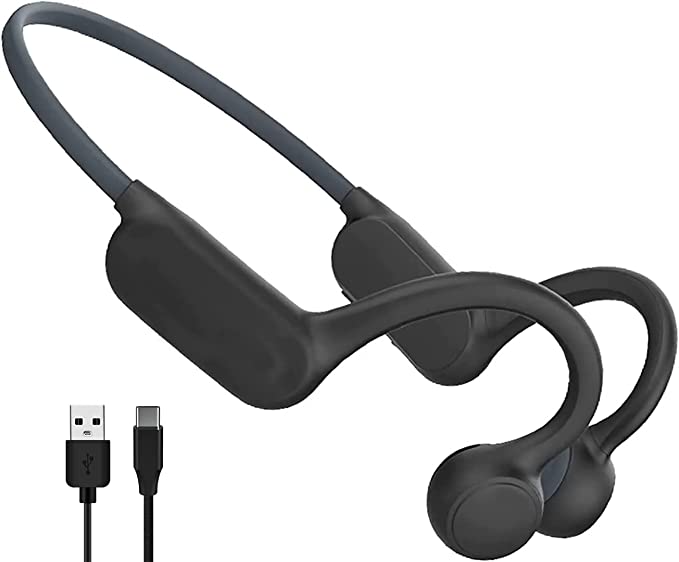
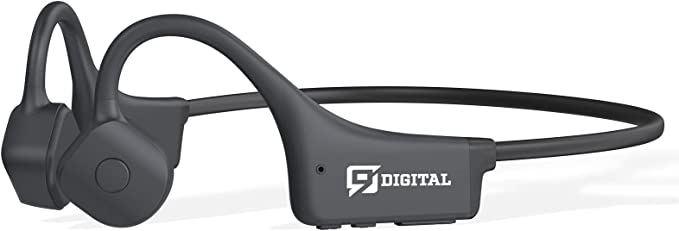
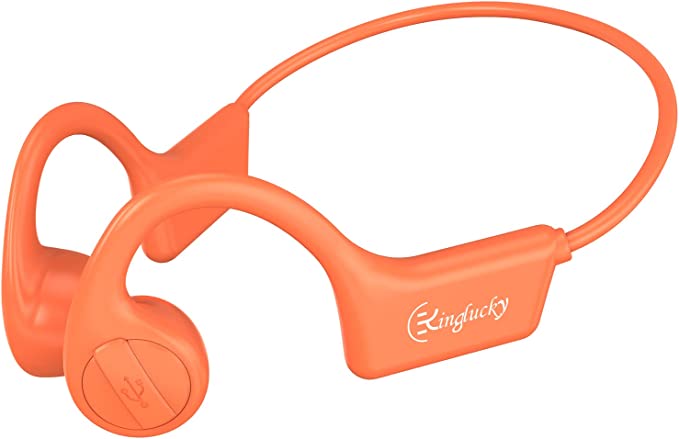
The Science of Safe Listening: How Bone Conduction Headphones Keep You Aware
Update on March 9, 2026, 7:45 p.m.
Opening: The Runner’s Dilemma
It’s 6:47 AM on a Tuesday. Sarah is three miles into her morning run, lost in the rhythm of her stride and the beat of her playlist. The road stretches ahead, bathed in dawn light. Behind her, a delivery van approaches—quietly, electric, invisible in her sonic bubble.
She doesn’t hear it.
This scenario plays out millions of times daily: runners, cyclists, and pedestrians navigating shared spaces while sonically isolated. The question isn’t whether music enhances athletic performance—it does, measurably. The question is whether the trade-off is worth it.
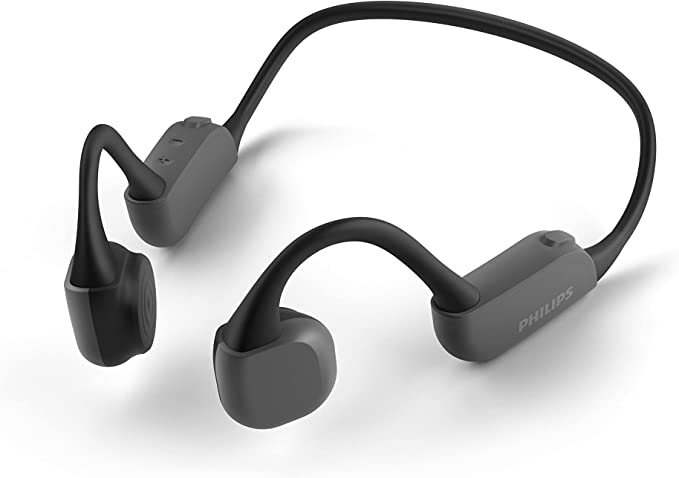
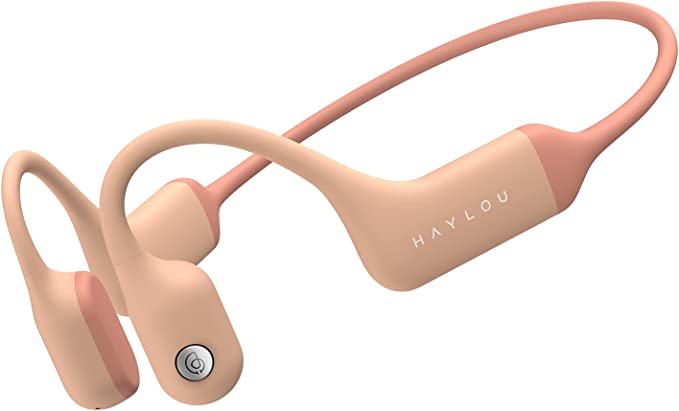
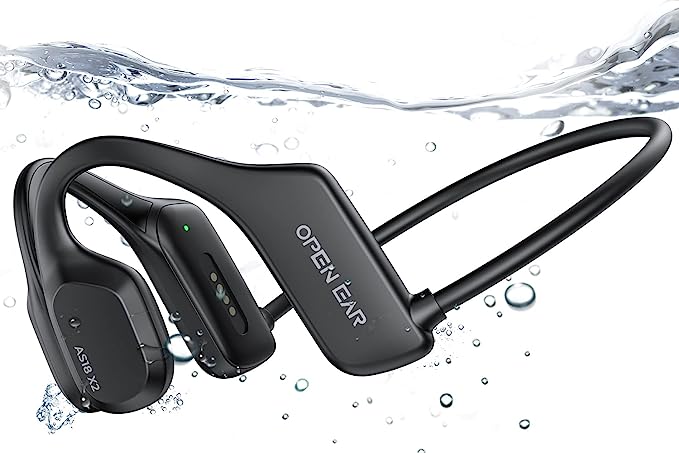
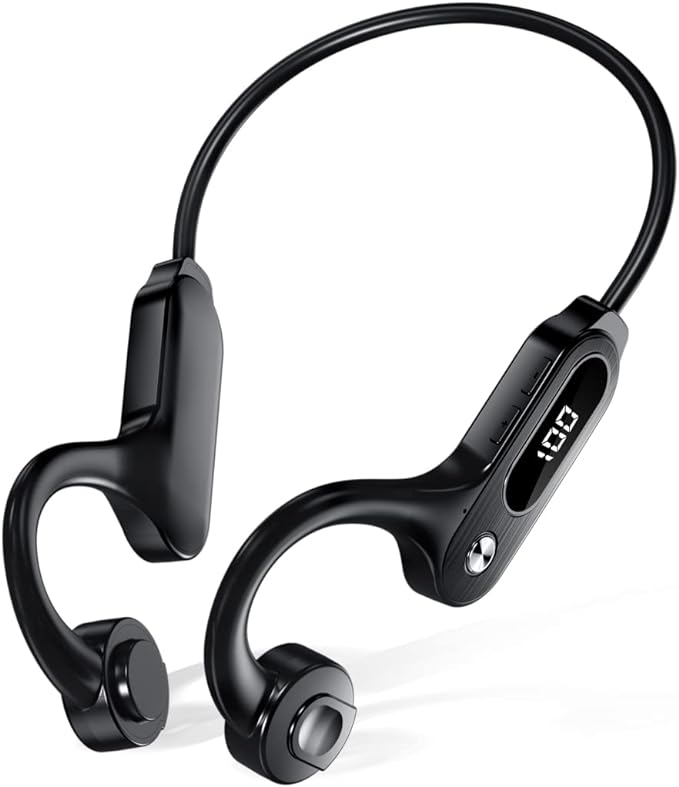
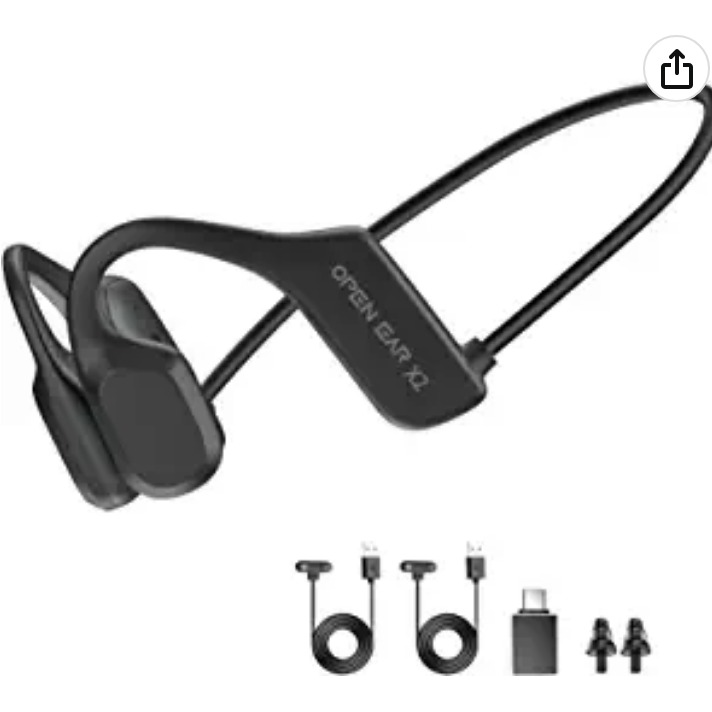
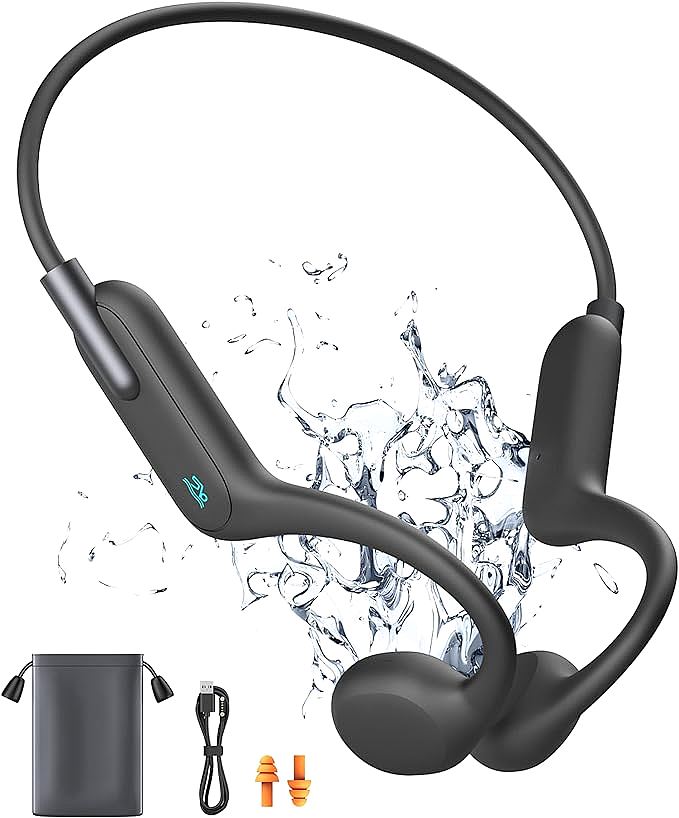
Bone conduction technology emerged as an answer to this modern dilemma. It’s not about delivering superior audio quality. It’s about solving a safety problem that didn’t exist before personal audio became ubiquitous.

The Neuroscience of Situational Awareness
How Your Brain Maps Sound
Your brain processes sound through two distinct pathways, each serving different evolutionary purposes:
Air Conduction Pathway (the primary route):
Sound waves → Ear canal → Eardrum vibration → Ossicles (3 tiny bones) → Cochlea → Auditory nerve → Brain
Bone Conduction Pathway (the secondary route):
Skull vibration → Direct cochlea stimulation → Auditory nerve → Brain
Both pathways converge at the same destination: the cochlea, a fluid-filled, snail-shaped structure that converts mechanical vibration into electrical signals. The difference lies in how vibration reaches it.
The Safety Implication
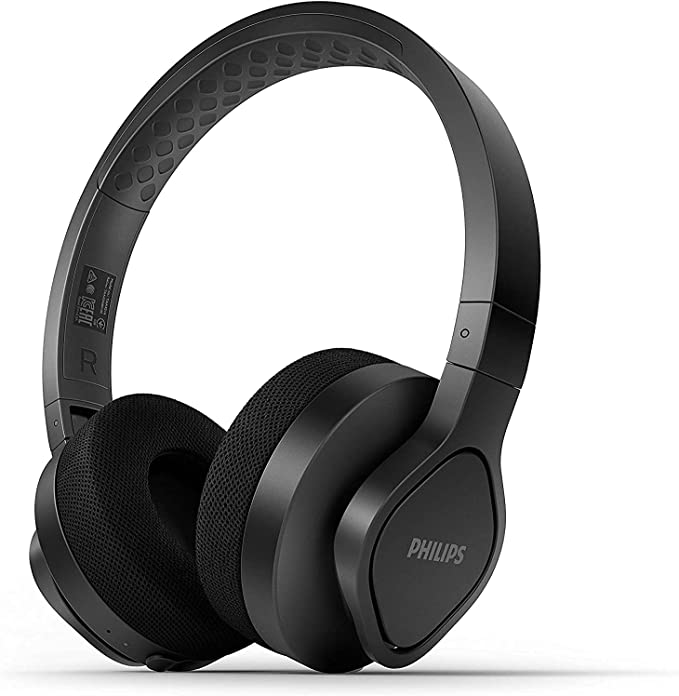
When traditional headphones seal your ear canal, they create what neuroscientists call auditory masking—external sounds are physically present but perceptually invisible. Your brain receives the car horn, but the music drowns it out at the processing level.
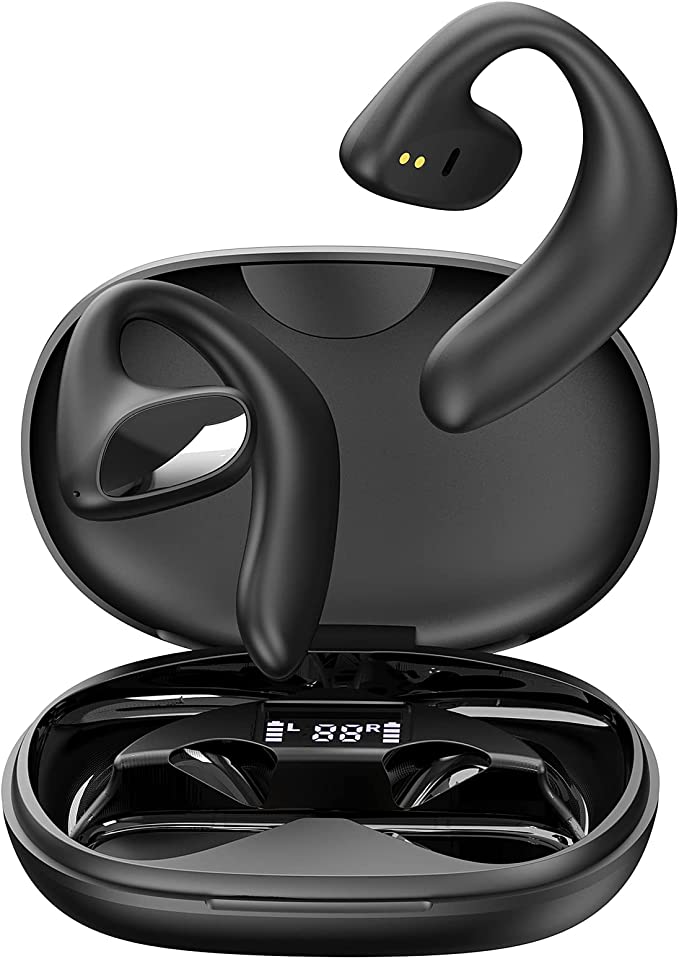
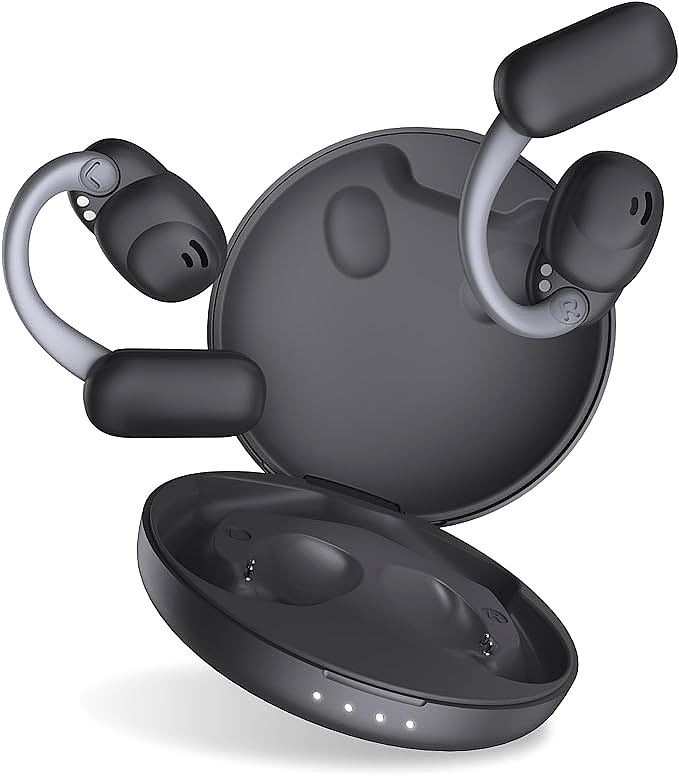
Open-ear bone conduction headphones preserve what’s called binaural hearing—your brain’s ability to triangulate sound direction using microsecond differences between what each ear receives. This isn’t a nice-to-have feature. It’s the difference between hearing a car horn and knowing which direction it’s coming from.
Research Context: Studies on auditory attention show that humans can selectively focus on specific sounds while filtering others—a phenomenon called the “cocktail party effect.” But this selective attention requires that ambient sounds actually reach the cochlea. Seal the ear canal, and you’ve removed the raw data your brain needs to assess risk.
A Historical Accident: Bone Conduction’s 200-Year Journey
Beethoven’s Bite
The story begins not in a laboratory, but in a composer’s frustration. Ludwig van Beethoven, losing his hearing to what modern physicians suspect was otosclerosis (abnormal bone growth in the middle ear), needed a way to continue composing.
His solution was crude but ingenious: he bit down on a metal rod connected to his piano. The vibrations traveled through his teeth, into his jawbone, directly to his cochlea—bypassing his damaged middle ear entirely.
This wasn’t technology. It was desperation. But it proved a principle that would take two centuries to commercialize.
Military Origins
Bone conduction found its first practical application not in consumer audio, but in military communication. Tank commanders in World War II needed to hear radio communications while remaining aware of battlefield sounds—engine noise, gunfire, shouted warnings.
Traditional headsets created auditory isolation. Bone conduction headsets, bulky and experimental as they were, offered a compromise: receive the message, maintain awareness.
The technology remained niche for decades, confined to hearing aids and specialized professional use. It wasn’t until the fitness culture explosion of the 2010s that bone conduction found its mass market: athletes who valued awareness as much as entertainment.
The Physics of Compromise
Why Bass Doesn’t Translate
Here’s where the physics gets honest. Bone conduction headphones will never deliver the bass response of traditional headphones—and this isn’t a manufacturing flaw. It’s a fundamental limitation of vibration transmission.
The Science: Low-frequency sounds (bass) require air pressure displacement to be perceived fully. When you feel bass “thump” from a speaker, you’re literally feeling air molecules compressing and expanding. Bone conduction transmits vibration through solid material (your cheekbone), not through air.
The cochlea receives less low-frequency information through bone than through air. This is why bone conduction headphones excel at:
- ✅ Podcasts and audiobooks (mid-range vocal clarity)
- ✅ Acoustic and classical music (instrumental separation)
- ⚠️ Bass-heavy genres (hip-hop, electronic, rock)
The Trade-off: Better situational awareness comes at the cost of audio immersion. You gain safety. You lose depth.
The Titanium Frame Revolution
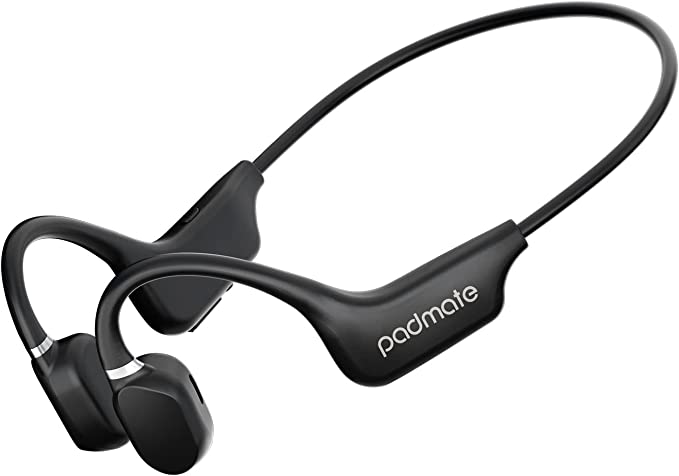
The frame of bone conduction headphones serves a function most wearers never consider: it must maintain consistent pressure between the transducer (vibration generator) and your cheekbone while remaining comfortable for hours.
Early bone conduction devices used rigid plastic frames. They worked, but comfort suffered. The breakthrough came with titanium wireframes—a material borrowed from aerospace engineering.
Titanium’s Advantages:
| Property | Why It Matters |
|----------|---------------|
| Memory effect | Frame returns to original shape after flexing |
| Lightweight | 25-35g total weight vs. 200g+ for over-ear headphones |
| Corrosion resistance | Survives sweat, rain, humidity |
| Biocompatibility | Hypoallergenic for sensitive skin |
The same material that enables jet engines to withstand extreme temperatures now keeps your playlist playing during a morning run.
The Safety Question: What Does the Evidence Say?
Awareness vs. Immersion
The claim is straightforward: bone conduction headphones improve situational awareness compared to traditional headphones. But does the evidence support it?
What We Know:
- Open-ear design physically allows environmental sounds to reach the ear canal
- Binaural hearing requires both ears to receive sound for direction triangulation
- Volume level matters more than headphone type for hearing health
What We Don’t Know:
- Whether improved awareness translates to fewer accidents (no longitudinal studies exist)
- Whether users compensate by turning up volume (risk compensation behavior)
The Nuance: Bone conduction headphones improve potential awareness. They don’t guarantee safer behavior. A runner listening at 90% volume through bone conduction may be less aware than a runner listening at 40% through traditional earbuds.
Hearing Health: Separating Fact from Marketing
Bone conduction marketing sometimes suggests hearing health benefits that require careful qualification:
| Marketing Claim | Evidence Level | Reality |
|---|---|---|
| “Prevents hearing loss” | Not Proven | Loud volumes damage the cochlea regardless of pathway |
| “Bypasses damaged eardrum” | Strong | Effective for conductive hearing loss only |
| “More hygienic than earbuds” | Strong | No ear canal insertion = less bacteria trap |
| “Less ear fatigue” | Moderate | User reports support this; formal studies limited |
Critical Distinction: Bone conduction can help people with conductive hearing loss (problems in outer/middle ear that block sound from reaching the cochlea). It generally does not help sensorineural hearing loss (cochlear or nerve damage).
If you have hearing concerns: Consult an audiologist. Bone conduction is a consumer audio technology, not a medical device.
Practical Guidance: When Bone Conduction Makes Sense
The Right Use Cases
Choose bone conduction if your priority is:
| Activity | Why It Works |
|---|---|
| Road running | Hear traffic while listening to music |
| Cycling | Group communication + environmental sounds |
| Gym workouts | Hygiene (no ear canal insertion), hear other gym-goers |
| Office work | Hear colleagues while listening to content |
| Hiking | Enjoy nature sounds + navigation/podcasts |
| Sensitive ears | Alternative for those who find earbuds uncomfortable |
When to Choose Alternatives
Consider traditional headphones if you need:
- Deep bass response (physics limitation of bone conduction)
- Noise isolation for focus work or travel
- Immersive listening for critical music appreciation
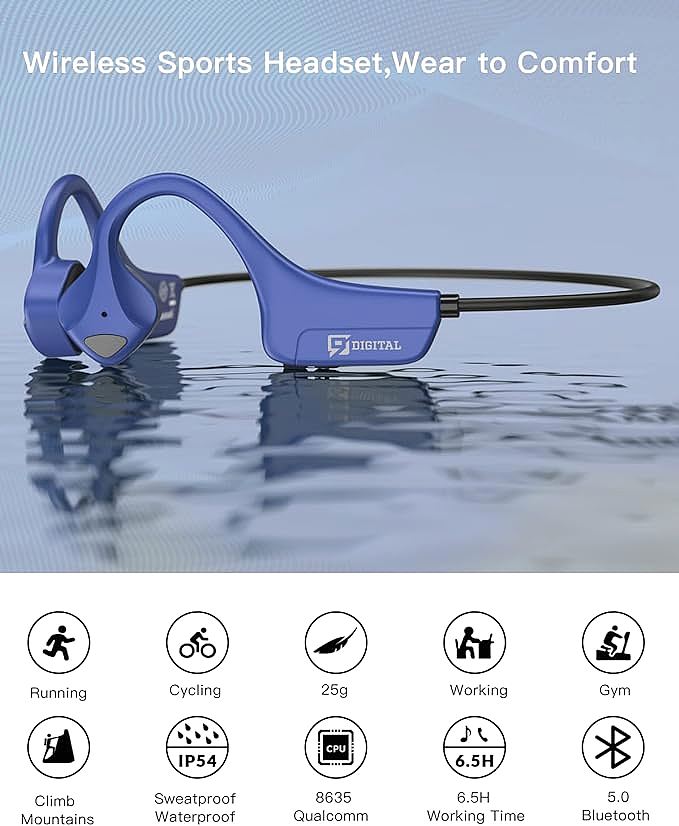
- Swimming compatibility (require IP67+ rating, not standard IP54)
Understanding IP Ratings: What “Water Resistant” Actually Means
The IP54 rating on many bone conduction headphones is often misunderstood. Here’s what it actually protects against:
IP Rating Decoder:
- First digit (5): Dust protection – “Dust protected” (some dust may enter but not enough to interfere with operation)
- Second digit (4): Water protection – “Protected against splashing water from any direction”
What IP54 Handles:
- ✅ Sweat during intense workouts
- ✅ Light rain during runs
- ✅ Accidental water splashes
What IP54 Doesn’t Handle:
- ❌ Submersion in water (swimming, dropping in pool)
- ❌ High-pressure water (shower, hose)
- ❌ Salt water exposure (beach use requires rinsing)
For swimming, you’d need IP67 (temporary immersion) or IP68 (continuous immersion) rated devices.
The Honest Limitations
Sound Leakage
At moderate volumes (recommended for safety), sound leakage is minimal. But at higher volumes, the physics work against privacy: vibration that transfers efficiently to your cheekbone can also transfer to the surrounding air.
People sitting next to you on the train may hear your music. This isn’t a defect—it’s the inverse of the technology’s core benefit. Better vibration transfer (for your hearing) means more airborne sound (for others to potentially hear).
Fit Sensitivity
Bone conduction requires consistent contact between transducer and cheekbone. Shift the headphones 5mm forward, and you’ve lost optimal vibration transfer. This fit sensitivity doesn’t exist with traditional earbuds, which seal the ear canal regardless of minor position changes.
The Adjustment Period: First-time bone conduction users often report a “weird” sensation—the feeling of vibration without ear canal insertion. This typically normalizes within 2-3 uses as the brain adapts to the unconventional pathway.
Safe Listening Practices (Regardless of Headphone Type)
The most important factor for hearing health isn’t how you listen, but how loud you listen:
- The 60/60 Rule: Listen at no more than 60% volume for no more than 60 minutes at a time
- Take Breaks: Give your ears rest periods between listening sessions
- Monitor Volume: If you can’t hear someone talking to you at arm’s length, it’s too loud
- Watch for Warning Signs: Ringing in ears (tinnitus) or muffled hearing after listening indicates volume was too high
Bottom Line: Bone conduction may offer advantages (hygiene, comfort, awareness), but safe volume practices are essential regardless of headphone type. Loud volumes damage the cochlea through any pathway.
The Future: Where Bone Conduction Is Headed
Emerging Applications
Beyond consumer headphones, bone conduction technology is finding applications in unexpected places:
| Field | Application | Why Bone Conduction |
|---|---|---|
| Military | Communication in high-noise environments | Hear commands + battlefield awareness |
| Industrial | Workers receiving audio instructions | Hear machinery + instructions simultaneously |
| Hearing Assistance | Specialized devices for conductive hearing loss | Bypasses damaged middle ear |
| Wearable Tech | Integration into helmets, eyewear | No ear occupation required |
| AR/VR | Spatial audio without ear isolation | Virtual + real audio layering |
The Innovation Frontier
Research continues on:
- Improved transducer materials for better frequency response
- Reduced sound leakage through directional vibration control
- Integration with biometric sensors (heart rate, stress monitoring)
- Smart audio augmentation (real-time environmental sound filtering)
The core value proposition remains unchanged: sometimes, the best headphone is the one that lets you hear the world around you.
The Bottom Line: Technology Serving Safety
Bone conduction headphones represent a thoughtful application of audio science to a real-world problem: how to enjoy music and audio content while staying connected to our environment.
The technology isn’t perfect. Bass response will never match traditional headphones due to the physics of vibration transmission. The fit requires adjustment for optimal performance. Sound leakage can compromise privacy at high volumes.
But for runners navigating traffic, cyclists riding in groups, gym-goers sharing space, and anyone who values situational awareness, the trade-off is worthwhile.
Understanding the science behind bone conduction—from the cochlea’s dual access pathways to the physics of skull vibration—empowers better purchasing decisions and more realistic expectations. These headphones aren’t trying to replace premium over-ear headphones for critical listening sessions. They’re solving a different problem: safe, comfortable, aware listening during active life.
As the technology continues to improve, expect better sound quality, longer battery life, and more refined designs. But the core insight remains: safety isn’t a feature to add. It’s a constraint that shapes the entire product.