The Graphene Revolution: Material Science and the Future of Budget Audio
Update on Jan. 10, 2026, 8:31 p.m.
In the quest for the perfect sound, engineers have experimented with everything from paper and plastic to beryllium and diamond. The goal is always the same: to find a material for the speaker diaphragm that is infinitely stiff yet infinitely light. Enter Graphene.
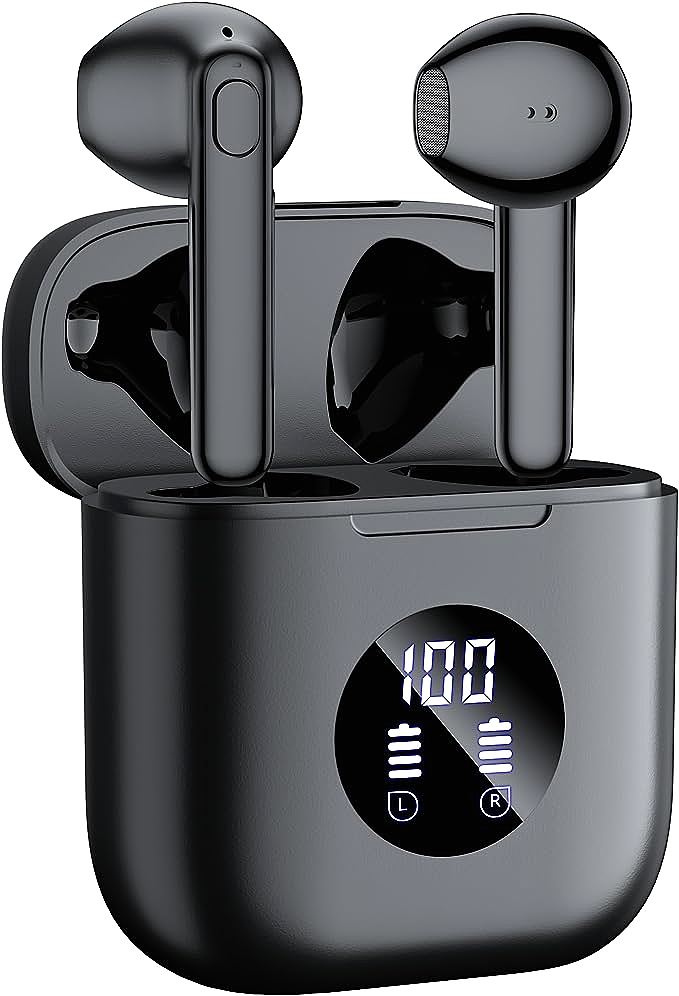
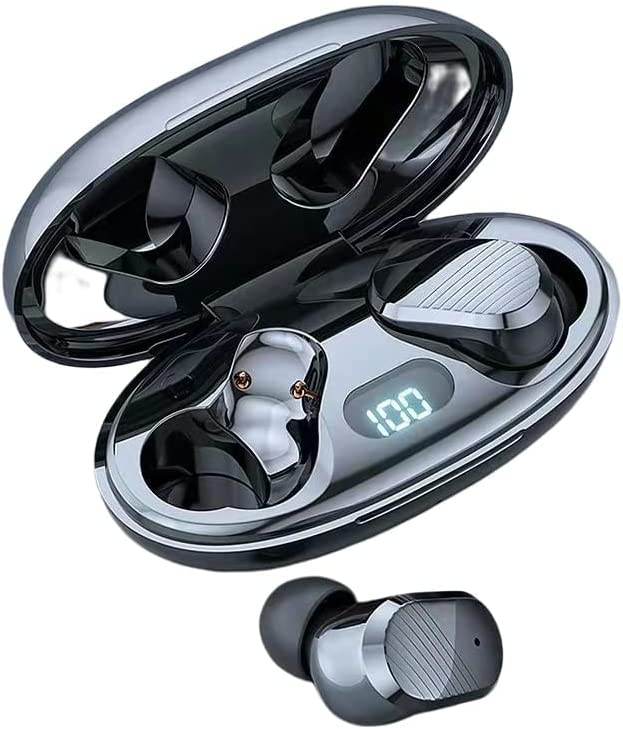
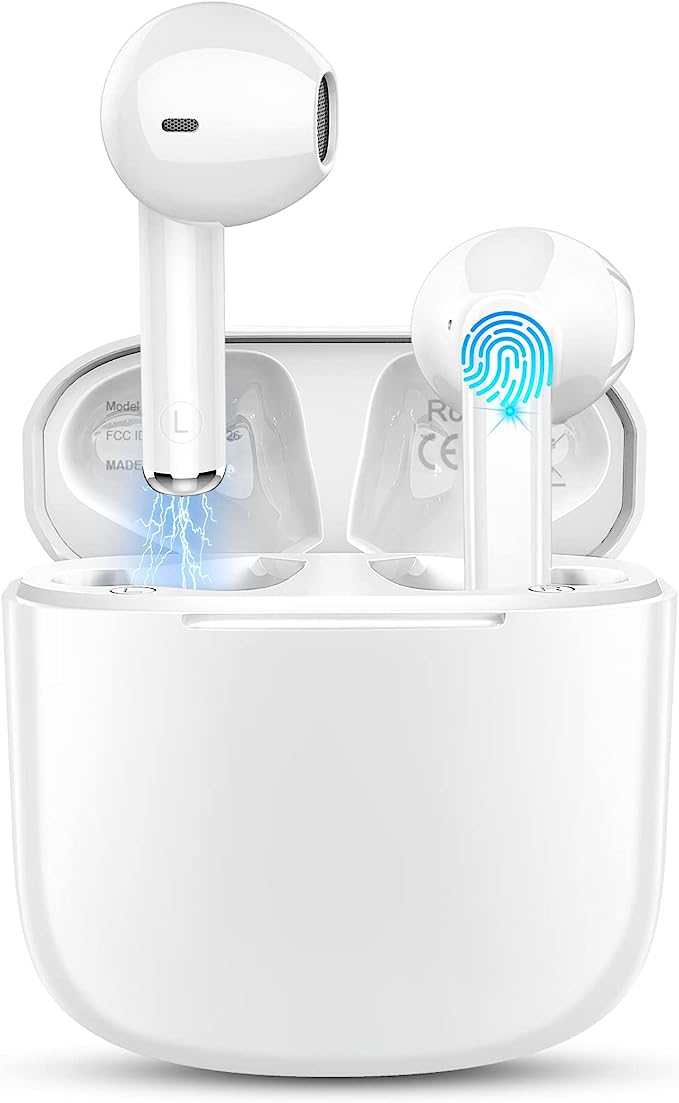
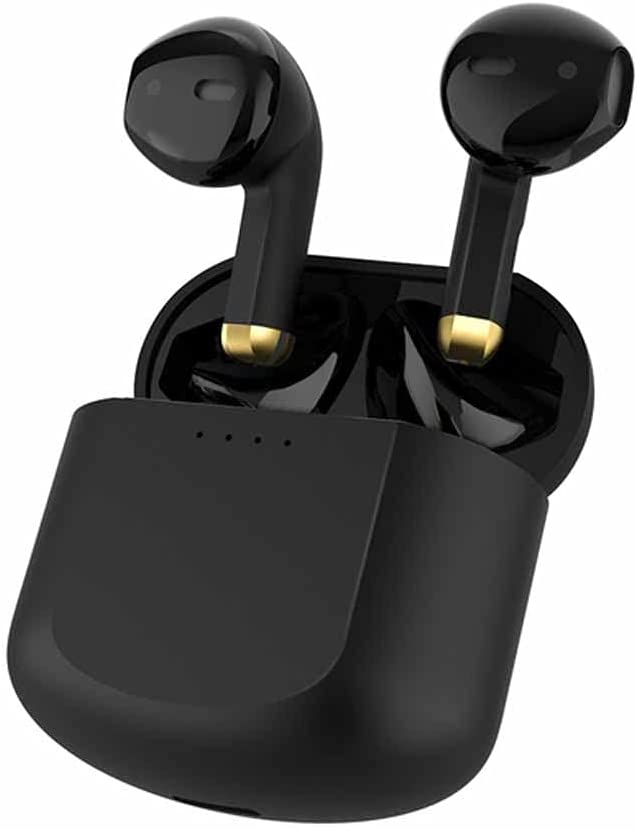
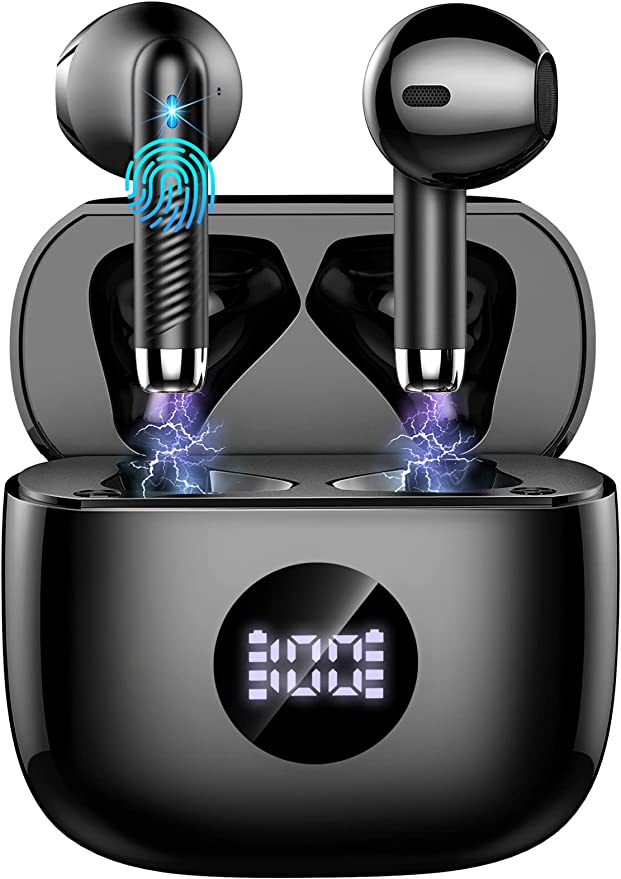
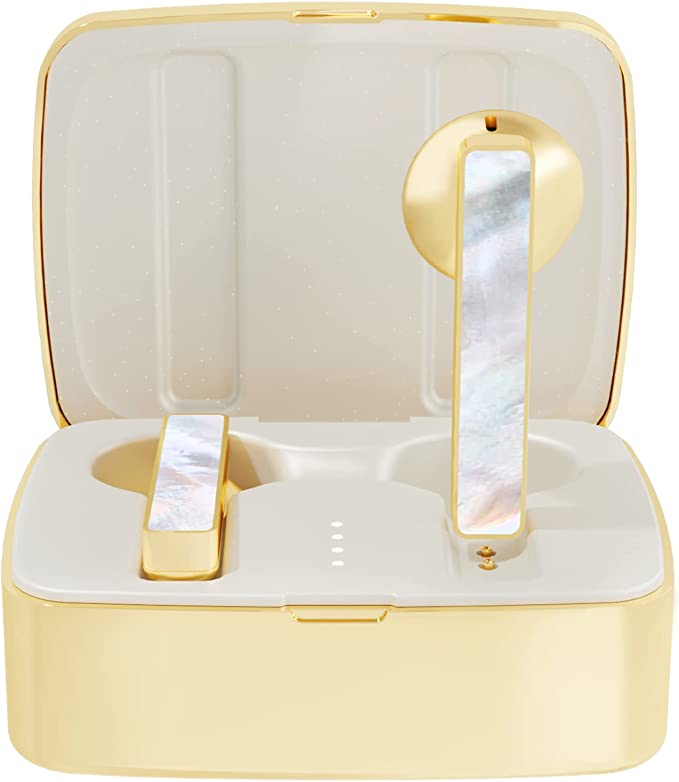
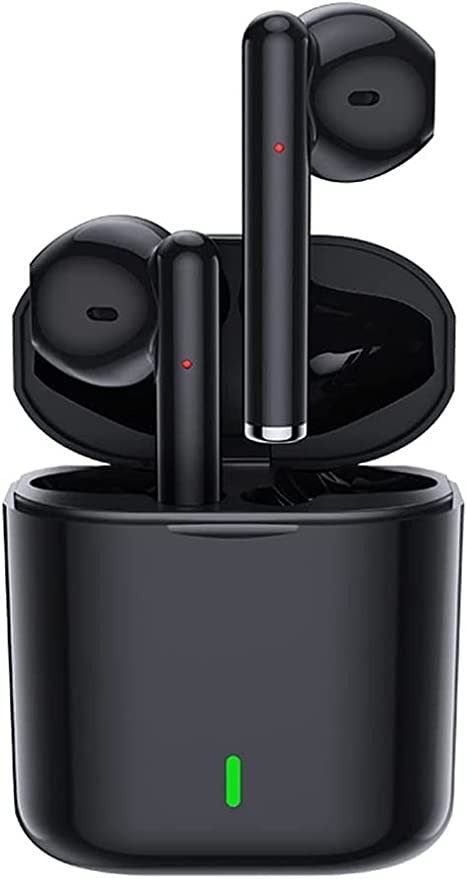
Once a laboratory curiosity worth more than its weight in gold, graphene has now found its way into consumer electronics, including accessible devices like the fojep A8 Wireless Earbuds. This article explores the physics of this “Wonder Material,” the acoustics of 13mm Drivers, and how advanced material science is redefining what “budget audio” sounds like.

The Physics of the Diaphragm: Stiffness vs. Weight
To understand why graphene matters, we must look at how a dynamic driver works. A voice coil pushes a diaphragm back and forth to create sound waves. * The Problem: If the diaphragm is too heavy, it reacts slowly (poor Transient Response), making music sound muddy. If it is too flimsy, it bends and warps as it moves (known as Cone Breakup), causing distortion. * The Ideal: A material with a high Stiffness-to-Weight Ratio. It should be as light as air but as rigid as steel.
Enter Graphene: The Carbon Miracle
Graphene is a single layer of carbon atoms arranged in a hexagonal lattice. It is the strongest material ever tested. * Young’s Modulus: This measures stiffness. Graphene has a Young’s modulus of about 1.0 TPa (Tera-Pascal), making it exponentially stiffer than the Mylar or PET plastics used in standard earbuds. * Mass: It is incredibly light. A sheet of graphene covering a football field would weigh less than a gram.
The fojep A8 utilizes a Graphene-Coated Diaphragm. By depositing a microscopic layer of graphene onto the driver, engineers significantly increase its rigidity without adding perceptible weight. * The Acoustic Result: The driver acts as a perfect piston. It starts and stops instantly. High frequencies (treble) are rendered with razor-sharp precision because the diaphragm doesn’t flex. Bass is tight and impactful because the cone maintains its shape under pressure. This allows the A8 to deliver “Immersive Stereo Sound” with a clarity typically reserved for much more expensive gear.
13mm Drivers: Moving Air
While graphene provides the quality of movement, size provides the quantity. The A8 features 13mm Drivers. In the world of earbuds, where 6mm is common, 13mm is massive. * Physics of Bass: Low frequencies require moving a large volume of air. A 13mm driver has more than 4 times the surface area of a 6mm driver. This allows it to produce deep, resonant bass effortlessly, without needing excessive excursion (movement) that leads to distortion.
Combined with the stiffness of graphene, this large surface area creates a sound signature that is both powerful and controlled—a rare combination in the entry-level market.
Bluetooth 5.3: The Efficient Highway
Great drivers need a great signal. The A8 employs Bluetooth 5.3.
This latest iteration of the protocol focuses on Efficiency and Stability.
* LC3 Codec Potential: While not explicitly stated, BT 5.3 paves the way for LE Audio, which offers higher quality at lower bitrates.
* Signal Integrity: The “Hall Switch” and instant pairing features rely on the robust handshake protocols of 5.3, ensuring that the connection is as solid as a wire.
Conclusion: The Democratization of High-End Materials
The fojep A8 is a testament to the speed of technological adoption. Graphene, once a Nobel Prize-winning discovery, is now enhancing the daily commute of the average listener.
By leveraging the unique physical properties of carbon allotropes, these earbuds offer a glimpse into a future where high-fidelity audio is not a luxury, but a standard driven by material science.