Engineered for the Long Haul: The Physics of Battery Density and Protection
Update on Jan. 30, 2026, 8:49 a.m.
SEO Metadata:
- Title: Engineered for the Long Haul: The Physics of Battery Density and Protection
- Description: Examining the trade-offs between size and endurance in wireless audio, focusing on the 120-hour battery life and IPX7 waterproofing of the VOESUD Q53.
- Tags: “IPX7 vs sweat”, “battery energy density”, “120 hour playtime”, “VOESUD Q53 durability”, “CVC 8.0 explained”
- Focus Keyword: wireless handsfree earbuds
Engineered for the Long Haul: The Physics of Battery Density and Protection
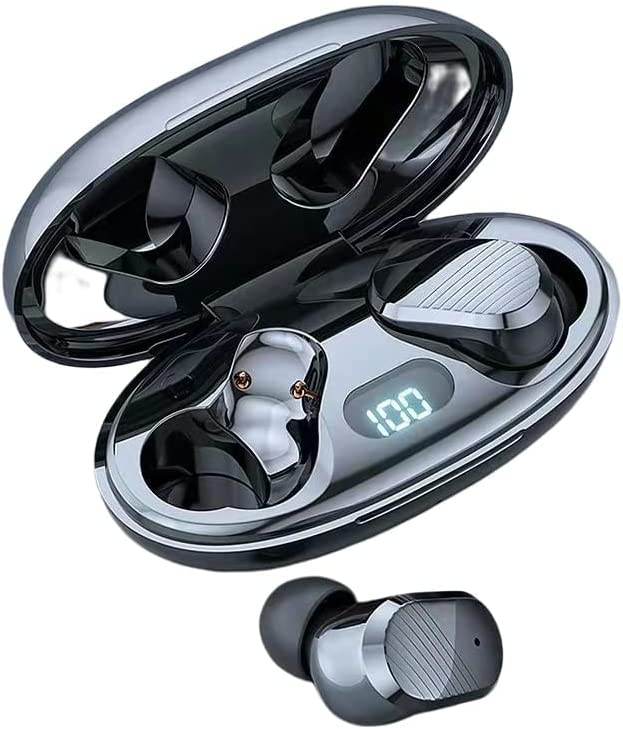
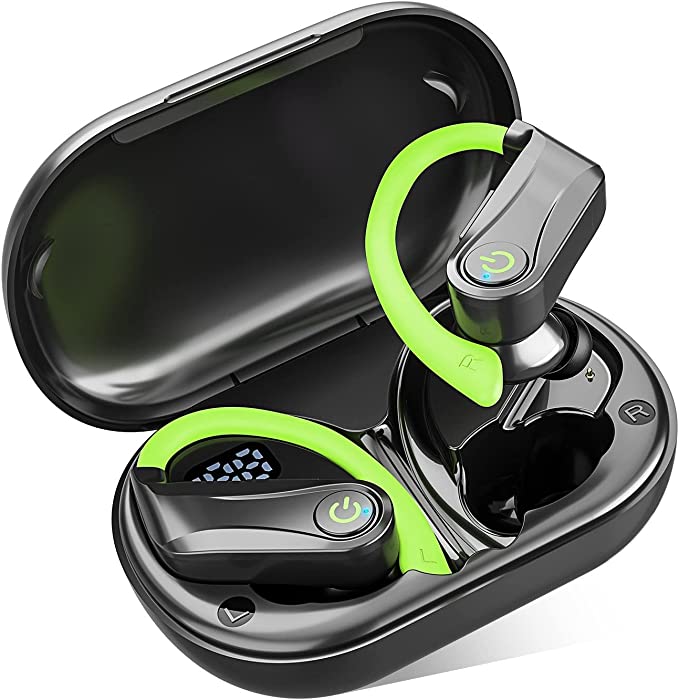
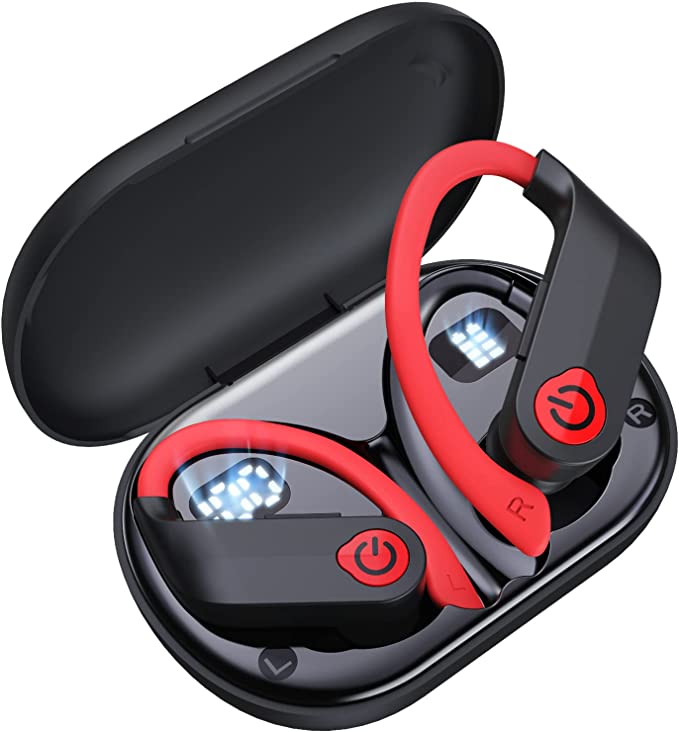
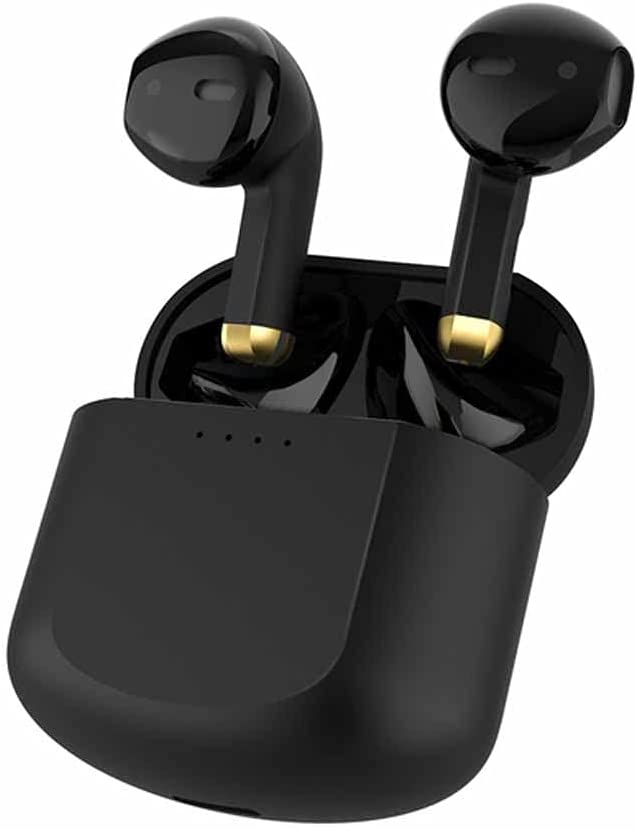
In the design of portable electronics, there is an immutable law: volume equals capacity. You cannot cheat physics to get massive battery life out of a microscopic device. While the trend in wireless handsfree earbuds has been towards invisibility, there is a counter-movement that embraces bulk in exchange for endurance. The VOESUD Q53 is a prime example of this “Utility-First” engineering, leveraging a larger chassis to solve the two biggest complaints of wireless audio: dead batteries and water damage.
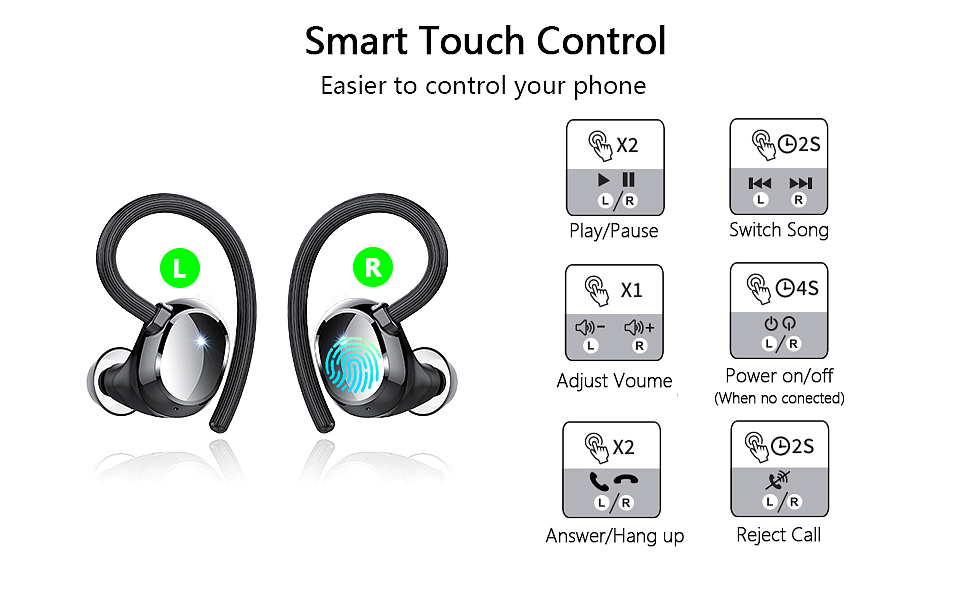
Energy Density: The 120-Hour Equation
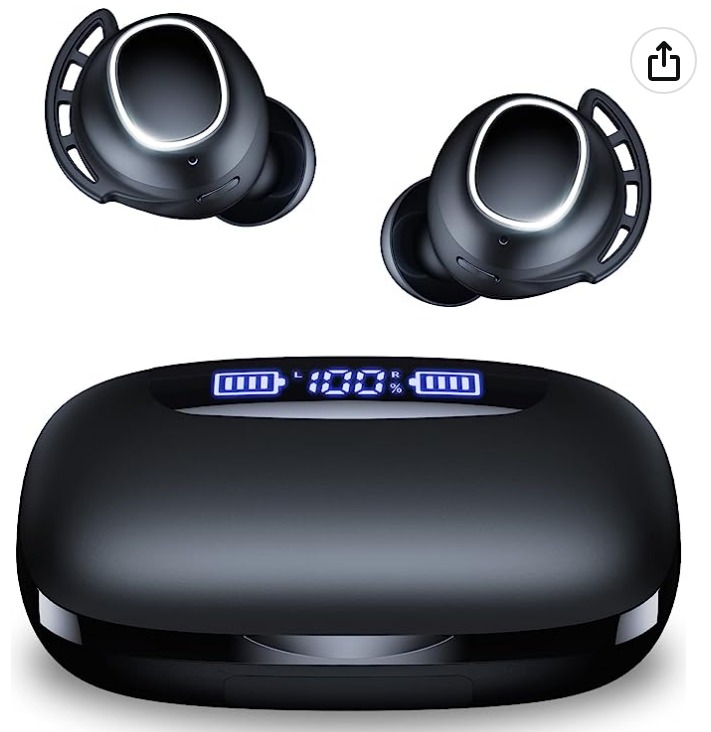
The Q53 boasts a total playtime of 120 hours with the charging case. To understand the magnitude of this, consider that standard TWS cases offer 20-30 hours. This 4x to 6x increase is achieved by housing a significantly larger Lithium-Polymer (Li-Po) cell within the case, likely in the range of 2000mAh or more.
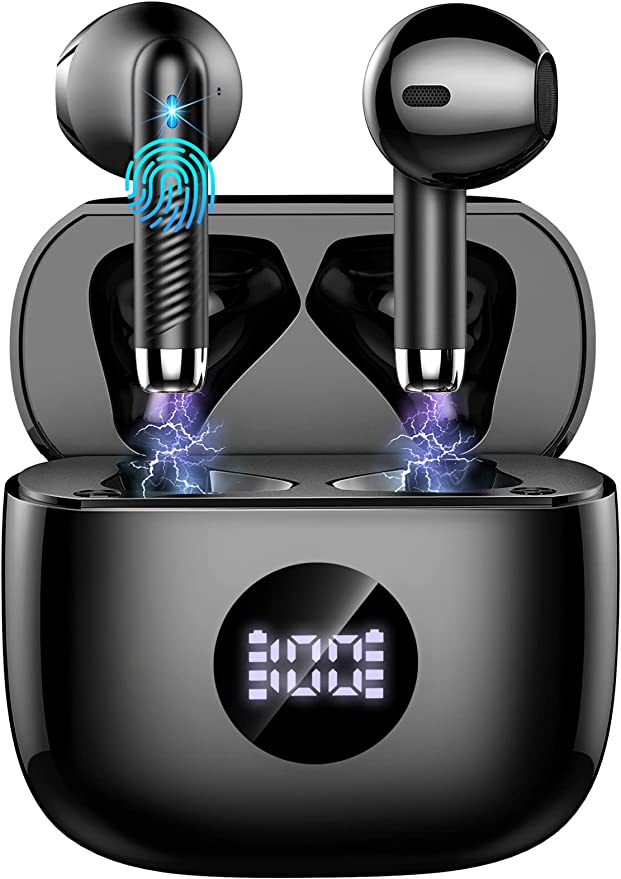
This transforms the case from a mere charger into a power bank. The physics here is simple: by accepting a larger physical footprint, the device eliminates “range anxiety.” For a user on a week-long hiking trip or a month of commuting, the charging cycle shifts from a daily chore to a monthly maintenance task. The digital LED display on the case provides a precise fuel gauge, a necessary interface for managing such a large reservoir of energy.
Decoding IPX7: The Electrolyte Shield
Water is dangerous to electronics, but sweat is worse. Sweat contains electrolytes (salts) that make it highly conductive and corrosive. The Q53 carries an IPX7 waterproof rating.
The ‘7’ in IPX7 signifies that the device can withstand immersion in water up to 1 meter deep for 30 minutes. Achieving this requires more than just tight seams; it typically involves a hydrophobic nano-coating on the internal Printed Circuit Board (PCB). This coating lowers the surface energy of the components, causing liquids to bead up and roll off rather than wetting the surface and causing short circuits. This level of protection ensures that salt deposits from heavy workouts do not bridge the delicate charging contacts or corrode the driver diaphragm over time.
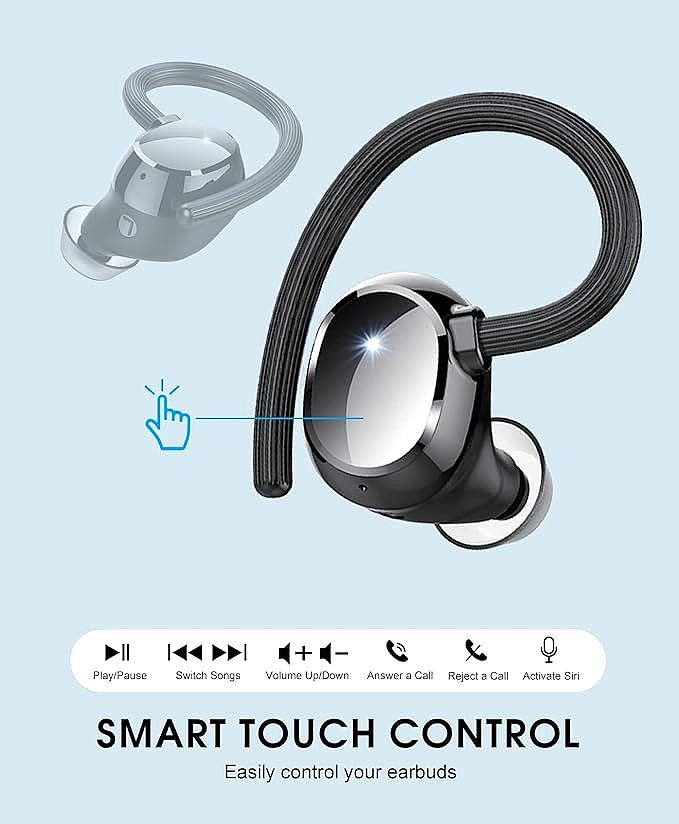
Signal Clarity: CVC 8.0 Algorithm
Communication during exercise presents acoustic challenges: wind noise and heavy breathing. The Q53 employs CVC 8.0 (Clear Voice Capture) technology. Unlike Active Noise Cancellation (ANC), which is for the user’s comfort, CVC is for the person on the other end of the line.
Using a dual-microphone array, the system employs beamforming and spectral subtraction. It identifies the stationary noise floor (like wind or traffic drone) and subtracts it from the signal, while boosting the frequencies associated with human speech. This algorithmic filter ensures that “handsfree” doesn’t mean “unintelligible,” allowing for clear communication even in the chaotic acoustic environment of an outdoor run.
Industry Implications: The Return of Utility
The success of devices like the Q53 signals a market correction. After years of shrinking devices to the point of fragility, users are signaling a preference for robust, long-lasting tools. We are seeing a return to “functional mass”—where the size of the device is determined not by fashion, but by the physical requirements of battery chemistry and structural integrity.