The Dark Art of Roasting: Pyrolysis, Oils, and the Chemistry of French Roast
Update on Jan. 12, 2026, 2:49 p.m.
Coffee roasting is often described as an art, but it is fundamentally a science—a complex sequence of endothermic and exothermic chemical reactions. The goal is to transform a dense, green, grassy seed into a brittle, aromatic, brown bean. Among the spectrum of roast levels, French Roast stands as a polarizing titan. It pushes the bean to its thermal limits, trading the delicate acidity of origin for the bold, smoky intensity of the roast itself.
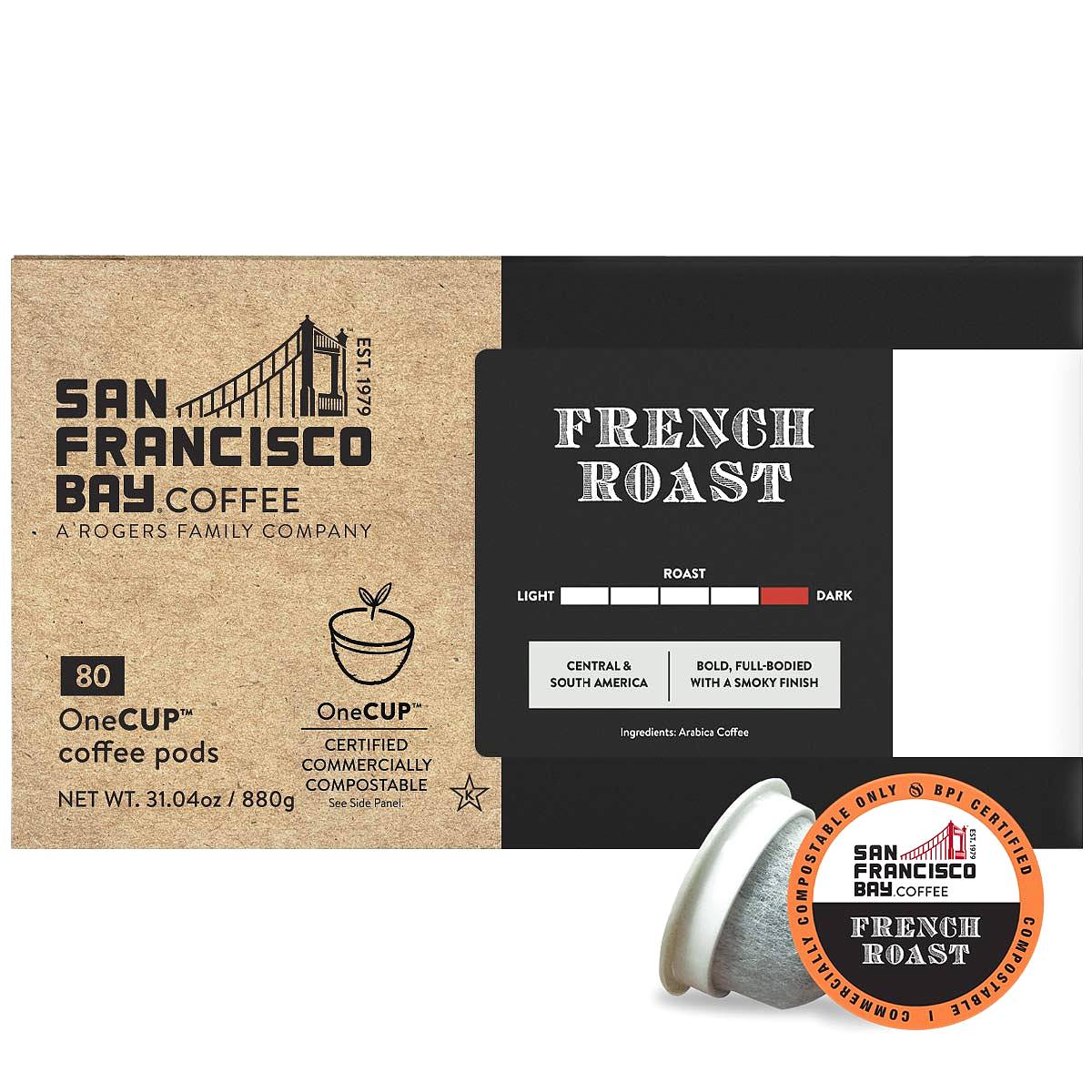
San Francisco Bay Coffee’s French Roast is a prime example of this style. Sourced from high-altitude Arabica beans in Central and South America, it is roasted until the sugars caramelize and the cellular structure begins to break down. This article explores the chemistry of this transformation, explaining why dark roasts taste the way they do, why they often have an oily sheen, and how the economics of Direct Trade ensure that the raw material can withstand such intense heat.
The Physics of the Roast Curve: Pushing Past Second Crack
Roasting is defined by “cracks”—audible pops caused by steam and gas pressure fracturing the bean’s cellulose structure.
1. First Crack (approx. 385°F): Water vapor escapes. The bean expands. This is the realm of Light and Medium roasts, preserving the bean’s enzymatic flavors (fruit, floral).
2. The Gap: Between cracks, chemical complexity builds.
3. Second Crack (approx. 435°F): This is the frontier of Dark Roast. The cellulose matrix fractures further, releasing oils and CO2.
French Roast occurs well into or just after the second crack (around 465°F - 480°F). At this stage, the dominant chemical process shifts from Maillard Reaction (browning of amino acids and sugars) to Pyrolysis. * Pyrolysis: This is the thermal decomposition of organic material in the absence of oxygen. It carbonizes the sugars and fiber. This creates the signature “smoky,” “charred,” and “bittersweet” notes associated with French Roast. It burns off the volatile acids (citric, malic), resulting in a cup with very low acidity but heavy body.
The Migration of Lipids: Why Dark Beans are Oily
Consumers often notice that French Roast beans (and the grounds inside the pod) appear shiny or oily. This is not added flavoring; it is Coffee Oil (Caffeol).
Inside the green bean, lipids are trapped within the cellular structure. As the roast temperature rises and the cell walls fracture (during the second crack), these lipids migrate to the surface.
* The Flavor Carrier: These oils carry many of the aromatic compounds. However, once on the surface, they are exposed to oxygen. This makes dark roasts more susceptible to rancidity (oxidation) than light roasts, where the oils remain protected inside.
* The Mesh Pod Advantage: In a standard paper filter or K-Cup, these oils can be trapped. The mesh design of the OneCup allows more of these colloidal oils to pass into the cup, contributing to the “full-bodied” mouthfeel and lingering aftertaste that fans of dark roast crave.
The Chemistry of Origin: Arabica at Altitude
You cannot roast a bad bean dark and make it good; you just make it taste like burnt bad coffee. San Francisco Bay uses 100% Arabica beans grown at high altitudes. * Altitude and Density: Coffee grown at high elevations (Central/South America) matures slower due to cooler temperatures. This creates a denser bean with more complex sugar structures. * Roast Resilience: Denser beans can withstand the high heat of a French Roast better than softer, low-grown beans (like Robusta), which might just turn to ash. The structural integrity of high-altitude Arabica allows the roaster to develop those deep chocolate and carbony notes without destroying the bean entirely.
The Economics of Flavor: Direct Trade
The quality of the bean is inextricably linked to the livelihood of the farmer. San Francisco Bay practices Direct Trade (as highlighted by their profiles of farmers like Maricela Aguilar).
Unlike “Fair Trade,” which is a certification floor price, Direct Trade involves building long-term relationships and paying premiums for quality.
* The Feedback Loop: By working directly with farmers, the roaster can specify the exact harvest standards needed for their specific roast profiles. They can invest in the farm’s infrastructure.
* Sustainability: When farmers are paid well, they can afford to employ sustainable practices (shade growing, water conservation) that preserve the soil and the ecosystem. This ensures a consistent supply of high-quality “green gold” for the future.
Conclusion: The Heavyweight of Coffee
French Roast is not for everyone. It is the heavy metal of the coffee world—loud, intense, and uncompromising. But it is not a blunt instrument. It requires a precise understanding of thermodynamics to take a seed to the brink of combustion without ruining it.
The San Francisco Bay French Roast pod captures this chemistry in a convenient format. By combining high-density Arabica beans, a courageous roast profile, and a mesh delivery system that allows the oils to flow, it delivers a cup that is chemically distinct from its lighter brethren. It is a celebration of carbon, oil, and the enduring appeal of the dark side.