The Physics of Endurance: Analyzing Biometric Stability and Energy Density in the FOYCOY C17
Update on Nov. 22, 2025, 5:45 p.m.
In the domain of sports audio, the engineering challenge is fundamentally different from audiophile listening. It is a battle against Kinetic Energy and Metabolic Output. A sports headphone must resist the gravitational forces of running, the corrosive chemistry of sweat, and the user’s demand for uninterrupted motivation over ultra-long durations.
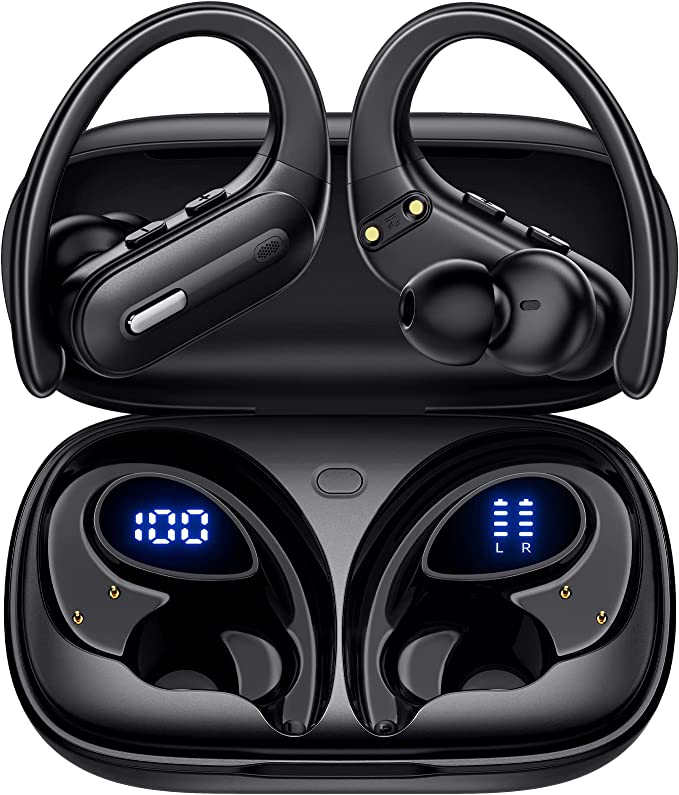
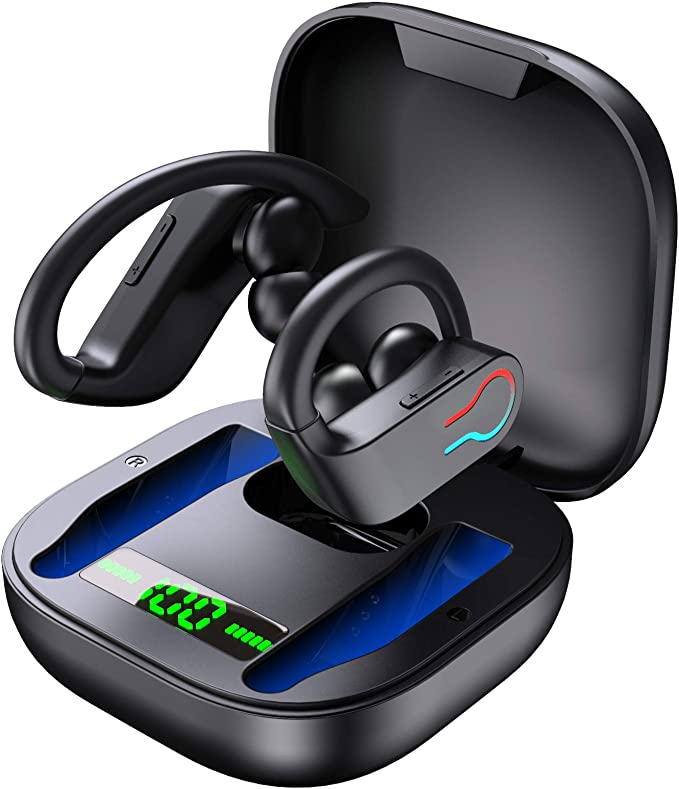
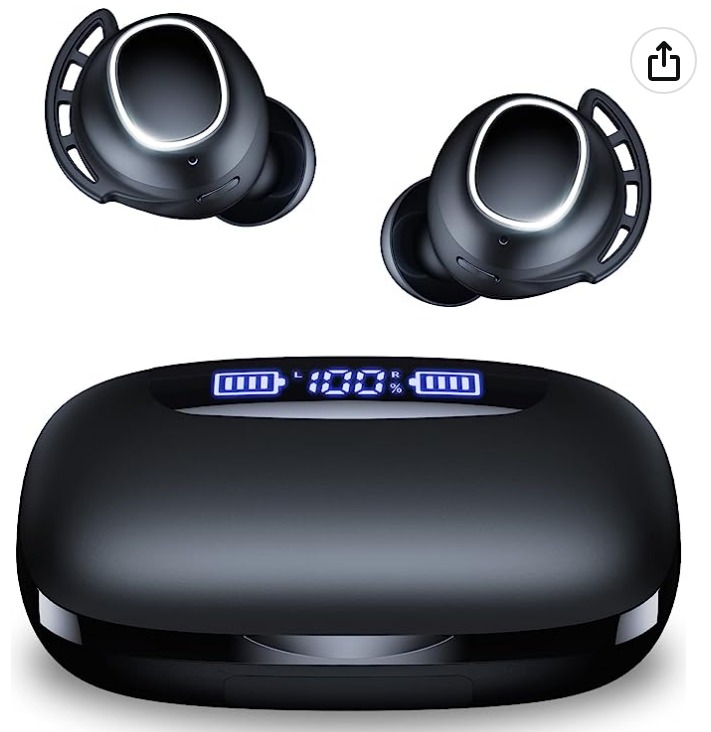
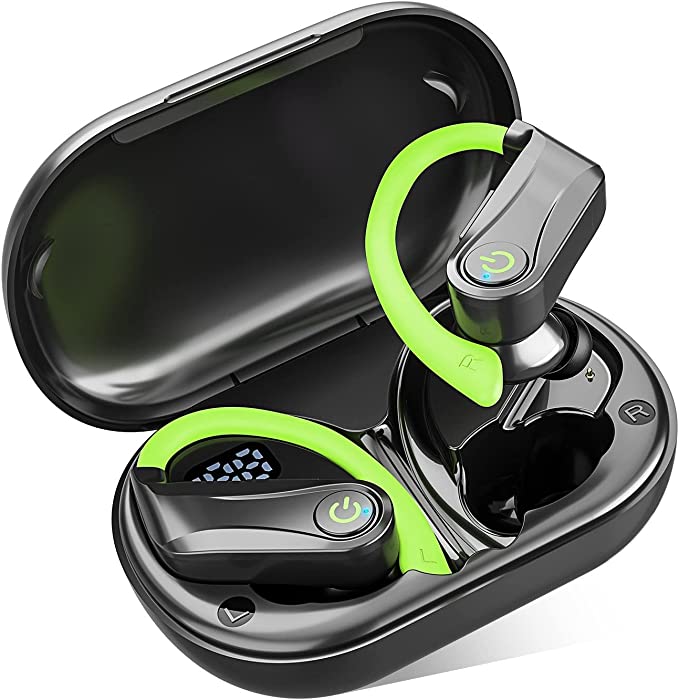
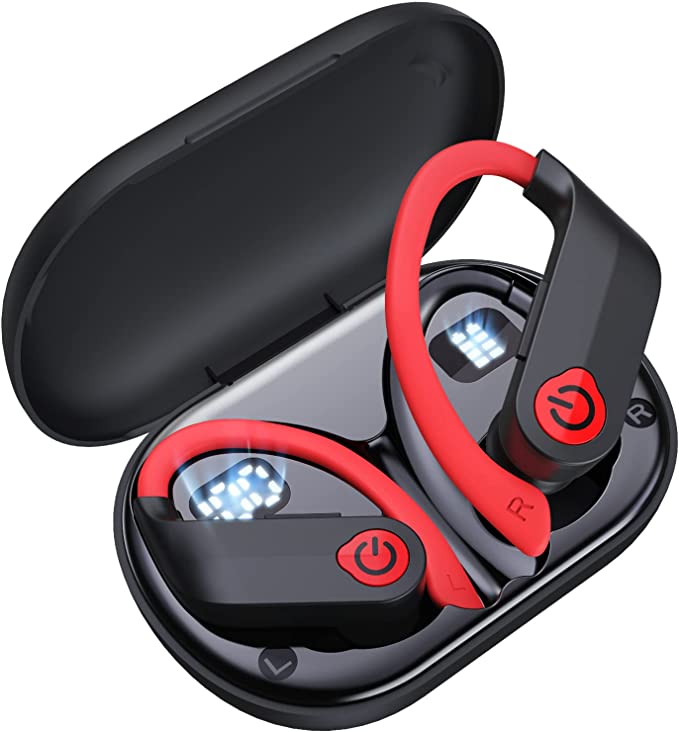
The FOYCOY C17 addresses these challenges not through exotic materials, but through robust Structural Engineering. It abandons the friction-based fit of standard earbuds for a mechanically interlocked earhook design, and pairs it with an energy storage system that rivals small power banks. To understand its utility, we must dissect the physics of stability and autonomy.
Biomechanics: The Logic of the Earhook
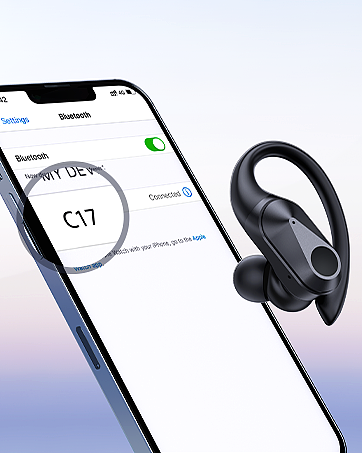
Standard “in-ear” buds rely on the friction between the silicone tip and the ear canal (Anti-Helix) to fight gravity. During high-impact activities like sprinting or burpees, the repeated vertical acceleration eventually overcomes this friction, causing the seal to break or the bud to eject.
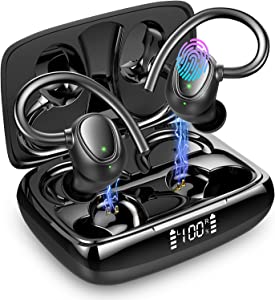
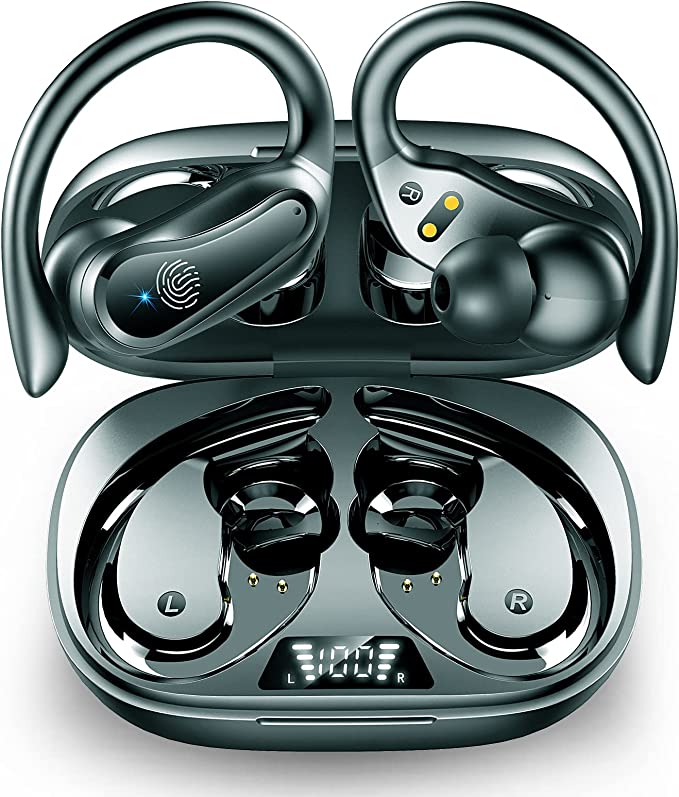
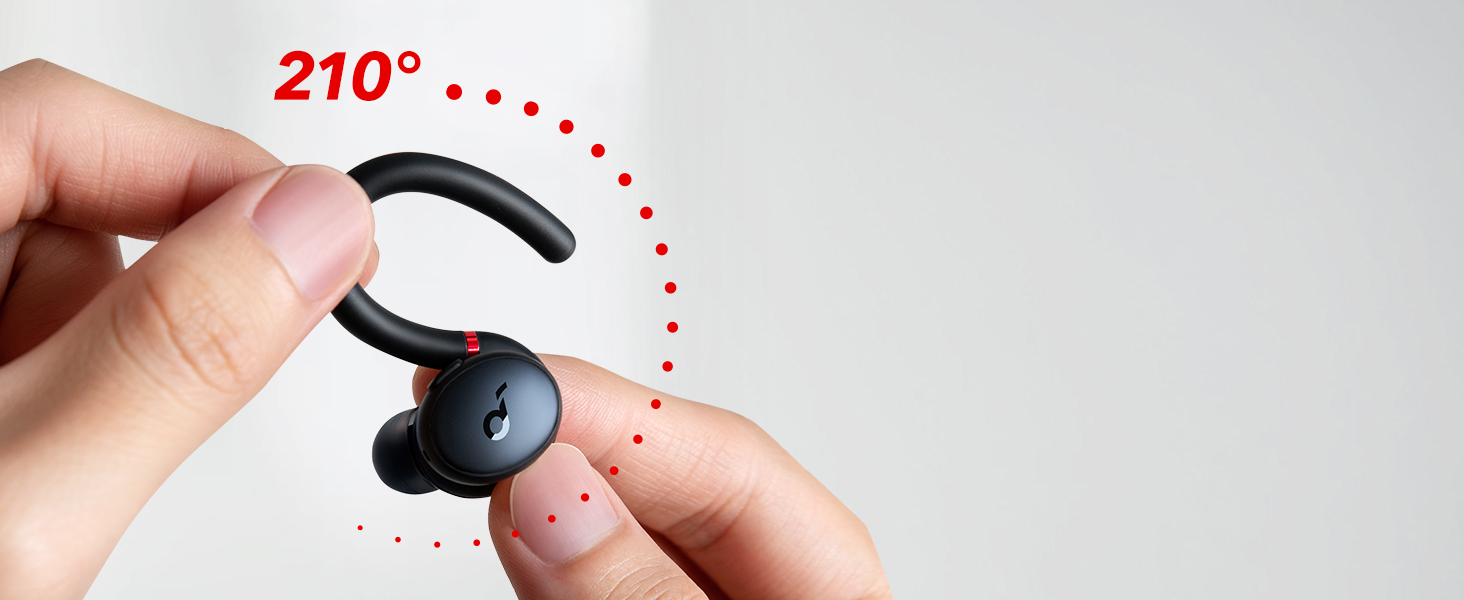
The C17 utilizes a Mechanical Interlock system via its flexible earhooks.
* Weight Redistribution: Instead of the ear canal bearing the full mass of the device, the hook transfers the load to the Pinna (the outer ear structure). This acts as a cantilever, suspending the driver housing in a stable position regardless of head movement.
* Eliminating Microphonics: By reducing the pressure required inside the ear canal for stability, the design minimizes the “thudding” sound (bone conduction of footfalls) often amplified by tight-sealing buds. This allows for a secure fit without the occlusion effect that plagues runners.
Thermodynamics of Autonomy: Decoding the 90-Hour Benchmark
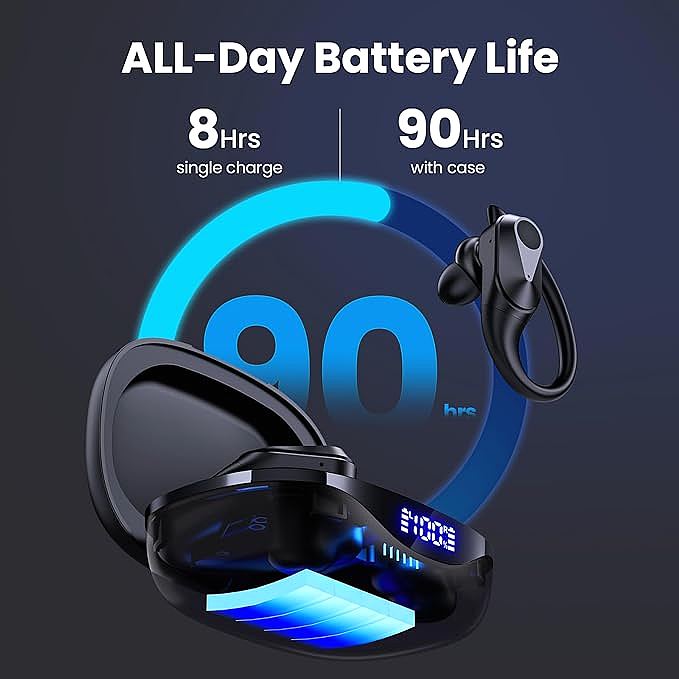
The headline specification of the C17 is its 90-hour total playtime. To put this in perspective, standard TWS (True Wireless Stereo) sets typically offer 20-30 hours. This leap is achieved through Volumetric Energy Density.
- Cell Capacity: The earbuds themselves house 70mAh batteries, nearly double the industry standard of 35-45mAh. This is possible because the larger earhook chassis provides more internal volume for the battery cell without compromising ergonomics.
- System Efficiency: The Bluetooth 5.3 chipset operates with optimized Low Energy (LE) protocols. By reducing the radio’s active duty cycle during data transmission, the system draws less current to maintain the audio stream.
- The Reservoir: The charging case contains a 600mAh battery. While mathematically simple, the engineering achievement lies in the Charge Cycle Efficiency—minimizing thermal loss during the transfer of energy from case to bud. This ensures that the stored energy translates directly to playback time, not heat.

Acoustic Physics: The 13mm Driver Advantage
In sports audio, bass is functional. Low-frequency rhythmic entrainment is proven to improve athletic performance. However, generating deep bass requires moving air.
The C17 employs a 13mm Dynamic Driver.
* Surface Area: A 13mm diaphragm has roughly 70% more surface area than a standard 10mm driver. This allows it to move a greater volume of air with less linear excursion, resulting in cleaner, less distorted bass at the high volumes often preferred in gyms.
* Transient Power: The larger magnet assembly required to drive this diaphragm provides higher magnetic flux, ensuring the driver can start and stop quickly (Transient Response), keeping the beat tight rather than muddy.
Ingress Protection: IPX7 Hydrostatic Engineering
Sweat is electrically conductive and corrosive. The IPX7 rating of the C17 indicates a hermetic seal capable of withstanding submersion.
This is achieved through Ultrasonic Welding of the chassis and the application of Nano-Hydrophobic Coatings on the internal PCB (Printed Circuit Board). Unlike IPX4 or IPX5 which only resist splashes, IPX7 ensures that the salt and moisture accumulating during a marathon do not bridge the internal circuits, a critical failure point for lesser “sports” headphones.
Conclusion: Engineered for Extremes
The FOYCOY C17 is a device defined by its operational parameters. It prioritizes mechanical stability and energy autonomy above all else. By leveraging the earhook form factor to house larger batteries and drivers, and utilizing the efficiency of Bluetooth 5.3, it solves the two biggest anxieties of the athlete: the gear falling out, and the gear dying. It is a tool engineered not just to play music, but to endure the kinetic reality of the human body in motion.