The Guardian in the Garden: A Parent's Guide to Kids' Hearing Safety
Update on Nov. 14, 2025, 7:51 p.m.
In the quiet moments of our digital age, a familiar scene unfolds: a child, engrossed in the glowing world of a tablet, a pair of headphones creating a personal bubble of sound. As a parent, you’ve curated their content and managed their screen time, but a nagging question often lingers: in that invisible space between the headphone and the eardrum, how loud is too loud?
To grasp the stakes of this question, we must first journey into a place of astonishing delicacy. Imagine your child’s inner ear not as biological hardware, but as a secret, silent garden. At its center lies the cochlea, a spiral chamber lined with thousands of microscopic hair cells. These are the flowers of our hearing garden, each tuned to a specific pitch. When sound arrives, these tiny flowers dance, translating physical vibrations into the neurological symphony we call hearing. But this garden is profoundly fragile, and unlike the flowers in your yard, these, once broken, never grow back.
The Unseen Footsteps: Understanding Noise-Induced Hearing Loss
The danger, defined by science as Noise-Induced Hearing Loss (NIHL), isn’t a disease that attacks this garden. It’s simply careless footsteps. Loud sound acts as a physical force, trampling these delicate hair cells. After brief exposure, they might bend and recover—a temporary ringing in the ears is a sign of this fatigue. But with prolonged or repeated exposure to high volumes, the cells break. The loss is permanent. Most tragically, the cells responsible for high-frequency sounds—the very ones that give speech its clarity and music its sparkle—are often the first to be destroyed.
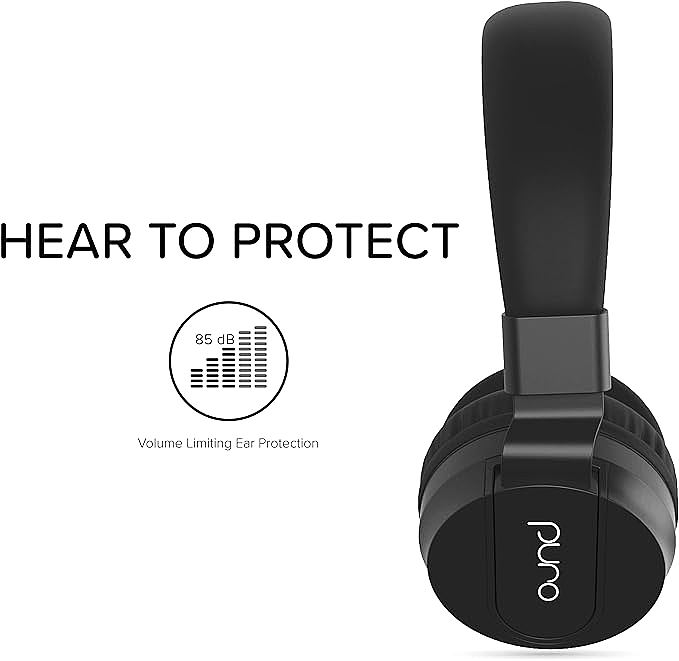
The problem is that standard headphones and earbuds can easily produce sound levels of 100-110 decibels (dB), comparable to a power saw or a rock concert. A child, captivated by a game, has no internal gauge for this danger. They only know that turning the volume up makes their world more vibrant. Unknowingly, they may be causing irreversible damage to their own delicate garden. This poses a heavy question for any parent: Who will be its guardian?
The Line in the Sand: The Science Behind the 85-Decibel Shield
Where is the line between safe and dangerous? Decades of research from global health authorities like the World Health Organization (WHO) and the Occupational Safety and Health Administration (OSHA) have provided a clear answer: 85 decibels.
For context: * A quiet library is about 30 dB. * A normal conversation is 60 dB. * 85 dB is equivalent to a noisy restaurant or heavy city traffic.
Sustained exposure to any sound above 85 dB begins to cause permanent damage. At the 100+ dB levels that many personal devices can reach, that damage can occur in less than 15 minutes a day. The responsibility, then, falls not just on monitoring usage, but on choosing tools that are inherently safe.
The Anatomy of a Guardian: Engineering for Protection
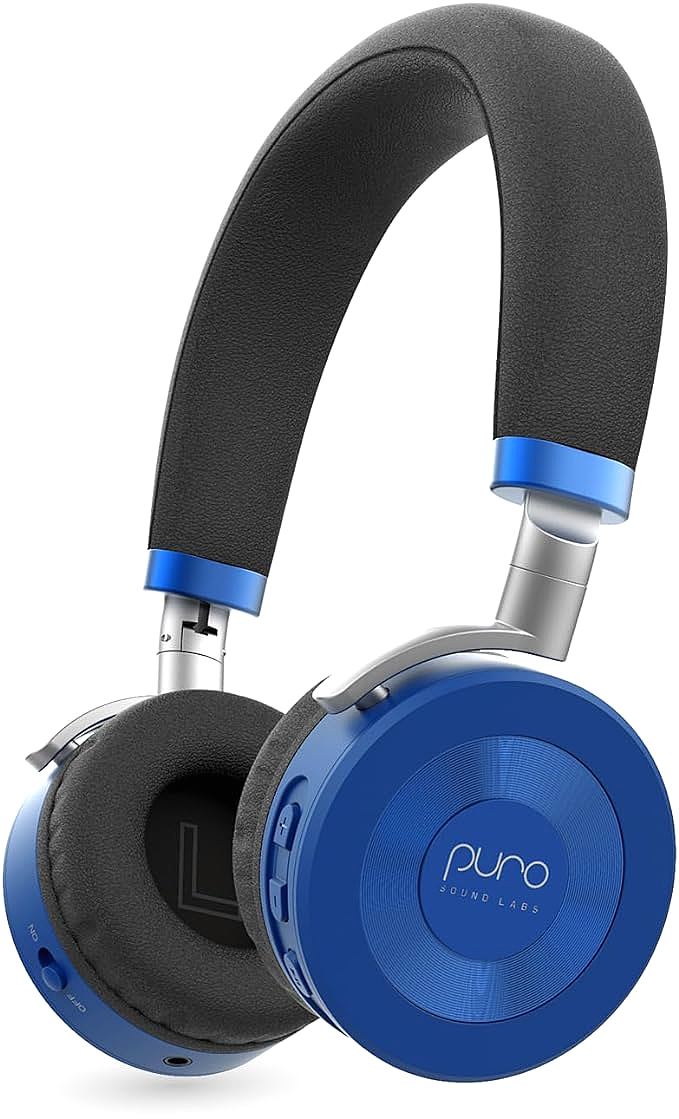
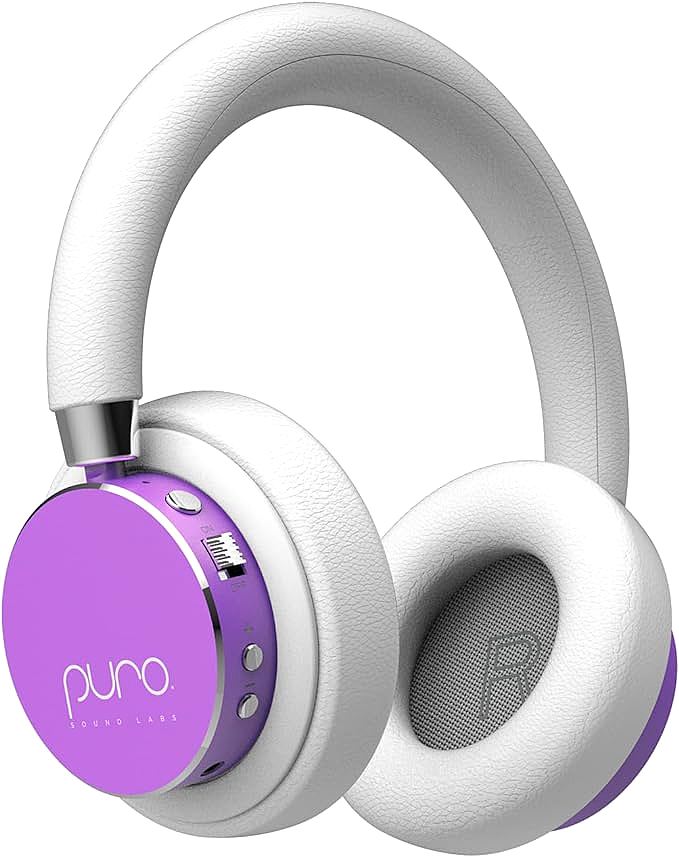
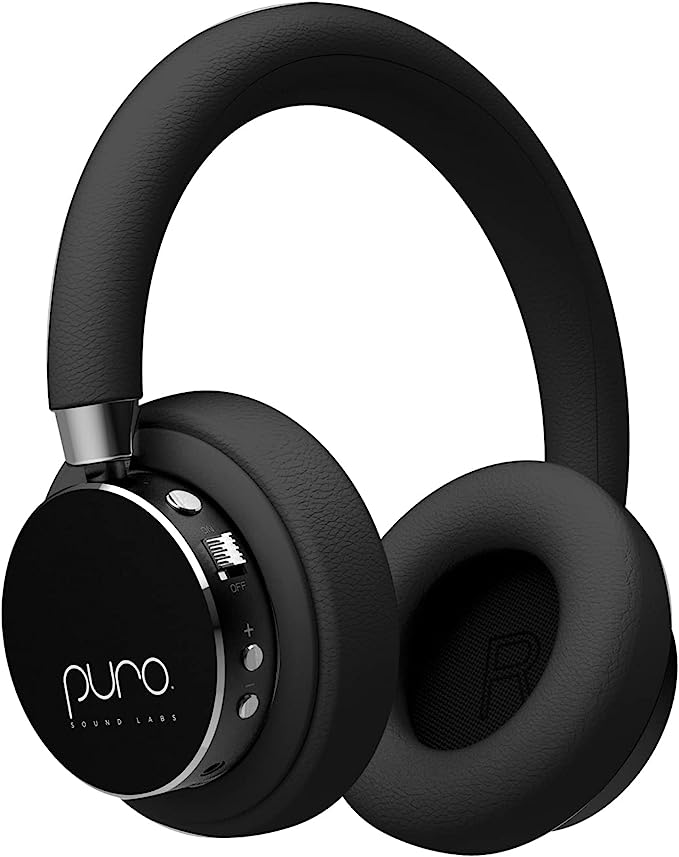
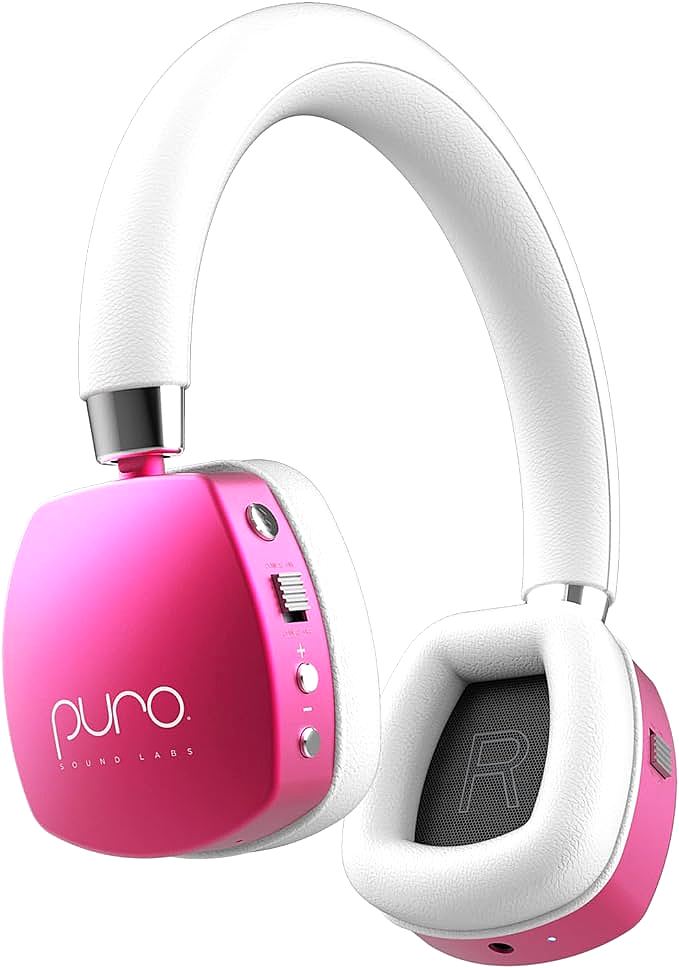
This is where purposeful engineering comes into play. A true volume-limiting headphone is not merely a standard headphone with the volume turned down; it’s a dedicated safety system. Let’s use the Puro Sound Labs PuroBasic headphones, a product born from a father’s mission to prevent NIHL after his own daughter was diagnosed with it, as a case study in responsible design.
1. The Unbreakable Governor: Software-based volume limits on phones and tablets are suggestions that a curious child can often bypass. A hardware-based limit, however, is a physical rule. The circuitry inside headphones like the PuroBasic is engineered to simply not allow the sound pressure level to exceed the 85dB threshold. It’s a mechanical governor on an engine that physically prevents it from redlining, providing a constant and reliable baseline of safety.
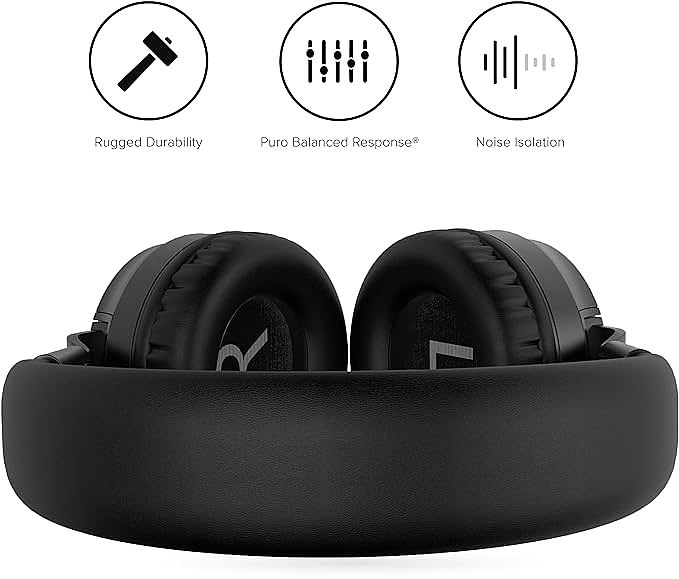
2. The Palette of Clarity: Why do kids crank the volume in the first place? Often, it’s not a desire for loudness, but a need for clarity. In poorly balanced headphones, dialogue is muddy and music is a booming mess. The instinctive response is to turn it all up. A well-engineered headphone addresses this with a balanced frequency response. Puro calls their solution the “Puro Balanced Response Curve,” which ensures that bass, mids, and highs are presented in clean harmony. Voices are crisp, and instruments are distinct. By delivering pristine clarity at safe volumes, these headphones remove the primary incentive to push past the safety limit. It’s an intelligent form of protection that works with a child’s listening habits, not against them.
Designed for a Child’s World: Thoughtfulness in Every Detail
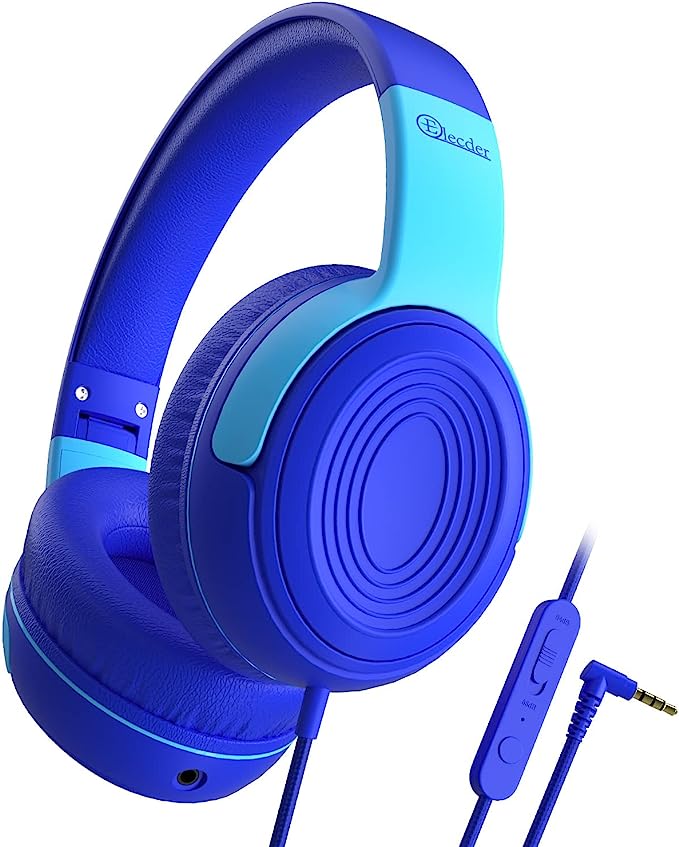
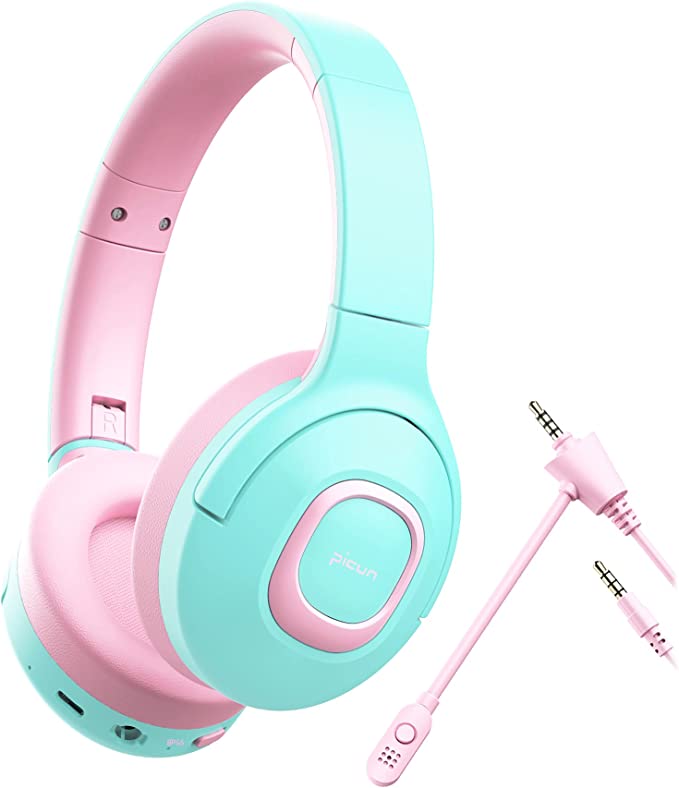
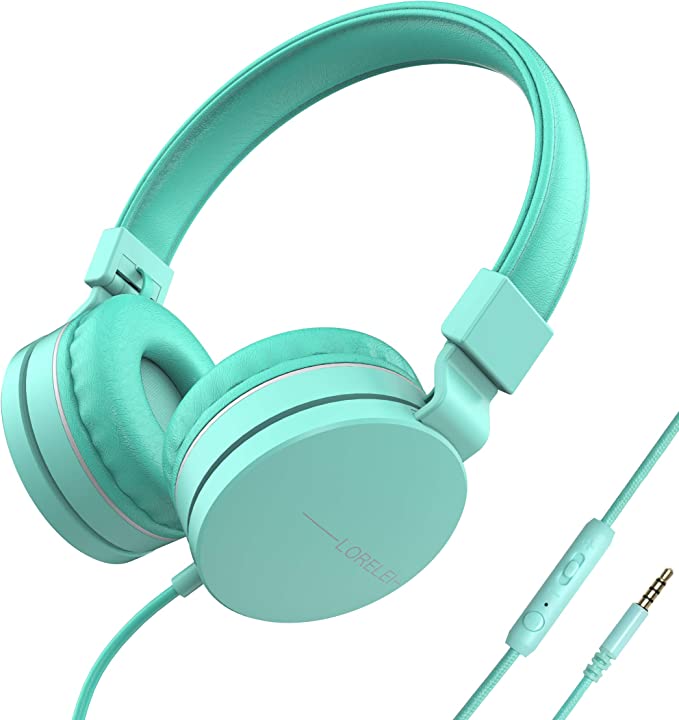
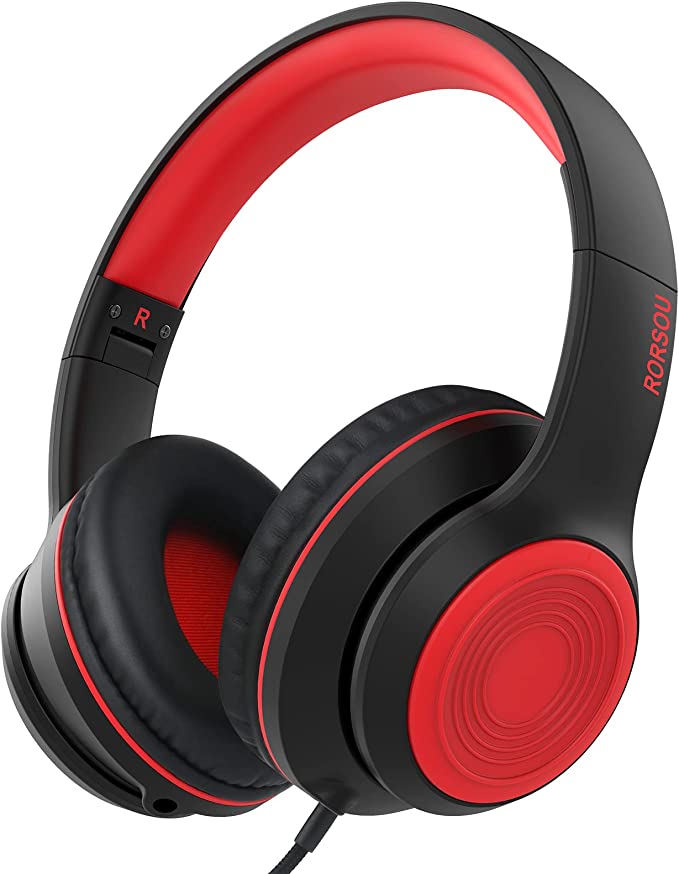
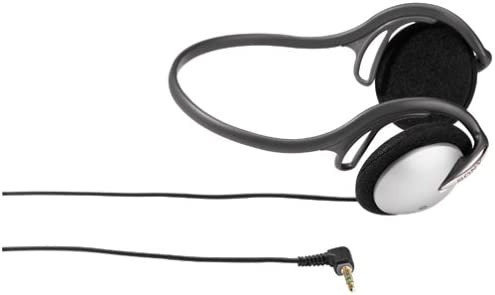
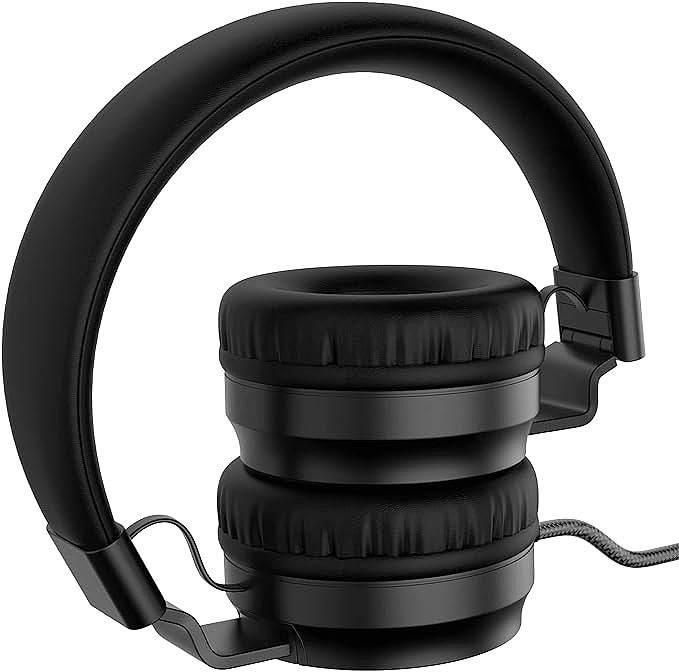
Beyond the electronics, the physical design speaks volumes about the product’s purpose. The choice of a durable, wired connection is a deliberate one for a child’s primary-use device. It eliminates battery concerns during long trips, removes potential Bluetooth pairing frustrations before an online class, and offers a robustness that can withstand the inevitable tugs and pulls.
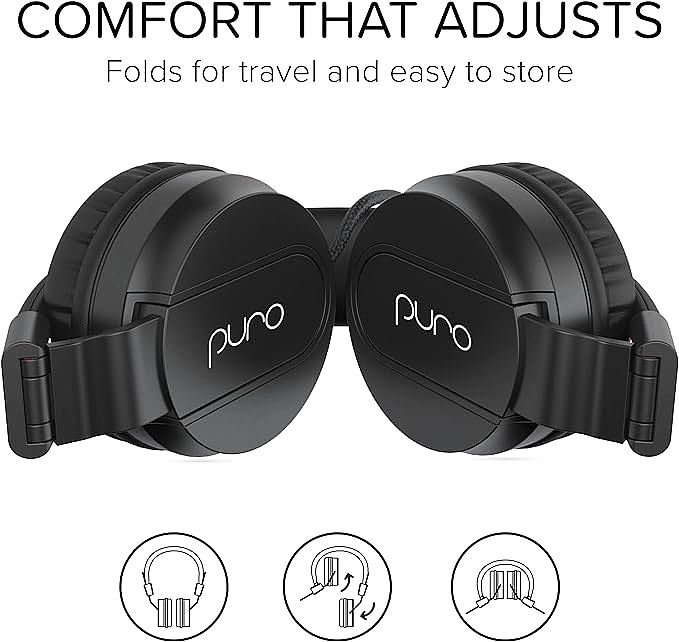
Comfort is also a key safety feature. If headphones are uncomfortable, a child won’t wear them. Lightweight frames, an adjustable headband, and soft, cushioned earcups—often made from gentle materials like plush vegan leather—are essential for ensuring a child will keep them on, especially for longer periods like travel or online learning. Some brands even partner with organizations like KultureCity to earn a “Certified Sensory Inclusive” seal, recognizing that for children with sensory sensitivities, a controlled and comfortable auditory environment is a necessity.
Conclusion: The Sound of a Protected Future
Let’s return to that familiar scene: the parent watching their child, lost in an audio world. Now, the picture is different. The parent’s gaze is not one of anxiety, but of quiet confidence. They understand the silent garden within their child’s ears and have chosen a tool designed to be its guardian.
Choosing a volume-limiting headphone is more than a purchase; it’s an act of foresight. It is accepting our responsibility to teach our children how to navigate the digital world safely. We cannot always be there to say, “Turn it down.” But we can provide them with tools that are inherently wise, inherently safe, and born from a place of profound care. We can give them the precious gift of a future filled with all the world’s vibrant, beautiful sounds, heard in their full, undamaged glory.