The Architecture of Focus: Decoding Hybrid ANC and Multipoint in Modern TWS
Update on Nov. 23, 2025, 7:51 p.m.
In the digital age, our environment is defined not by silence, but by a relentless competition for our sensory attention. The hum of an HVAC system, the clatter of a subway track, and the incessant ping of notifications create a cognitive load that fragments our concentration. In this context, True Wireless Stereo (TWS) earbuds have evolved from simple playback devices into essential tools for environmental architecture—allowing us to curate what we hear and, by extension, how we think.
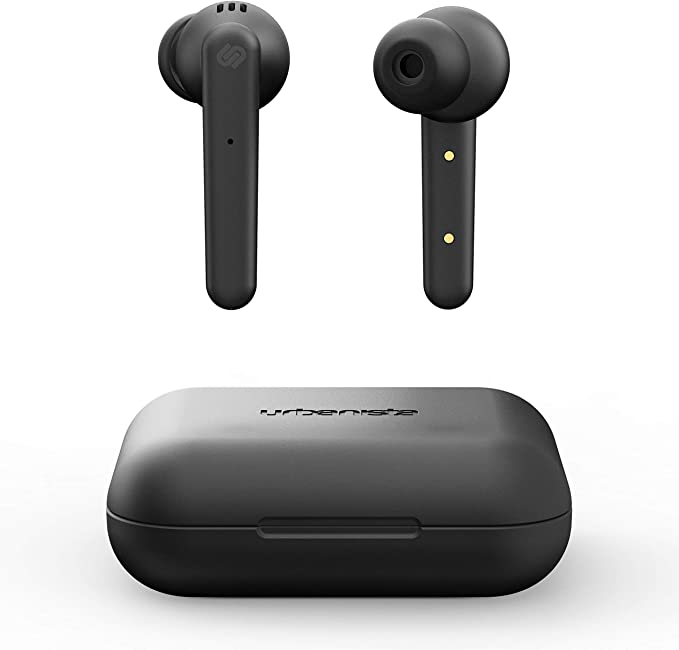
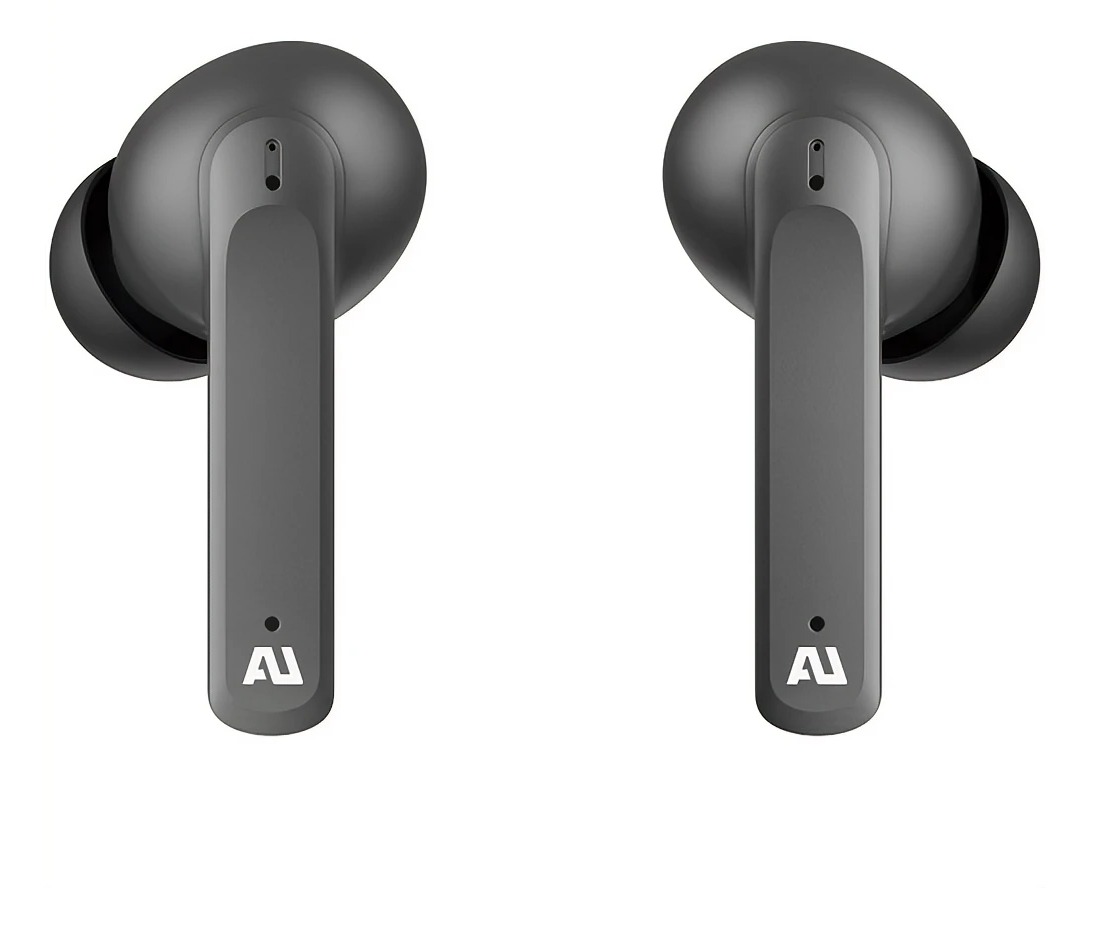
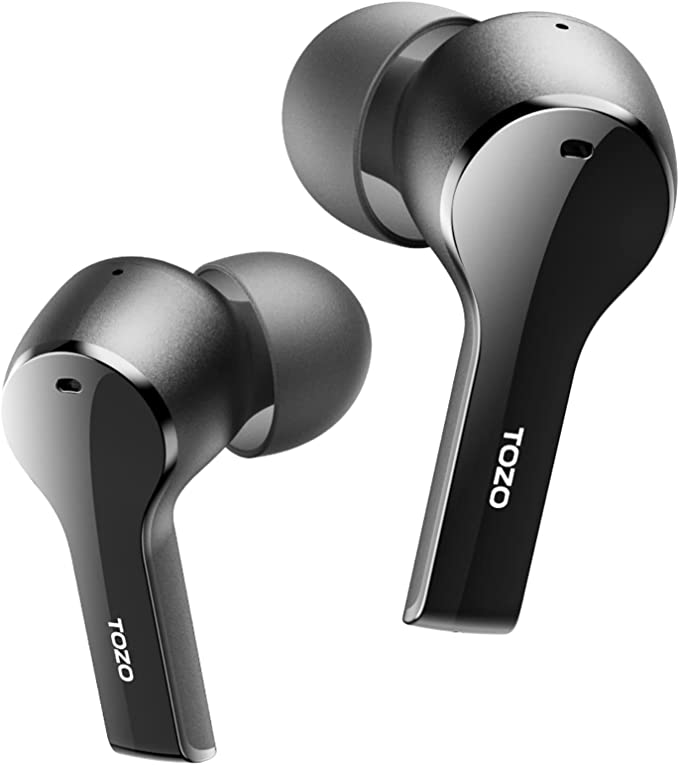
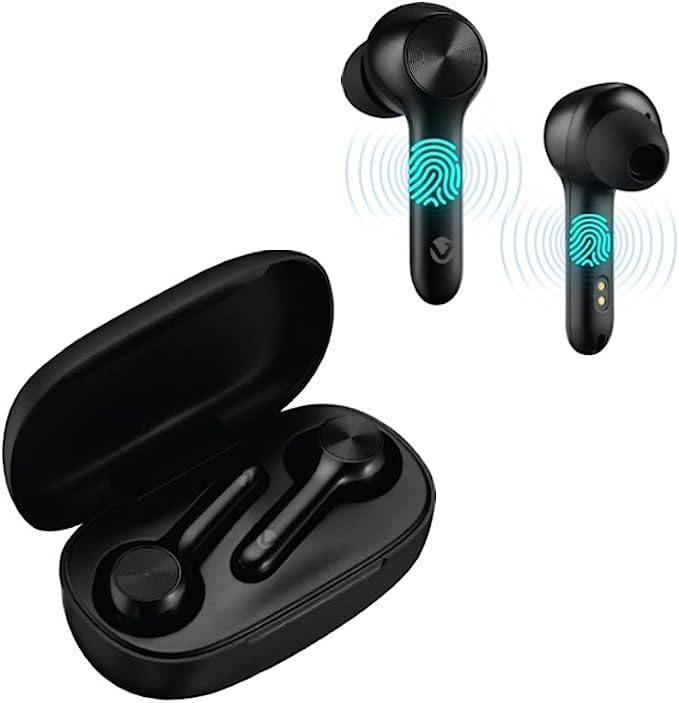
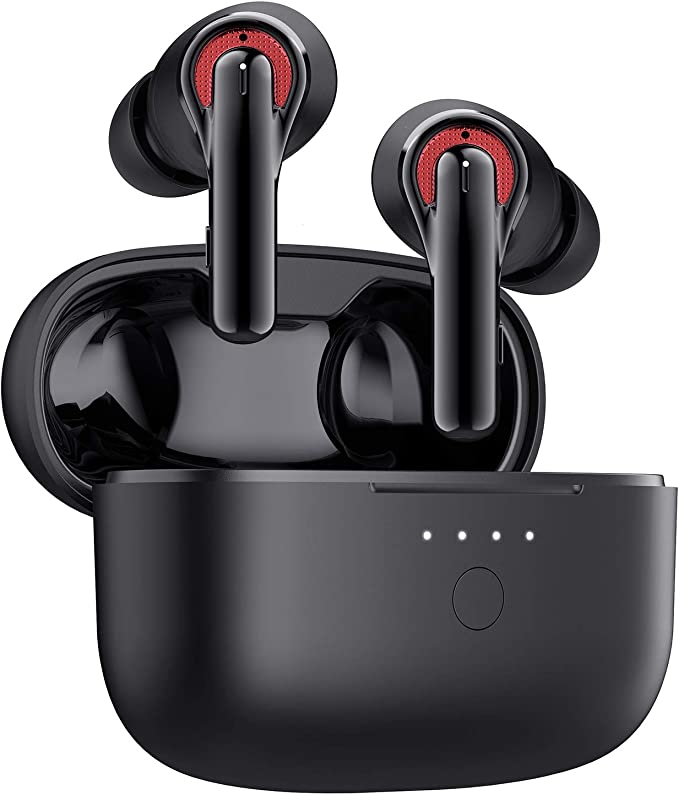
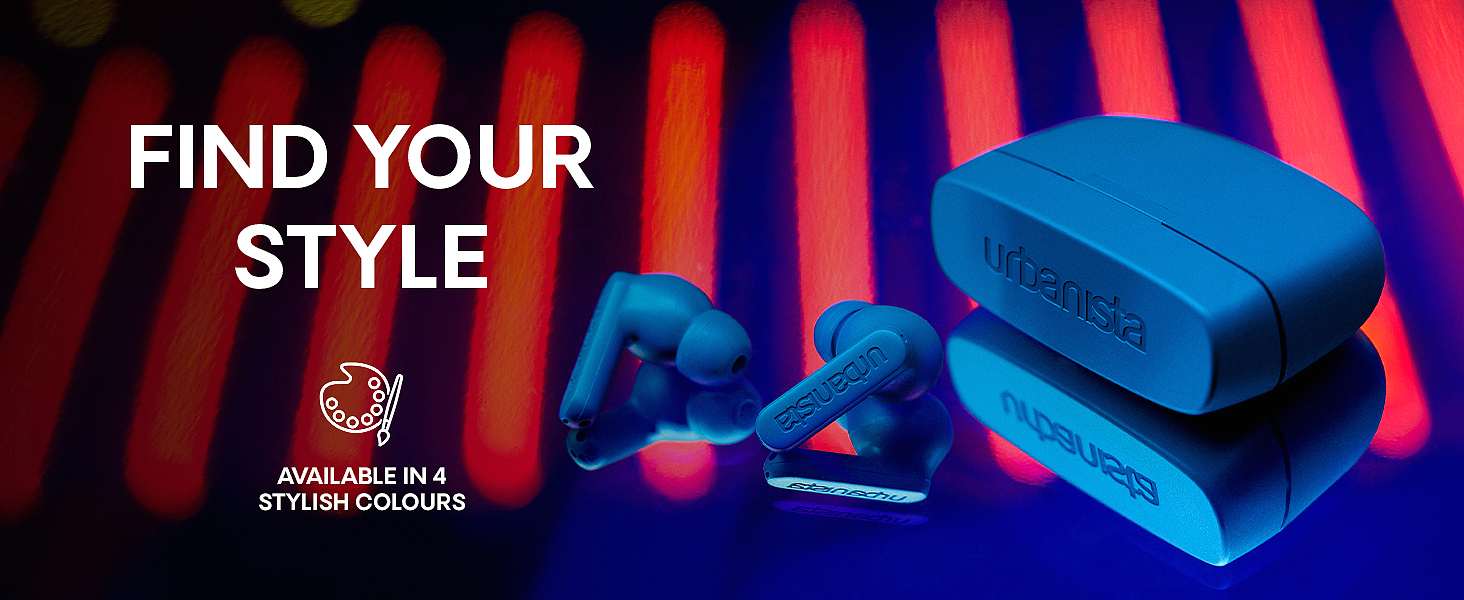
Understanding the technology behind these devices—specifically Hybrid Active Noise Cancellation (ANC) and Bluetooth Multipoint connectivity—reveals how modern audio engineering is solving the problem of focus. Devices like the Urbanista Atlanta serve as a prime example of this technological convergence, packing sophisticated acoustic physics into a compact, wearable form factor.
The Physics of Silence: Inside Hybrid ANC
To understand how an earbud can silence a jet engine, we must look at the physics of sound waves. Noise is simply a pressure wave traveling through the air. Active Noise Cancellation works on the principle of destructive interference: creating an “anti-noise” wave that is perfectly inverted (180 degrees out of phase) relative to the unwanted sound. When these two waves collide, they cancel each other out, leaving silence.
However, not all ANC is created equal. The standard implementation often uses a single microphone (either outside or inside the ear cup), which limits the range of frequencies it can effectively neutralize.
Hybrid ANC, the technology utilized in the Urbanista Atlanta, represents a significant leap forward. It employs a dual-microphone strategy:
1. Feedforward Microphones (External): Located on the outside of the earbud, these detect environmental noise before it reaches your ear. They are excellent at handling narrow-band frequencies like traffic or drone sounds.
2. Feedback Microphones (Internal): Located inside the ear canal, these monitor what you actually hear. They catch any noise that slipped past the first defense and correct for errors, such as a loose fit.
[Image of Hybrid ANC diagram]
By combining these data streams, Hybrid ANC creates a broader, more accurate zone of silence. It allows for the suppression of a wider spectrum of noise—from the low rumble of a train to the higher-pitched chatter of an office—turning the earbud into a customizable “mute button” for the world.
The Digital Weaver: Bluetooth Multipoint Connectivity
If ANC manages our physical environment, Bluetooth Multipoint manages our digital one. As our workflow fragments across laptops, smartphones, and tablets, the friction of disconnecting and reconnecting Bluetooth devices becomes a major productivity killer.
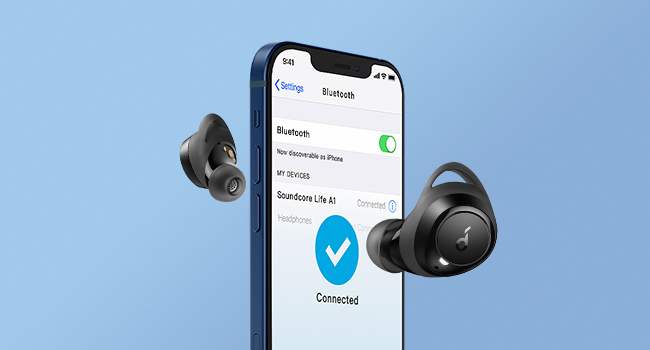
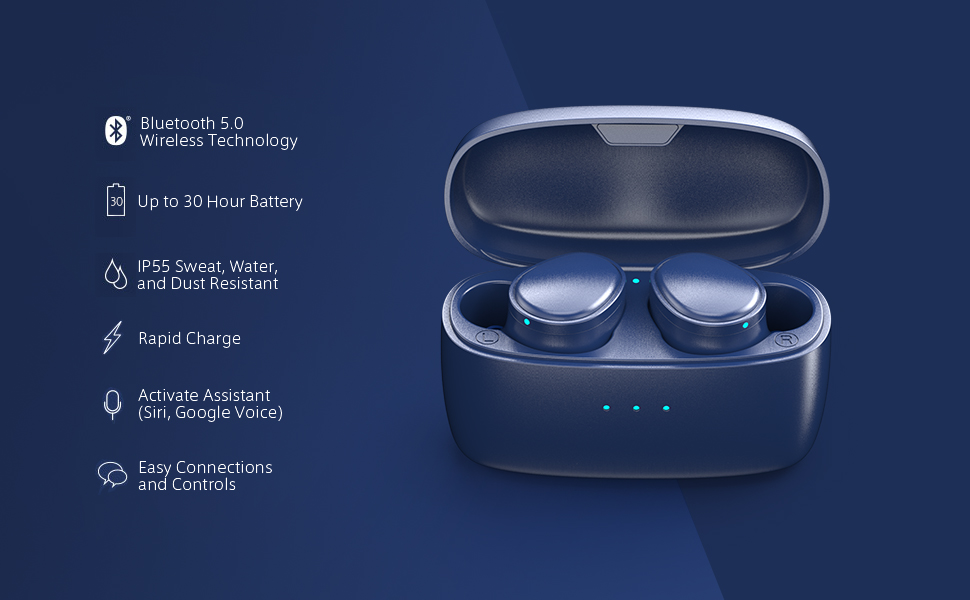
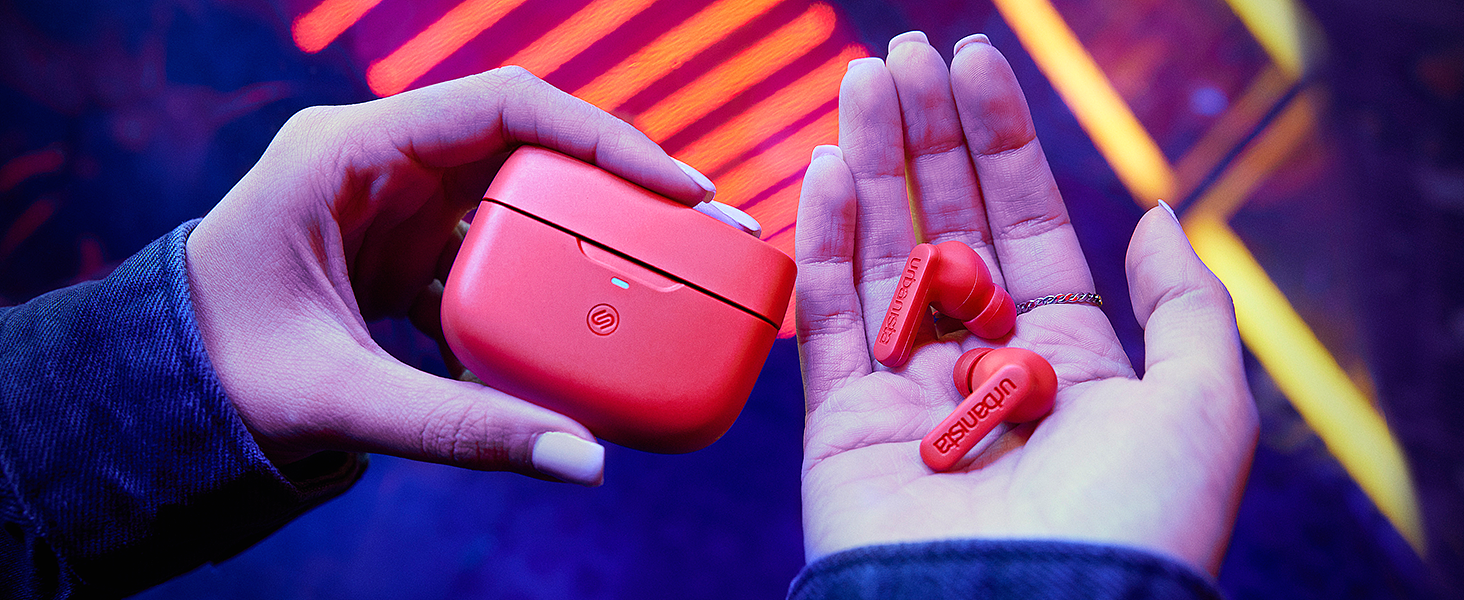
Multipoint technology allows a single pair of earbuds, such as the Atlanta, to maintain active connections with two source devices simultaneously. But how does this work?
Technically, the Bluetooth radio maintains two separate “links” within the piconet. While only one device can stream the high-bandwidth A2DP (Advanced Audio Distribution Profile) signal for music at a time, the earbuds keep a second HFP (Hands-Free Profile) link open with the other device. The onboard chipset acts as a traffic controller. When a call comes in on your phone, the earbuds instantly pause the music stream from your laptop and switch priority to the phone’s audio channel.
This seamless handoff is critical for the “Work-Life Blend.” It means you can be deep in a focus session with lo-fi playlists on your computer, yet never miss an urgent call from a client, all without touching a settings menu.

Psychoacoustics and the “Deep Bass” Phenomenon
“Sound quality” is often discussed in vague terms, but in engineering, it comes down to driver mechanics and tuning. The term “Deep Bass” refers to the reproduction of low-frequency sounds (typically 20Hz - 200Hz). In compact TWS earbuds like the Urbanista Atlanta, achieving this requires overcoming the physical limitations of small drivers.
Engineers achieve this through high-excursion dynamic drivers and Digital Signal Processing (DSP). The driver must move enough air to create the physical sensation of bass, while the DSP shapes the frequency curve to prevent “muddying” the vocals (mid-range).
Furthermore, the perception of audio is subjective. This is where app integration becomes a hardware feature. By allowing users to adjust the Equalizer (EQ) via a companion app, listeners can tailor the sound signature to their specific biology and preference—compensating for hearing sensitivity or simply boosting the rhythm section for a workout.
The Reality of Mic Physics: A Note on Communication
While playback technology has advanced rapidly, voice capture remains a challenge for the TWS form factor. The microphone is located at the ear, significantly far from the mouth. To capture clear voice, earbuds use beamforming arrays—algorithms that focus on the direction of the mouth and suppress surrounding noise.
However, physics dictates that this will rarely match the fidelity of a boom microphone positioned directly in front of the lips. In challenging environments, such as windy streets or crowded cafes, even sophisticated systems can struggle to separate voice from chaos perfectly. Users prioritizing TWS earbuds should understand this inherent trade-off: you gain the freedom of a wire-free, compact design, but you are relying on algorithmic processing to carry your voice.

Conclusion: Engineering Your Personal Sanctuary
The selection of a personal audio device is no longer just about buying headphones; it is about choosing a tool for cognitive management. Features like Hybrid ANC provide the solitude necessary for deep thought, while Multipoint connectivity ensures we remain agile in a multi-device world.
The Urbanista Atlanta illustrates how these technologies can be packaged into a cohesive, user-friendly product. By understanding the science behind the specs, consumers can make informed decisions, moving beyond marketing buzzwords to find the equipment that truly enhances their daily rhythm and focus.