The Physics of the Invisible: Miniaturization and Acoustic Engineering in Earbuds
Update on Jan. 11, 2026, 4:39 p.m.
In the trajectory of consumer technology, the ultimate goal is often disappearance. We want the function without the form, the music without the machine. The trend towards miniaturization in True Wireless Stereo (TWS) earbuds is a race towards this “invisible” ideal. However, shrinking a device is not merely a matter of making things smaller; it is a battle against the fundamental laws of physics, thermodynamics, and electromagnetism.
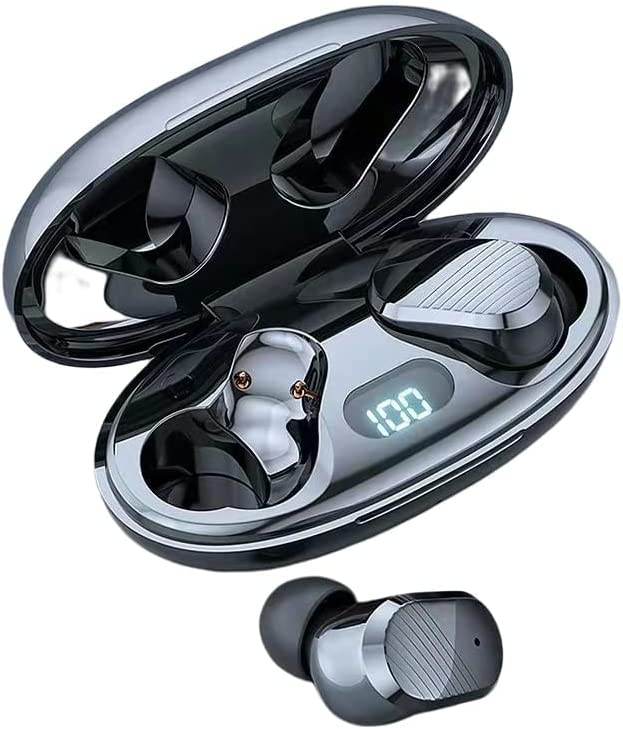
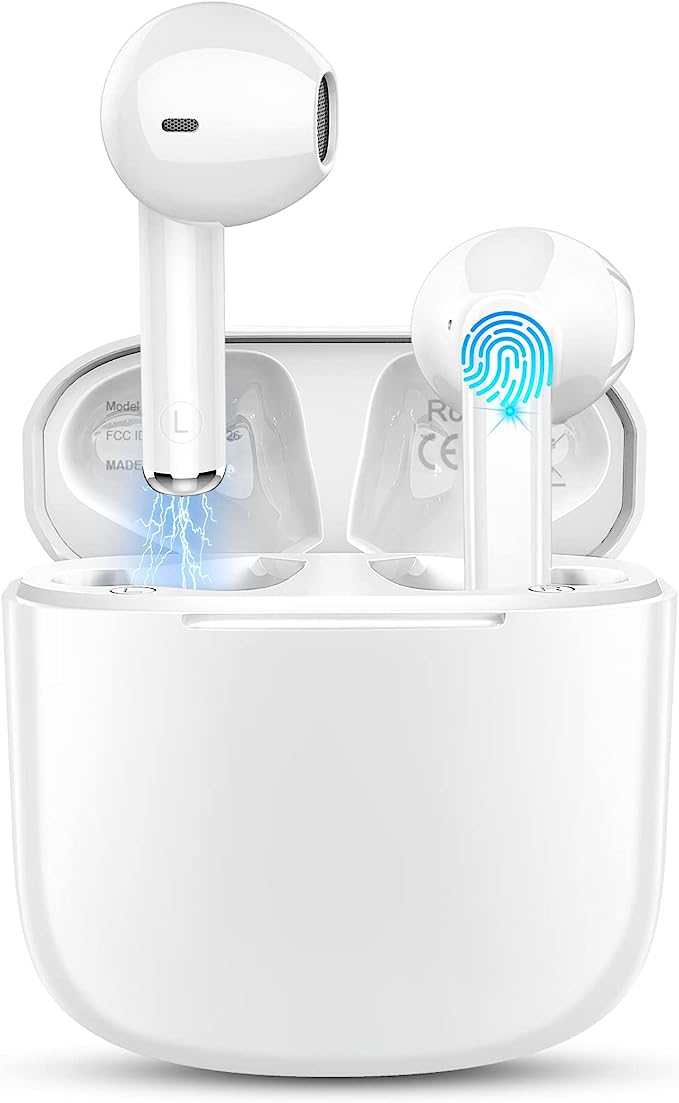
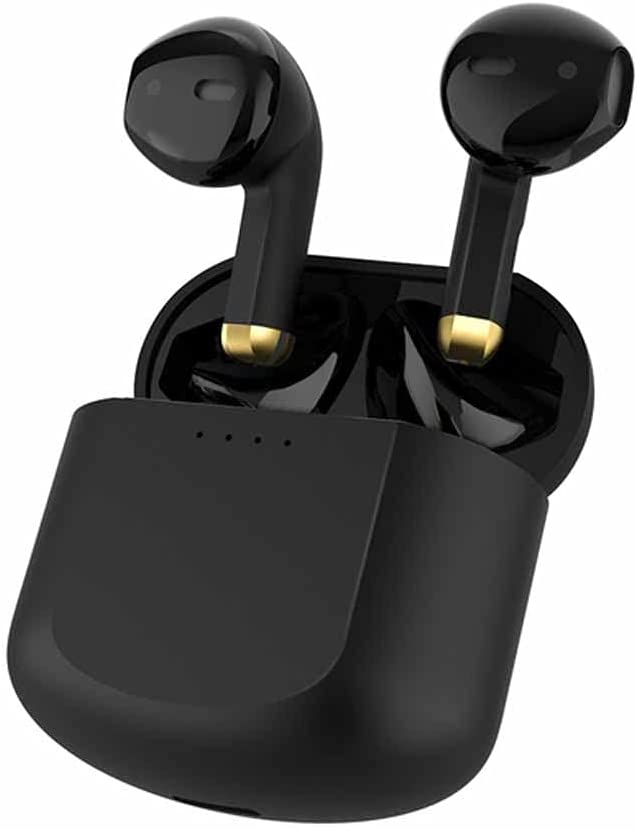
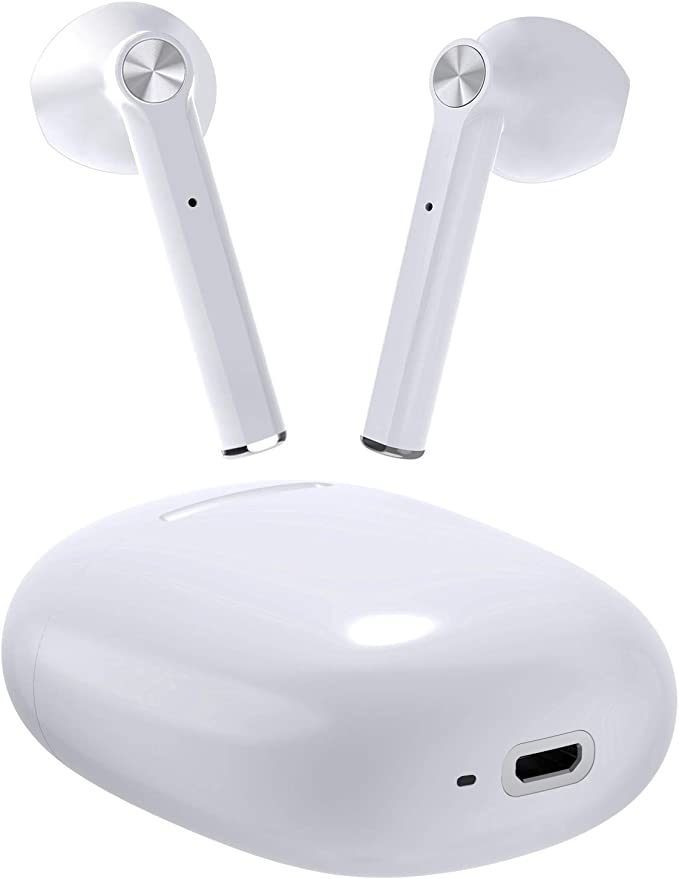
The Lanteso S21 Mini Wireless Earbuds, weighing in at a mere 4.1 grams per unit, serve as a fascinating case study in this engineering discipline. To pack drivers, batteries, antennas, microphones, and processors into a chassis barely larger than a fingertip requires a mastery of Integration Density. This article explores the acoustic implications of the 6mm driver, the challenges of micro-scale signal processing, and the physics of making technology disappear.

The Acoustics of the Micro-Driver: Why 6mm Matters
In audio, there is a general maxim: “There is no replacement for displacement.” To create deep bass, you typically need a large driver moving a lot of air. So, why do micro-earbuds like the S21 utilize 6mm Dynamic Drivers instead of the 10mm or 12mm standards found in larger models? The answer lies in the trade-off between Mass and Transient Response.
The Advantage of Small Mass
A 6mm diaphragm has significantly less mass than a 12mm one. * Newton’s Second Law: $F = ma$ (Force = mass x acceleration). To accelerate a lighter diaphragm requires less force. * Transient Response: Because the 6mm driver is lighter, it can start and stop more quickly. This agility allows it to reproduce high-frequency transients—the snap of a snare, the pluck of a guitar string—with superior precision. Larger, heavier drivers can suffer from “overhang,” where the diaphragm keeps moving after the signal stops, blurring the sound. * High-Frequency Extension: Smaller diameters also push the “breakup mode” (where the diaphragm flexes uncontrollably) to higher frequencies, often beyond the audible range. This results in cleaner, smoother treble performance.
Compensating for Bass
The challenge, of course, is bass. A small driver moves less air. To achieve the “Bass Sound” promised by the S21, engineers must rely on Psychoacoustics and Chamber Design.
1. The Sealed Chamber: In an in-ear design, the ear canal becomes part of the speaker enclosure. By creating a perfect seal with the silicone tip, the tiny 6mm driver pressurizes the small volume of air in the canal directly. This “pressure vessel” effect allows small drivers to produce perceptually deep bass without needing massive excursion.
2. DSP Bass Boost: The Bluetooth chipset likely applies a digital equalization curve (Digital Signal Processing) to boost low frequencies before they reach the driver, compensating for the physical roll-off.
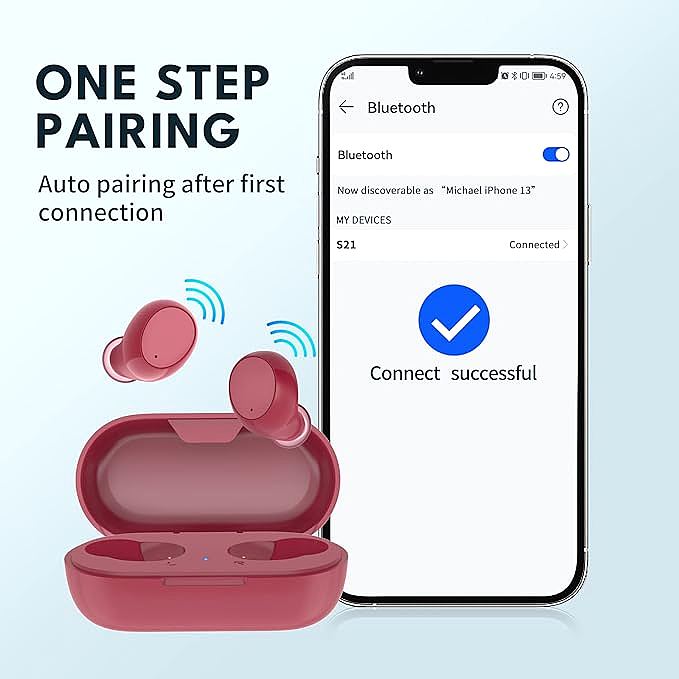
The Challenge of Connectivity: Antennas in a Faraday Cage
Wireless performance in micro-earbuds is a constant struggle against geometry. * Antenna Length: Ideally, an antenna should be a fraction of the wavelength it receives. For 2.4GHz Bluetooth, a quarter-wave antenna is about 31mm. The entire S21 earbud is barely that size. * The Body Block: The human head is a giant bag of salty water, which absorbs 2.4GHz signals effectively. * Crowded PCB: The antenna must share space with the battery, magnets (for charging), and copper voice coils—all of which can cause interference.
The Bluetooth 5.2 protocol used in the S21 is critical here. It improves Receiver Sensitivity and introduces Isochronous Channels, allowing data to be sent to both earbuds simultaneously (rather than one relaying to the other). This architecture reduces the power required for transmission and improves connection stability even when the antenna design is compromised by extreme miniaturization. It is a software solution to a hardware constraint.
Signal Processing in Restricted Space: The 4-Mic Array
The S21 boasts a 4-Mic Calling System. Implementing a microphone array in such a small body creates a unique problem: Spatial Separation.
Beamforming algorithms—which focus the microphones on your voice—rely on the time delay between sound arriving at Mic A versus Mic B.
* The Baseline Problem: In a large headset, mics can be inches apart. In the S21, they might be millimeters apart. The time difference of arrival (TDOA) is infinitesimal.
* Algorithmic Precision: This requires extremely high sampling rates and precise clock synchronization in the DSP to detect these nanosecond differences. The S21 effectively uses computational power to overcome geometric limitations, allowing it to distinguish your voice from background noise even without the physical separation of a boom mic.
Energy Density: Powering the Micro-System
Finally, there is the issue of power. A smaller earbud means a smaller battery.
The 4 hours of playtime (and 24 total with case) is achieved not just by battery chemistry, but by System Efficiency.
* Bluetooth 5.2 LE Audio: The “Low Energy” extensions allow the radio to sleep for longer intervals between data packets.
* Driver Impedance: The 6mm driver is likely designed with high sensitivity and low impedance, requiring less voltage from the tiny amplifier to reach listenable volumes.
* Fast Charging: The USB-C fast charge (1 hour for full case) relies on the ability of modern Lithium-Polymer cells to accept high C-rates (current relative to capacity) without overheating—a critical safety factor in a device worn inside the ear.
Conclusion: The Triumph of Integration
The Lanteso S21 is more than a budget earbud; it is a demonstration of how far integration technology has come. By balancing the physics of small drivers with the power of DSP, and leveraging the efficiency of modern Bluetooth protocols, it delivers a full-sized audio experience in a microscopic package.
It proves that in the world of personal audio, “less” physically can indeed mean “more” technologically. As we move toward a future of ubiquitous computing, devices like the S21 pave the way for technology that is felt, heard, but barely seen.