Beyond the Eardrum: How Bone Conduction Engineering Redefines Situational Awareness
Update on Nov. 22, 2025, 4:23 p.m.
In the evolution of personal audio, the dominant trend has long been isolation. Active Noise Cancellation (ANC) and snug-fitting silicone tips aim to seal us off, creating a private sanctuary of sound. However, a parallel revolution is occurring—one that champions connection over isolation. It poses a fundamental question: Is it possible to curate a personal soundtrack without severing ties with the physical world?
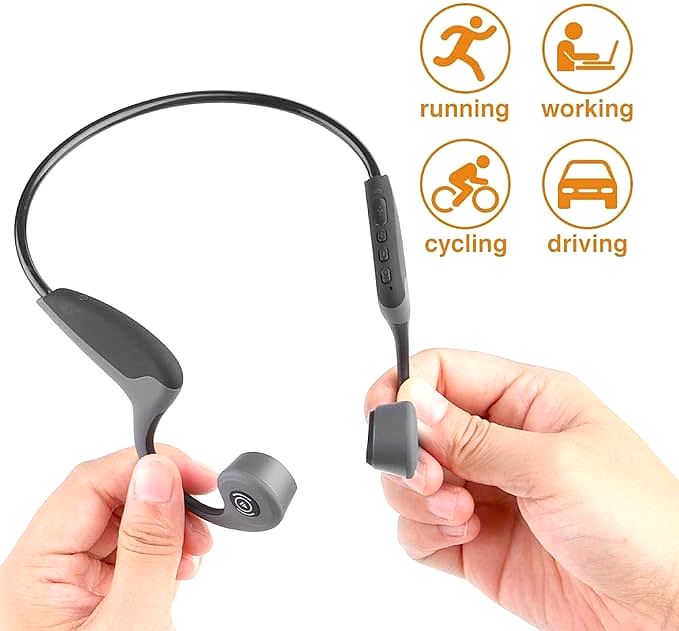
The answer lies in Bone Conduction Technology, a method of sound transmission that bypasses the eardrum entirely. While it may sound like science fiction, it is firmly rooted in physiological acoustics. Devices exemplifying this technology, such as the Vapeonly Z8 Bone Conduction Headphones, serve as accessible case studies in how we can engineer “auditory augmented reality”—overlaying digital audio onto our natural environmental soundscape.
The Physics of Osteo-Conductivity: A Secret Pathway
To understand why an open-ear design matters, we must first decode how we hear. Traditional air conduction relies on sound waves traveling through the ear canal to vibrate the tympanic membrane (eardrum). Bone conduction, however, leverages the skull’s natural density.
Transducers, like those found in the Z8, generate mechanical vibrations that travel through the zygomatic arch (cheekbones) directly to the cochlea in the inner ear. This bypasses the middle ear entirely. This is why, when you plug your ears and hum, the sound resonates loudly inside your head—that is bone conduction in its most primal form.
By applying this principle to consumer electronics, engineers can leave the ear canal completely unobstructed. This “Dual-Channel Listening” allows the brain to process two distinct audio streams simultaneously: the music transmitted through the bone, and the ambient noise (traffic, voices, nature) transmitted through the air.
Engineering Openness: The Imperative of Situational Awareness
The primary application of this technology is not audiophile-grade fidelity, but safety and awareness. In urban environments, “auditory blindness”—the inability to hear approaching danger due to headphones—is a growing concern for runners and cyclists.
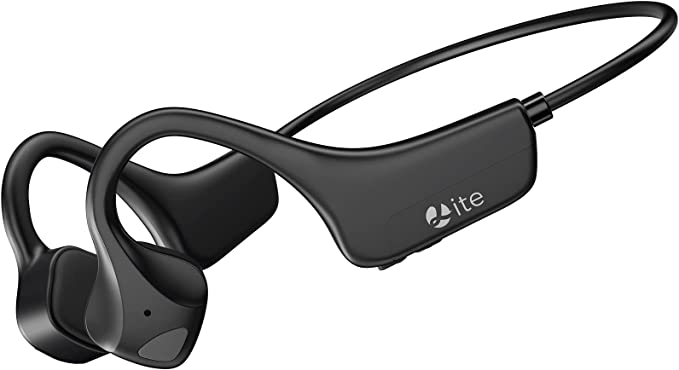
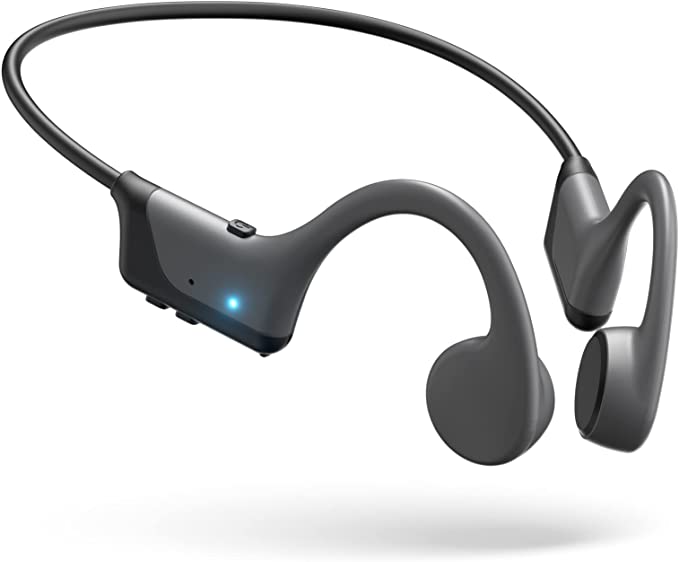
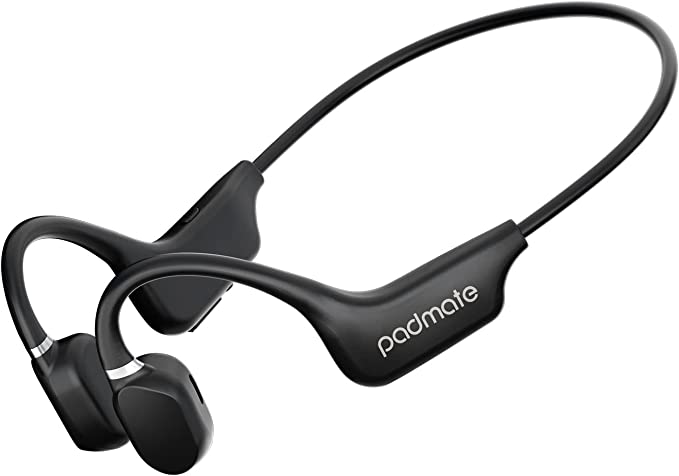
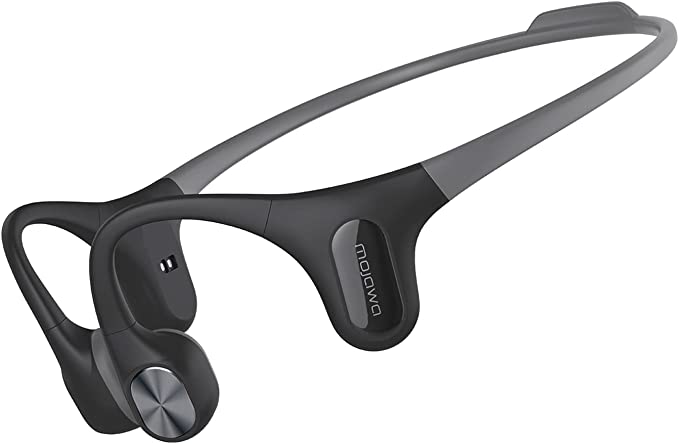
The structural design of the Vapeonly Z8 illustrates the industry’s approach to this problem. By positioning the transducers outside the ear, the device ensures that the user’s biological early-warning system remains active. * For Cyclists: The ability to hear the hum of an electric vehicle or a fellow rider’s bell is not just convenient; it is a critical safety redundancy. * For Parents: The capacity to listen to a podcast while remaining perceptively tuned into a child’s activity in the next room bridges the gap between personal leisure and responsibility.
Material Science: Decoding “Memory Titanium Alloy”
A challenge specific to bone conduction is the need for consistent, firm contact with the skull. If the transducer lifts off the skin, the transmission of vibration is broken, and the sound vanishes or becomes tinny.
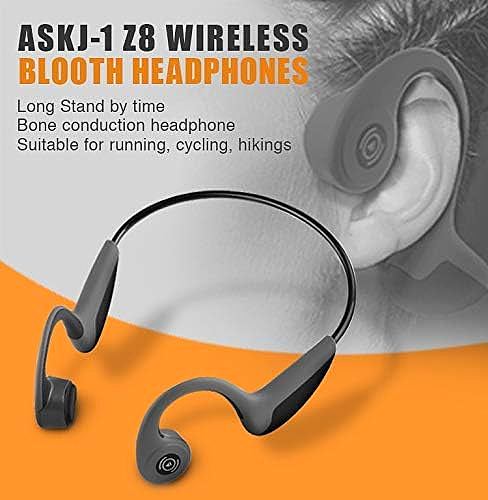
This is where material science plays a pivotal role. The “skeleton” of the Z8 is constructed from a memory titanium alloy. Titanium is favored in aerospace and medical fields for its high strength-to-weight ratio and distinct elastic properties.
1. Clamping Force: The alloy provides a specific, calibrated clamping force. It must be tight enough to transmit vibrations effectively but flexible enough to avoid inducing “compression headaches” during long wear.
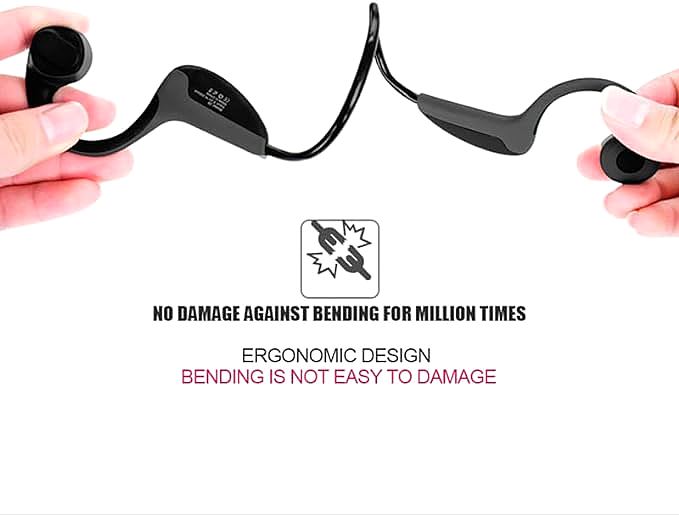
2. Durability: Unlike rigid plastics which can snap under stress, memory metal can withstand significant torsion and bending (“360° flexible bending”) and return to its original shape. This is crucial for a device intended to be thrown into gym bags or worn during rigorous movement.
The Chipset as the Nervous System
While the frame provides the structure, the internal electronics act as the nervous system. The stability of the audio stream is governed by the Bluetooth chipset. The Z8 utilizes a Bluetooth 5.0 architecture driven by a CSR Chipset.
In the context of wireless audio, the chipset dictates power efficiency and connection latency. A stable connection (rated here for approximately 10 meters) is essential for maintaining the illusion of the “soundtrack of life.” Any stutter or dropout breaks the immersion. Furthermore, power management is critical; the Z8’s 200mAh lithium battery manages to squeeze out roughly 5 to 8 hours of continuous playback. While not infinite, this duration covers the vast majority of marathon runs or daily commutes, balancing battery weight against endurance.
The Trade-off: Understanding the Limits of Open Audio
It is intellectually dishonest to discuss bone conduction without addressing its inherent acoustic limitations. Because the ear canal is open, there is no passive noise isolation.
- The Bass Physics: Low-frequency sounds (bass) require significant air displacement to be “felt” in the traditional sense. Bone conduction transducers struggle to replicate deep, thumping bass without creating uncomfortable tickling vibrations on the cheekbones.
- The Competition of Sound: In highly noisy environments—such as a crowded subway or near construction—ambient noise can overpower the bone conduction audio. This is a matter of physics, not a product defect.
Interestingly, the inclusion of earplugs in the Z8’s box highlights this phenomenon. By inserting earplugs, you artificially create isolation, and thanks to the Occlusion Effect, the bone-conducted sound suddenly becomes richer, louder, and more bass-heavy. This allows the device to transform from an open-ear safety tool into a more traditional listening device when situational awareness is not required.
Hygiene and Maintenance in Active Scenarios
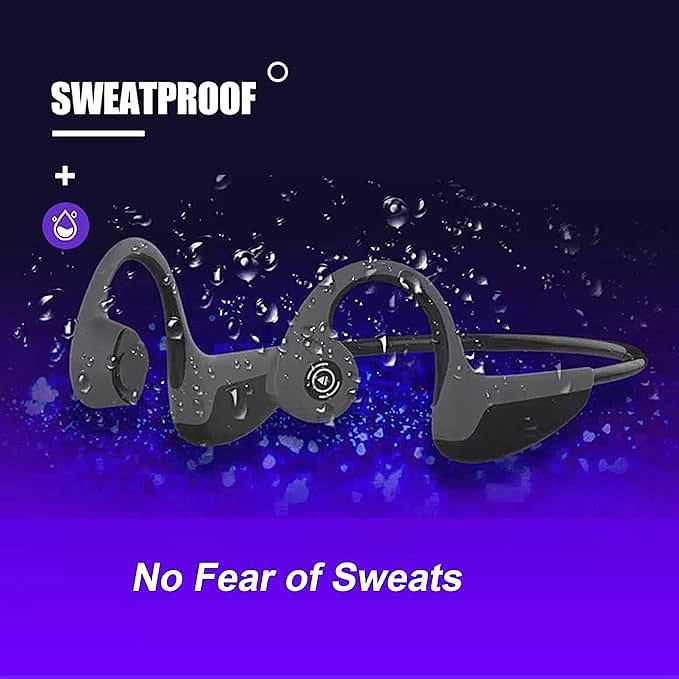
Electronics and moisture are natural enemies. For devices positioned as “sweatproof” or meant for exercise, the ingress protection design is vital. The open-ear form factor has a hygienic advantage: it eliminates the “petri dish” effect of trapping sweat and wax inside the ear canal, which is common with in-ear buds.
However, users should understand that “sweatproof” relies on internal coatings and seals (nanocoating) to repel moisture. To maximize the lifespan of devices like the Z8, a post-workout ritual is recommended: simply wiping down the contact points to remove corrosive salts found in sweat can prevent the charging contacts from degrading over time—a common failure point in budget-friendly sports electronics.
Conclusion: Embracing the Hybrid Soundscape
The narrative of personal audio is shifting. We are moving away from the binary choice of “music OR world” to a more integrated “music AND world.”
The Vapeonly Z8 represents an entry point into this technology, democratizing access to safer, open-ear listening. It demonstrates that by leveraging the conductive properties of our own biology and the resilience of modern materials like titanium, we can remain present in our physical reality while staying connected to our digital inspiration. Whether for the safety of a runner on a dusk-lit road or the convenience of a multitasking professional, bone conduction offers a unique, physiological solution to the modern dilemma of isolation.