Convergence of Utility: The Multi-Functional Evolution of Wearable Audio Ecosystems
Update on Jan. 30, 2026, 9:35 a.m.
The modern consumer electronics landscape is defined by the principle of convergence. Devices that once served a single, discrete purpose are increasingly assimilating adjacent functionalities to create more valuable, space-efficient tools. The smartphone absorbed the camera, the GPS, and the music player. Now, this trend of functional consolidation is reshaping the accessory market, particularly within the domain of True Wireless Stereo (Earbuds).
No longer just passive receivers of audio, contemporary hearables are evolving into active utility hubs. This shift is driven by the practical needs of the “always-on” mobile lifestyle, where power availability and environmental adaptability are paramount. By analyzing devices like the Xmythorig Ultimate, which bridges the gap between audio equipment and emergency power supplies, we can understand the practical implications of this multi-functional design philosophy.
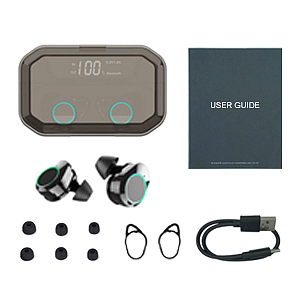
The Strategic Value of Hybrid Energy Solutions
In a professional or travel context, the “Red Zone”—that critical moment when a smartphone battery drops below 15%—is a universal stressor. Carrying a dedicated power bank adds weight and complexity to one’s daily carry (EDC). The integration of high-capacity batteries into TWS charging cases solves this logistical friction through hybridization.
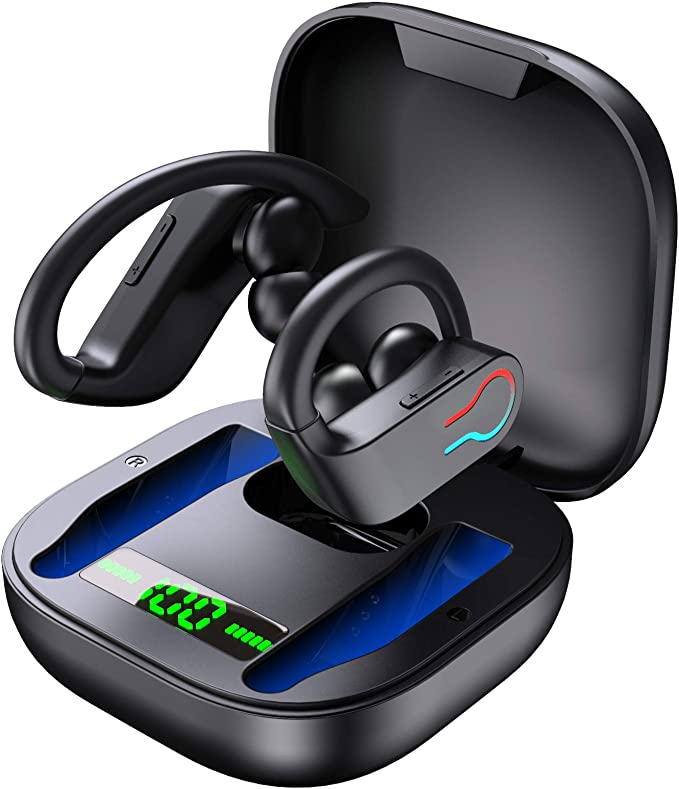
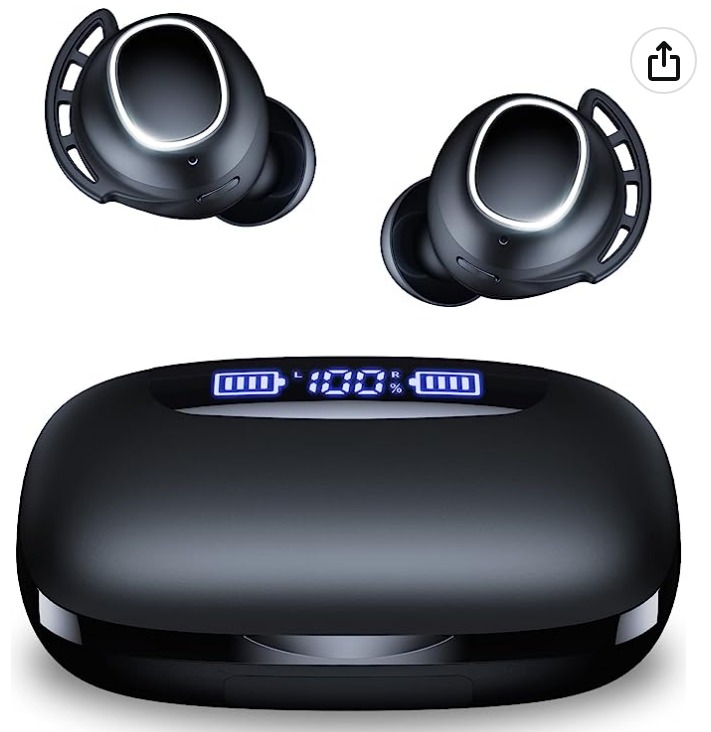
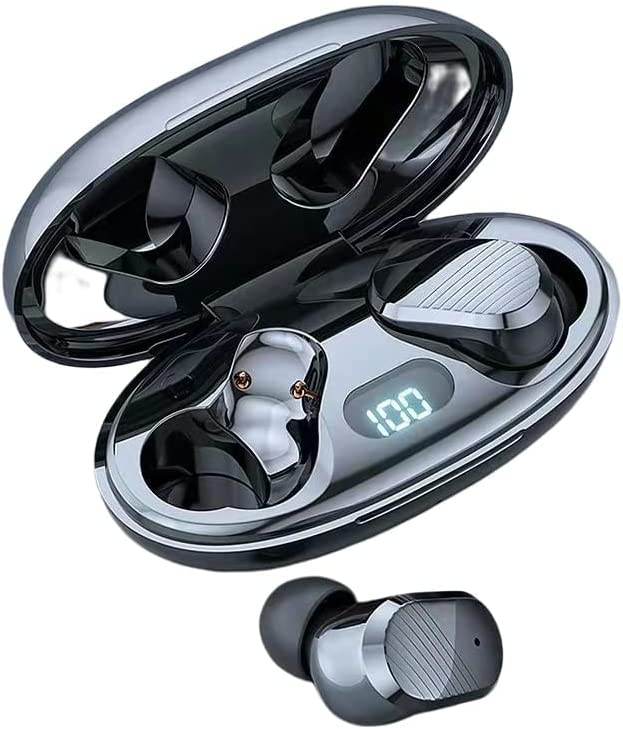
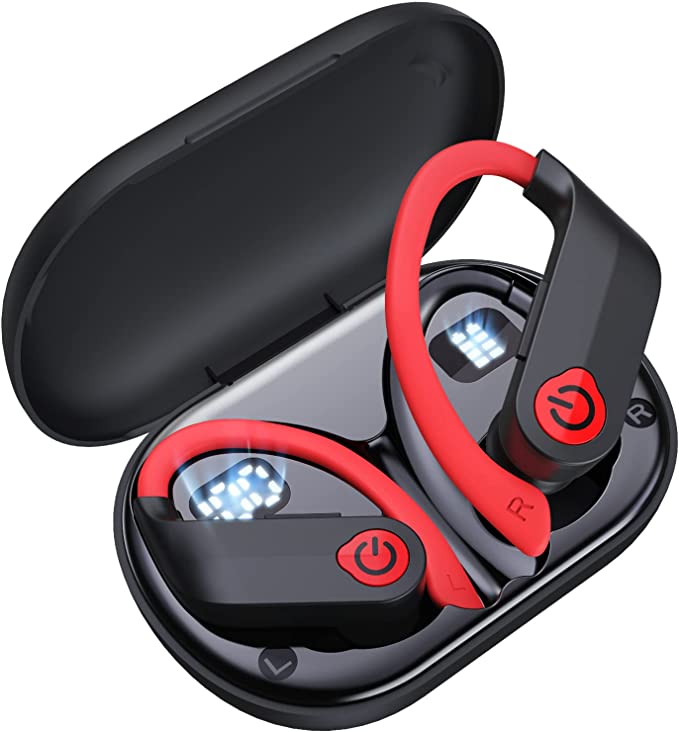
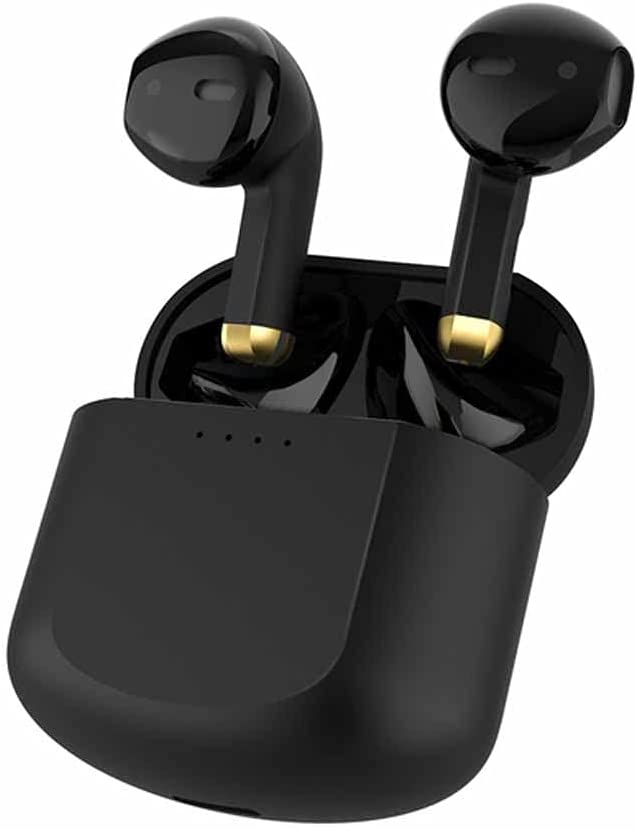
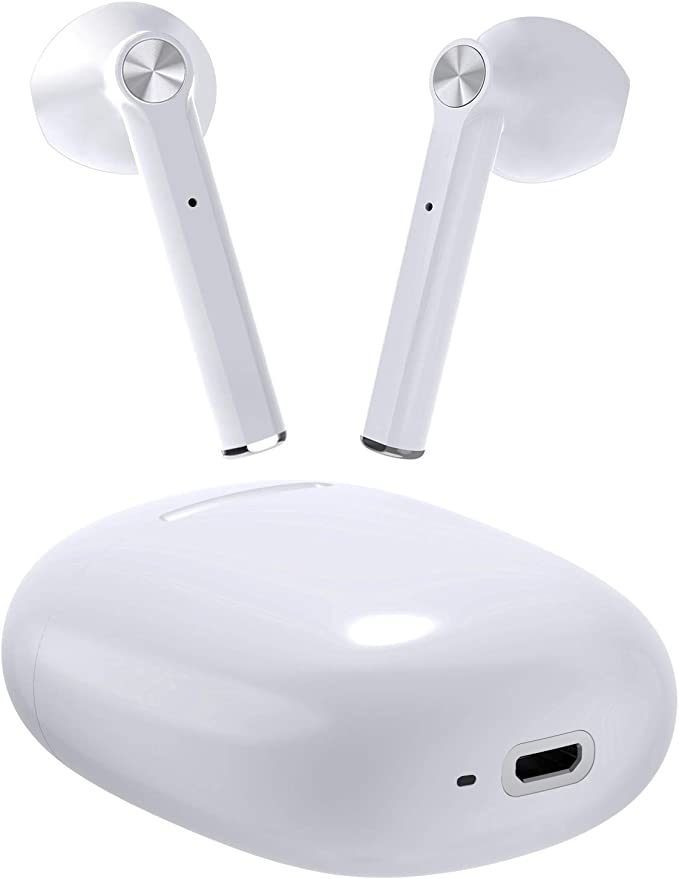
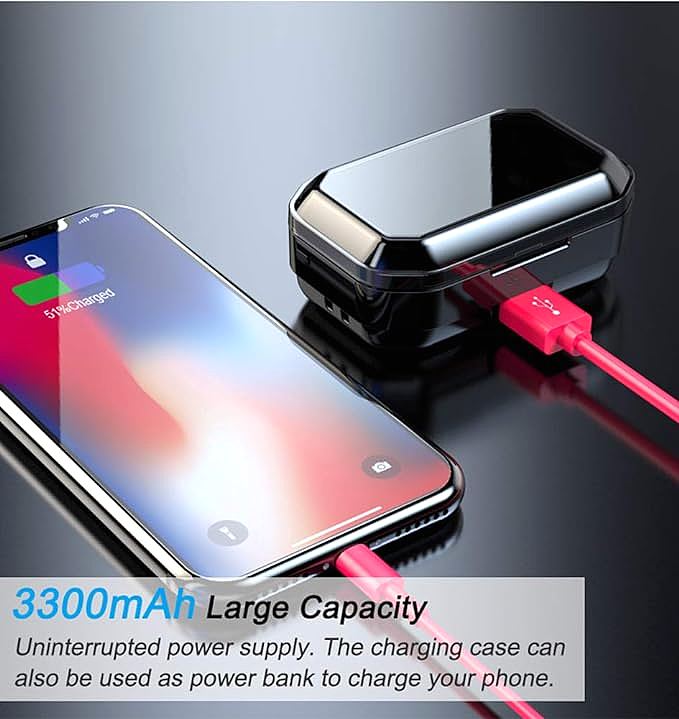
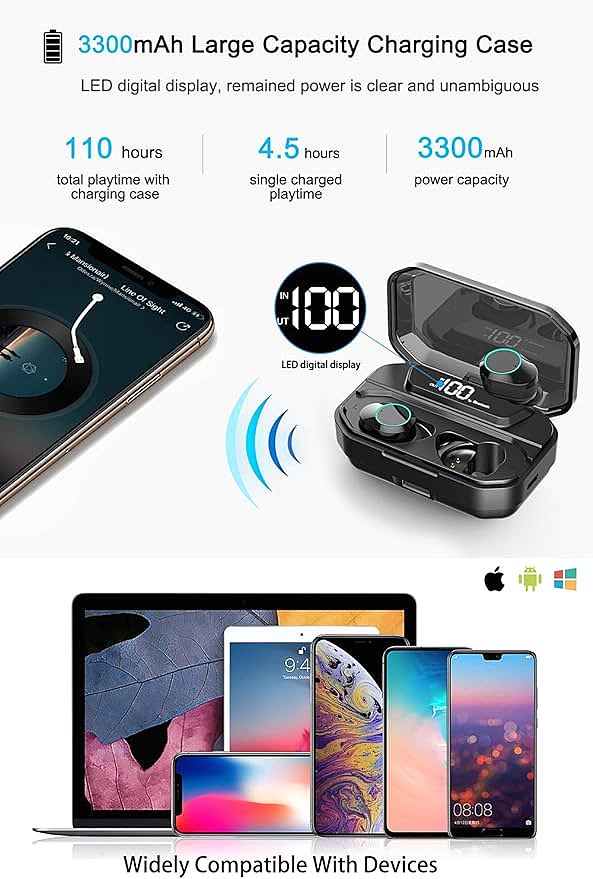
The Xmythorig Ultimate illustrates this utility through its 3300mAh charging case. While primarily designed to recharge the earbuds, the inclusion of a USB output port transforms the device into an emergency energy reservoir. In practical terms, this capacity is sufficient to provide a substantial charge to a modern flagship smartphone—often enough to bring a dead phone back to 50-60% capacity, depending on the model.
This feature represents a significant redundancy layer for travelers and commuters. Instead of carrying a separate brick for emergency power, the user relies on a device they are already carrying for entertainment. The mathematics of utility here are simple: the case provides approximately 110 hours of total audio playtime, or it can be traded for critical communication time on a host device. This flexibility turns the earbud case into a strategic asset in power-scarce environments.
Environmental Adaptability in Action
The utility of a wearable device is strictly defined by the environments in which it can operate. A device that must be hidden away at the first sign of rain has limited practical value in an active lifestyle. The application of IPX7 waterproofing protocols fundamentally changes the usage scenarios for wireless earbuds.
In a practical training context, this level of ingress protection creates a “install and forget” reliability. High-intensity interval training (HIIT) or long-distance running generates significant perspiration, which is highly corrosive to electronics due to its salt content. An IPX7 rating ensures that the internal drivers and chipsets remain hermetically isolated from this moisture.
Furthermore, this standard allows for equipment maintenance that was previously impossible. Earbuds with this rating can technically be rinsed under low-pressure fresh water to remove sweat and debris after a workout (though the charging case must remain dry). This capability extends the lifespan of the product by preventing the buildup of organic material that often degrades audio performance over time. The secure fit mechanisms often paired with sports-oriented buds—such as ergonomic ear wings—work in tandem with this waterproofing to ensure the device remains functional and secure regardless of the physical activity intensity.
Interaction Logic: Capacitive Interfaces
As devices shrink, the feasibility of mechanical buttons diminishes. Physical buttons require force to actuate, which, when applied to a device inserted in the ear canal, pushes the device uncomfortably deeper. The solution lies in Capacitive Touch Interfaces.
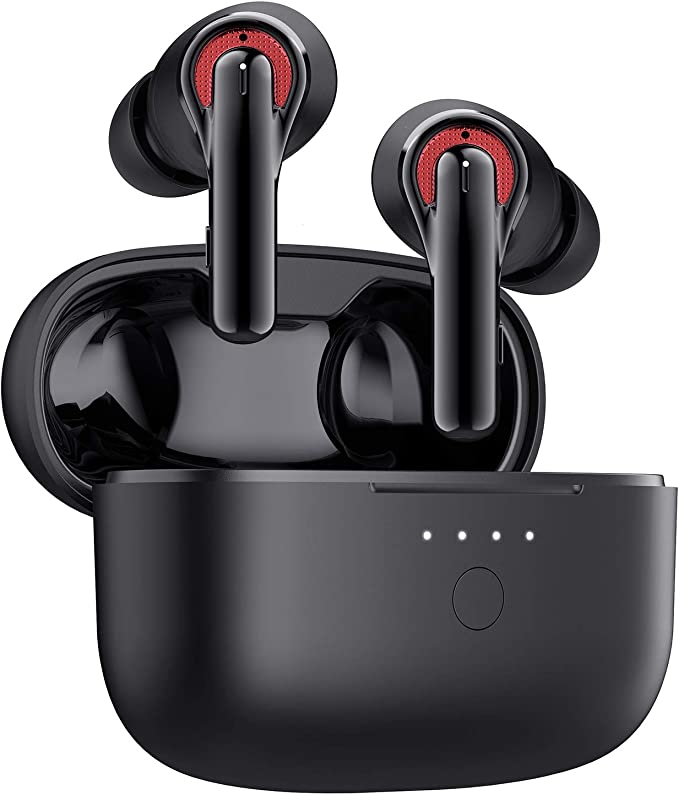
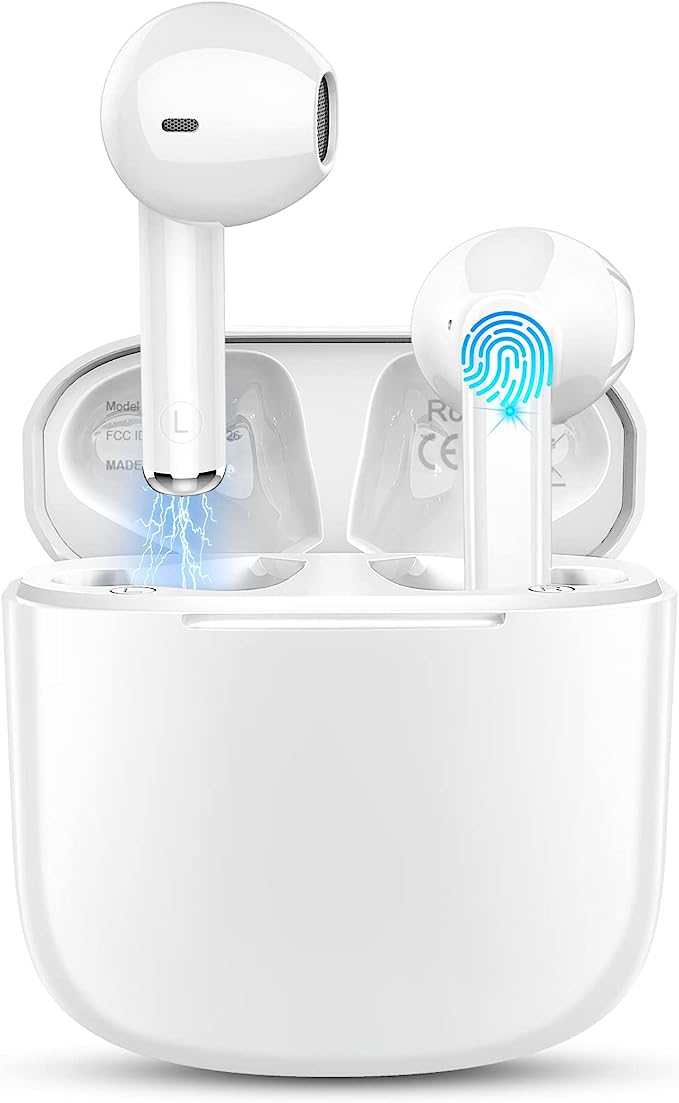
The Xmythorig Ultimate utilizes this technology to manage complex inputs without physical pressure. The user interface (UI) is designed around tap gestures: a single tap to pause, double taps to skip tracks, and long presses to adjust volume. The underlying technology relies on the body’s natural electrical charge to disrupt the electrostatic field on the earbud’s surface sensor.
From a user experience (UX) perspective, this eliminates the “stethoscope effect”—the loud thud heard internally when pressing a physical button on an in-ear device. It also seals the device further, as there are no gaps for button mechanisms. However, the challenge in this design is tuning the sensitivity to distinguish between a deliberate command and an accidental brush against a hoodie or hair. Advanced controllers now use algorithms to reject these false positives, ensuring that the control scheme is as reliable as it is comfortable.
Implications for the Accessory Market
The trajectory of the accessory market is clear: the era of the single-function peripheral is ending. Devices like the Xmythorig Ultimate signal a shift where consumers expect their carrying cases to do more than just store and charge. We are moving toward an ecosystem where every device in a user’s pocket supports the others—audio devices charging phones, phones configuring watches, and watches controlling audio.
For industry professionals and product designers, this emphasizes the importance of “feature density.” Value is no longer calculated solely by audio quality per dollar, but by the versatility and problem-solving capability per cubic centimeter of space occupied in a pocket or bag. As battery technology improves, we can expect this trend to expand, potentially seeing TWS cases that act as wireless charging pads or local storage hubs, further cementing their place as indispensable tools in the digital nomad’s arsenal.