Signal Path and Ergonomics: The Engineering of Non-Occluding Audio
Update on Jan. 27, 2026, 5:36 p.m.
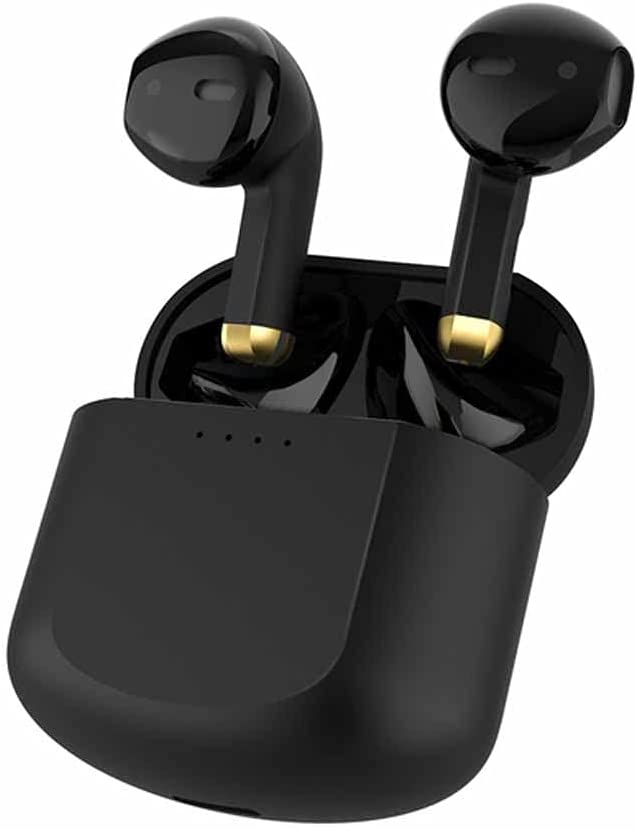
In the quest for immersion, modern headphone design often sacrifices basic physiology. Plugging the ear canal creates a “closed loop” system that can amplify internal body sounds and trap heat. The FAAEAL Iris 2.0, with its comfortable wired earbuds design, represents a return to “Non-Occluding” ergonomics. Beyond the fit, the engineering extends down the wire itself, utilizing Litz OFC (Oxygen-Free Copper) cabling to manage signal integrity from the source to the driver.
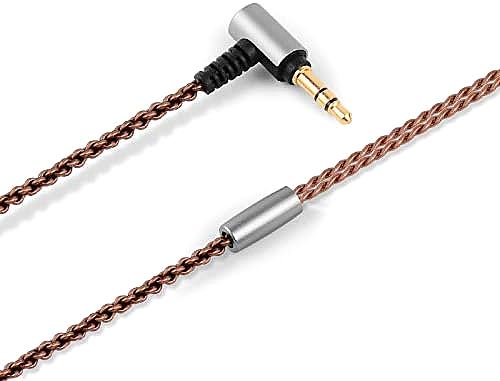
The Physics of the Wire: Decoding Litz Construction
The cable connecting the Iris 2.0 is not merely a strand of copper; it is a 4-core braided Litz wire. The term “Litz” comes from the German Litzendraht (braided wire). In electrical engineering, this construction is designed to mitigate the “Skin Effect.”
When alternating current (AC)—which includes audio signals—flows through a wire, it tends to distribute itself towards the surface (skin) of the conductor, rather than the core. At very high frequencies, this increases the effective resistance of the wire. Litz construction uses many thin, individually insulated strands woven together in a specific pattern. This forces the current to be distributed equally among all strands, utilizing the entire cross-section of the copper. While the audible impact of Skin Effect at audio frequencies (20Hz-20kHz) is a subject of debate, the use of Litz wire in a budget product demonstrates a commitment to “over-engineering” the signal path, ensuring that resistance and impedance remain consistent regardless of frequency.
Psychoacoustics: The Occlusion Effect
One of the most significant advantages of the flat-head design is the avoidance of the Occlusion Effect. This is the booming, low-frequency sound of your own voice, breathing, or footsteps (bone-conducted vibration) that gets trapped in the ear canal when it is sealed by a silicone tip.
By sitting in the concha (the bowl of the ear) without creating a hermetic seal, the Iris 2.0 allows these low-frequency vibrations to escape into the air. This results in a much more natural speaking experience for the user and eliminates the “thud-thud-thud” sound of walking that plagues in-ear monitors. From an ergonomic standpoint, this allows for extended listening sessions without the “pressure fatigue” associated with pressurized ear canals.

Connectivity: The Analog Standard
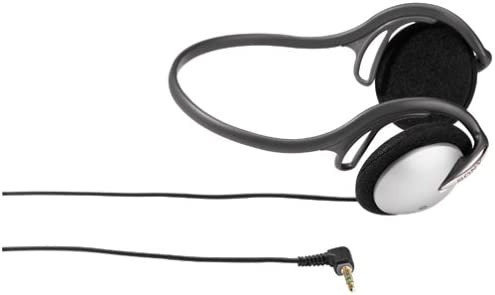
The interface is a standard 3.5mm TRS jack, often L-shaped to reduce strain when connected to a phone in a pocket. Unlike digital connections (USB-C or Lightning) that require an integrated DAC (Digital-to-Analog Converter) inside the plug, the 3.5mm jack is a pure analog transfer point. This means the audio quality is determined by the source device’s DAC and amp, not a cheap chip hidden in the cable. It offers a direct, zero-latency connection that is mechanically robust and universally compatible with high-fidelity dedicated audio players.
Industry Implications: The Democratization of Specs
The inclusion of Litz cabling and high-grade magnets in an accessible product like the Iris 2.0 signals a shift in the “Chi-Fi” (Chinese Hi-Fi) market. Features that were once the exclusive marketing jargon of cables costing hundreds of dollars are now standard engineering choices in entry-level gear, raising the baseline expectation for signal path quality across the industry.