The Mechanics of Budget Audio: A Forensic Breakdown of ROCXF J5
Update on Dec. 7, 2025, 5:06 p.m.
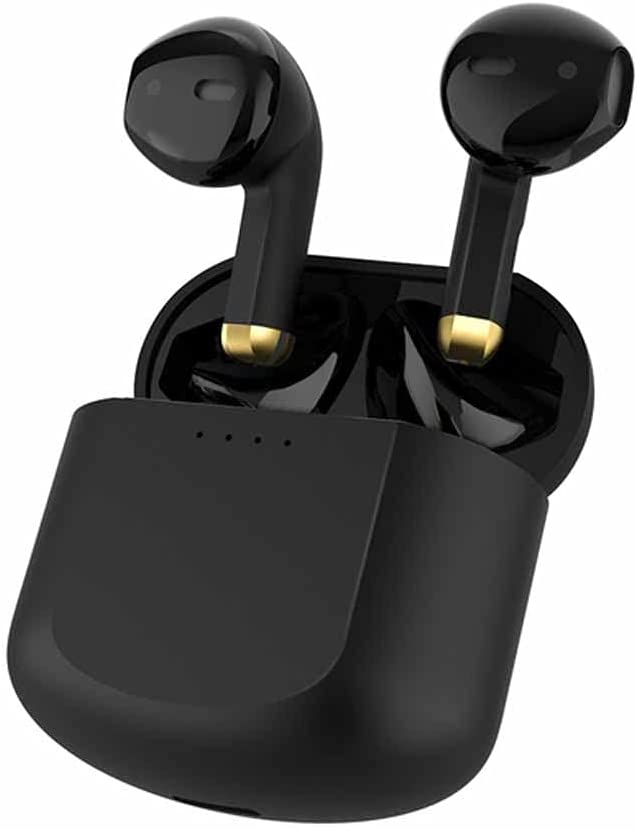
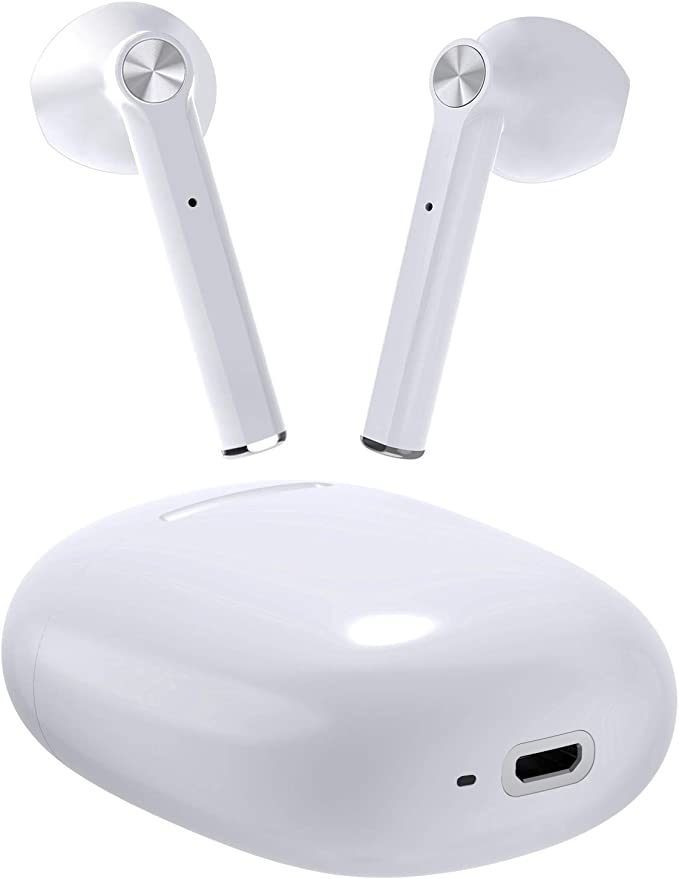
The market for budget wireless audio is flooded with homogenous plastic shells, making it nearly impossible to distinguish quality from e-waste. The ROCXF J5 Wireless Earbuds represent a specific engineering philosophy in this crowded sector: prioritizing driver size and battery density over software features. By stripping away expensive active noise cancellation (ANC) silicon, the design budget is reallocated to physical components. This analysis dissects the implications of these engineering choices, moving beyond the marketing gloss to the mechanical reality.

The Physics of the 13mm Dynamic Driver
At the heart of the J5’s acoustic performance lies a 13mm dynamic driver. In the world of true wireless stereo (TWS), this is physically large—standard drivers often hover around 6mm to 10mm (Data). The engineering logic here is based on the relationship between surface area and air displacement (Physics). A larger diaphragm moves a greater volume of air with each excursion, which is the fundamental requirement for reproducing low-frequency sound waves (bass) (Thesis).
However, size introduces a critical trade-off known as “transient response” (Expert Nuance). A larger diaphragm possesses more mass, requiring more magnetic force to start and stop its movement instantly. In budget audio configurations where magnet strength is often cost-constrained, this can lead to “bass bleed,” where low frequencies linger longer than intended, potentially muddying the mid-range vocals (Challenge). For genres like Hip-Hop or EDM, this creates the desired “thump,” but audiophiles might find the separation lacking in complex orchestral tracks.

Decoding Bluetooth 5.3 Protocol Efficiency
The J5 utilizes the Bluetooth 5.3 standard, a significant upgrade from the commonly found 5.0 or 5.1 in this price bracket. The core advantage of 5.3 isn’t just range; it’s the optimization of the “Connection Subrating” feature (Expert Nuance). This protocol allows the earbuds to switch between high-performance modes (active listening) and low-power modes (standby/silence) much faster than previous iterations (Physics).
For the user, this directly correlates to the claimed 42-hour total battery life. By reducing the energy wasted during the micro-intervals of data transmission, the system preserves the lithium-ion cells’ capacity for actual audio playback (Thesis). Furthermore, Bluetooth 5.3 improves channel classification, allowing the device to hop away from congested 2.4GHz frequencies—such as crowded gym Wi-Fi networks—reducing the likelihood of the dreaded “left earbud dropout” scenario (Scenario). However, it is crucial to note that connection stability also depends on the physical antenna design within the earbud stem, which can be easily blocked by organic tissue if the fit is incorrect.
The Battery Math: Capacity vs. Chemistry
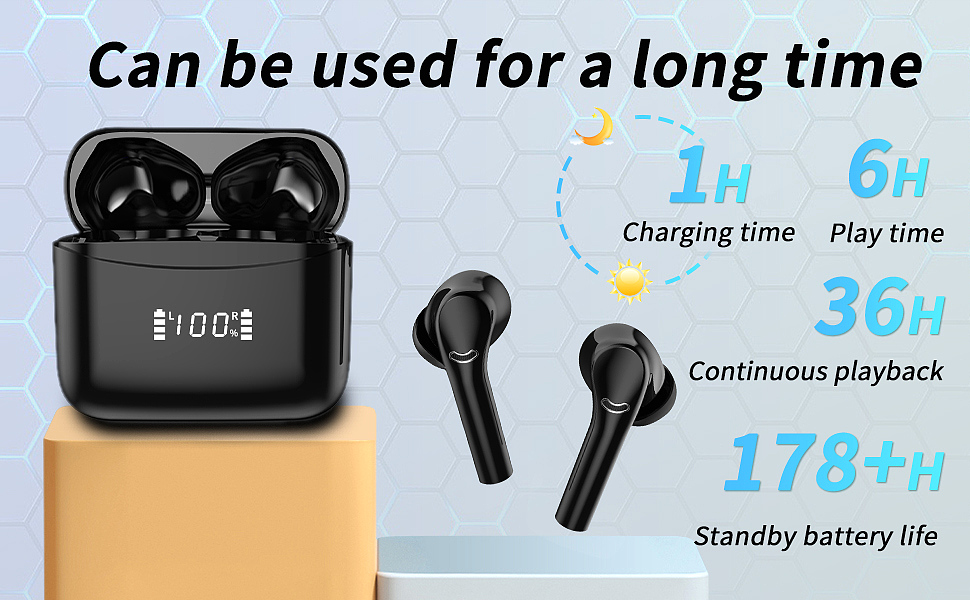
ROCXF claims 6 hours of playtime per charge, with the case providing an additional 5 cycles. While these numbers are impressive, forensic analysis requires us to look at the battery chemistry. Typically, earbuds in this segment use generic lithium-ion button cells. While they deliver the rated capacity initially, they often lack the sophisticated battery management systems (BMS) found in premium tiers (Challenge).
This means that users should anticipate a degradation curve. After approximately 300-500 charge cycles—roughly 12 to 18 months of heavy use—the internal resistance of the cells will likely increase, shortening the “6-hour” window to perhaps 3 or 4 hours (FMEA). The USB-C charging adds convenience, allowing for a full recharge in about one hour, but the lack of wireless charging is a necessary concession to maintain the sub-$30 price point.
Ergonomics and The Seal Necessity
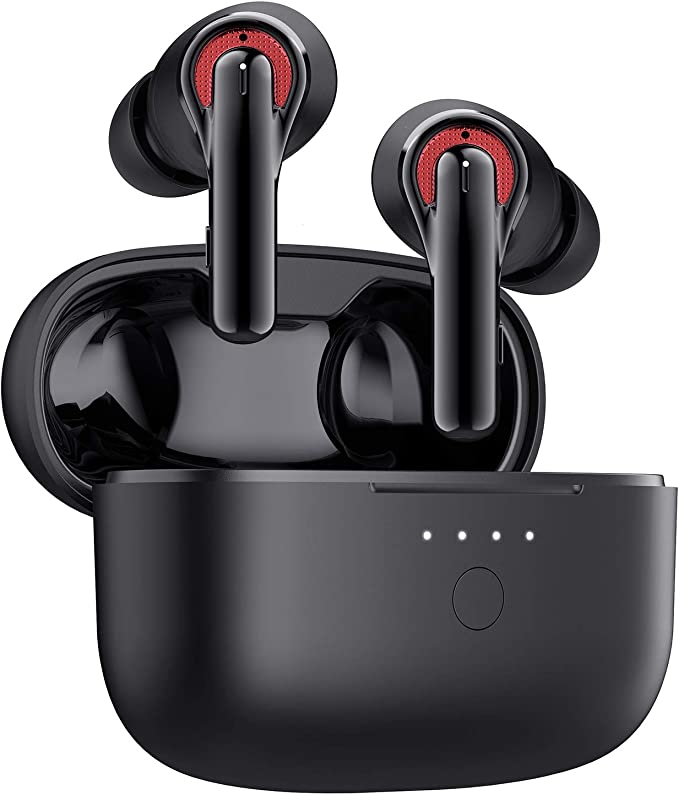
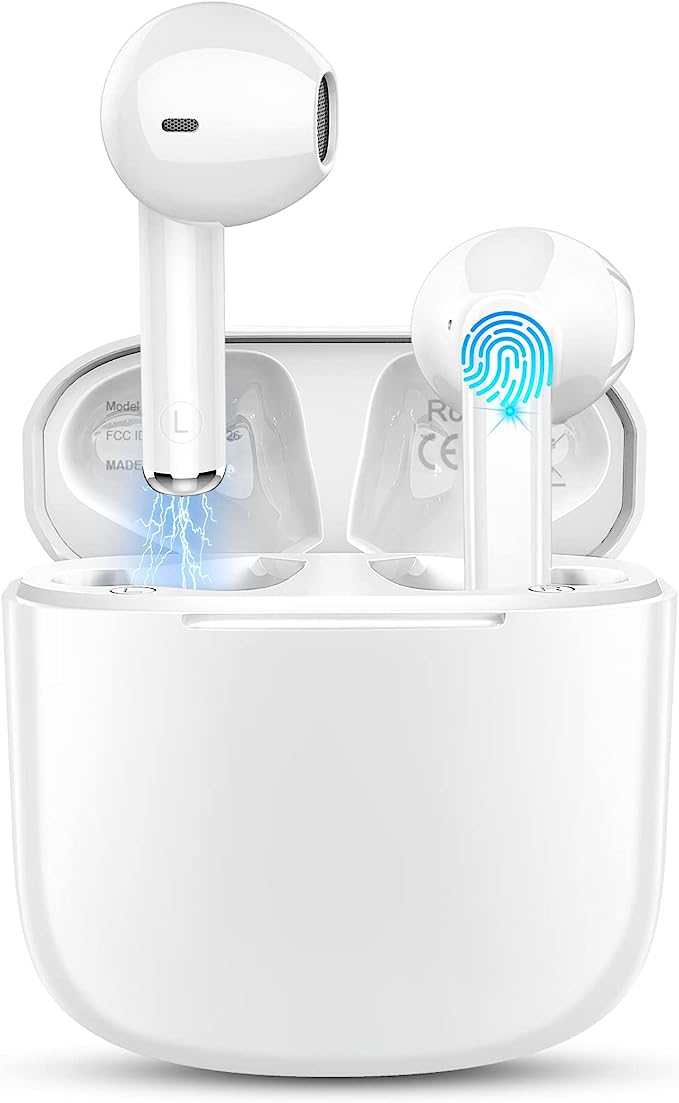
The J5 adopts a “stem-style” design with silicone ear tips, a form factor that relies heavily on the “acoustic seal” for performance. Unlike open-ear designs, the J5 must completely occlude the ear canal to function correctly. This seal acts as a physical barrier, providing passive noise isolation—not to be confused with Active Noise Cancellation (ANC).

If the user selects a tip size that is too small, the bass response (generated by that massive 13mm driver) will essentially evaporate through the gaps, leaving the audio sounding tinny and harsh (Physics). Furthermore, user feedback indicates that stability during high-impact activities like sprinting can be an issue for some (Voice of Customer). This is often due to the center of gravity being shifted outward by the stem. Therefore, the IPX6 waterproof rating—while excellent for protecting against sweat—is moot if the mechanical fit cannot withstand the g-forces of a workout.
Final Verdict: Engineered for Impact, Not Nuance
The ROCXF J5 is not a precision instrument; it is a blunt force tool designed to deliver maximum volume and bass endurance per dollar. The engineering choices—oversized drivers and the latest Bluetooth protocol—are optimized for the modern commuter and casual listener who prioritizes connection reliability and battery anxiety over audiophile-grade fidelity. It succeeds by focusing on the fundamentals of wireless transmission and air displacement, stripping away the complexity that often breaks budget electronics.