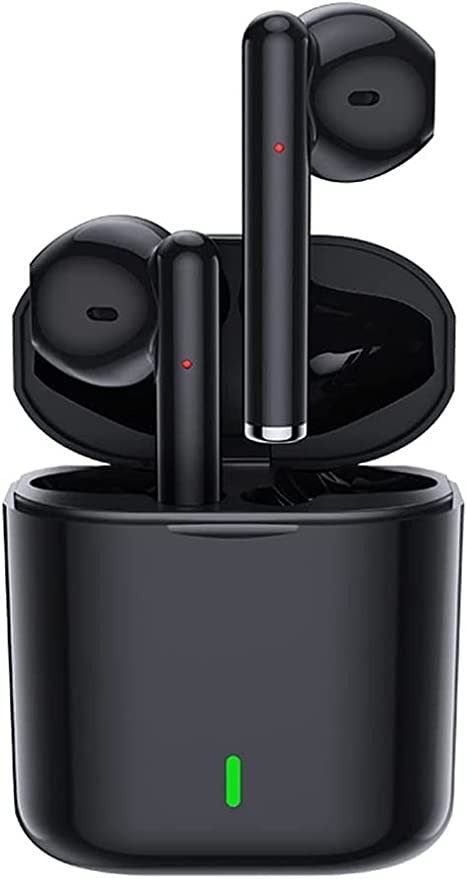
The Tech Inside Your Earbuds: A Guide to Bluetooth, IP Ratings, and More
Update on Oct. 29, 2025, 5:46 p.m.
Navigating the world of affordable tech can feel like walking through a minefield of jargon. You see a pair of wireless earbuds, like the BD&M BDNM-E7S, for a price that seems too good to be true, and the description is filled with impressive-sounding terms: “Bluetooth 5.0,” “CVC 8.0 Noise Cancellation,” “IPX5 Waterproof.”
It’s easy to be skeptical. Are these real technologies, or just fancy words on a budget product? This is a fantastic question to ask. Today, we’re not just going to review a single product; we’re going to use it as our textbook. Let’s pull back the curtain and decode the essential technologies that power modern wireless earbuds. By the end of this guide, you’ll not only understand what these features do but also be able to confidently judge the value of any budget-friendly audio gear you encounter.
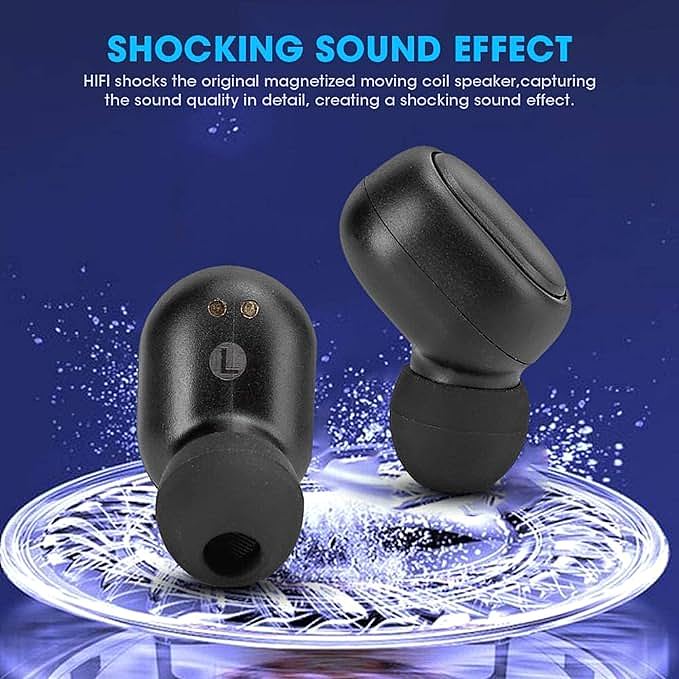
The Invisible Handshake: Why Bluetooth 5.0 is a Big Deal
The first and most fundamental feature of any wireless earbud is, well, its “wireless-ness.” This magic is made possible by Bluetooth, a technology that has evolved dramatically over the years. Many budget-friendly earbuds, including our example BDNM-E7S, now feature Bluetooth 5.0, and this is a specification you should actively look for.
So, what is it? Think of Bluetooth as a digital handshake between your earbuds and your phone. It operates on short-range radio waves, creating a personal network just for your devices. The “5.0” is the version number, and it brought significant upgrades over its predecessor, Bluetooth 4.2.
Here’s what Bluetooth 5.0 actually means for your daily experience:
- Greater Stability: This is the big one. Bluetooth 5.0 is much better at maintaining a solid connection, even in areas with a lot of wireless interference (like a busy gym or coffee shop). This translates to fewer annoying skips, stutters, or dropouts in your music or podcast.
- Better Battery Life: It’s smarter about power. Bluetooth 5.0 includes a feature called Bluetooth Low Energy (BLE), which allows devices to communicate efficiently without draining their batteries. For tiny devices like earbuds, this is crucial. It’s a key reason why a small earbud can claim 3-4 hours of playback on a single charge.
- Increased Range and Speed: While you’re unlikely to need the maximum theoretical range (up to 800 feet in open air!), the improvements mean you can comfortably walk into the next room without your audio cutting out. The increased data transfer speed can also contribute to better audio quality and improved synchronization when you’re watching videos.
The Mentor’s Takeaway: When you see “Bluetooth 5.0” on a spec sheet, don’t just gloss over it. It’s a foundational feature that promises a more reliable and longer-lasting listening experience. It’s the invisible workhorse that makes the whole “true wireless” concept function smoothly.

“Can You Hear Me?” Decoding CVC 8.0 Noise Cancellation
This is one of the most misunderstood terms in audio. When people see “Noise Cancellation,” they often think of high-end headphones that create a silent bubble, erasing the drone of an airplane engine or office chatter. That technology is called Active Noise Cancellation (ANC).
The CVC 8.0 listed for the BDNM-E7S is something different, but equally clever. CVC stands for Clear Voice Capture.
Here’s the crucial difference: * ANC is for your ears. It uses microphones to listen to the outside world and creates an “anti-noise” sound wave to cancel it out so you can enjoy your music in peace. * CVC is for the microphone. Its job is to make sure the person on the other end of your phone call can hear you clearly.
Imagine you’re walking down a windy street and take a call. The microphones in your earbuds pick up your voice, but they also pick up the wind, traffic, and other ambient sounds. CVC technology is a set of smart algorithms that analyzes this mixed signal, identifies the frequency of your voice, and works to suppress the background noise. It’s like having a tiny sound engineer inside your earbuds whose only job is to clean up your outgoing audio.
The Mentor’s Takeaway: Don’t buy a budget earbud with CVC expecting it to silence the world around you. Instead, value it for what it is: a feature that dramatically improves your call quality for the person you’re speaking with. It’s an essential piece of tech for anyone who makes hands-free calls while on the move.

The Quest for Good Sound: What “HiFi” and “Stereo” Mean on a Budget
The ultimate goal of any earphone is to sound good. The BDNM-E7S is marketed with terms like “HiFi” and “Unique stereo sound quality.” Let’s be realistic about what that means at this price point.
“HiFi,” or High Fidelity, is the pursuit of reproducing sound that is perfectly faithful to the original recording. In the world of audiophiles, this involves expensive equipment and meticulous engineering. On a budget device, it’s more of an aspiration. It signals that the manufacturer has aimed for a balanced sound profile—clear highs, present mids, and a solid bass response—without excessive distortion.
“Stereo” is more straightforward. It means you have two independent audio channels, a left and a right. This is what creates the sense of space and dimension in your music. Inside each earbud is a “driver,” which is essentially a miniature speaker that turns electrical signals into the sound waves you hear. The quality of these drivers is the biggest factor in sound quality.
User reviews for budget earbuds often mention surprisingly good bass. This is because a good in-ear seal, achieved with the correct size eartips, is critical for bass response. It traps the sound waves and directs them properly into your ear canal.
The Mentor’s Takeaway: Don’t expect a sub-$10 pair of earbuds to compete with a $300 set from a major audio brand. That’s not the point. The goal here is a pleasant, clear, and immersive stereo listening experience for music, podcasts, and videos. Look for user feedback that mentions “clear sound” or “good bass,” as it often indicates the drivers and design are delivering solid value for the price.
Built for Real Life: Understanding the IPX5 Waterproof Rating
If you plan to use your earbuds for workouts, running, or just commuting, you need them to withstand the elements. This is where the IP rating comes in. The BDNM-E7S, for instance, has an IPX5 rating. Let’s break down that code.
- IP stands for “Ingress Protection.” It’s a universal standard for how well a device is sealed against solids and liquids.
- The first digit (X) relates to protection from solids like dust. The “X” means it hasn’t been officially rated for dust protection. For earbuds, this is common and generally not a concern.
- The second digit (5) is the important one here. It rates the protection against liquids.
A rating of 5 means the device is protected from low-pressure water jets from any direction. In practical, everyday terms, this means it can easily handle: * Sweat from an intense workout. * Getting caught in a light to moderate rain shower. * Accidental splashes from a water bottle.
The Mentor’s Takeaway: An IPX5 rating provides excellent peace of mind for daily use and fitness activities. It’s a sign of durable construction. However, it is not fully waterproof. You cannot submerge these earbuds, so do not take them swimming or wear them in the shower.

The Power Equation: Battery Life, Charging Cases, and LED Displays
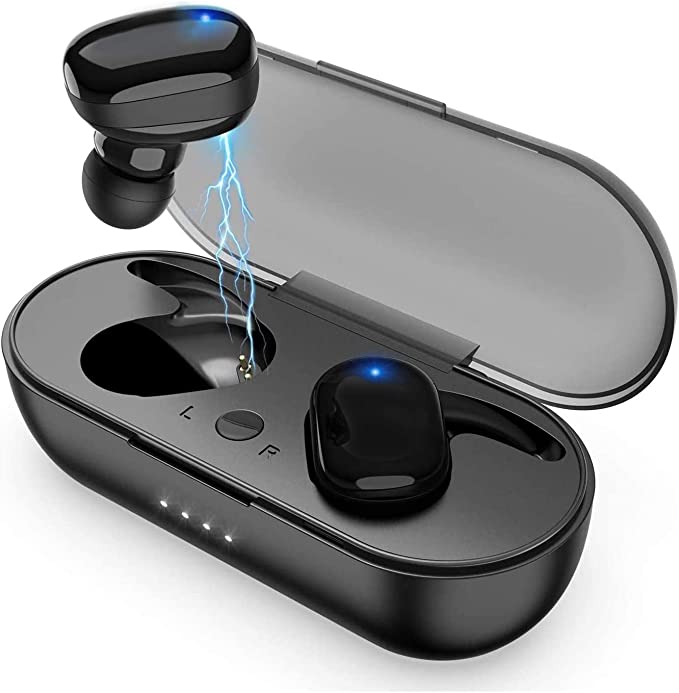
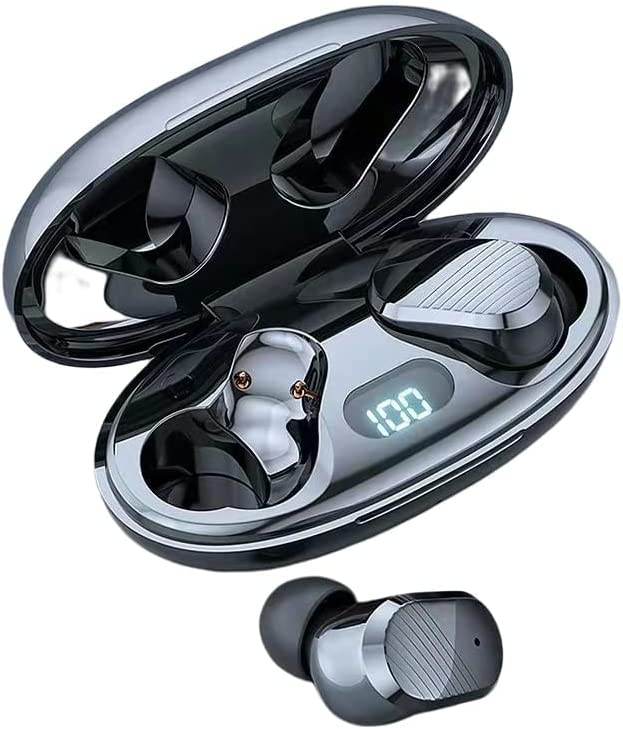
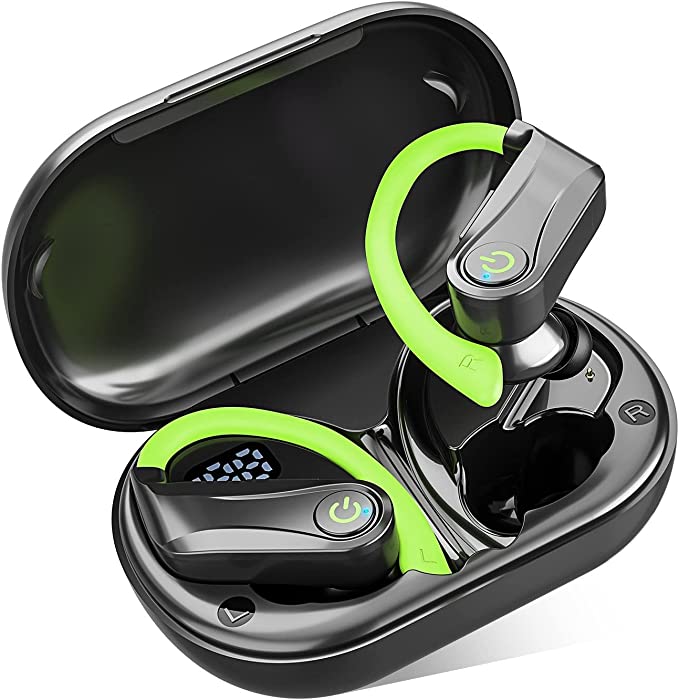
For a device with no wires, power is everything. TWS earbuds use a clever two-part system: a small battery in each earbud and a larger battery in the charging case.
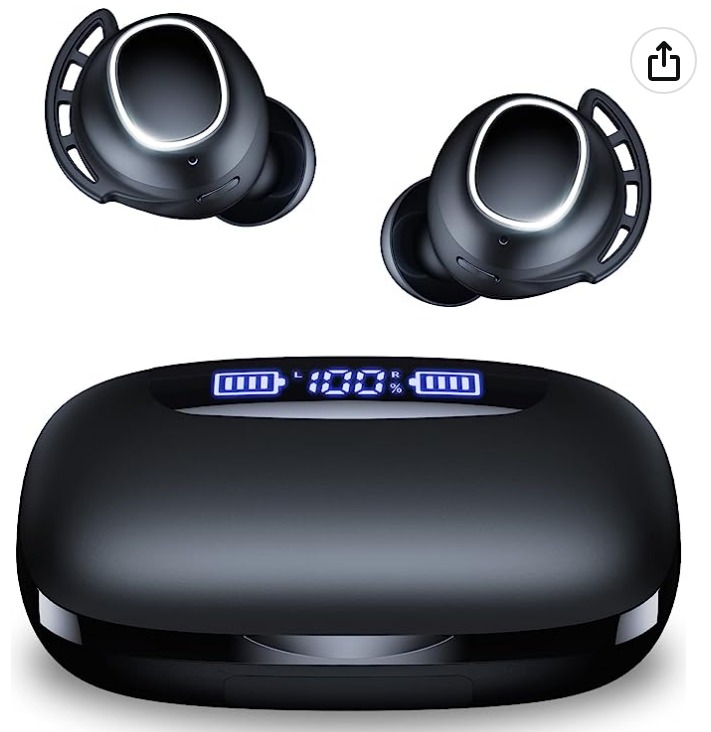
The BDNM-E7S earbuds have 45mAh batteries for a few hours of playback, but the case holds a 300mAh battery. This means the case acts as a portable power bank, allowing you to recharge the earbuds multiple times on the go, extending the total listening time significantly before you need to find a wall outlet.
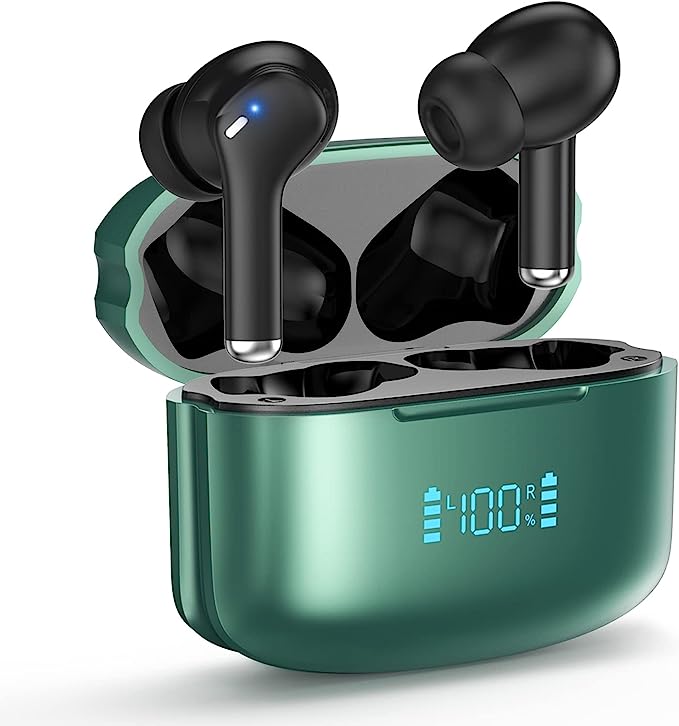
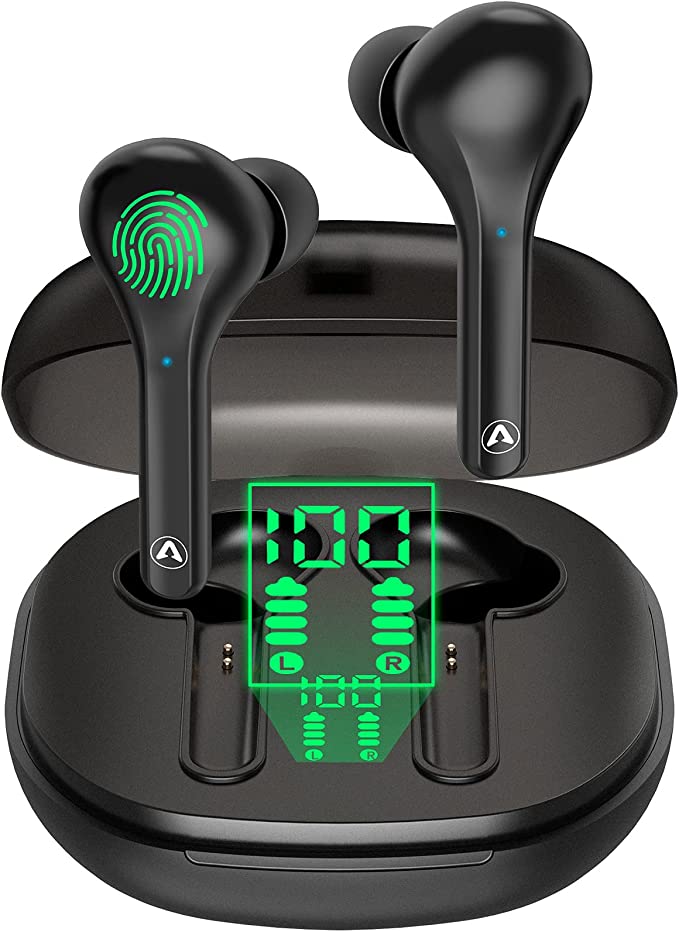
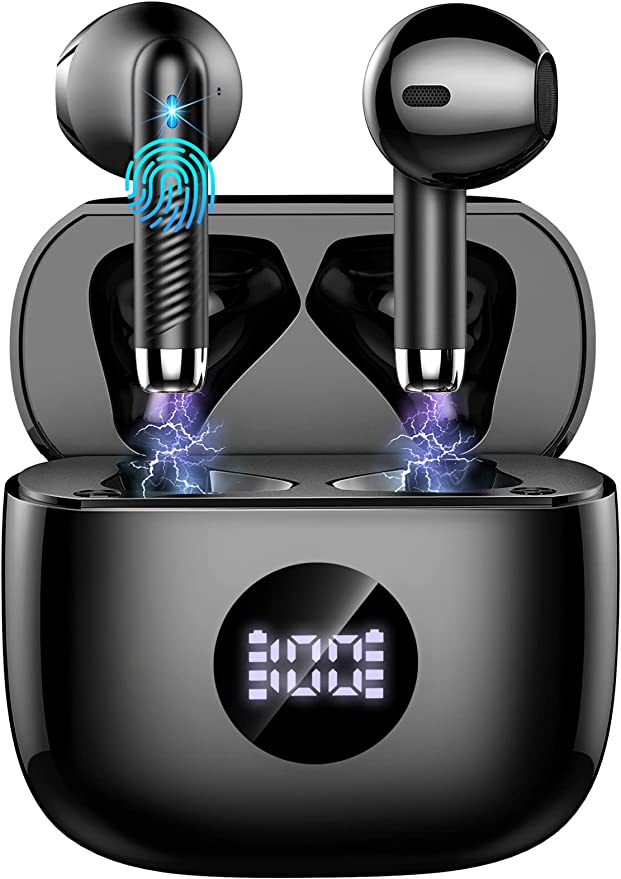
One of the most helpful features you can find on a budget case is a Digital LED Display. Instead of trying to interpret one or two blinking lights, a numerical display tells you the exact percentage of battery remaining in the case. This simple feature completely removes “battery anxiety.” You know at a glance if you have enough power for the day or if you need to plug it in. It’s a small detail that makes a huge difference in usability.
Final Thoughts: From Jargon to Knowledge
The world of budget electronics doesn’t have to be confusing. By understanding the core technologies—a stable Bluetooth 5.0 connection, call-clarifying CVC, a resilient IPX5 rating, and a smart battery system—you can look past the marketing hype and identify true value.
A product like the BD&M BDNM-E7S demonstrates how these once-premium features have become accessible to everyone. They represent a symphony of engineering designed to be practical, resilient, and seamlessly integrated into our daily lives. The next time you shop for earbuds, you’ll be armed not just with a budget, but with knowledge. And that is the smartest way to shop for any technology.