IKXO T88: Hear the World, Feel the Freedom
Update on Aug. 4, 2025, 9:44 a.m.
We’ve all been there. Lost in a podcast or a favorite album, the world outside our headphones fades into a muted, distant film. The immersive bubble is a wonderful escape, but it comes with a trade-off. It’s the jogger who doesn’t hear the cyclist’s bell, the warehouse worker who misses a shouted warning, or the long-haul driver who feels just a little too disconnected from the subtle cues of their rig and the road. This is the listener’s dilemma: how do we stay connected to our digital world without dangerously disconnecting from the physical one? The answer, surprisingly, isn’t found in the latest audio codec, but in a 200-year-old secret, once held by one of history’s greatest composers.

The Composer’s Secret
Picture Ludwig van Beethoven in his later years, grappling with profound deafness. The world of sound, the very element he commanded with such genius, was slipping away. Yet, accounts describe a remarkable scene: the composer, biting down on a wooden conducting baton pressed against his piano, was able to “hear” the notes he was playing. He wasn’t experiencing a miracle; he was intuitively exploiting a fundamental principle of physics. He had bypassed his damaged ears and was channeling sound directly to his brain through bone. This was a raw, early form of bone conduction, a technology that has since journeyed from a composer’s desperate solution to the front lines of military communication and now, to consumer devices like the IKXO T88 headphones.
A Different Path to a Familiar Destination
To grasp how radical this is, we first need to appreciate how we normally hear. The process, known as air conduction, is a delicate chain reaction. Sound waves travel through the air, are funneled into our ear canal, and vibrate the tympanic membrane (eardrum). These vibrations are amplified by a series of tiny bones and delivered to the cochlea, a spiral-shaped organ in the inner ear that finally translates the mechanical energy into electrical signals our brain understands as sound.
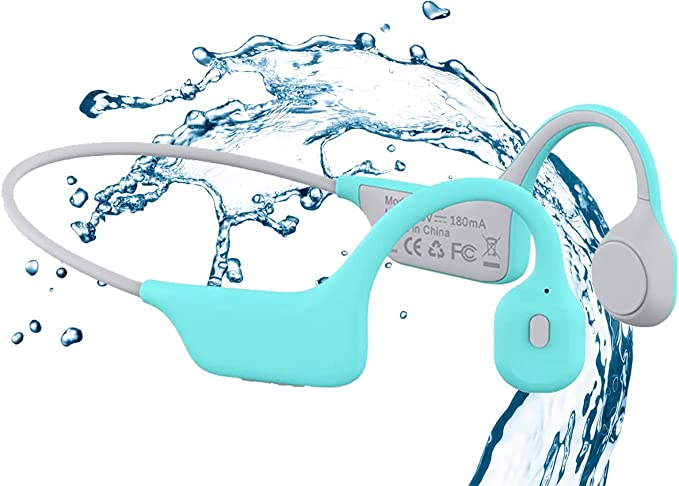
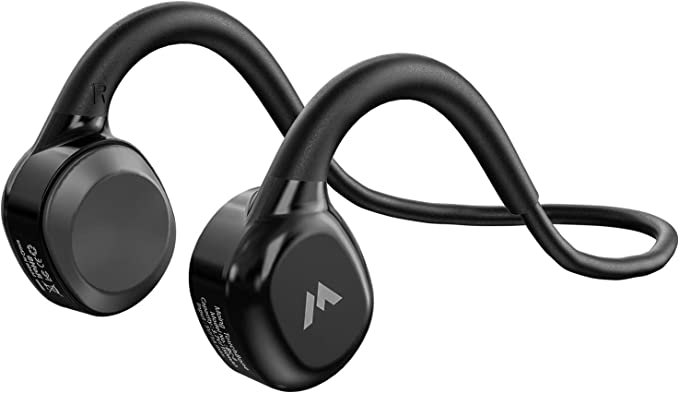
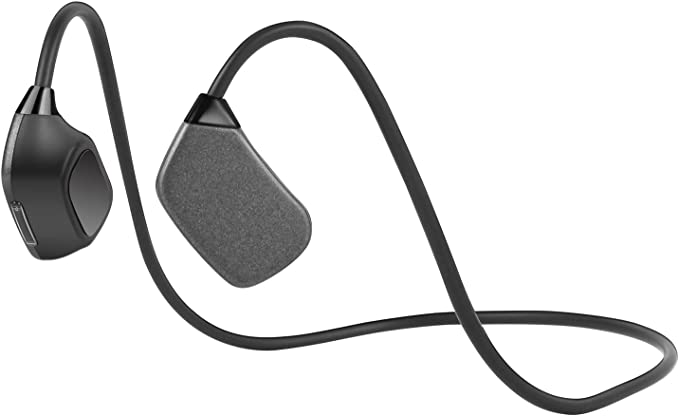
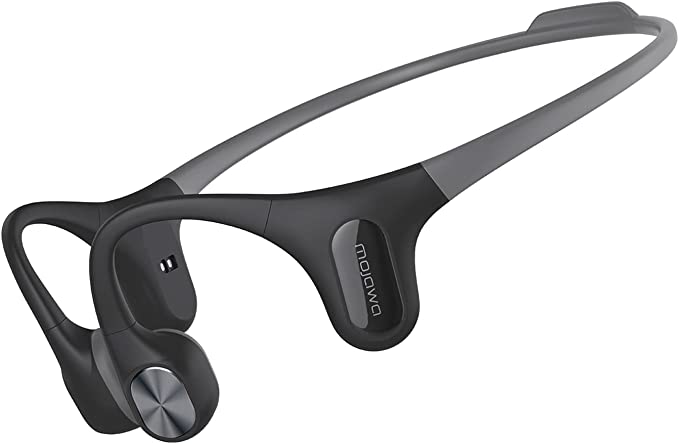
Bone conduction offers a completely different route. Think of it as a secret VIP entrance to the concert hall of your brain, one that bypasses the main lobby and ticket-takers. Instead of relying on the air and the eardrum, bone conduction devices use a transducer to send subtle vibrations through the bones of your skull—typically the cheekbones. These vibrations travel directly to the cochlea, stimulating it in the same way airborne sound eventually does. The result is clear, crisp audio, all while your ear canals remain completely open to the world.

From Battlefield to Bike Path: The Modern Application
This “secret path” of hearing proved invaluable long before it was available to consumers. It became a cornerstone for specialized hearing aids and a critical tool for military forces, allowing soldiers to receive clear communications in the deafening roar of a battlefield while keeping their ears open to immediate threats. Today, that same life-saving principle has been refined and engineered into devices designed for daily life.
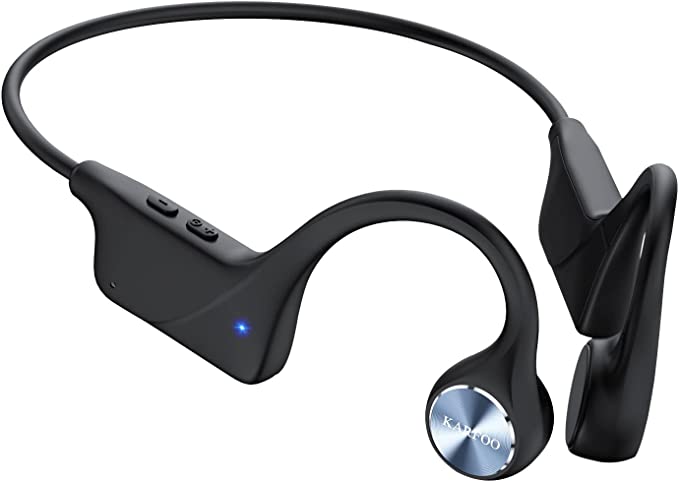
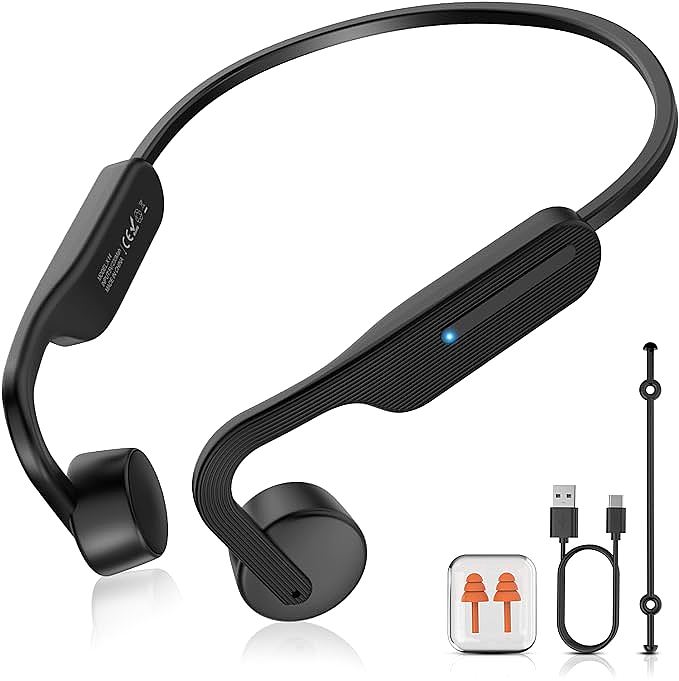
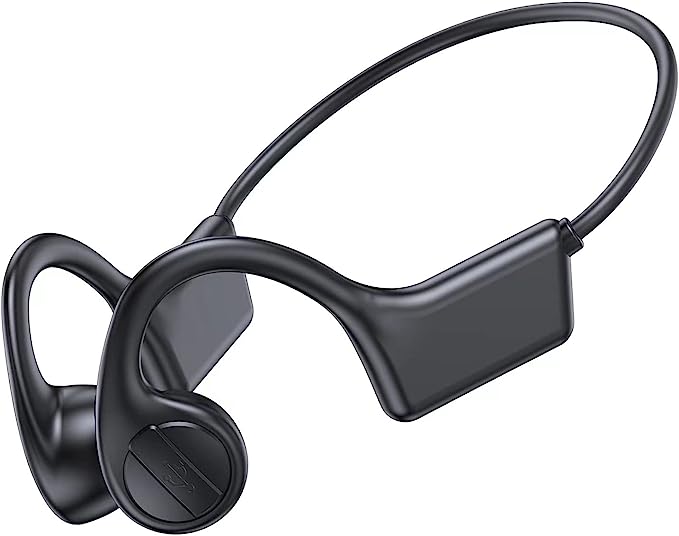
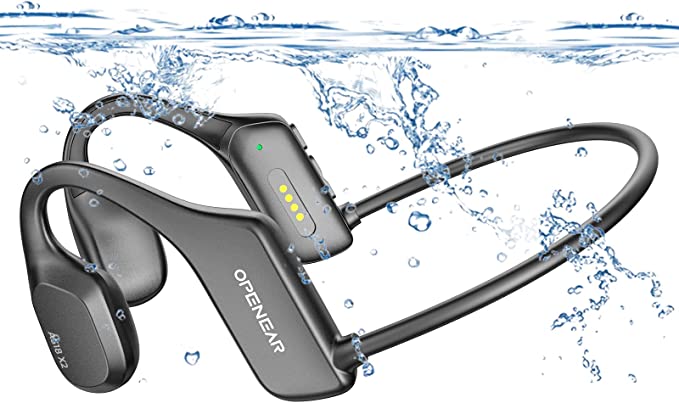
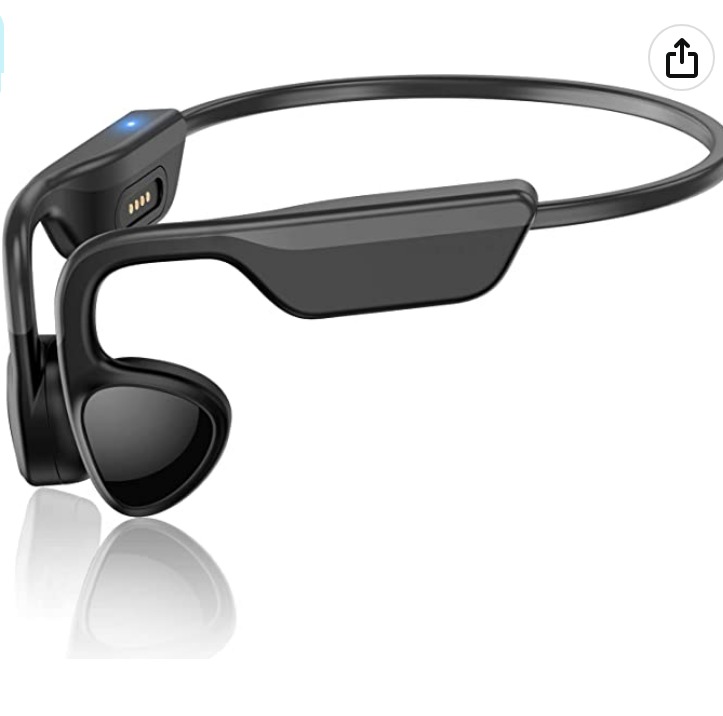
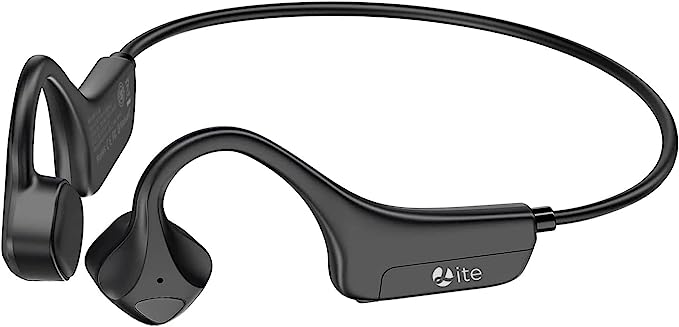
The IKXO T88 serves as a fascinating case study of this technological migration. Its entire design philosophy is built around the open-ear concept. This isn’t a flaw or a compromise; it is the central feature. For the cyclist, it means hearing approaching traffic. For the office worker, it means enjoying music without missing a colleague’s question. For anyone who has ever felt a sense of unease from being too isolated by their audio, it offers a profound sense of situational awareness. This design also brings an ergonomic advantage, eliminating the pressure and fatigue that can build up from hours of wearing traditional in-ear buds, a crucial factor for all-day comfort.

The Unseen Engine: Powering the Experience
Harnessing a 19th-century principle requires a thoroughly 21st-century engine. The IKXO T88 is powered by Bluetooth 5.2, a significant leap in wireless technology. This isn’t merely about cutting the cord; it’s about creating a more robust, efficient, and responsive connection. The stated 15-meter stable transmission range provides the freedom to move around a room or a workshop without your audio cutting out. Furthermore, a specified wireless delay time of 30 milliseconds is impressively low, ensuring that what you see on screen is perfectly synchronized with what you hear—a vital feature for watching videos or casual gaming.
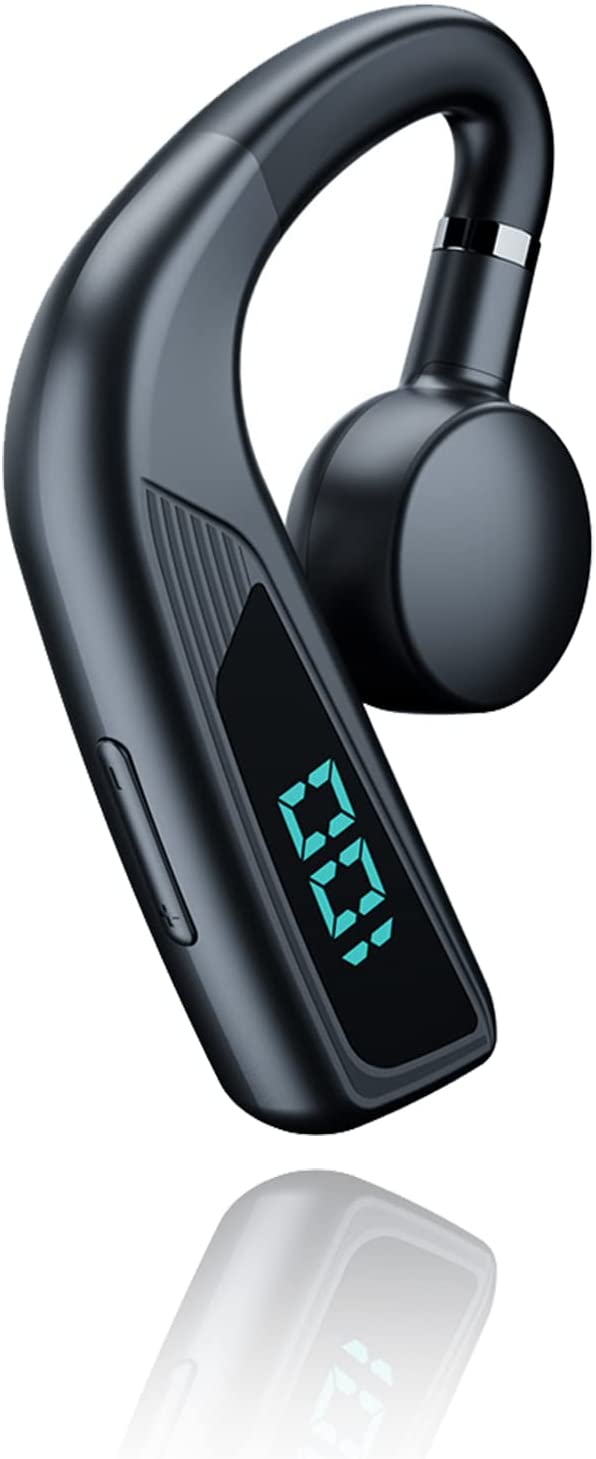
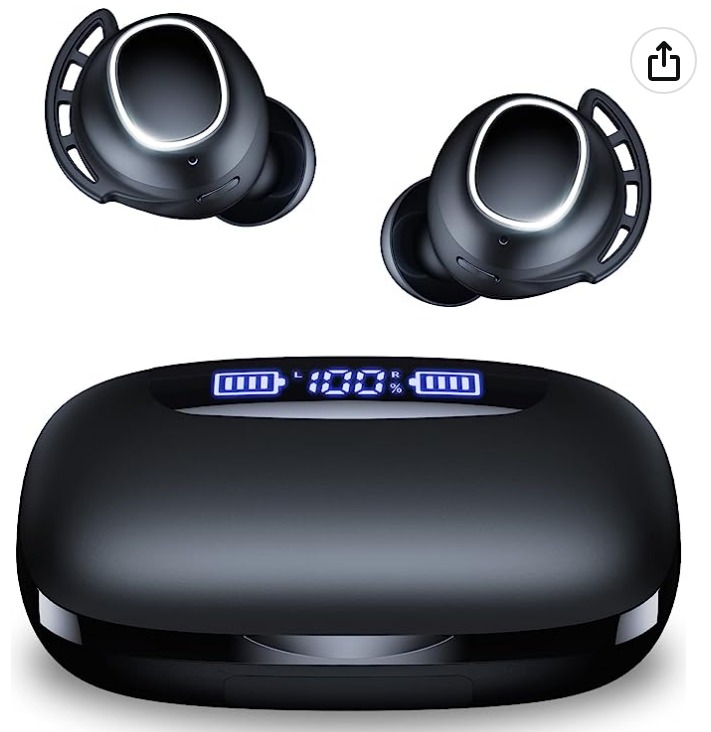
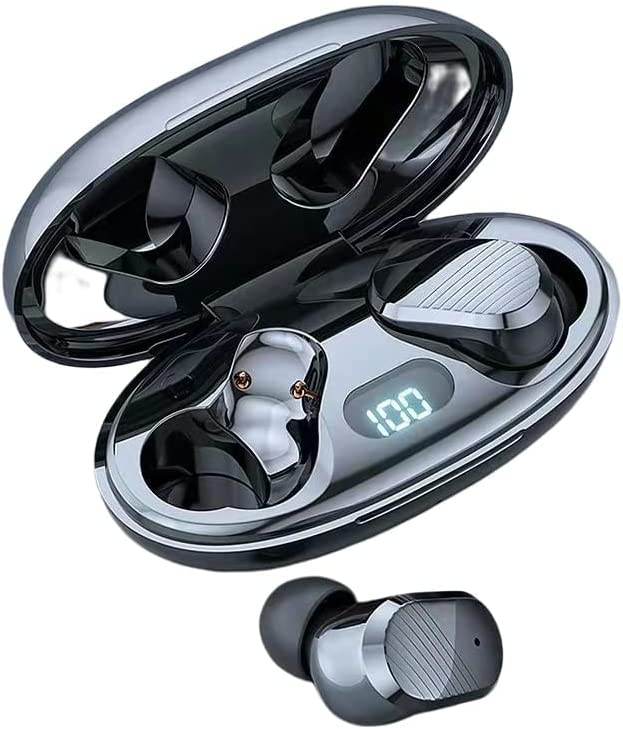
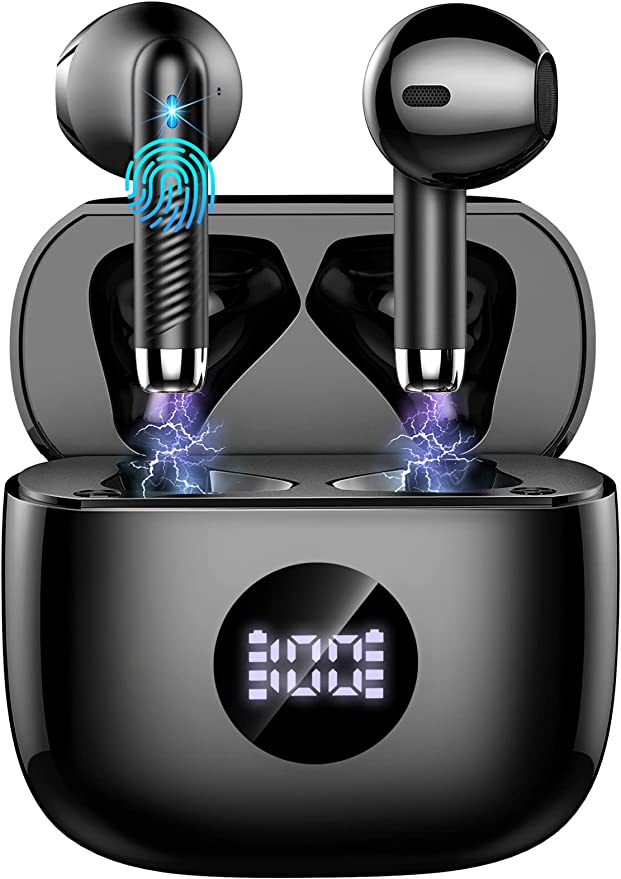
Perhaps the most practical benefit of this modern chipset is its power efficiency. It’s the key that unlocks the T88’s formidable endurance: a claimed 20 hours of continuous music playback on a single charge. This figure alone re-frames the device from a simple accessory to a professional tool. For a truck driver on a long haul, this means uninterrupted audio for an entire leg of their journey. This stamina is amplified to an almost extreme degree by the charging case, which reportedly holds enough power to recharge the earphone 12 times. It’s a system designed to eliminate battery anxiety entirely. The inclusion of a clear LED digital display on the case, showing the charge status at a glance, is a final, thoughtful touch that underscores the device’s focus on practical, real-world usability.

Hearing the World Anew
The IKXO T88 is more than a collection of specifications; it’s a convergence point. It’s where Beethoven’s acoustic secret, refined through decades of military and medical application, meets the bleeding edge of wireless engineering. It stands as a powerful argument that the goal of personal technology shouldn’t always be deeper immersion, but smarter integration.
By leaving our ears open, bone conduction technology doesn’t just let us hear our music; it lets us hear our music in our world. It offers a way to augment our reality with a personal soundtrack, without building a wall that separates us from it. It’s a subtle but profound shift in our relationship with sound, proving that sometimes the most innovative way forward is to find a new path around an old obstacle.