The Myth of 20kHz: Why You Need "Inaudible" Frequencies
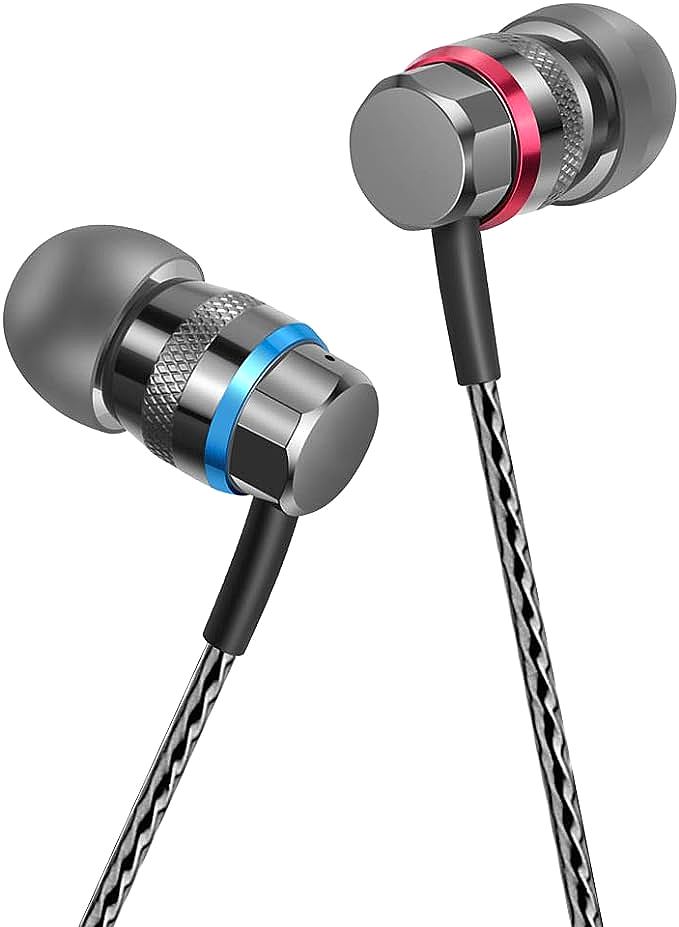
HIFI WALKER A2 Wired Earbuds
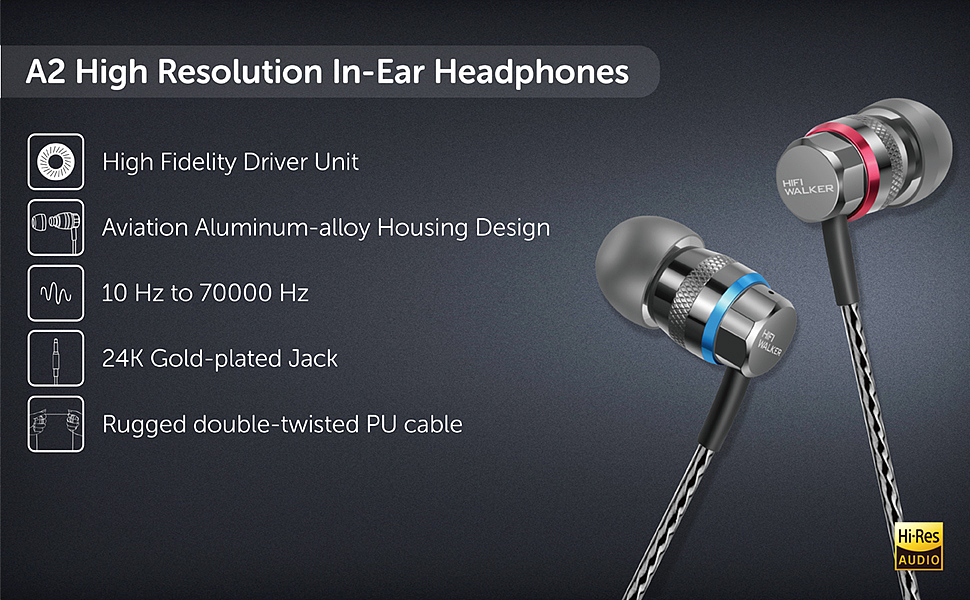
Ask any biologist, and they will tell you the human ear caps out at 20,000 Hz (20kHz). So, when HIFI WALKER prints "10Hz - 70,000Hz" on the box of the A2 Earbuds, a cynic might call it a gimmick. A physicist, however, sees something different. This extended range is not about hearing bat sonar; it is a proxy metric for speed and precision inside the audible spectrum (The Provocation).
The Physics of Speed (Transient Response)
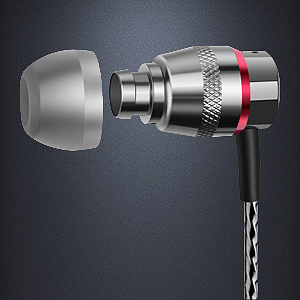
To reproduce a 70,000 Hz wave, a driver's diaphragm must vibrate 70,000 times per second. This requires a diaphragm that is exceptionally lightweight and rigid, driven by a powerful magnetic field—in this case, 9.2mm dynamic drivers with Neodymium (NdFeB) magnets.
Why does this matter for your music? Because a driver fast enough to hit 70kHz is "bored" at 10kHz. It can start and stop instantly. This property is called Transient Response.
* Slow Driver: Smears the sharp crack of a snare drum or the pluck of a guitar string.
* A2 Driver: Captures the initial impact (attack) with razor-sharp precision because it has the mechanical headroom to go much faster (Physics). This creates the "cleaner and crisper high" noted by audiophiles.
The "Uncolored" Sound Signature
Reviewer M. O. complained: "They are too brite. They are lacking in the base reproduction." This is the classic reaction of a listener accustomed to consumer-tuned audio (like Beats or Sony XB).
Consumer earbuds often have a "V-shaped" curve: boosted bass (+10dB) and boosted treble to sound "exciting." The HIFI WALKER A2 aims for a flat, uncolored response.
* The Bass: It goes down to 10Hz (sub-sonic). The bass is there, but it is linear. It doesn't boom unless the track booms. It lets you hear the texture of the bass guitar string, not just the thud of the kick drum (Nuance).
* The Mids: Because the bass isn't artificially bloated, it doesn't "bleed" into the midrange. Vocals sit forward and clear, unmasked by mud.
The Aluminum Resonance Dampener
The A2 uses an Aviation Aluminum-Alloy housing. This isn't just for durability; it is an acoustic choice.
Plastic shells vibrate. When the driver pushes air, a plastic shell flexes, creating "sympathetic resonance" that adds a muddy coloration to the sound. Aluminum is rigid. It forces all the energy to go out the nozzle into your ear, rather than being absorbed by the walls of the earbud. This creates a "blacker background" and tighter instrument separation (Material Science).
Field Note: If the bass sounds weak, you likely have a seal failure. The A2 is a sealed pneumatic system. If air escapes around the silicone tip, bass pressure drops to zero immediately. Try the largest silicone tips included. Wet them slightly before insertion to create a hermetic seal. If the seal is correct, the 10Hz sub-bass will physically shake your eardrum.
Verdict: An Audiophile Training Tool
The HIFI WALKER A2 is less of a "fun" earbud and more of a "precision instrument." For $25, it offers a glimpse into the world of high-fidelity audio where accuracy reigns supreme. It won't flatter bad recordings or shake your skull with fake bass, but it will show you exactly what is in your music file.
HIFI WALKER A2 Wired Earbuds
Related Essays

Soundcore Life Q20 Hybrid Active Noise Cancelling Headphones: When Silence Meets Hi-Res Audio in Perfect Harmony