The Factory Floor Secret: Analyzing the ACREO AirBuds' ODM Pedigree
Update on Dec. 6, 2025, 9:38 p.m.
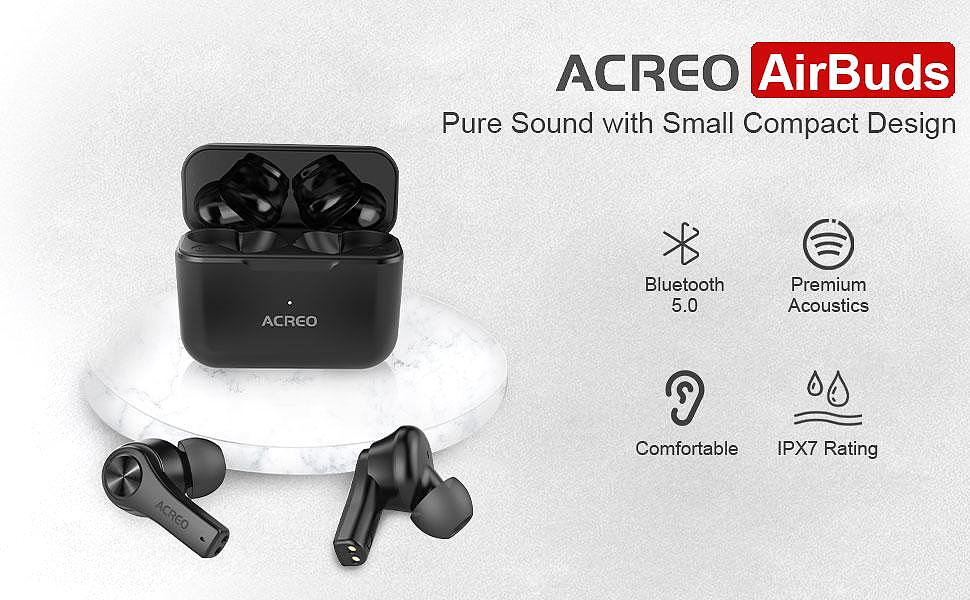
In the chaotic world of budget wireless audio, most brands are “virtual”—marketing companies that slap a logo on a generic product from a catalog. ACREO presents a different narrative. Claiming over a decade of experience manufacturing for giants like HP and Philips, the AirBuds represent a shift: the factory cutting out the middleman. For the consumer, this “Factory Direct” model promises higher hardware specs for the dollar, specifically manifested in a massive 13mm driver and IPX7 waterproofing. But does this ODM (Original Design Manufacturer) pedigree translate to real-world performance, or is it just industrial marketing?

The Physics of the 13mm “Composite” Driver
The headline spec of the AirBuds is the 13mm Customized Composite Driver. To understand why this matters, one must look at the physics of air displacement. * The Norm: Most budget earbuds use 6mm or 8mm drivers. They are cheap and fit easily, but struggle to move enough air for deep bass without distortion. * The 13mm Advantage: A 13mm diaphragm has roughly 2.5 times the surface area of an 8mm driver (Data). This allows it to move a significantly larger volume of air with less excursion (movement distance). * The Sound Signature: This physical advantage results in “effortless” volume and a thick, warm bass response that doesn’t sound strained. While ACREO claims “Pure Clear Treble,” large drivers in this price range typically suffer from slower transient response, meaning high frequencies might lack the “snap” of smaller, stiffer drivers. The sound is likely tuned for “fun” and “impact” (pop, hip-hop) rather than critical listening (Thesis).
The “Composite” nature of the diaphragm suggests a mix of materials (likely PU + PEEK or similar polymers) aimed at balancing rigidity (for treble) and flexibility (for bass). This is a standard ODM technique to elevate the performance of budget drivers without the cost of exotic materials like beryllium.
IPX7: The Glue-Sealed Fortress
ACREO touts an IPX7 waterproof rating, meaning the earbuds can survive submersion in 1 meter of water for 30 minutes. Achieving this at ~$35 requires a specific manufacturing approach: Potting and Glues.
Unlike high-end earbuds that might use expensive gaskets and ultrasonic welding, budget IPX7 devices often rely on heavy application of industrial sealants to close the chassis seams.
* The Pro: It works. It effectively keeps out sweat, rain, and even a drop in the sink (Scenario).
* The Con: It makes the device unrepairable. The battery is sealed inside a tomb of glue. Furthermore, sealants degrade with heat. Leaving these earbuds in a hot car can compromise the waterproof seal over time (FMEA).
Ergonomics: The 4.2g Featherweight
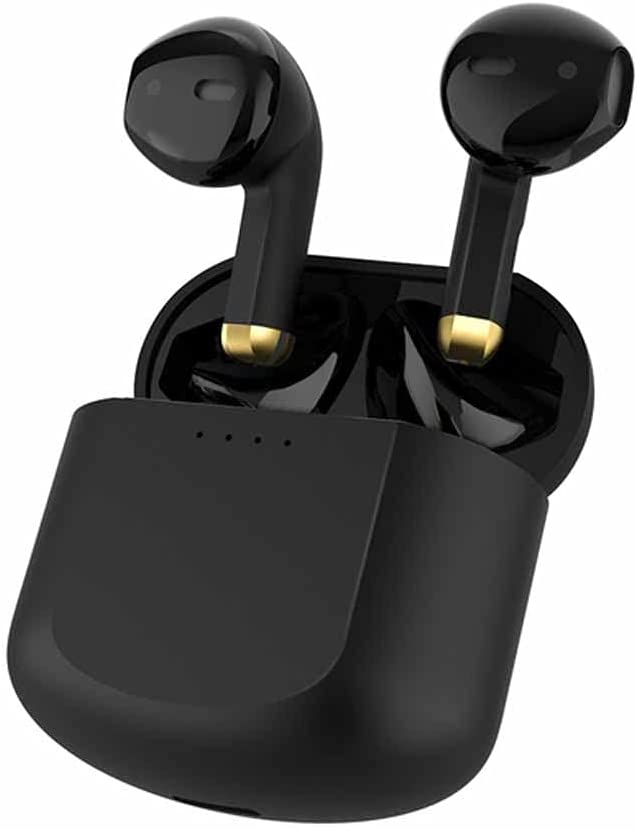
One area where ODM experience shines is in ergonomics. Manufacturers who build millions of units for other brands have vast databases of ear shapes. The AirBuds weigh in at 4.2 grams per earbud—lighter than a sheet of A4 paper.
This lightness is critical for stability. Heavier earbuds require aggressive ear wings or deep insertion to stay put. The AirBuds, by virtue of their low mass, can sit securely with just the friction of the silicone tip and the concha fit. This reduces “ear fatigue” during long listening sessions, a common complaint with bulkier budget buds (Expert Nuance).
In conclusion, the ACREO AirBuds are a testament to the power of supply chain efficiency. By leveraging existing tooling and driver technology, ACREO delivers a spec sheet that would cost double from a major brand. You aren’t paying for R&D; you are paying for manufacturing capability.