The Cordless Compromise: Engineering the First Generation of True Wireless Sound
Update on Feb. 10, 2026, 6:51 p.m.
For over a century, personal audio was defined by a physical tether. The copper wire was a reliable, zero-latency conduit for sound, but it was also a leash. The transition to “True Wireless” audio—where even the cable connecting the left and right drivers is severed—was not merely a design choice; it was a fundamental reimagining of how audio data is transmitted and synchronized. This shift required engineers to solve complex problems in radio frequency (RF) propagation and power management within a chassis smaller than a grape.
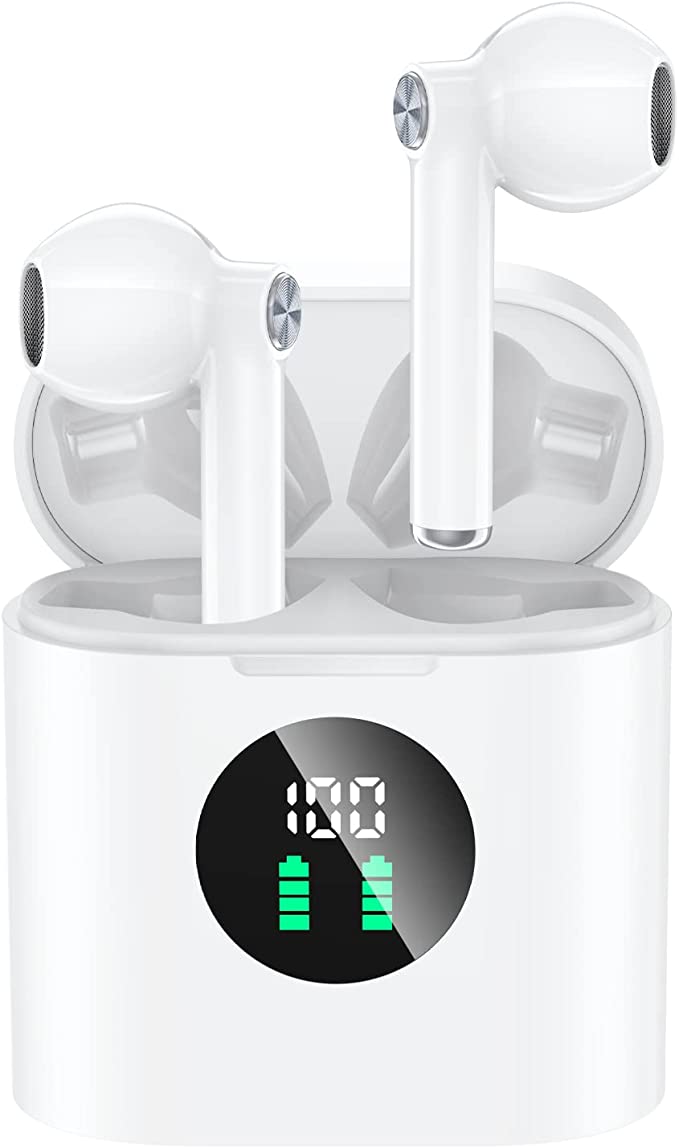
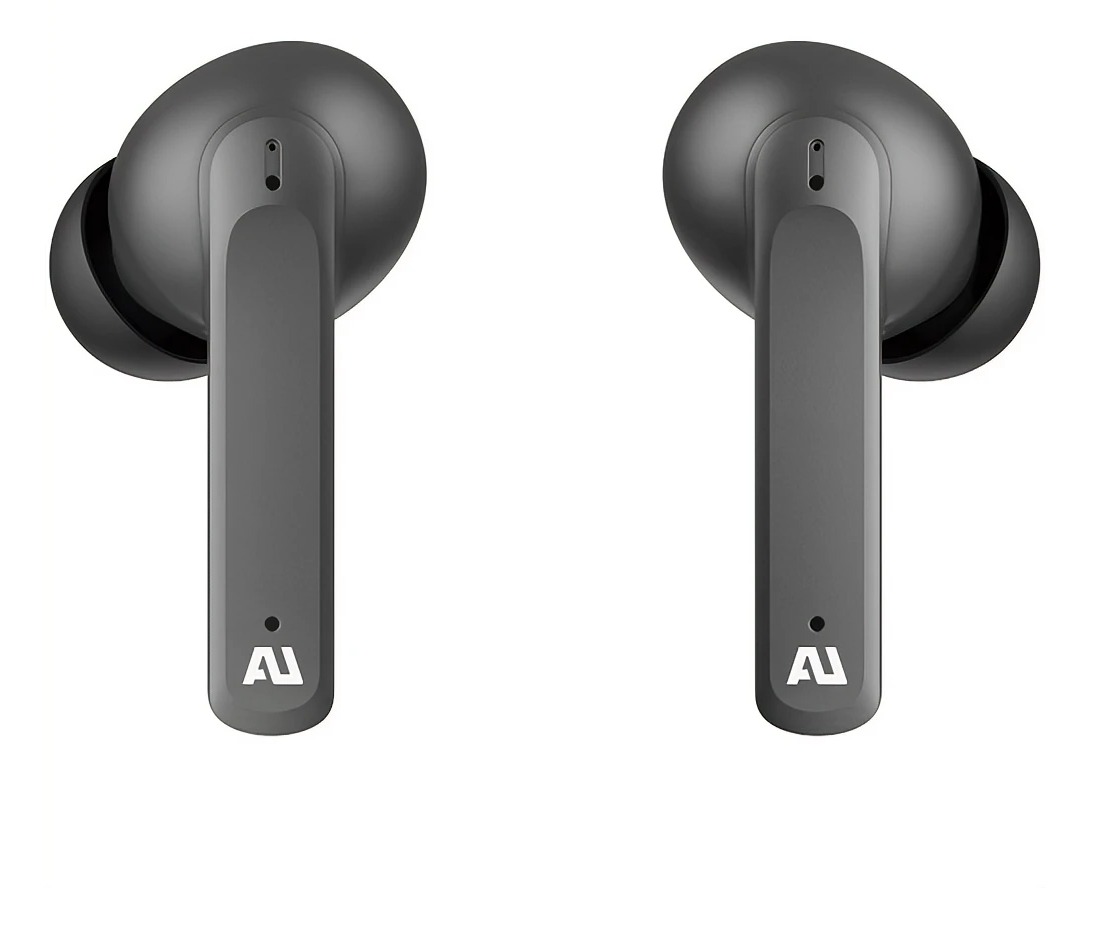
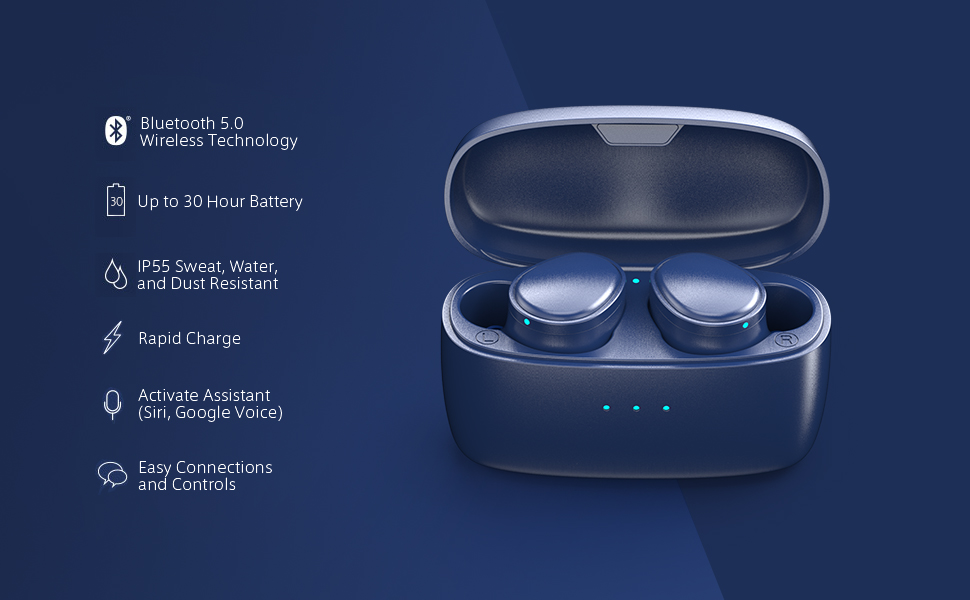
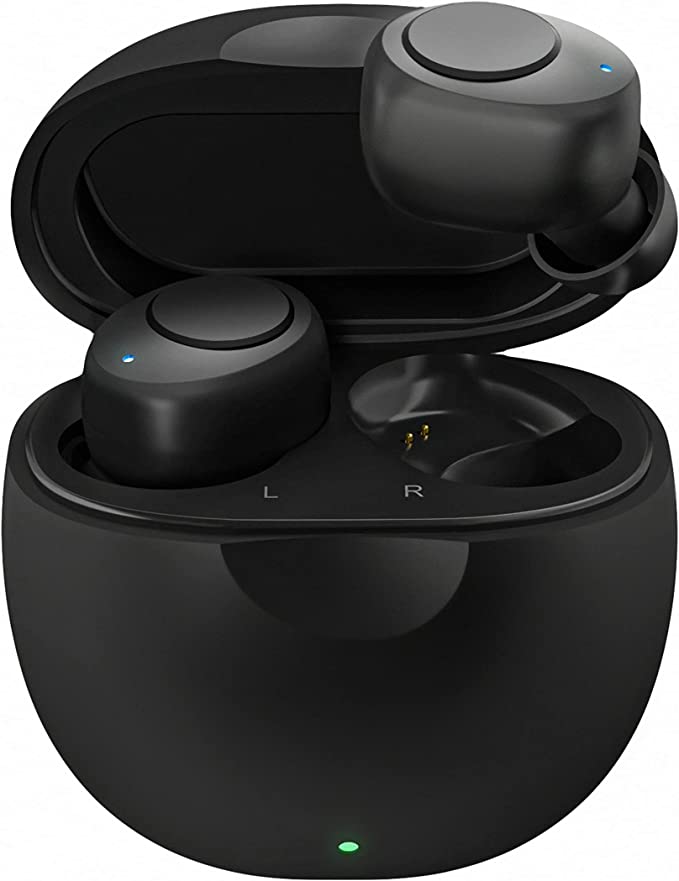
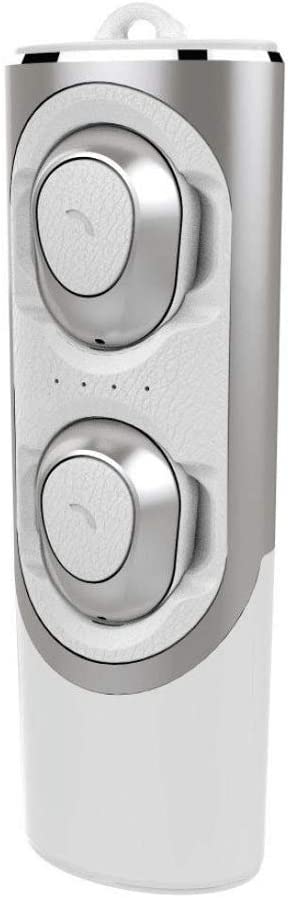
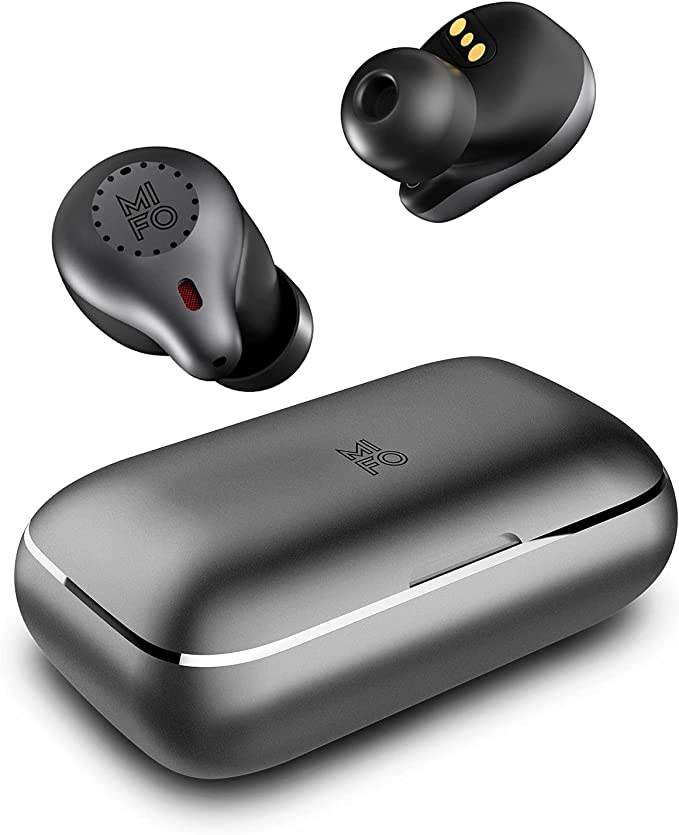
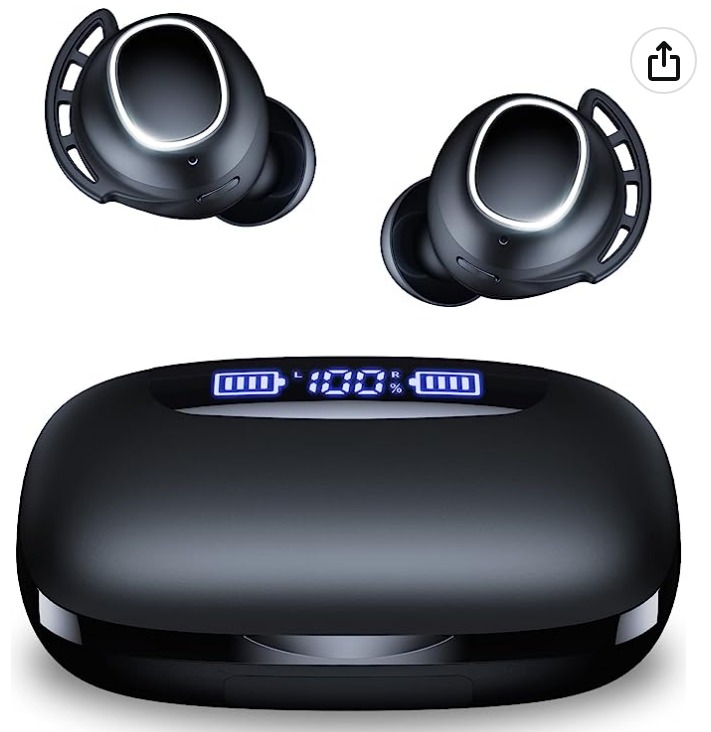
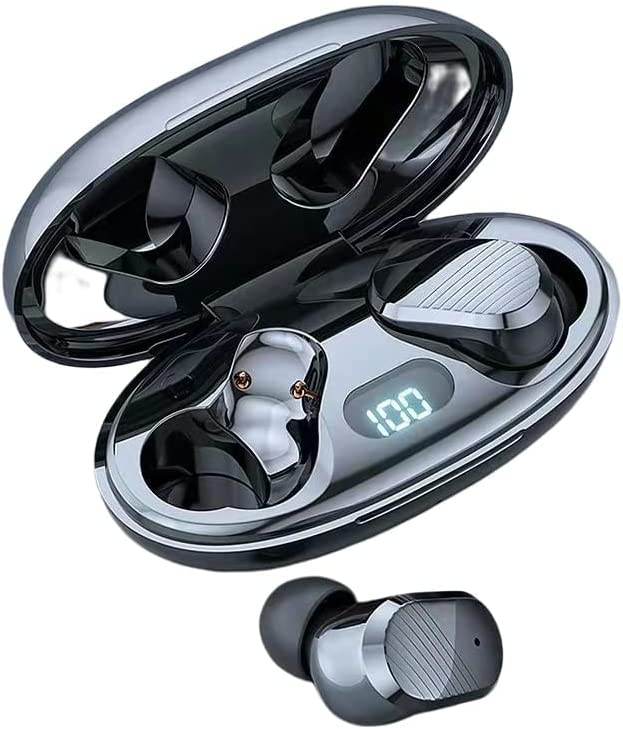
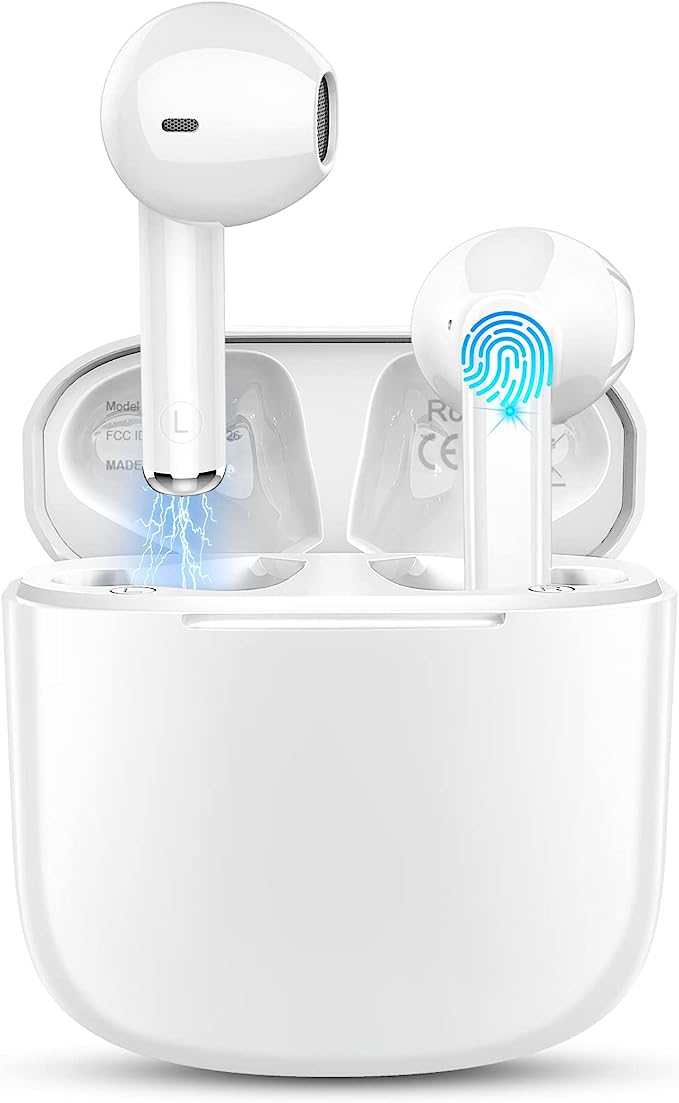
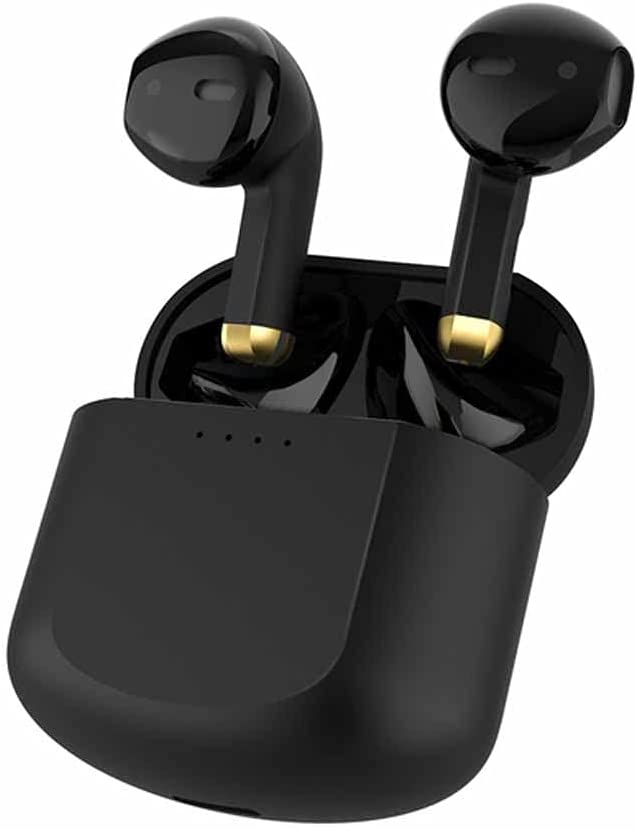
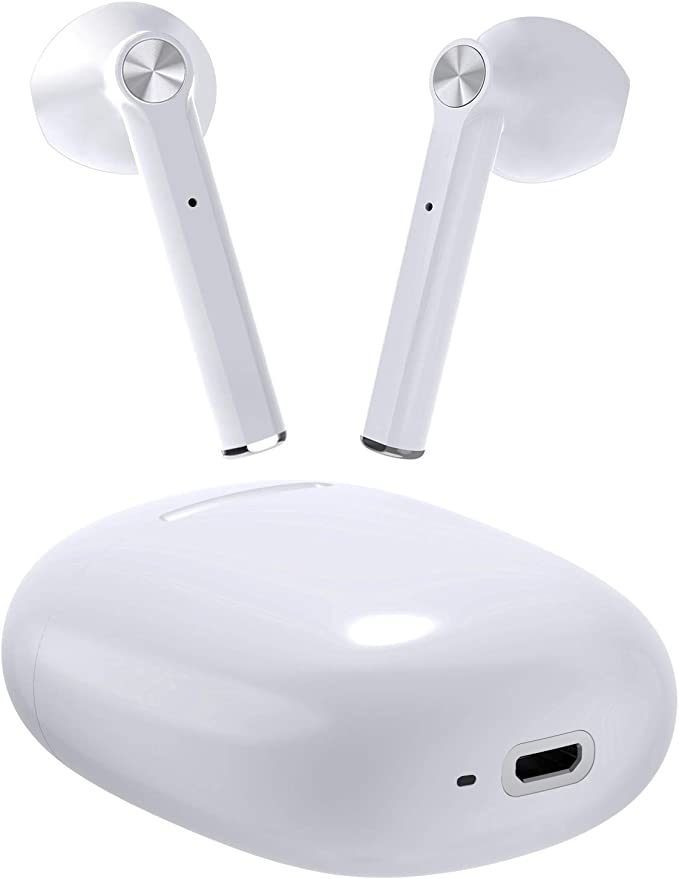
The GabbaGoods TrueBuds stand as a testament to this transitional era. By examining the technology underpinning devices like these, we gain insight into the sophisticated engineering required to make the simple act of listening to music “untethered.”

The Relay Race: Decoding Bluetooth 4.2 Topology
Modern users are accustomed to Bluetooth 5.0 and above, which allows a smartphone to send independent audio streams to both earbuds simultaneously (sniffing). However, earlier iterations like the Bluetooth 4.2 protocol found in the TrueBuds utilized a different, more demanding architecture known as Master-Slave Topology.
In this setup, the smartphone connects to only one earbud (the Master). The Master earbud must then perform double duty: it receives the heavy audio data stream, decodes it, plays its own channel, and simultaneously re-encodes and re-transmits the second channel to the other earbud (the Slave). This relay process happens through the user’s head—a mass of water and tissue that naturally blocks 2.4GHz radio waves.
This explains the engineering challenge behind user reports of connection instability or “static” in early TWS devices. Maintaining this delicate RF link requires precise antenna placement and significant power. When it works, it feels like magic. When it falters, it reveals the immense difficulty of synchronizing two independent devices to the microsecond without a physical clock wire.
The Energy Density Dilemma
Perhaps the most significant constraint in true wireless audio is volumetric energy density. In a traditional headset, batteries can be housed in the headband or a neck cable. In TWS earbuds like the TrueBuds, the battery must share a tiny internal volume with the driver, the Bluetooth chipset, the antenna, and the charging circuitry.
The TrueBuds are rated for approximately 2.5 hours of playtime. To the modern consumer, this might seem brief, but from a materials science perspective, it is a calculation of safety and weight. Lithium-ion cells essentially store energy in the movement of ions between a cathode and an anode. To increase capacity, you need more physical material.
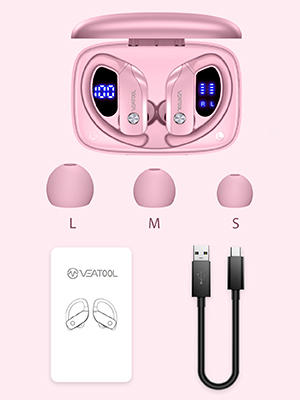
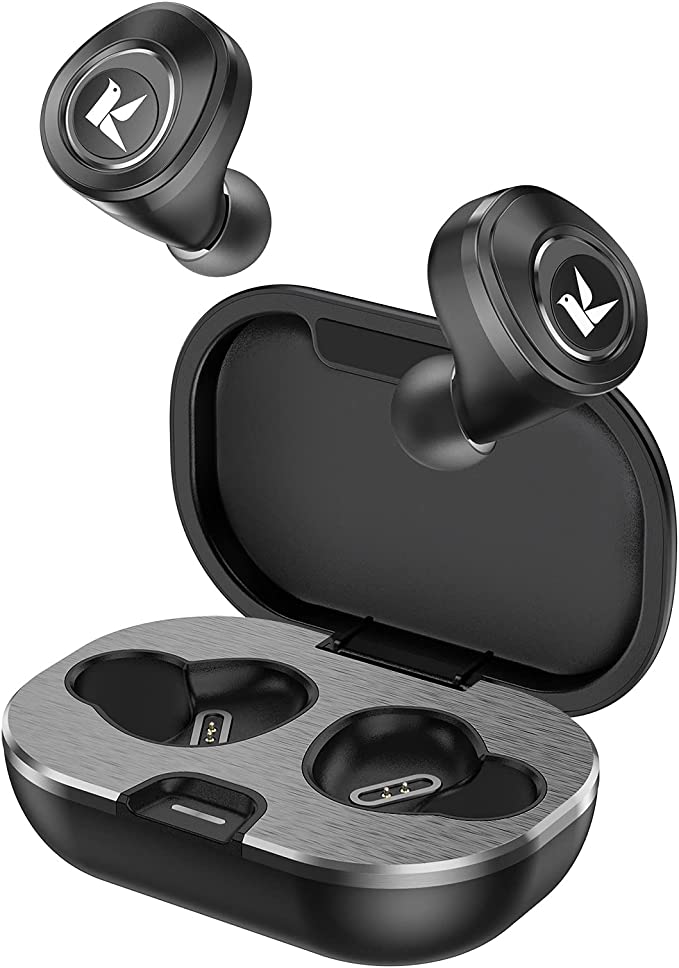
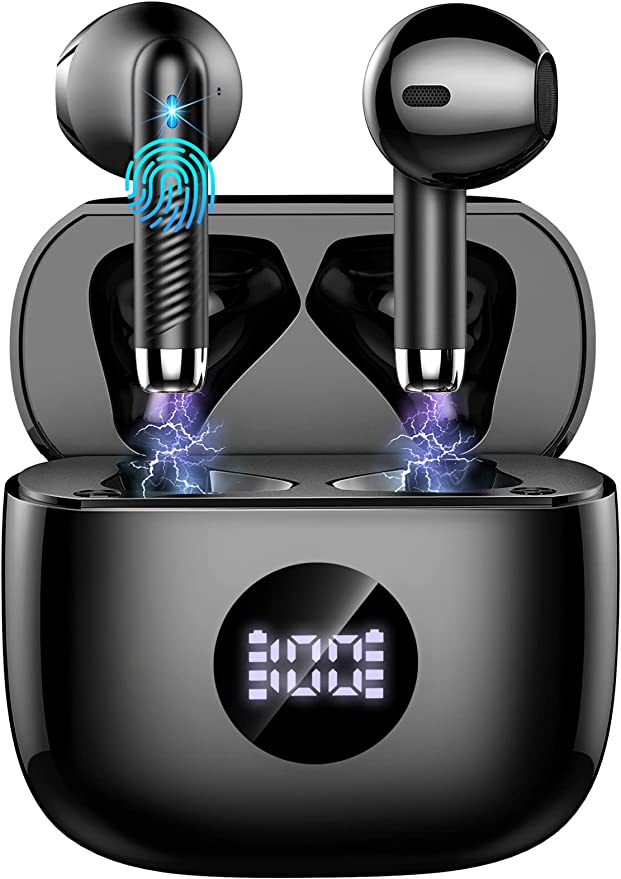
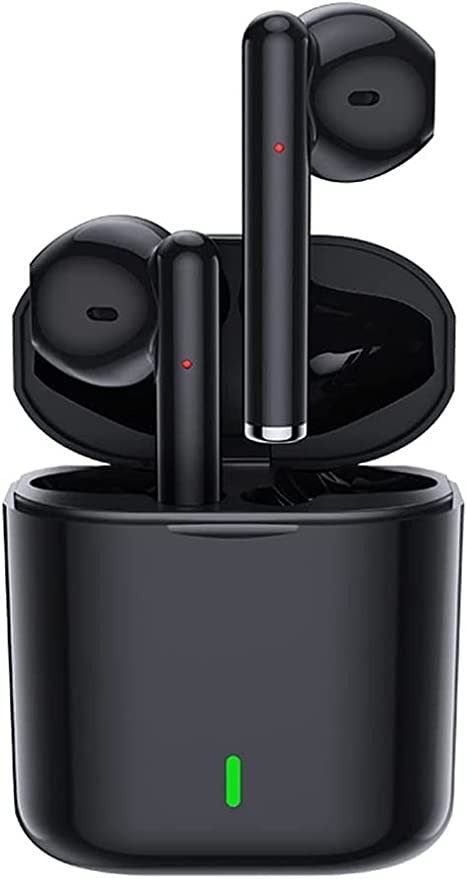
To solve this, engineers introduced the Charging Pod. This external case acts as a localized power grid. By offloading the bulk of the battery capacity to a separate unit (which can charge the buds 4 times, totaling 10 hours), designers could keep the earpieces “ultra light-weight” and comfortable for workouts. This distributed power architecture is now the industry standard, acknowledging that we cannot yet cheat the physics of battery chemistry.

Acoustics and the “Washed Out” Phenomenon
Audio quality in in-ear monitors is governed by the seal. This is the principle of passive noise isolation. When an earbud creates an airtight seal in the canal, it traps a volume of air. The driver pushes against this trapped air to generate low-frequency pressure waves (bass).
If that seal is broken—even by a millimeter—the pressurized air escapes, and the bass response creates a “short circuit,” vanishing instantly. This phenomenon explains why some users experience “deep bass” while others describe the sound as “washed out.” It is often not a failure of the driver itself, but a variance in ear anatomy preventing a perfect acoustic seal.
Furthermore, active use introduces moisture. The TrueBuds feature sweat-resistant technology, likely a hydrophobic nanocoating on the internal components. Sweat is conductive and corrosive; without this barrier, the electrolytes in perspiration would bridge circuits and destroy the sensitive RF chips responsible for that fragile wireless connection.
The Legacy of Untethered Audio
The evolution of personal audio is a history of removing barriers between the listener and the sound. Devices utilizing Bluetooth 4.2 paved the way for the robust, all-day wearables we see today. They proved that consumers were willing to manage battery life and occasional connection quirks in exchange for the absolute freedom of movement.
The TrueBuds remind us that “wireless” is not the absence of technology, but the presence of incredible complexity—a synchronized dance of radio waves and electrochemistry occurring invisibly around our heads.