Auditory Architecture: The Physics Behind Active Noise Cancellation and Wireless Audio
Update on Feb. 11, 2026, 6:16 p.m.
Have you ever stopped to consider the sheer chaotic energy of a modern city? At any given moment, the air is thick with the mechanical hum of HVAC systems, the friction of tires on asphalt, and the overlapping frequencies of human speech. Our ears, evolved for the quiet vigilance of the savannah, are now perpetually bombarded by a wall of industrial noise.
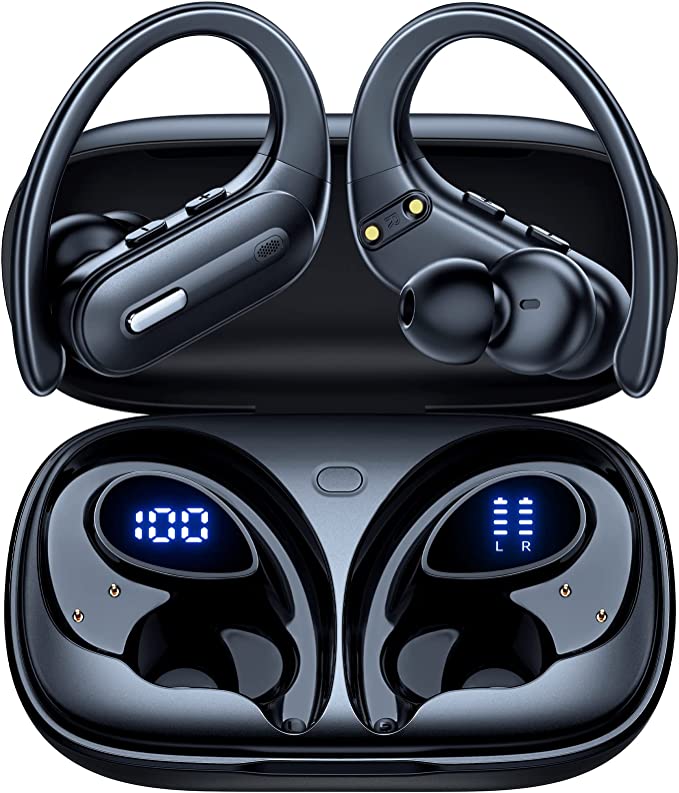
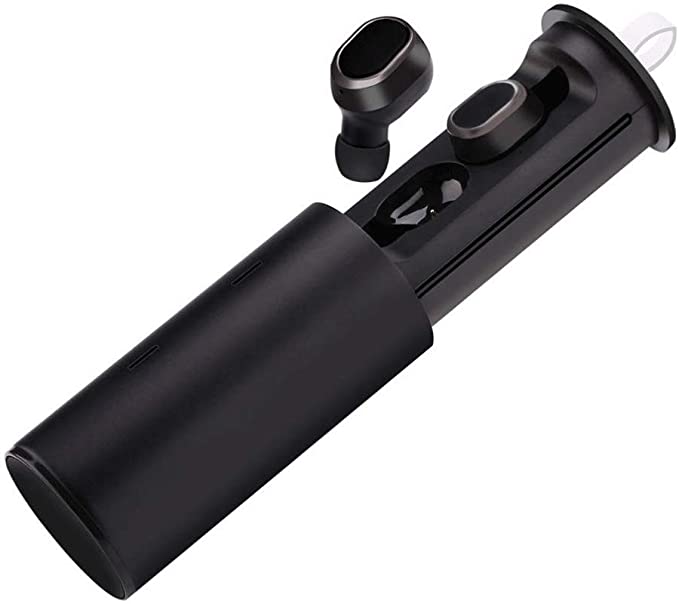
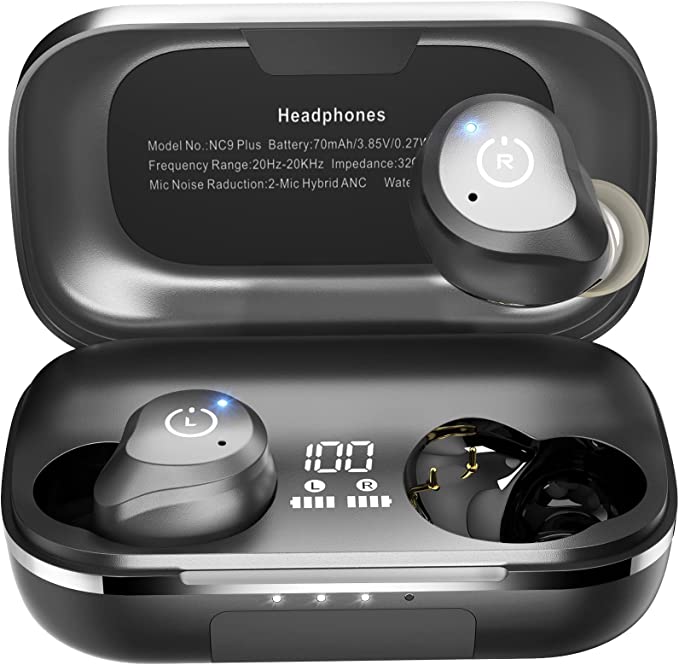
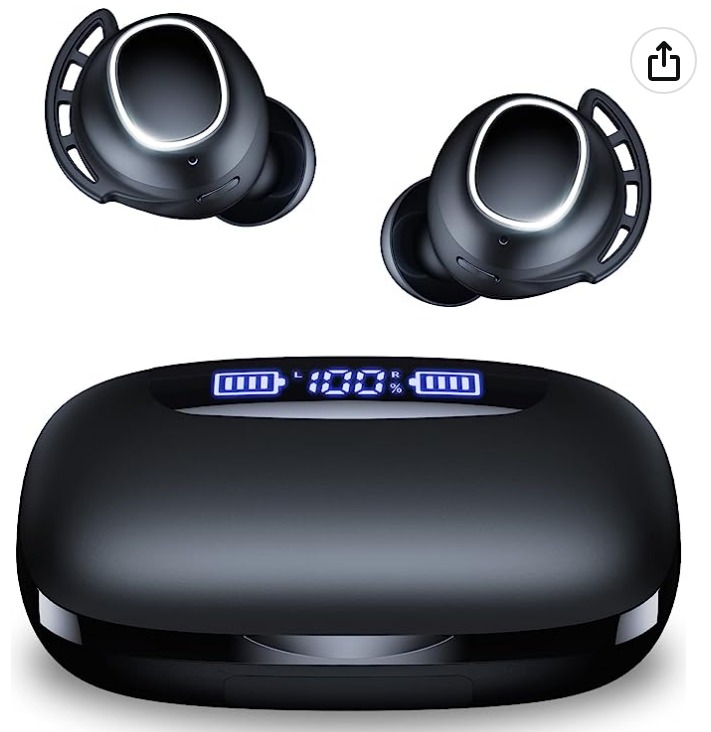
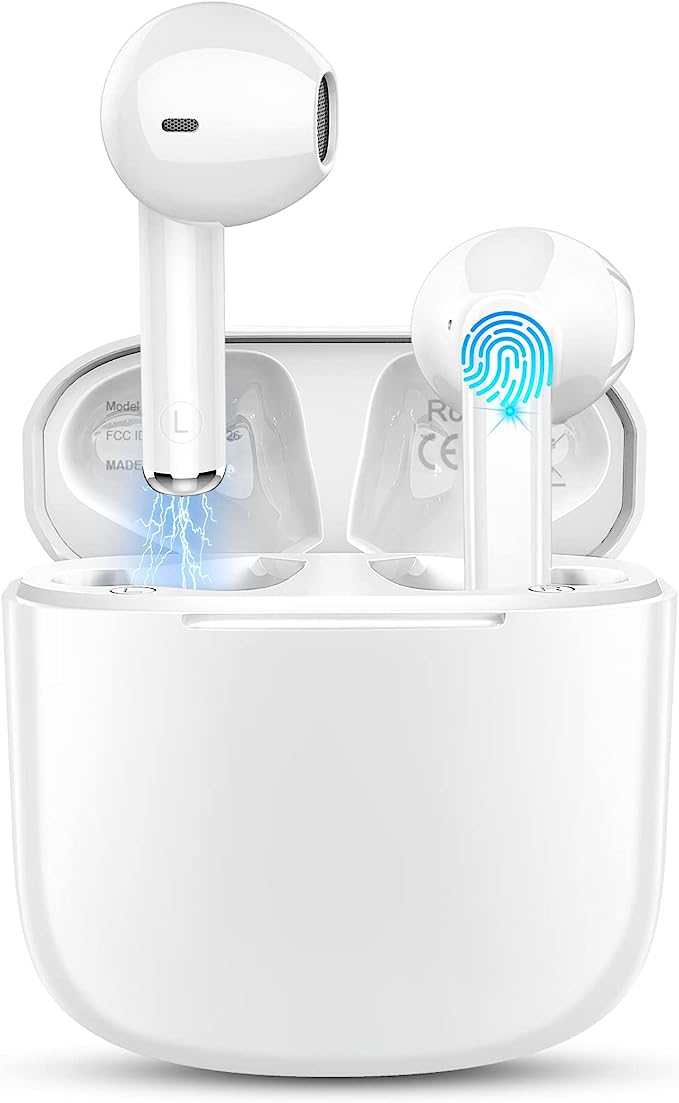
To reclaim our focus, we have turned to engineering. We no longer just listen to our environment; we actively sculpt it. The modern true wireless earbud is not merely a speaker; it is a sophisticated computer worn in the ear, capable of analyzing, processing, and altering sound waves in real-time. Devices like the Raycon The Work Earbuds serve as a prime example of this technological convergence, where acoustic physics meets digital signal processing to create a personalized auditory sanctuary.

Constructing Silence: The Science of Wave Interference
Silence is often defined by what it is not—the absence of sound. But in the realm of audio engineering, silence is something that must be actively manufactured. The principle governing this feat is known as destructive interference.
Sound travels as a pressure wave, consisting of compressions (peaks) and rarefactions (troughs). When two waves collide, their amplitudes combine. If a peak meets a peak, they reinforce each other (constructive interference). However, if a peak meets a trough of equal amplitude, they cancel each other out, resulting in zero net amplitude.
The Feedback Loop
Active Noise Cancellation (ANC) systems exploit this physical law. Microphones embedded on the exterior of the earbud sample the ambient noise floor—say, the low-frequency drone of an airplane engine. A Digital Signal Processor (DSP) inverts this signal’s phase by 180 degrees. This “anti-noise” is then played through the driver alongside your music. When the anti-noise meets the actual noise in your ear canal, they annihilate one another, leaving only the audio you intended to hear.
This process requires immense computational speed. The system must sample, invert, and output the signal in microseconds; otherwise, the anti-noise will be out of sync, potentially amplifying the noise rather than cancelling it.

Beamforming: How Microphones “Locate” Sound
While ANC manages what you hear, communicating effectively requires controlling what others hear. In a crowded room, sound arrives from all directions. How does a device isolate your voice from the chatter three feet away? The answer lies in beamforming technology.
Beamforming utilizes an array of multiple microphones—in the case of the Raycon implementation, this is marketed as “Vivid Voice technology.” By analyzing the Time Difference of Arrival (TDOA), the onboard processor can determine the spatial origin of a sound. Since sound travels at approximately 343 meters per second, a voice speaking directly in front of the user will hit the primary and secondary microphones at slightly different times compared to noise coming from the side.
The DSP effectively creates a “cone of sensitivity” directed at the user’s mouth. Sounds originating outside this cone are attenuated (lowered in volume), while sounds inside are preserved. This is spatial filtering, a technique originally developed for radar and sonar, now miniaturized to fit in your ear.
The Invisible Tether: Evolution of Wireless Protocols
The wire was once the bottleneck of high-fidelity audio. Early Bluetooth iterations suffered from low bandwidth and high latency, compressing audio files until they lost their dynamic range. The introduction of Bluetooth 5.0 marked a significant paradigm shift in the physical layer of wireless communication.
Bandwidth and Efficiency
Bluetooth 5.0 doubled the data transfer speed to 2 Mbps compared to its predecessor. This increased “pipe” allows for higher bitrate audio transmission with fewer dropouts. More importantly, it optimized Bluetooth Low Energy (BLE) protocols.
In technical implementations like the Raycon Work Earbuds, this efficiency translates to connection stability. The protocol employs Frequency Hopping Spread Spectrum (FHSS), rapidly switching between 79 designated channels in the 2.4 GHz band. If the device detects interference on one channel (from a Wi-Fi router, for instance), it instantly hops to a clearer channel, ensuring the audio stream remains unbroken even in environments saturated with radio frequency (RF) noise.

Energy Density in Micro-Scale
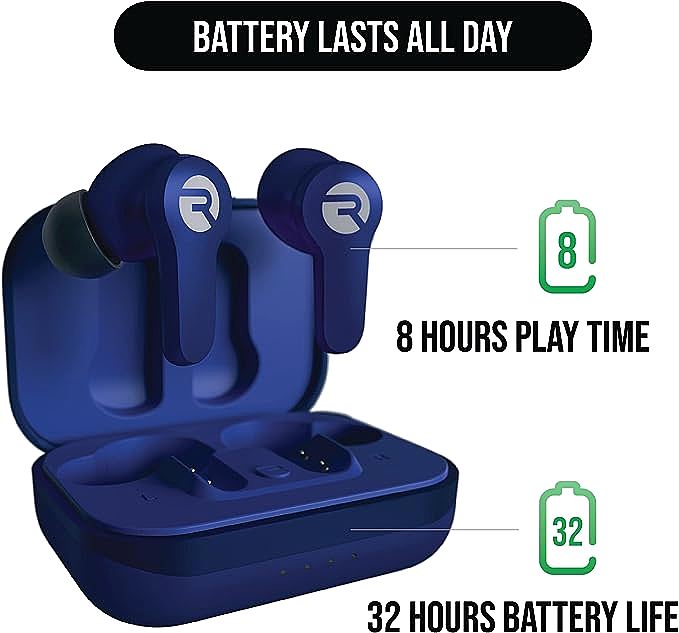
One of the greatest engineering challenges in wearable technology is the power-to-size ratio. Users demand devices that virtually disappear into the ear yet operate for an entire workday. This requirement places immense pressure on battery chemistry.
Modern earbuds utilize Lithium-ion (Li-ion) cells due to their high energy density and low self-discharge rates. However, the management of this energy is just as critical as its storage. Intelligent Power Management Integrated Circuits (PMICs) constantly monitor current draw. When sensors detect the earbuds have been removed from the ear, the system enters a deep sleep mode to conserve electrons.
The charging case serves as a portable power bank, utilizing electromagnetic induction for wireless charging capabilities. A coil in the charging pad generates an alternating magnetic field, which induces a current in the receiver coil inside the case—based on Faraday’s Law of Induction—allowing energy transfer without physical contacts.
Transduction: Moving Air to Move Minds
At the end of the digital chain, everything must return to the analog world. The digital signal is converted back into voltage, which drives the dynamic driver.
A dynamic driver functions as a transducer. It consists of a permanent magnet, a voice coil, and a diaphragm. When the electrical signal flows through the voice coil, it creates a varying magnetic field. This field interacts with the permanent magnet, generating a Lorentz force that pushes and pulls the coil. The coil moves the diaphragm, compressing and rarefying the air to create sound waves.
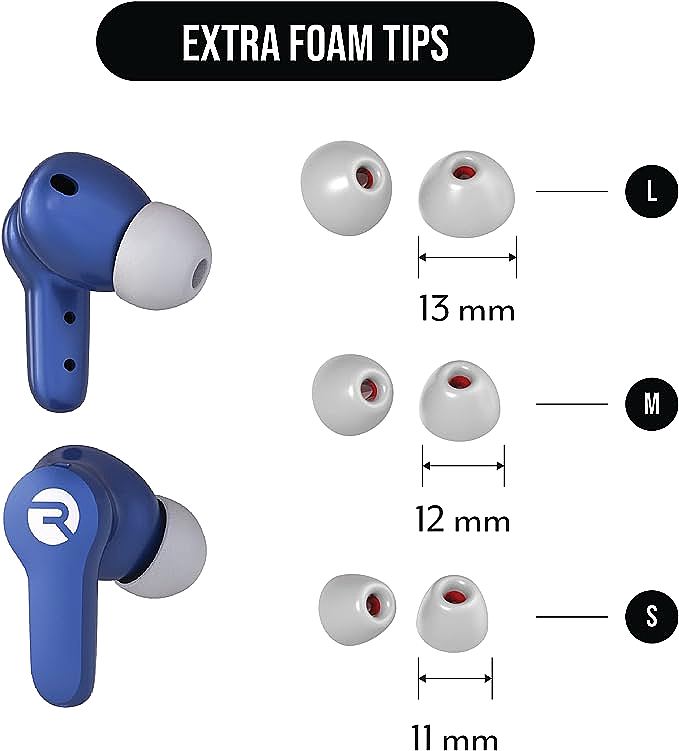
The 10mm drivers found in these Raycon units are relatively large for in-ear monitors. In acoustic terms, a larger surface area on the diaphragm allows it to move more air with less excursion, typically resulting in a more robust bass response. However, the fidelity of this sound also depends on the acoustic seal. Memory foam tips provide passive isolation, physically blocking high-frequency noise and creating a pressurized chamber between the driver and the eardrum. This seal is essential; without it, low-frequency waves would dissipate, destroying the bass response regardless of the driver’s quality.
The Convergence of Disciplines
The modern earbud is a triumph of interdisciplinary engineering. It requires the seamless integration of wave physics, digital signal processing, materials science, and electromagnetism. Devices like the Raycon Work Earbuds illustrate how these complex fields have been democratized, packaging advanced noise control and beamforming capabilities into a consumer product. As we move forward, the distinction between our physical acoustic environment and our digital one will continue to blur, allowing us to inhabit soundscapes of our own design.