Engineering the Edge: The Science of Workout Audio
Update on Feb. 10, 2026, 7:30 p.m.
It is 5:00 AM. The alarm has sounded, but the body remains heavy, anchored by inertia. In this moment of resistance, millions of athletes reach for a tool that is as critical as their shoes or their weights: music. It is the spark that ignites the will.
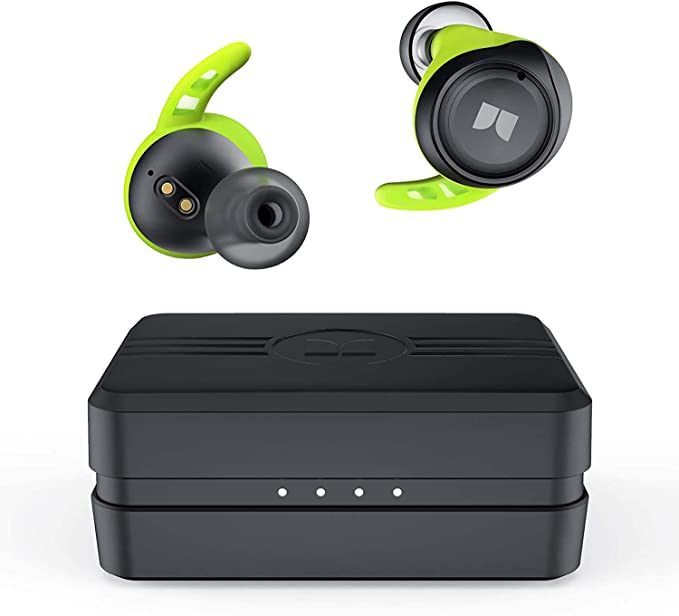
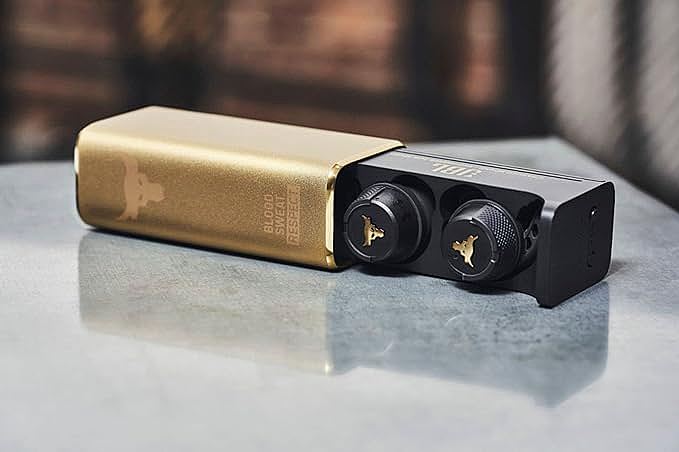
But why do some headphones feel like adrenaline, while others feel flat? The answer lies at the intersection of biomechanics, psychology, and audio engineering. The Under Armour True Wireless Flash (Project Rock Edition) serves as a perfect case study for this convergence. By dissecting its design, we can understand how engineers manipulate physics to hack the human performance system.
The Fortress of Focus: Biomechanics and IPX7
A workout is a hostile environment for electronics. It involves shock, vibration, sweat, and often rain. To survive, a device must be built like a fortress.
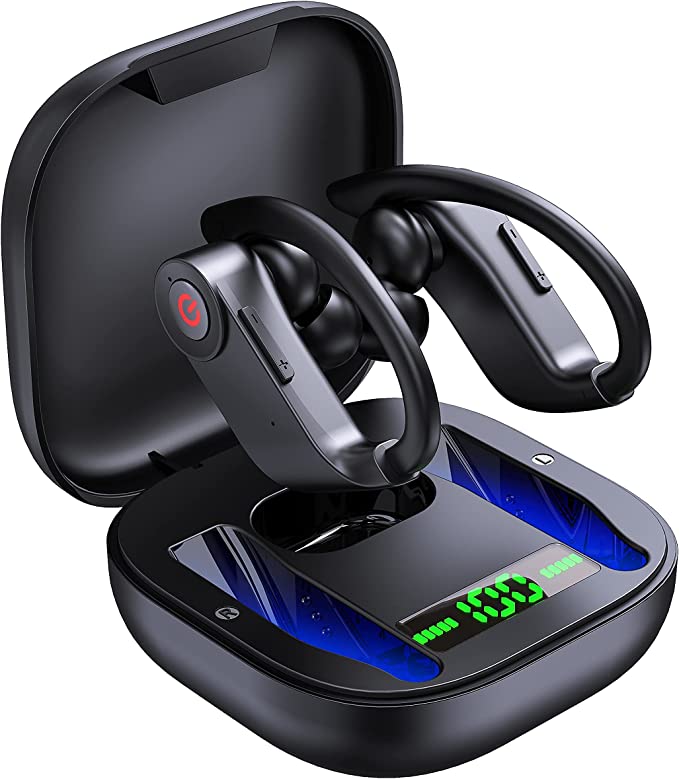
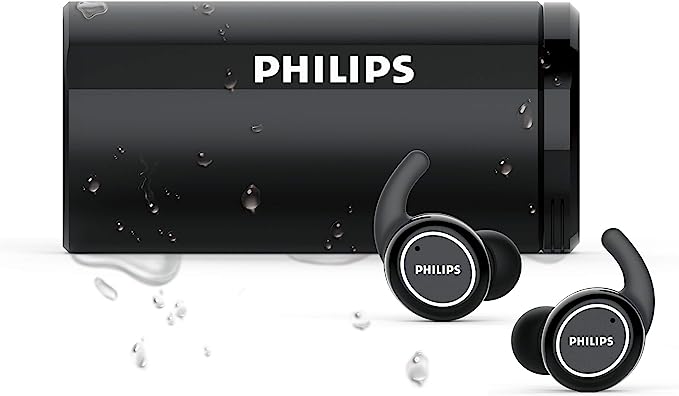
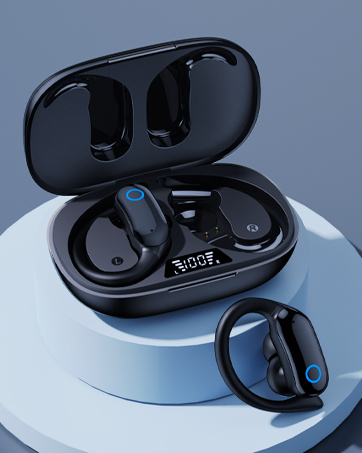
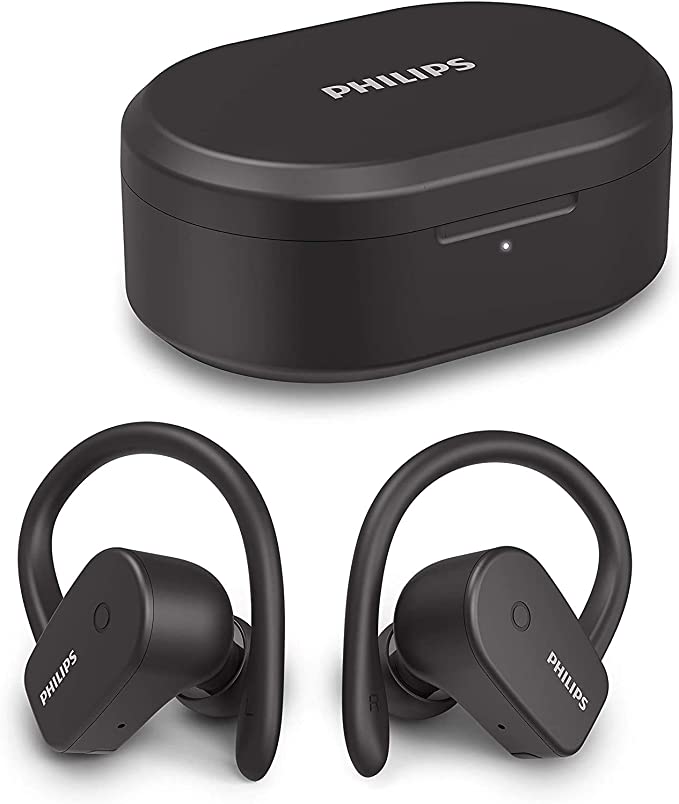
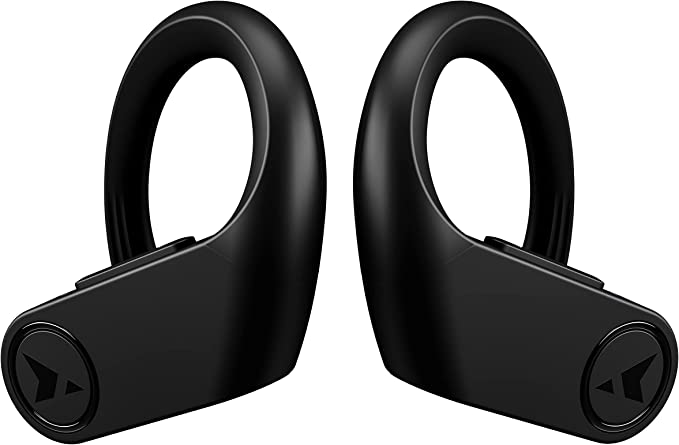
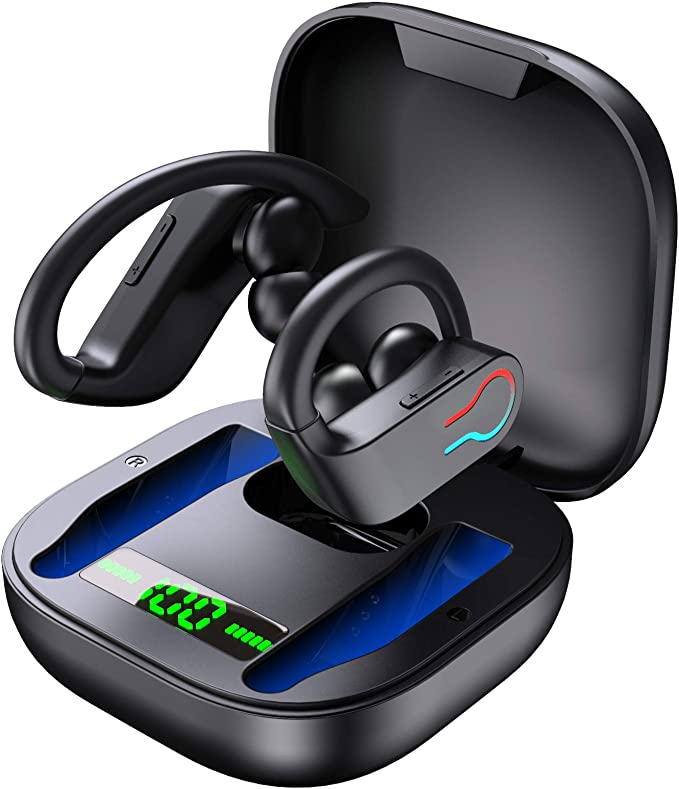
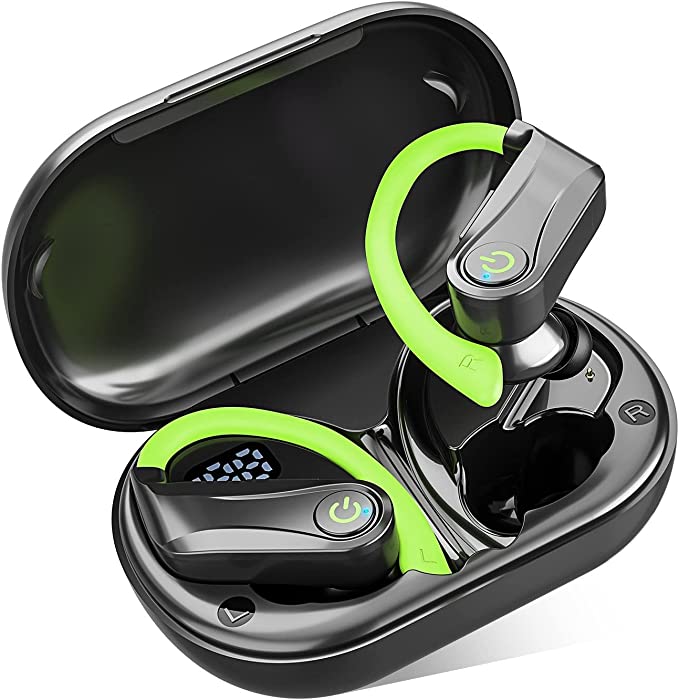
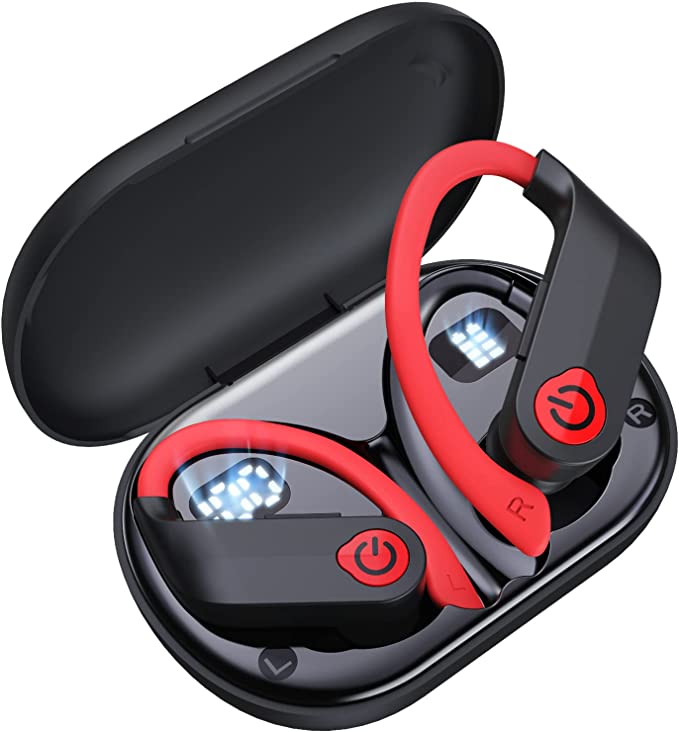
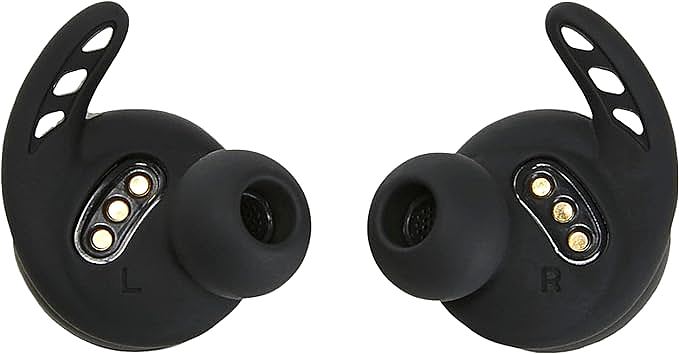
The first line of defense is mechanical. The “winged” ear tips are not just for comfort; they are a solution to inertial force. When a runner sprints or a lifter performs a clean-and-jerk, the head moves rapidly. A standard earbud relies on friction in the canal, which often fails under sweat and G-force. The wing tips mechanically lock into the concha (the bowl of the ear), using the ear’s own cartilage structure as an anchor.
The second line of defense is chemical. The IPX7 rating signifies that the device can withstand immersion in 1 meter of water for 30 minutes. This is achieved through precision gaskets and hydrophobic nano-coatings that repel water molecules at a microscopic level. It ensures that the salt in human sweat—which is highly conductive and corrosive—never touches the delicate circuitry inside.
The Guardian at the Gate: DSP and Ambient Aware
Isolation is dangerous for an athlete. Running on a road requires situational awareness. This creates a paradox: how do you block noise while letting the world in?
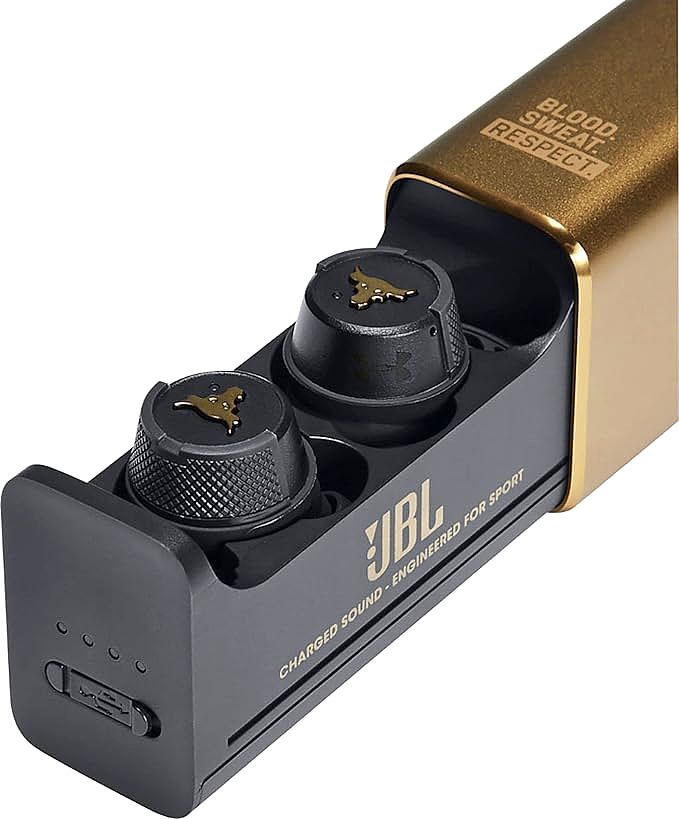
The solution is Digital Signal Processing (DSP). The headphones use external microphones to capture environmental sound. However, instead of simply playing it back, the DSP chip analyzes the signal. Features like “Talk-Thru” identify and amplify the specific frequency range of human speech (approx. 300Hz to 3400Hz) while ducking the music volume. “Ambient Aware” blends broader environmental cues (traffic, alarms) into the audio mix.
This requires near-zero latency processing. If the external sound arrives at the eardrum even a few milliseconds later than the visual cue, it creates cognitive dissonance. The DSP acts as a real-time audio mixer, seamlessly fusing reality with the digital soundtrack.
The Heartbeat of Power: Psychoacoustics and EQ
The core of the “Project Rock” experience is the sound signature. It is described as “Rock-Tuned,” but in engineering terms, it is an application of the Fletcher-Munson curves.
These curves describe how human hearing sensitivity changes with volume. In loud environments (like a gym), our ears naturally lose sensitivity to bass and treble frequencies. A “flat” or neutral headphone will sound thin and weak in a gym setting. To compensate, engineers apply a specific equalization curve that boosts the low-end (bass) and the upper-mids (attack).
This does more than just sound good; it triggers rhythmic entrainment. Neuroscientific research shows that the human motor cortex naturally synchronizes movement with auditory rhythms. A strong, boosted bass beat acts as a metronome for the nervous system, improving movement efficiency and reducing the Rate of Perceived Exertion (RPE). In simpler terms, the right sound curve makes hard work feel easier.
Conclusion: Audio as Equipment
We often think of headphones as accessories. But in the context of high performance, they are equipment. The UA True Wireless Flash demonstrates that when audio engineering aligns with human physiology, the result is more than just music. It is a tool that helps us push past our limits, turning the physics of sound into the psychology of strength.