The Physics of Bone Conduction: Engineering IPX8 Audio for Swimmers
Update on Feb. 10, 2026, 6:32 p.m.
For decades, the pursuit of personal audio has been a quest to refine the movement of air. Traditional headphones are miniature piston engines, pushing columns of air down the ear canal to vibrate the tympanic membrane. But what if the air itself is the obstacle? For athletes, particularly swimmers, the acoustic isolation of earplugs or the fluid dynamics of water creates a fundamental barrier to sound.
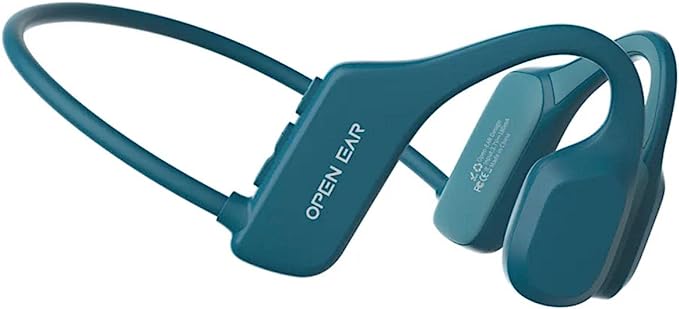
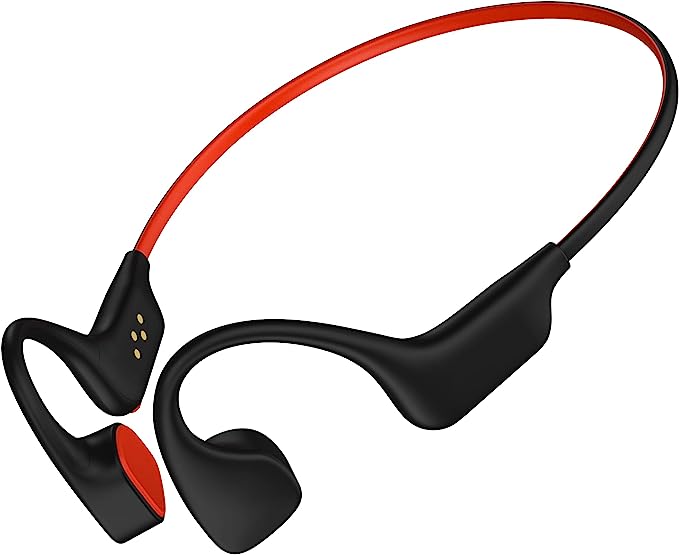
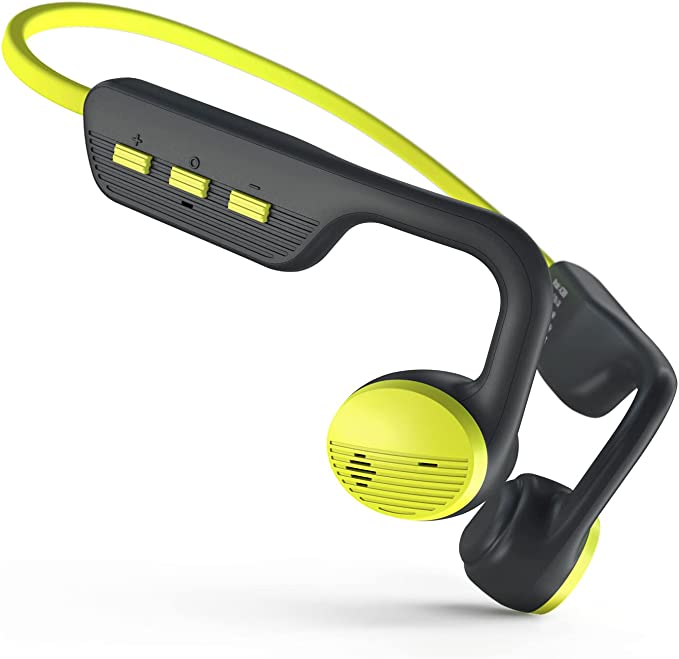
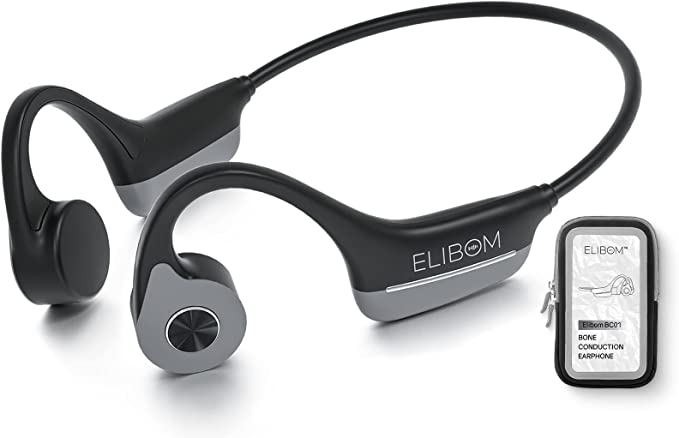
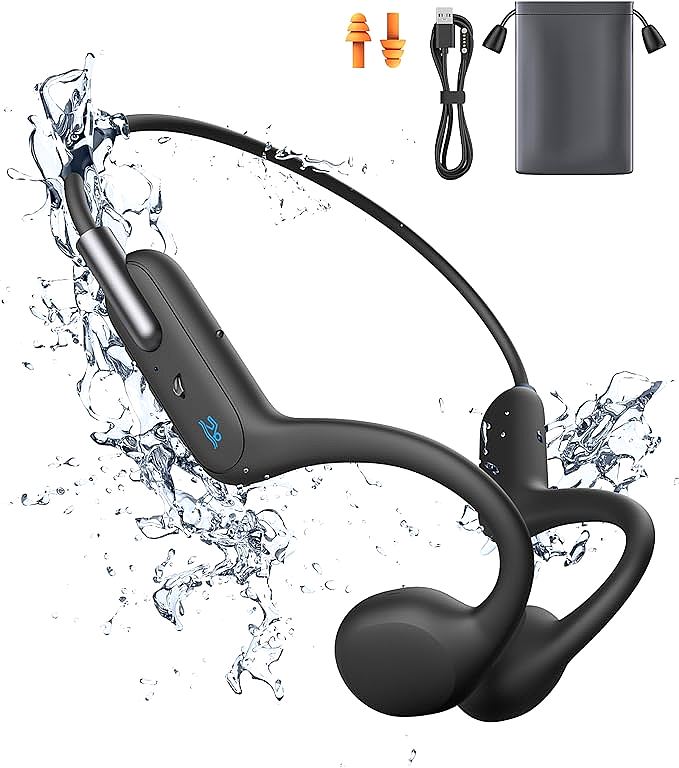
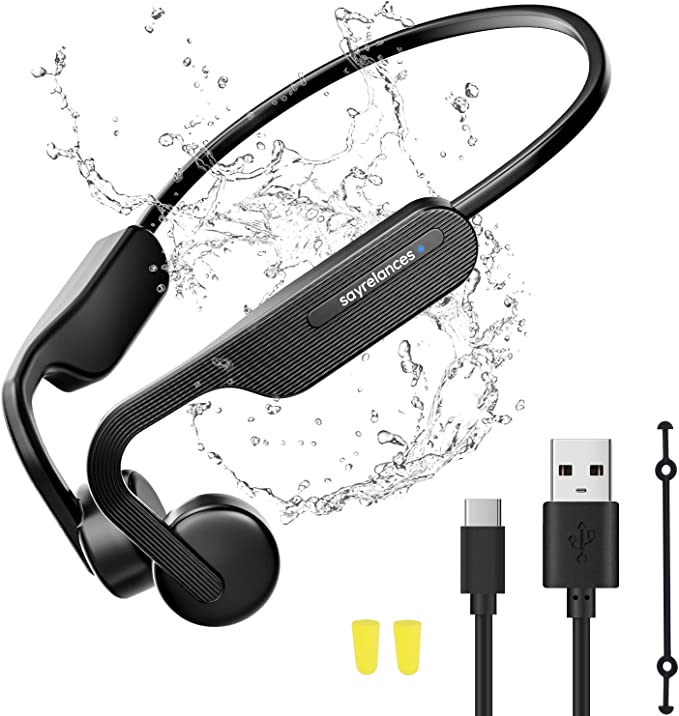
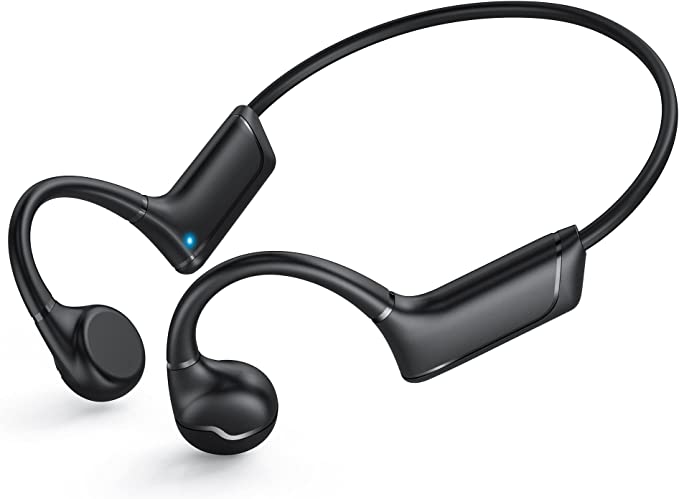
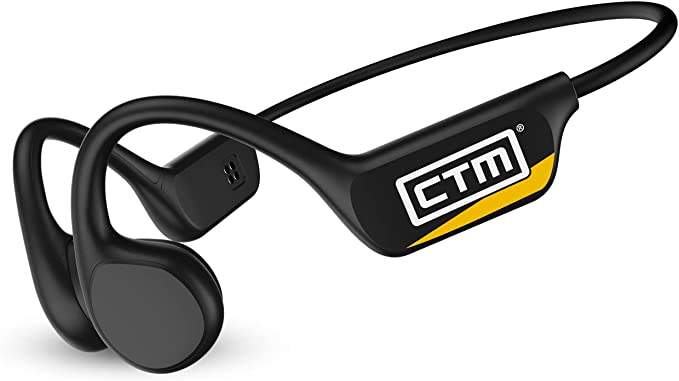
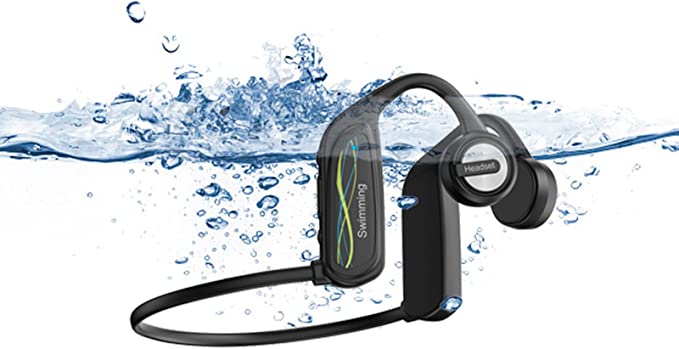
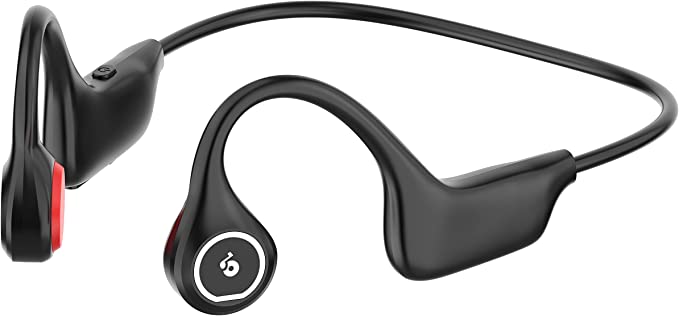
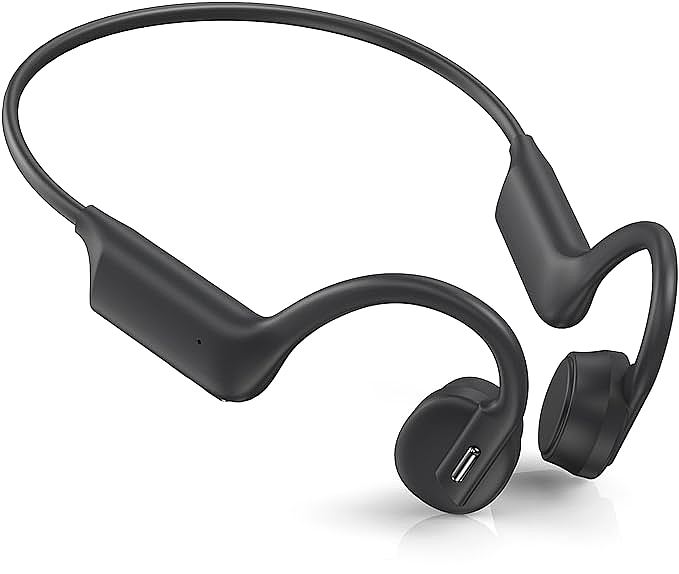
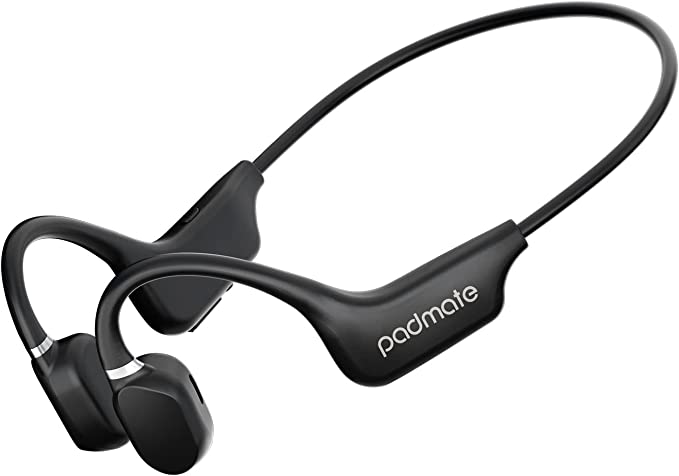
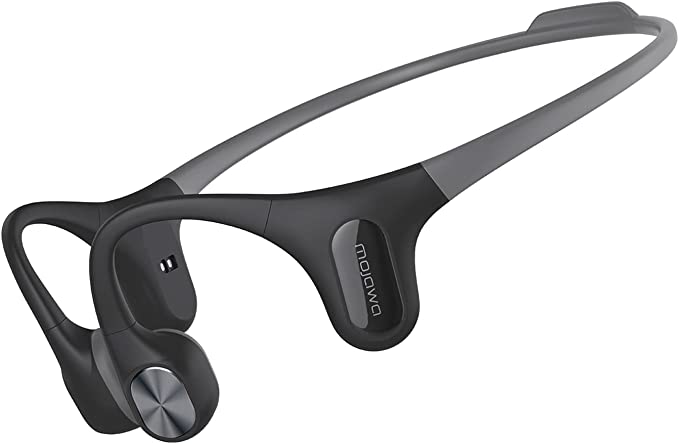
The solution lies not in moving air, but in vibrating the skull itself. Bone conduction technology bypasses the outer and middle ear entirely, transmitting sound as mechanical vibrations directly to the cochlea. The Sayrelances R20 PRO represents a sophisticated application of this principle, combining osteo-acoustic engineering with the rigorous demands of aquatic environments. By dissecting this device, we can understand the physics that allows music to exist where air does not.

Osteo-Acoustics: The Transducer Mechanism
At the core of the R20 PRO is the bone conduction transducer. Unlike a dynamic driver that uses a lightweight diaphragm to move air, a bone conduction transducer is an electromechanical vibrator designed to move mass.
The Mass-Spring System
The transducer operates on the principle of inertia. A magnetic coil drives a heavy mass back and forth. Because the device is pressed against the zygomatic arch (cheekbone), the inertia of this moving mass causes the entire housing to vibrate. * Direct Transmission: These vibrations propagate through the cranial bone density. The skull acts as a solid medium, conducting the sound waves directly to the fluid-filled cochlea. * Frequency Response: Bone is a denser medium than air, which affects how different frequencies travel. Lower frequencies (bass) require significant energy to vibrate the skull, which is why bone conduction often feels “lighter” on bass but excels at vocal clarity (mid-range frequencies).
This mechanism allows the open-ear design. Since the ear canal is not needed for sound transmission, it can be left open to hear ambient environmental cues—a critical safety feature for runners and cyclists—or plugged with earplugs to block out water noise while swimming.

Hydrodynamics and RF Physics: The Swimming Paradox
Water is an unforgiving medium for electronics. It introduces two major challenges: Ingress and Attenuation.
The IPX8 Standard
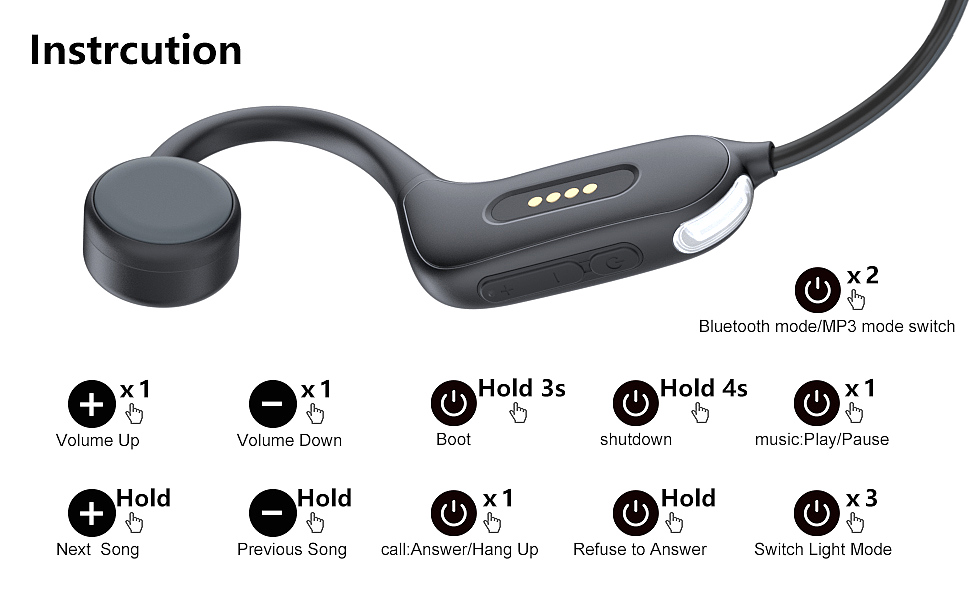
The R20 PRO boasts an IPX8 rating. In the IEC 60529 standard, the ‘8’ signifies continuous immersion capability beyond 1 meter. Achieving this requires more than tight seals; it demands a hermetically sealed architecture. * Magnetic Charging: Traditional USB ports are major ingress points. The R20 PRO uses magnetic pogo pins. This allows the charging interface to be completely external and flat, eliminating cavities where water could trapped or seals could fail. * Hydrophobic Coatings: Nano-scale coatings on internal PCBs ensure that even if microscopic moisture penetrates, it beads up without causing a short circuit.
The Faraday Cage Effect of Water
Why does the R20 PRO include 32GB of local MP3 storage? Because physics dictates that Bluetooth cannot work underwater.
Bluetooth operates at 2.4 GHz, a radio frequency that resonates with water molecules (the same principle used in microwave ovens). Water absorbs this RF energy incredibly efficiently. Just a few centimeters of water can attenuate the signal by tens of decibels, effectively killing the connection. Therefore, for a swimmer, the “wireless” connection must be severed, and the source file must move inside the headset itself.
Material Science: The Memory Alloy Frame
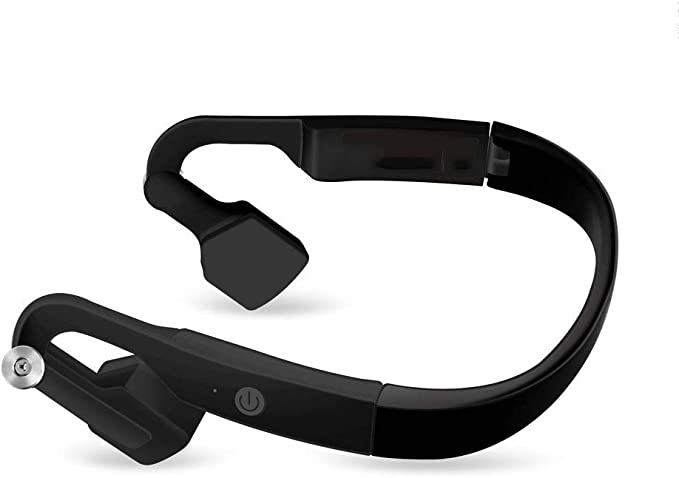
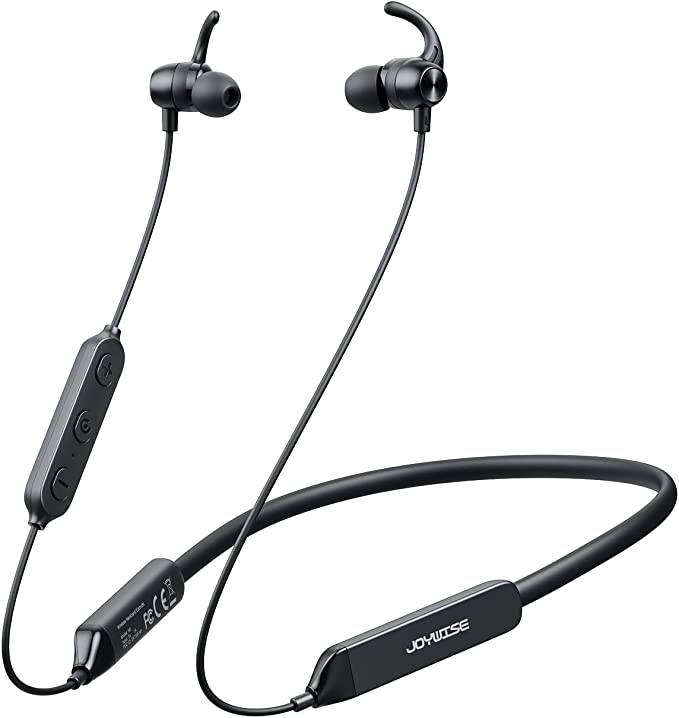
Athletic gear is subjected to cyclic stress—constant bending, twisting, and shock. Rigid plastics fracture under these loads. The R20 PRO utilizes a memory alloy (likely Titanium-Nickel) for its neckband.
- Superelasticity: Memory alloys can undergo significant deformation (strain) and return to their original shape without plastic deformation (permanent bending). This ensures the headset maintains a consistent clamping force on the cheekbones—crucial for the transmission of vibrations—regardless of head size or movement intensity.
- Silicone Cladding: The alloy is encased in medical-grade silicone. This provides the necessary friction to keep the device stable against sweat or water, preventing the transducer from sliding off the “sweet spot” on the cheekbone.
Conclusion: Solving the Aquatic Audio Equation
The Sayrelances R20 PRO is not just a headphone; it is a solution to a specific set of physical problems. It overcomes the acoustic barrier of water using bone conduction, defeats the ingress of liquid with IPX8 engineering, and circumvents the RF absorption of water by integrating local storage. For the multisport athlete, it represents a tool where the physics of sound and the physics of the environment are finally in harmony.