The Reliability of Simplicity: Engineering for the Real World
Update on Feb. 1, 2026, 2:53 p.m.
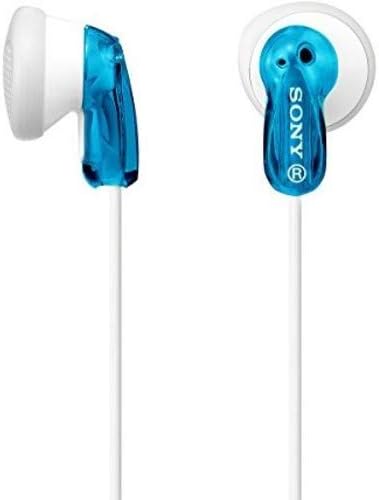
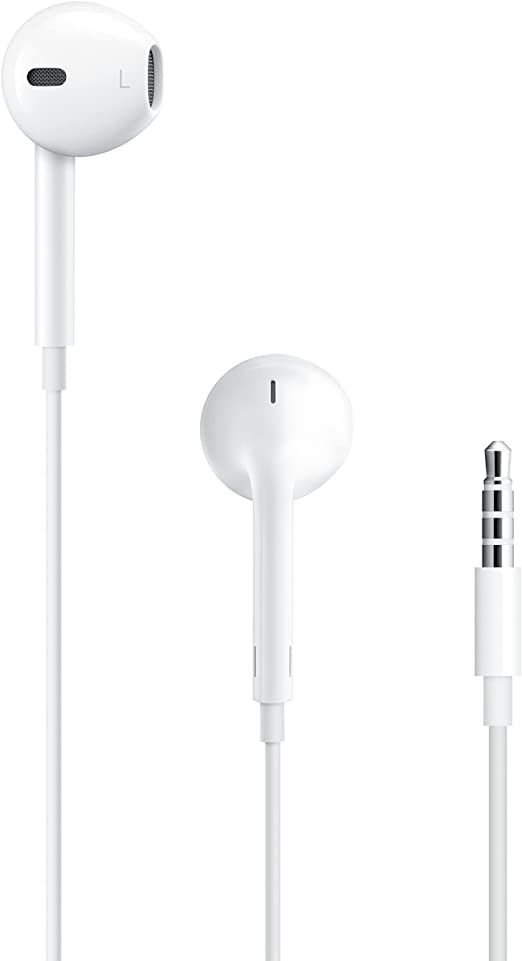
In an age defined by “battery anxiety”—the constant low-level stress of monitoring charge levels on phones, watches, and cars—a passive, wired device offers a rare luxury: absolute reliability. The wired stereo headset, exemplified by the ubiquitous Sony MDR-E9LP, is an engineering study in minimalism. By removing the battery, the Bluetooth radio, the DAC (Digital-to-Analog Converter), and the amplifier from the headphone itself, the failure points are drastically reduced. This is “High Availability” hardware in its simplest form.
The Physics of the Copper Wire: Zero Latency
While wireless protocols have improved, they are bound by the laws of digital processing. A Bluetooth signal must be encoded, compressed, transmitted, received, decompressed, and converted to analog. This process inevitably introduces latency—a delay between the source and the sound.
A wired connection, conversely, relies on the speed of electron flow through copper, which is a significant fraction of the speed of light. For all practical human purposes, this is instantaneous. For gaming, video editing, or watching movies where lip-sync is critical, the physics of a physical wire remains unbeatable. The MDR-E9LP acts as a pure conduit, delivering the electrical signal exactly as it leaves the source device, without the “lossy” compression algorithms (like SBC or AAC) that discard audio data to save bandwidth.
Ergonomics: Avoiding the Occlusion Effect
One of the most common complaints with modern in-ear headphones is the “Occlusion Effect.” This is the booming, hollow sound of your own voice, chewing, or footsteps that occurs when the ear canal is plugged. It happens because bone-conducted vibrations cannot escape the ear canal and bounce back against the eardrum.
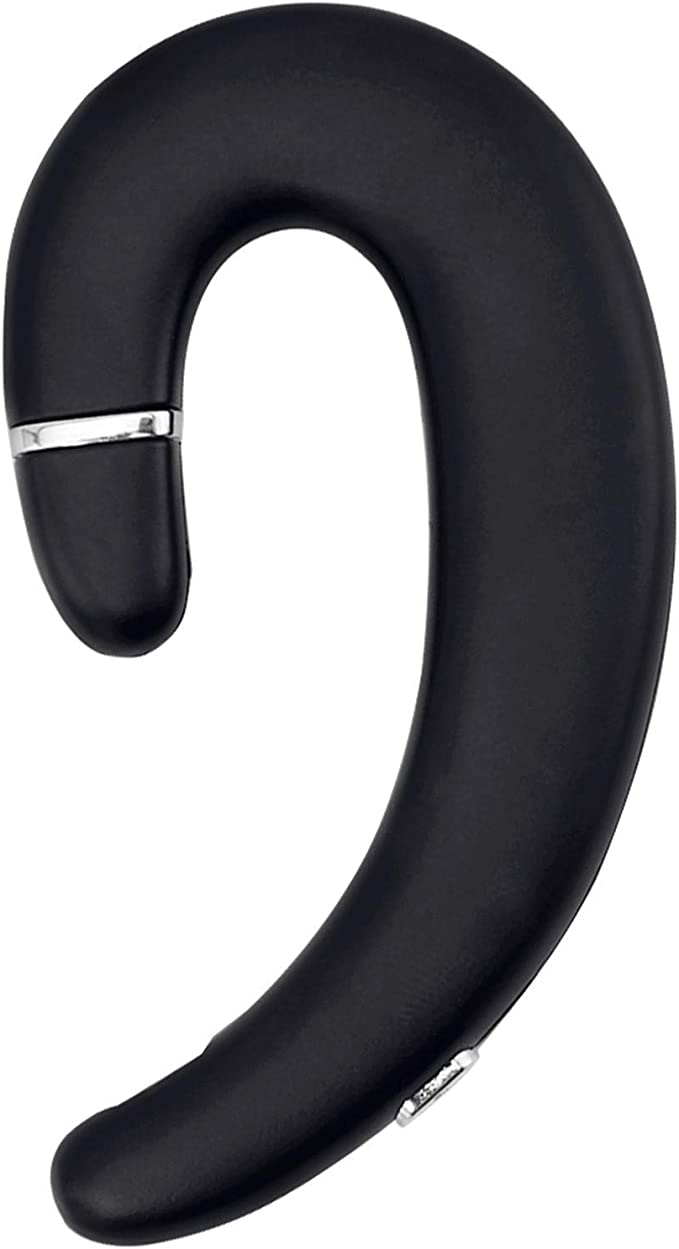
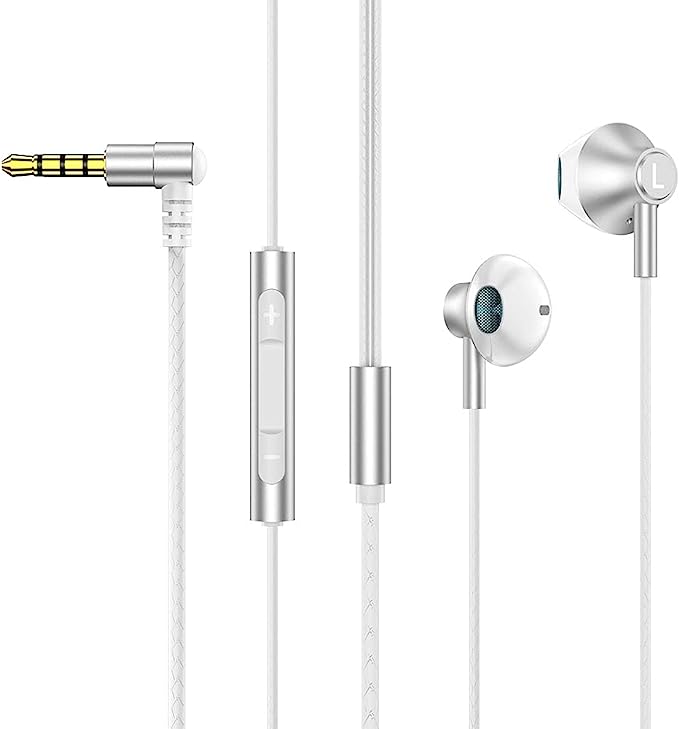
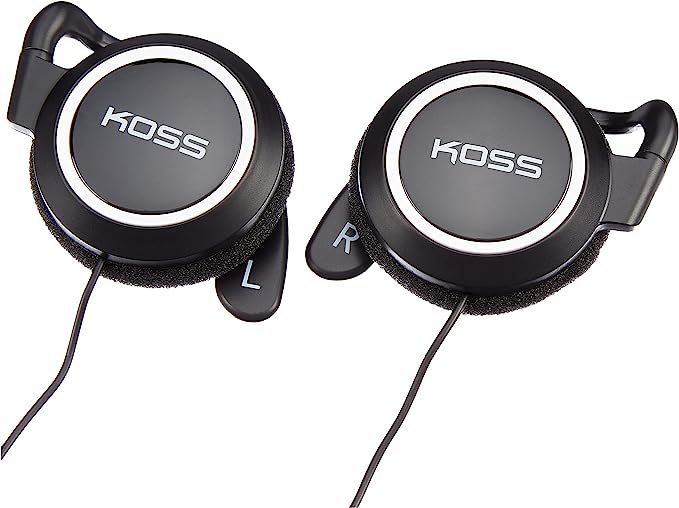
The structural design of the MDR-E9LP avoids this entirely. By sitting outside the canal, it allows these low-frequency internal vibrations to dissipate into the air. This makes them significantly more comfortable for tasks that involve speaking, such as voice calls or singing along to music. The “super lightweight” 1.44-ounce construction further reduces the inertia of the device, meaning it is less likely to bounce or shift during movement compared to heavier, battery-laden wireless earbuds.
Durability and Material Science
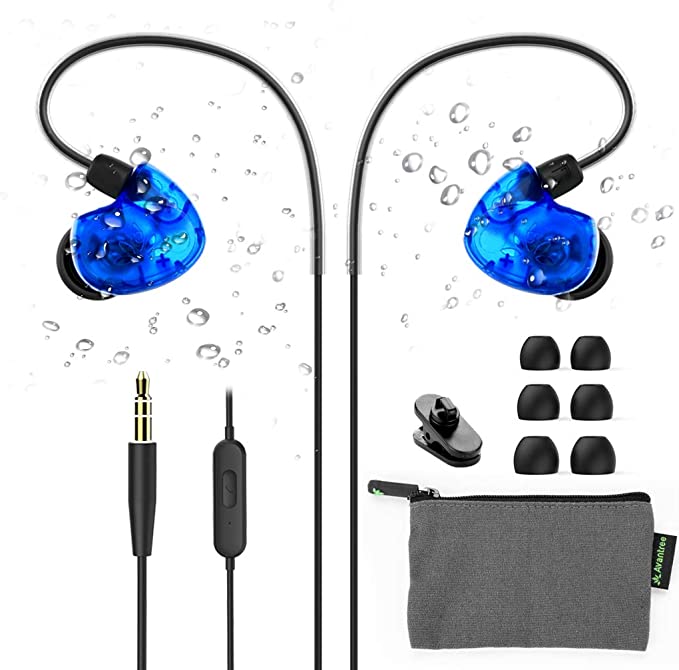
The “tangle” is the legendary nemesis of the wired headphone user. However, the material science behind the cable is a deliberate engineering trade-off. The MDR-E9LP typically uses a soft Thermoplastic Elastomer (TPE) coating. This material is chosen for its flexibility and high fatigue resistance. A stiffer cable would tangle less but would be prone to “micro-cracking” and failure after repeated bending. Sony’s choice prioritizes the lifespan of the conductor over the convenience of the user, ensuring the product survives being stuffed into pockets and bags for years. The L-shaped 3.5mm plug is another nod to durability, designed to distribute strain more effectively than a straight plug when the device is in a pocket, reducing the torque applied to the delicate internal solder joints.
Industry Implications: The Durable Disposable
The MDR-E9LP occupies a unique market position: the “durable disposable.” It is priced low enough to be replaced without thought, yet engineered well enough to last for years. This defies the modern trend of high-cost, limited-lifespan electronics (where batteries degrade after 2-3 years). It serves as a reminder to the industry that a well-engineered physical solution often provides a better user experience—and a longer service life—than a complex digital one.