Designed for Motion: The Ergonomics and Physics of Portable Audio
Update on Feb. 1, 2026, 2:53 p.m.
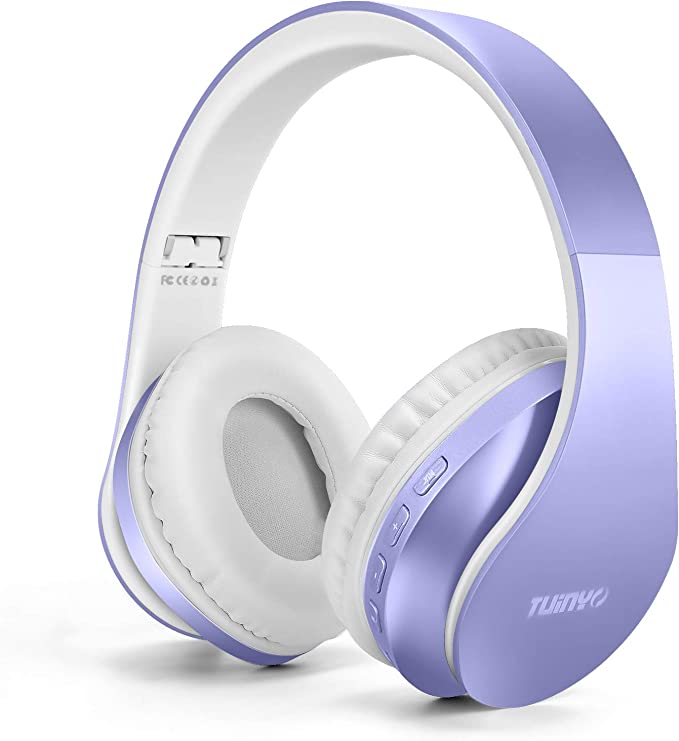
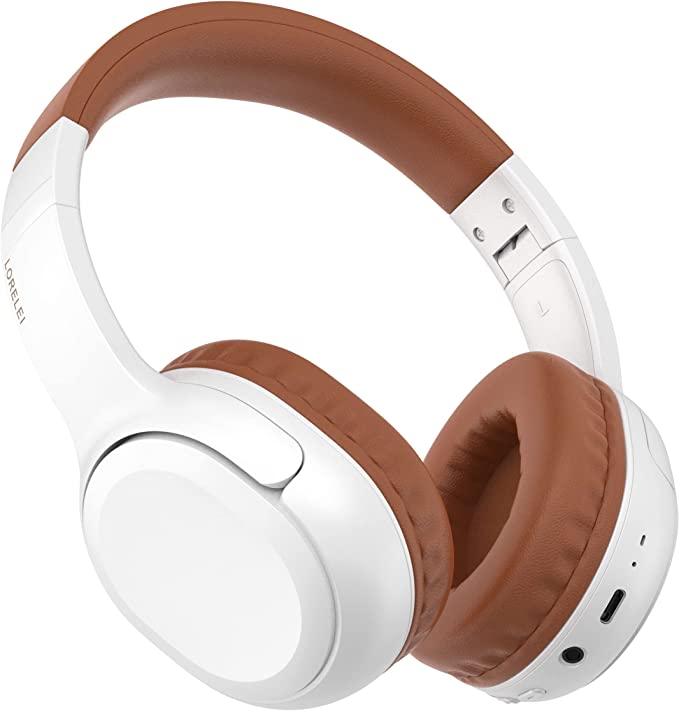
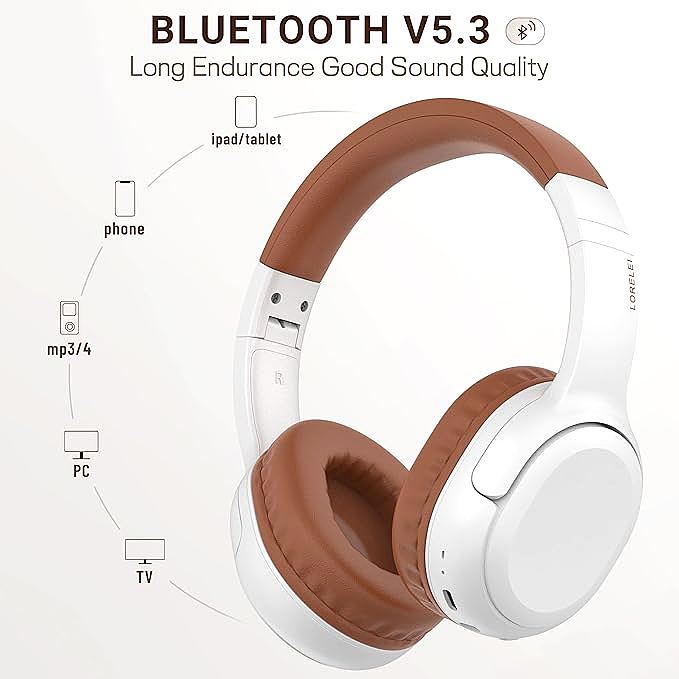
In the realm of wearable technology, weight is the enemy. Every gram adds to the inertia of the device, creating momentum that must be counteracted by clamping force. If a headphone is too heavy, it requires a tight, uncomfortable grip to stay in place. If it is too light, it may feel flimsy. The “Goldilocks zone” for portable audio lies in balancing structural rigidity with minimal mass. The LORELEI B-C5 exemplifies this balance, utilizing a lightweight chassis and a foldable mechanism to cater to a lifestyle in constant motion.

The Physics of 174 Grams
The B-C5 weighs in at approximately 174 grams (6.1 ounces). To put this in perspective, this is significantly lighter than the average over-ear audiophile headphone, which often exceeds 300 grams. This reduction in mass is critical for “dynamic stability.”
When a user walks, runs, or turns their head, the headphones experience centripetal force. A heavier object at the end of the lever arm (the headband) generates more torque, pulling the headphones away from the ears. By minimizing the mass of the ear cups, the B-C5 reduces this torque. Consequently, the headband requires less clamping force to maintain a secure fit. This reduction in clamping pressure directly correlates to comfort, allowing the user to wear the device for hours without experiencing the “vice-grip” headache often associated with heavier portable audio gear.
The Mechanics of the Hinge
Portability is defined by volume as much as weight. The defining feature of foldable wireless headphones is the hinge mechanism. This component is a single point of failure that must withstand thousands of cycles of stress.
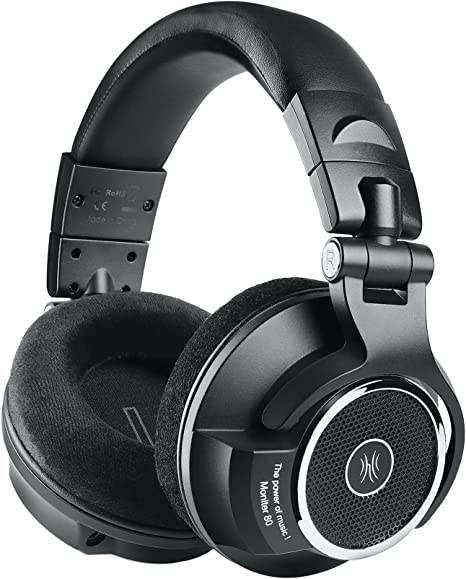
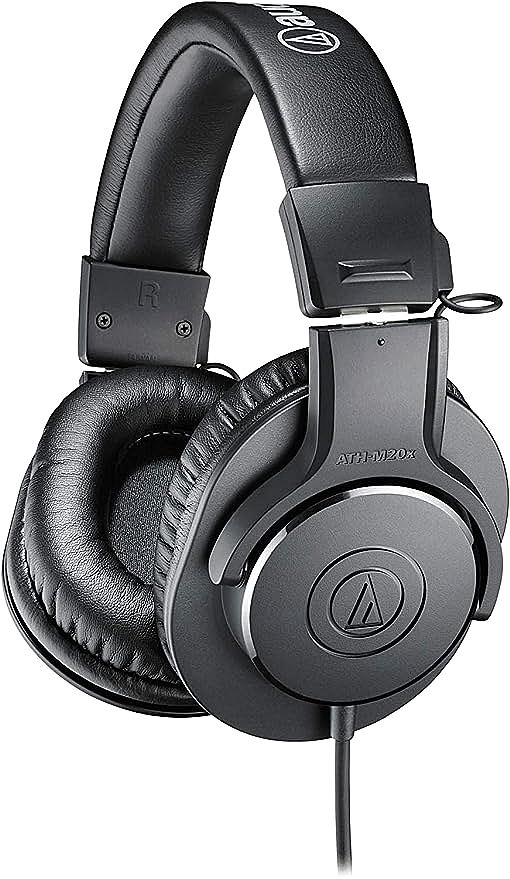
The B-C5 employs a dual-articulation design. The ear cups can swivel to lay flat (reducing the Z-axis profile) and fold inward toward the headband (reducing the X- and Y-axis footprint). This kinematic chain transforms the headphones from a bulky wearable into a compact, dense object that fits easily into a bag or coat pocket. The engineering challenge here is friction management; the hinges must offer enough resistance to hold their shape during use but move smoothly when force is applied for storage.
Passive Noise Isolation: The Ear Pad Interface
While Active Noise Cancellation (ANC) uses electricity to cancel sound, passive noise isolation uses physics to block it. The B-C5 relies on the material properties of its ear pads to create a barrier against environmental noise.
The pads are typically constructed from a viscoelastic foam (memory foam) covered in a protein leatherette. The foam conforms to the irregular topography of the human ear, creating a seal. This seal is the first line of defense against high-frequency noise (like chatter or tire hiss). The efficacy of this isolation depends on the “acoustic impedance” of the materials—how much resistance they offer to the transmission of sound waves. By coupling soft, dense foam with a flexible covering, the headphones physically dampen the energy of incoming sound waves before they reach the ear canal.

Industry Implications: The Return to Minimalism
The popularity of devices like the LORELEI B-C5 signals a consumer shift away from over-engineered complexity towards functional minimalism. Users are prioritizing physical comfort and practical utility—lightweight materials, reliable folding mechanisms, and simple passive isolation—over bulky, feature-laden alternatives. This trend pushes manufacturers to innovate in materials science and mechanical design, ensuring that the “basic” headphone is anything but basic in its engineering.