The Science of Retro-Futurism: Deconstructing the ASIMOM T82
Update on Feb. 10, 2026, 7:43 p.m.
For decades, the ritual of listening to music began with a struggle: the untangling of wires. It was a physical barrier between the listener and the sound. The transition to wireless audio has removed this friction, but in doing so, it has introduced new complexities. We have traded copper cables for radio waves and batteries.
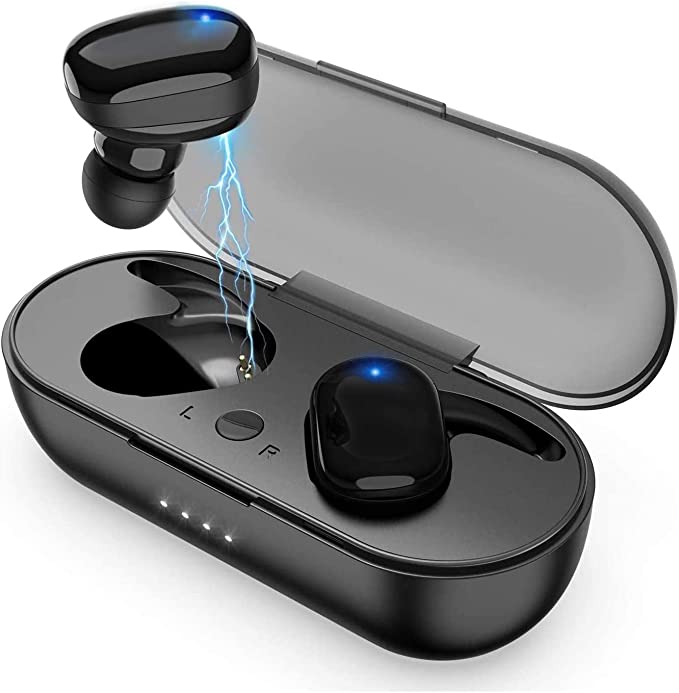
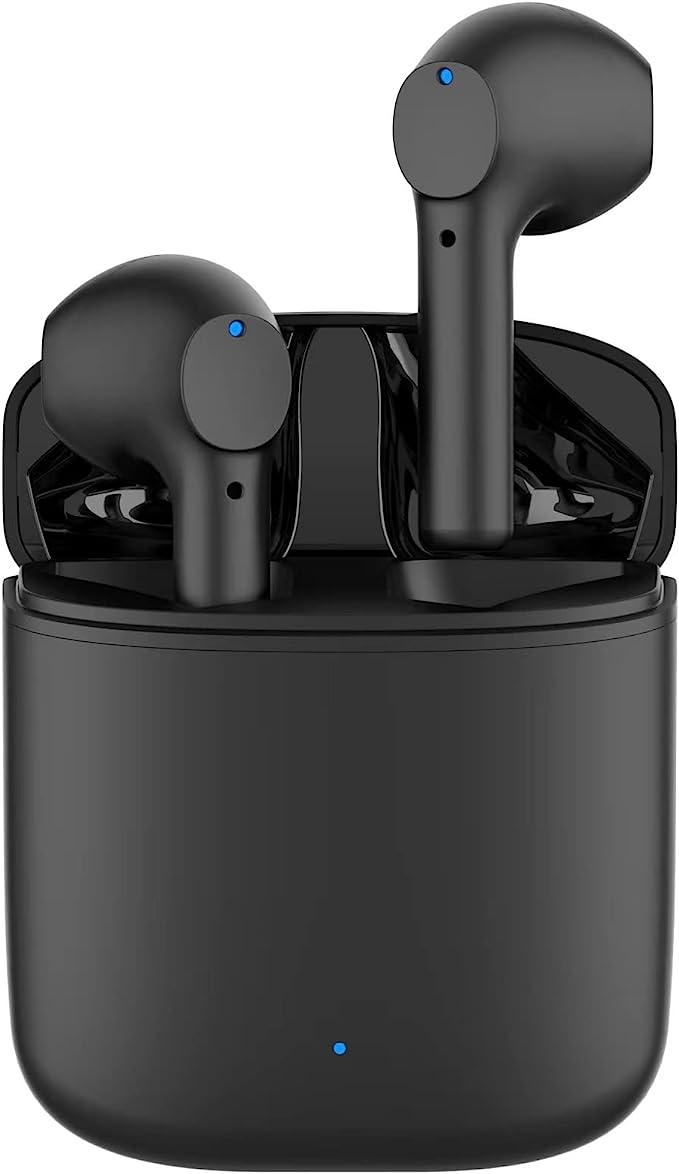
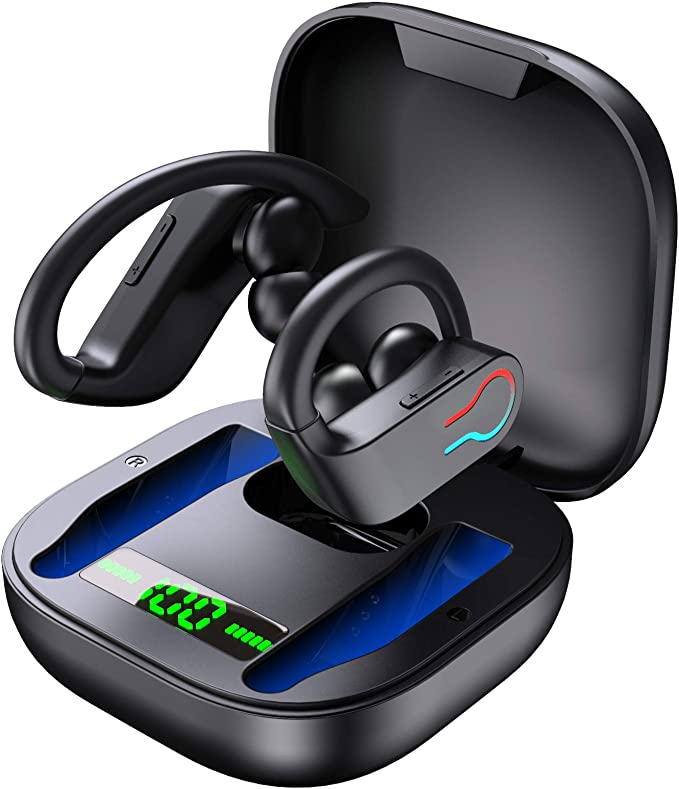
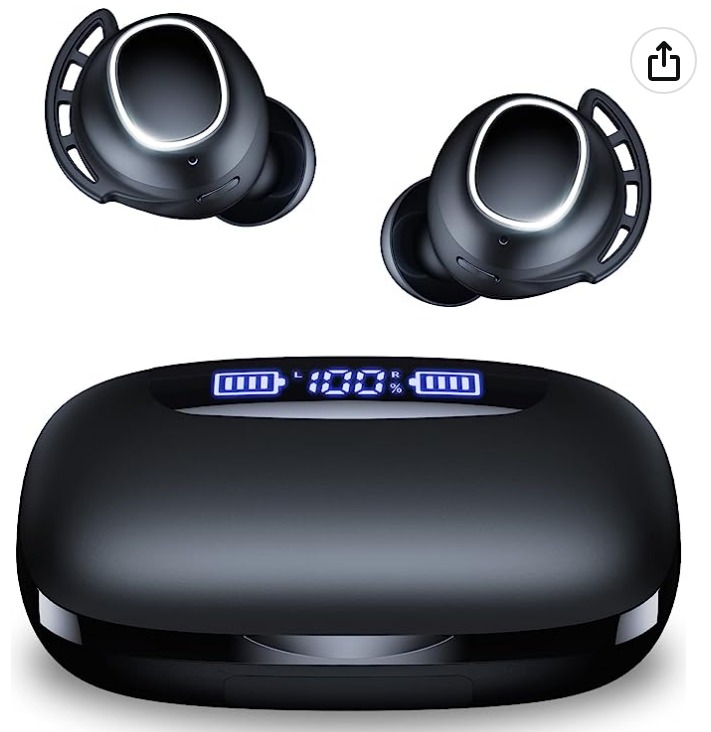
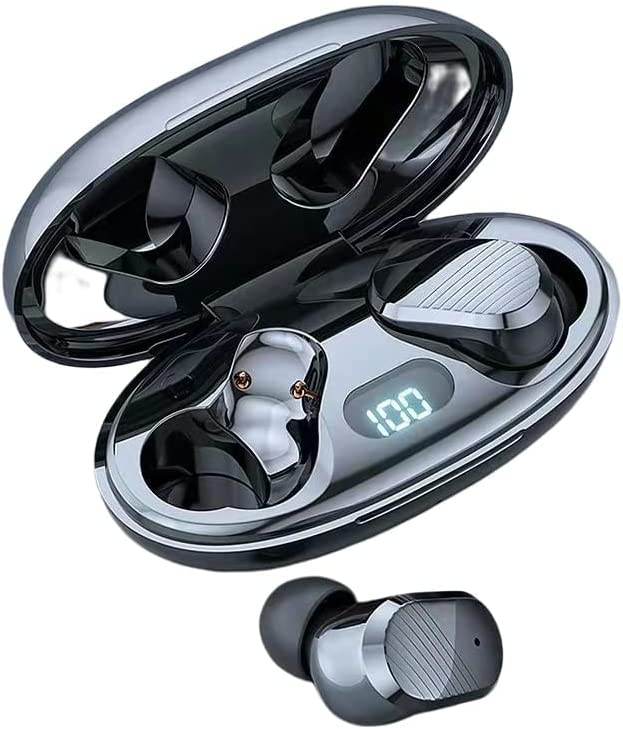
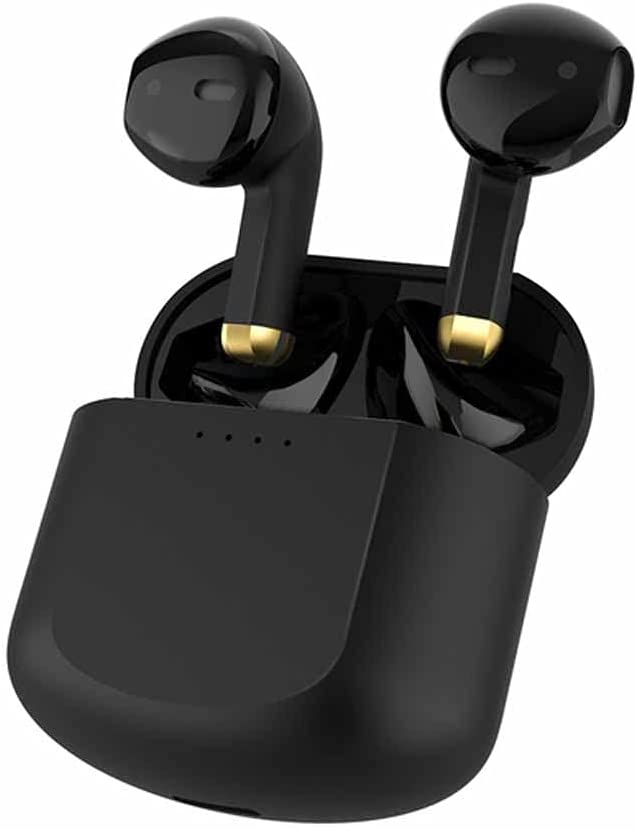
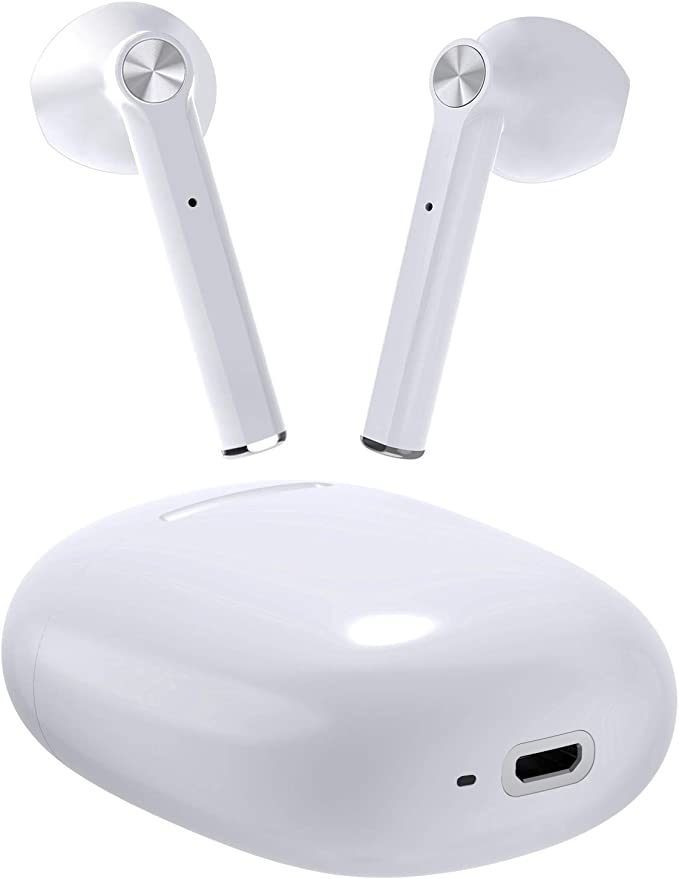
The ASIMOM T82 Retrobuds represent an interesting intersection in this evolution. They package modern wireless technology—Bluetooth 5.0, capacitive touch, lithium-ion power—inside a shell that deliberately evokes the aesthetic of the past. But beneath the “retro” branding lies a series of engineering choices designed to solve the fundamental problems of portable audio.
The Physics of “Big Sound”: 13mm Drivers
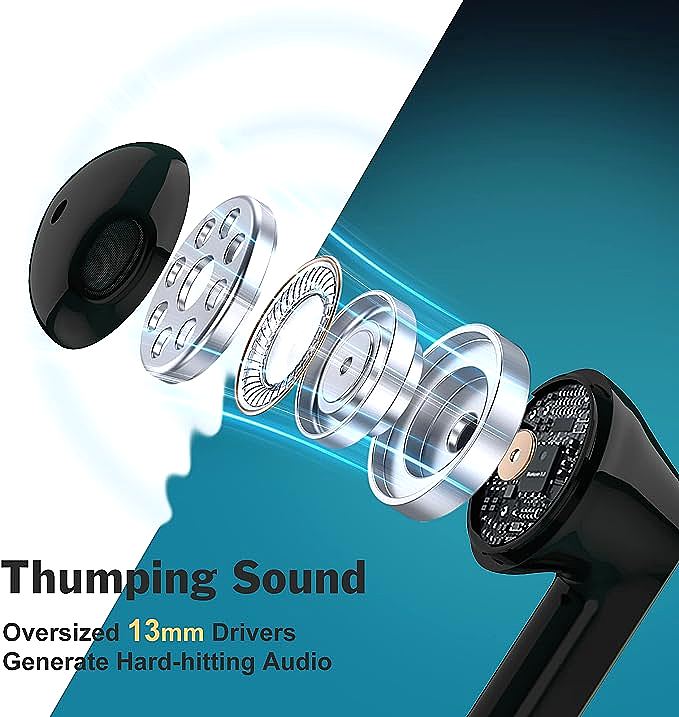
In the world of micro-acoustics, size matters. The T82 utilizes a 13mm dynamic driver, which is significantly larger than the 6-8mm drivers found in many budget earbuds. This choice is dictated by the physics of air displacement.
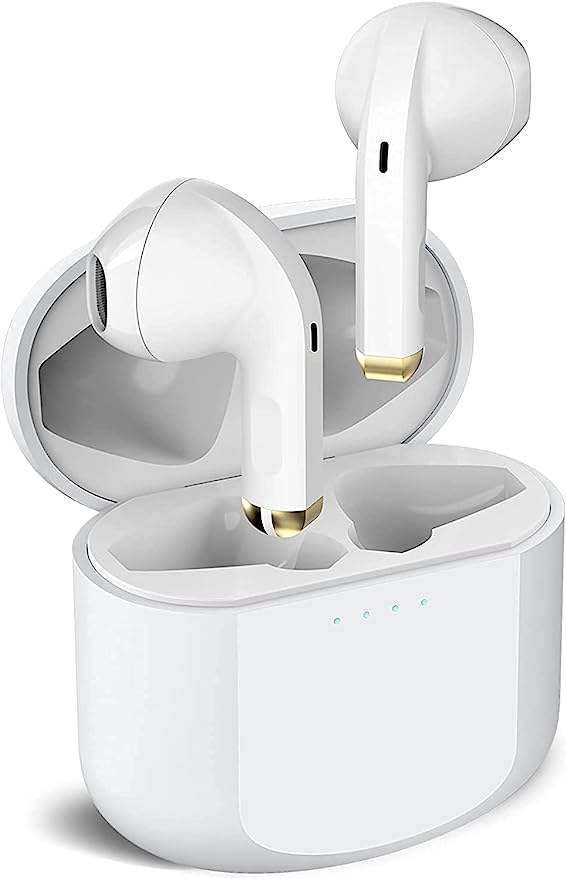
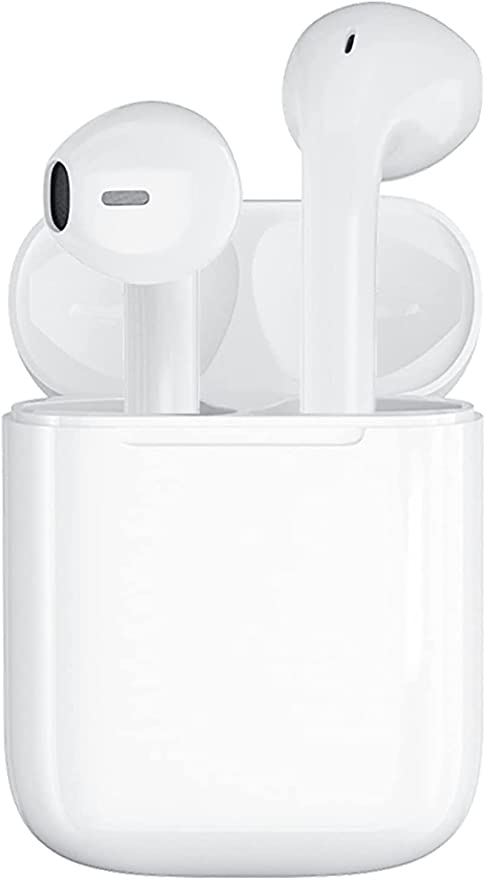
The T82 features a semi-in-ear design. Unlike silicone-tipped buds that seal the ear canal, these rest in the outer ear (concha). While this improves comfort by eliminating ear canal pressure, it prevents the formation of a pressurized acoustic chamber. Without that seal, low-frequency sound waves (bass) tend to escape into the environment.
To compensate, engineers use a larger 13mm diaphragm. A larger surface area moves a greater volume of air with every vibration. This increased displacement allows the driver to generate enough low-end energy to overcome the acoustic leakage inherent in the open design, delivering a sense of bass impact without needing a tight seal.
The Invisible Highway: Bluetooth 5.0
The stability of the T82 relies on Bluetooth 5.0. Compared to its predecessor (4.2), Bluetooth 5.0 doubles the data transfer speed and quadruples the range. For audio, this translates to connection robustness.
In a crowded environment like a subway or gym, the 2.4GHz frequency band is saturated with interference from Wi-Fi routers and other phones. Bluetooth 5.0’s improved error correction and channel hopping algorithms allow the earbuds to maintain a stable link with the phone, preventing the stuttering or dropouts that plagued early wireless devices. It also reduces latency, ensuring that the audio syncs correctly with video, a crucial factor for a multimedia device.

The Utility of the LED Display
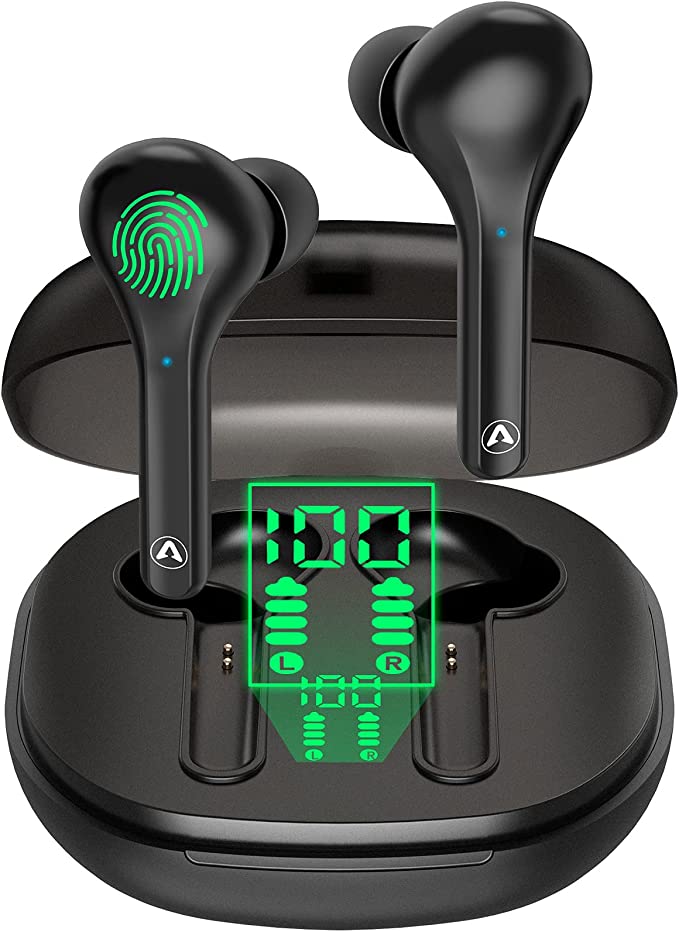
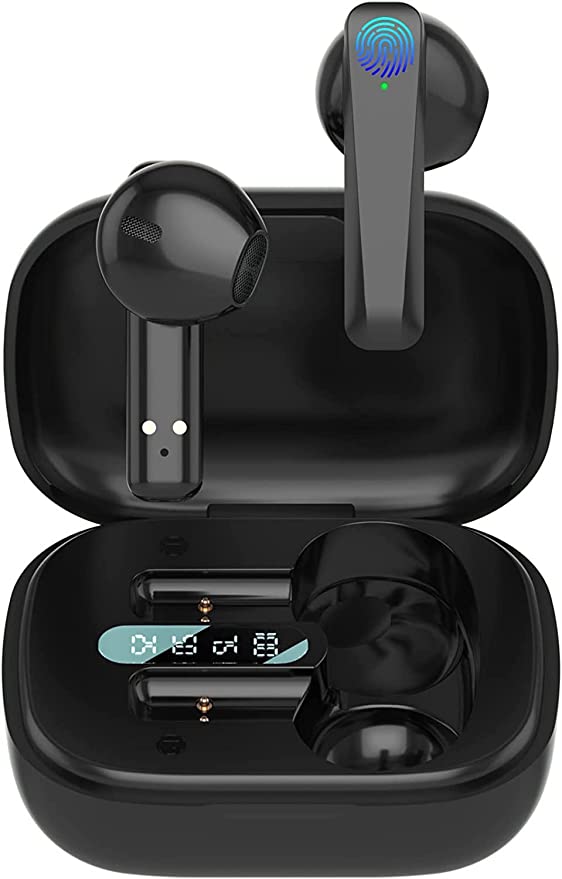
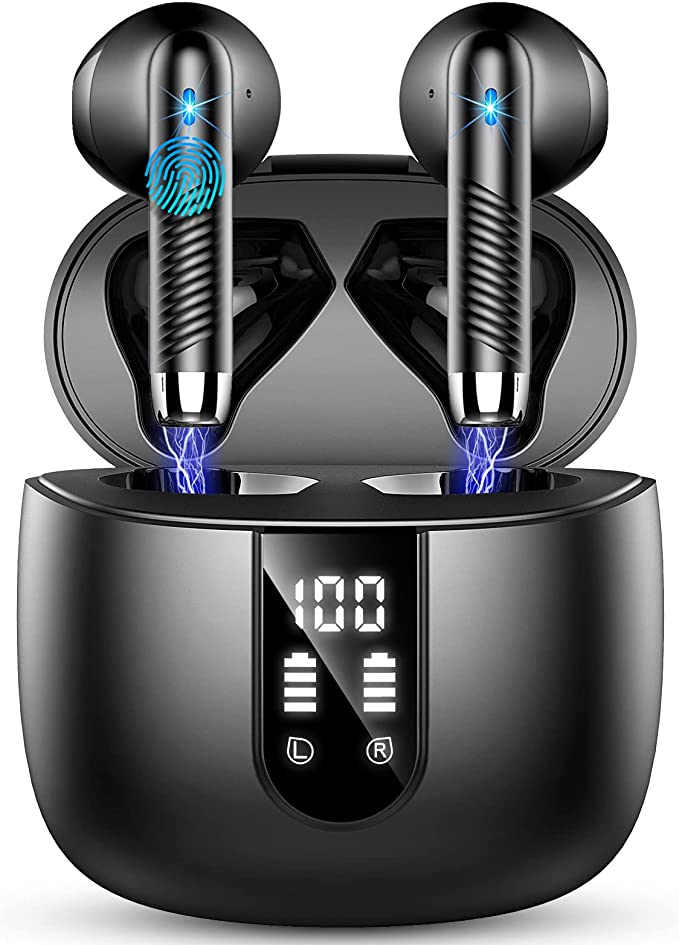
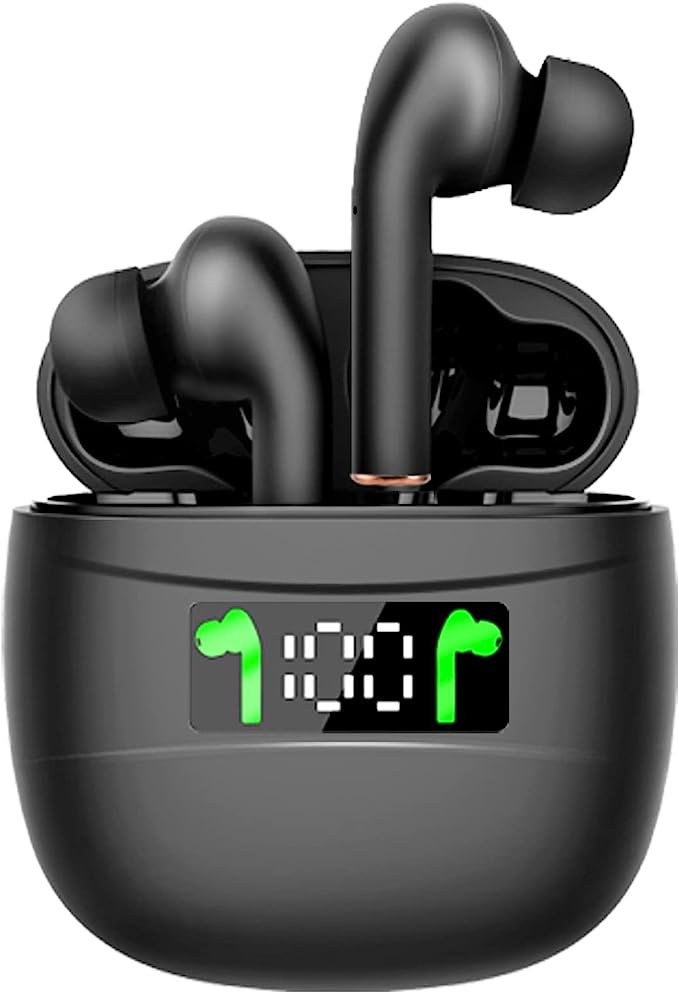
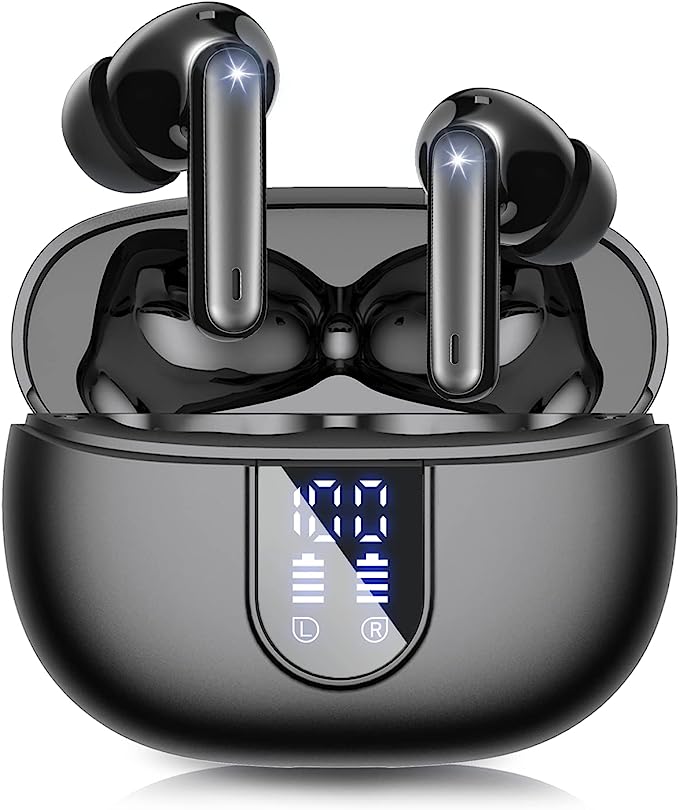
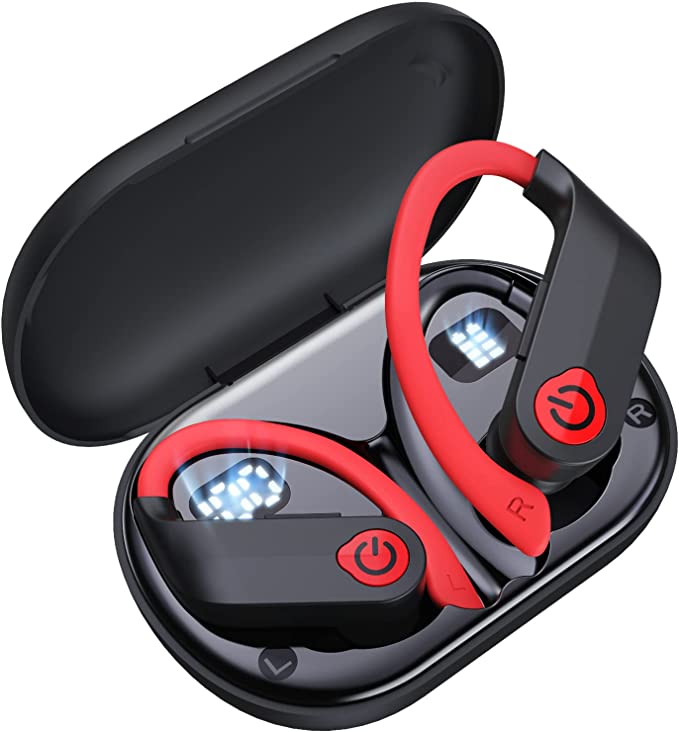
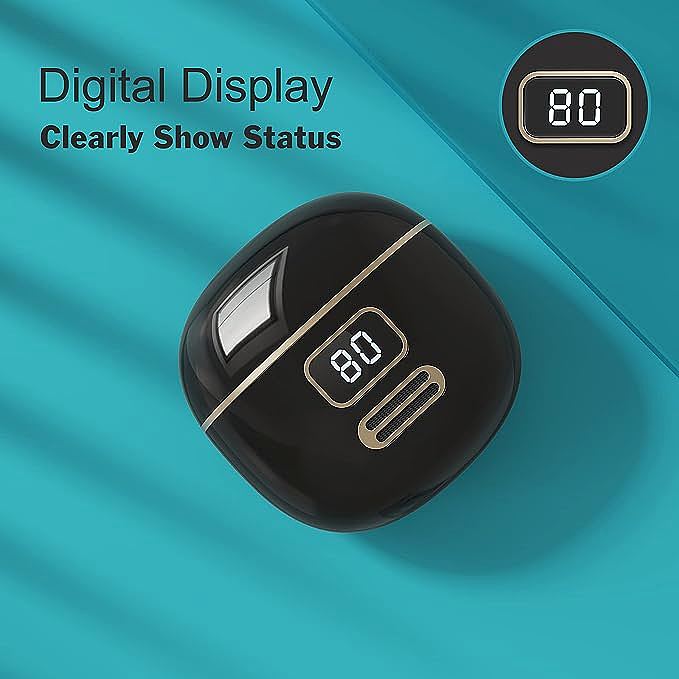
One of the most distinctive features of the T82 is the external LED power display. In an era of minimalism where most devices hide their status, this “retro” feature offers significant utility.
Lithium-ion batteries have a finite lifespan, measured in charge cycles. Anxiety about battery life (“range anxiety”) is a common user pain point. By providing a precise, numerical readout of the case’s remaining charge, the T82 removes the ambiguity of a single blinking light. It allows the user to manage the 400mAh capacity of the case effectively, ensuring that the charging cycle is optimized and the user is never caught with a dead device.
Hydrophobic Engineering: IPX6
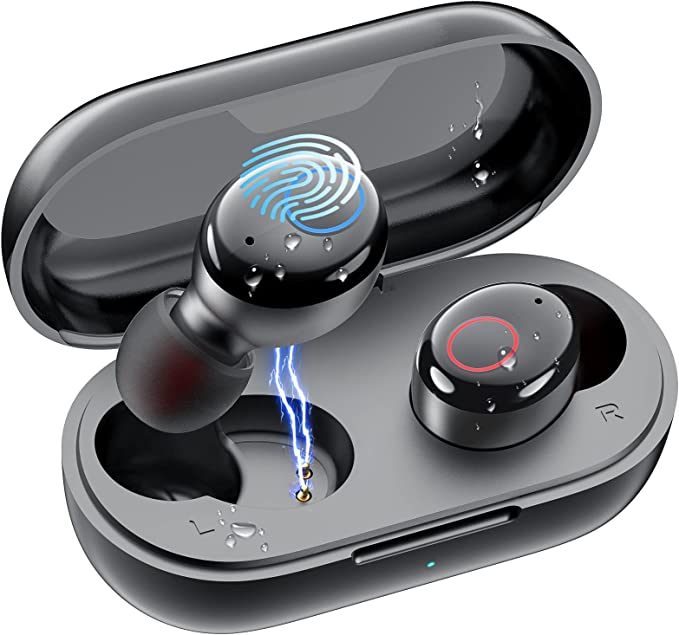
Durability is ensured by an IPX6 rating. The ‘X’ indicates it hasn’t been rated for dust, but the ‘6’ is significant. It means the device can withstand high-pressure water jets from any direction.
This is achieved through tight mechanical tolerances and hydrophobic coatings. Internal components are often treated to repel moisture, ensuring that sweat—which contains corrosive salts—does not bridge electrical contacts or degrade the delicate voice coil of the driver. While not suitable for swimming (which requires IPX7 or IPX8), IPX6 is more than sufficient for the most intense terrestrial workouts.
Conclusion: Accessible Engineering
The ASIMOM T82 Retrobuds demonstrate that advanced technology doesn’t have to be inaccessible. By combining large drivers for physics-based bass enhancement, efficient Bluetooth protocols, and practical user interfaces like the LED display, they offer a compelling mix of style and substance. It is a reminder that good engineering is about solving problems—whether that’s the problem of wires, the problem of bass leakage, or simply the problem of knowing how much battery you have left.