The Physics of Awareness: Why Open-Ear Acoustics Matter for Athletes
Update on Feb. 10, 2026, 7:02 p.m.
For the modern urban runner or cyclist, the environment is a dynamic, high-stakes variable. A sudden lane change, a siren, or the crunch of tires on gravel—these are not just background noises; they are critical data points. Yet, the prevailing trend in audio technology has been towards total isolation. By sealing the ear canal with silicone, we create a pristine sonic canvas, but we effectively blindfold our auditory system.
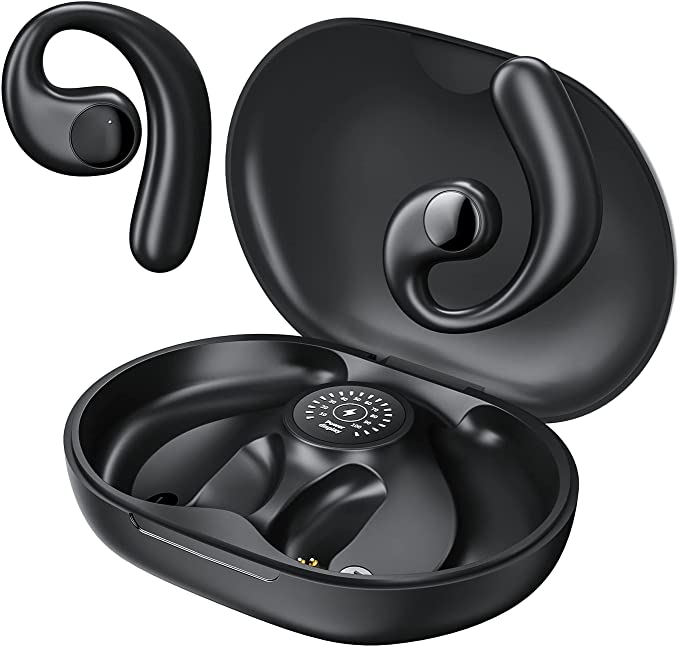
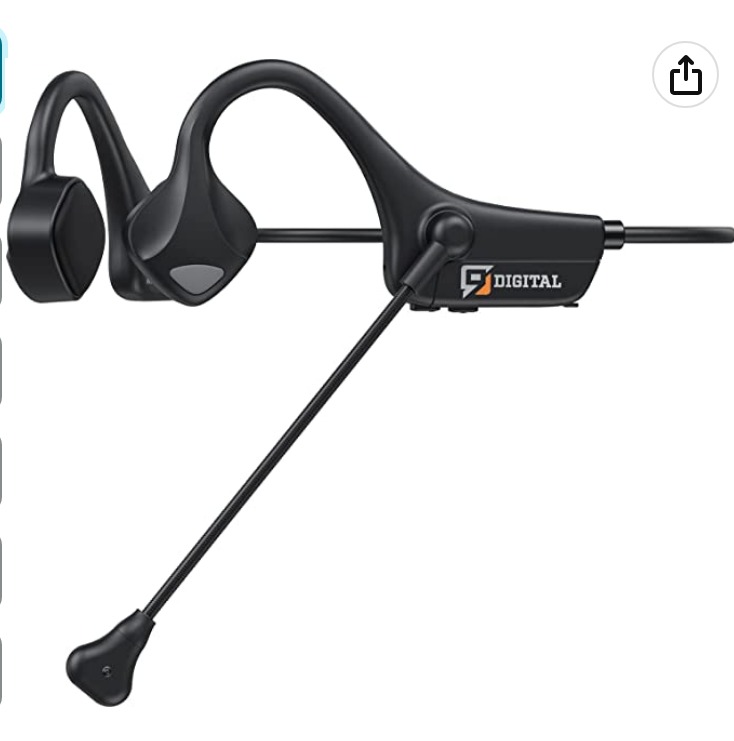
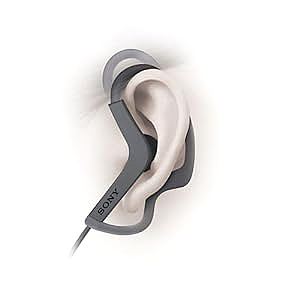
There is a growing recognition that “better sound” does not always mean “more isolation.” In high-stakes environments, the best audio device is one that integrates with our biology rather than overriding it. Devices like the Sony MDR-AS210 utilize an open-ear architecture that prioritizes situational awareness and physiological comfort over immersion, offering a case study in safety-first engineering.

The Physiology of the Thump: Understanding the Occlusion Effect
One of the most jarring experiences for a runner wearing sealed earbuds is the deafening “thump-thump” of their own footsteps. This phenomenon is known in audiology as the Occlusion Effect.
When we run, the impact generates low-frequency vibrations that travel through our skeleton (bone conduction). Normally, these vibrations escape through the open ear canal. However, when an earbud seals the canal, it traps this energy in the cartilaginous portion of the ear. The trapped vibrations reverberate against the eardrum, amplifying low-frequency body sounds by up to 20 decibels. It creates a claustrophobic sensation where your own breathing and footfalls drown out the music.
The design philosophy behind the MDR-AS210 avoids this entirely. By resting the driver housing outside the canal rather than jamming it inside, the canal remains patent (open). This allows bone-conducted vibrations to dissipate naturally into the air. The result is a run where the music feels like a soundtrack to the environment, rather than a soundtrack playing inside a sealed closet.
Engineering Airflow: The 13.5mm Solution
Creating a satisfying sound without a seal presents a significant physics challenge. Sealed headphones rely on pressurization—using the trapped air in the canal to transmit low frequencies efficiently. Without that seal, bass waves (which are long and omnidirectional) tend to leak out and dissipate before moving the eardrum.
To compensate for this lack of pressure, open-ear headphones must move a significantly larger volume of air. This is why the MDR-AS210 employs a 13.5mm driver, which is nearly twice the diameter of typical sealed drivers (often 6-9mm).
The larger surface area of the diaphragm allows it to push more air with every excursion. While it cannot replicate the sub-bass rumble of a sealed unit (physics simply won’t allow it without a chamber), it creates a balanced, mid-forward sound profile. Crucially, this acoustic transparency preserves spectral cues. The outer ear (pinna) modifies incoming environmental sounds, filtering them in a way that tells our brain whether a car is behind us or to the side. By leaving the pinna unblocked, the headphone maintains the brain’s natural ability to localize threats.

The Architecture of Retention
The challenge of an open fit is stability. Without the friction of a silicone tip wedged inside the canal, what keeps the device in place during a sprint? This requires a shift from friction-based retention to mechanical retention.
The adjustable loop hanger system functions as an external exoskeleton for the device. Instead of applying pressure to the sensitive skin of the ear canal, it distributes the weight across the sturdy cartilage of the helix (the outer rim of the ear). From a biomechanical standpoint, this decouples the retention mechanism from the acoustic mechanism. The loop holds the device, while the speaker simply floats in the concha. This separation prevents the “stethoscope effect” (cable noise) from transferring directly to the eardrum and eliminates the fatigue often associated with expanding foam or silicone tips.
Conclusion: The Right Tool for the Road
In the quest for audio fidelity, we often forget that our ears are survival tools first and entertainment receptors second. While noise-canceling headphones are perfect for the controlled environment of an airplane, they can be a liability on a busy street.
The engineering of open-ear headphones is an acknowledgement of this reality. It is a design choice that accepts acoustic compromise (less bass) in exchange for physiological advantage (no occlusion effect) and safety (situational awareness). For the athlete navigating the real world, the ability to hear an approaching hazard is a feature far more valuable than the deepest bass drop.