The Physics of Amphibious Audio: Why Bone Conduction Rules the Pool
Update on Nov. 24, 2025, 12:14 p.m.
For the terrestrial athlete, music is a given. But for the swimmer, the world is often a silent, rhythmic sensory deprivation tank. The transition from air to water introduces a set of physics problems that virtually destroy traditional audio technology. Sound waves reflect differently, pressure mounts, and wireless signals vanish into the blue.
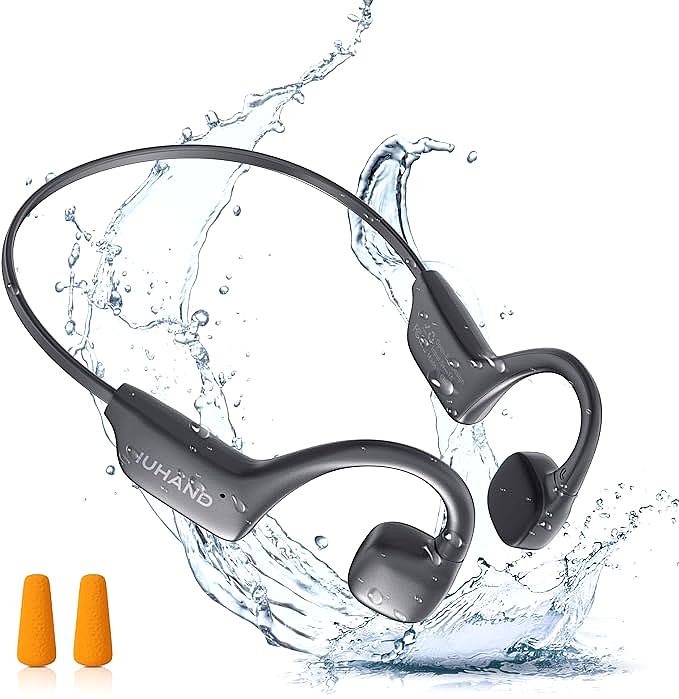
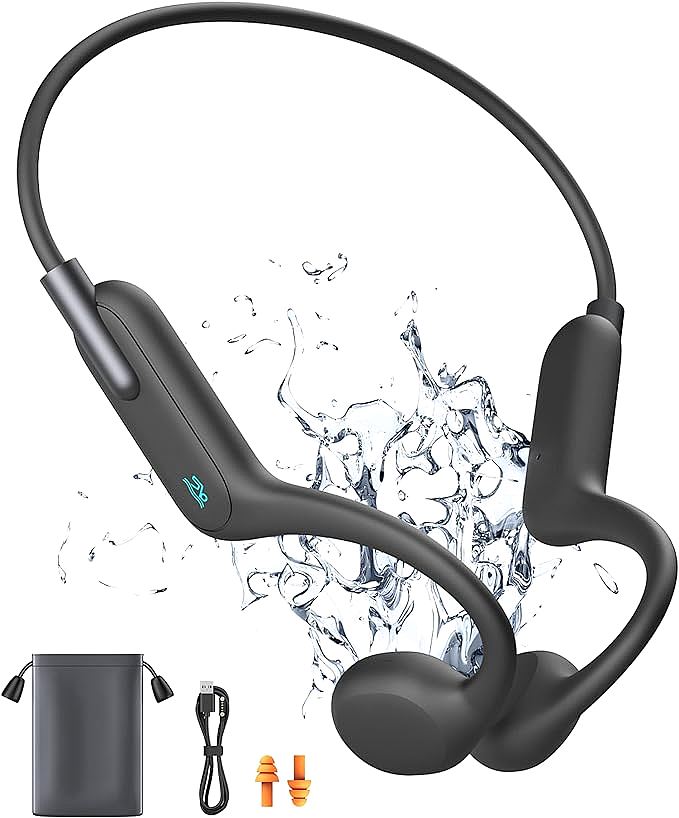
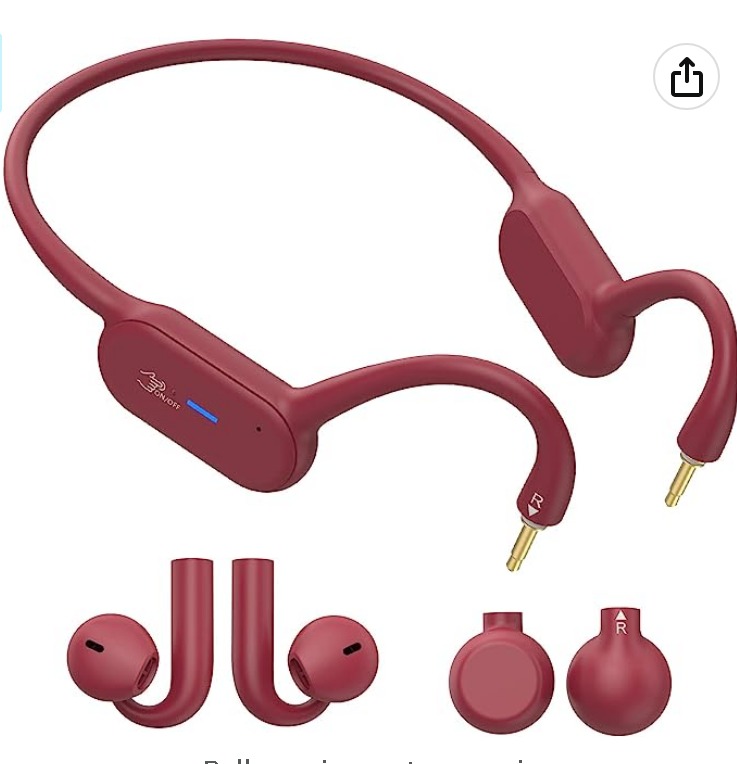
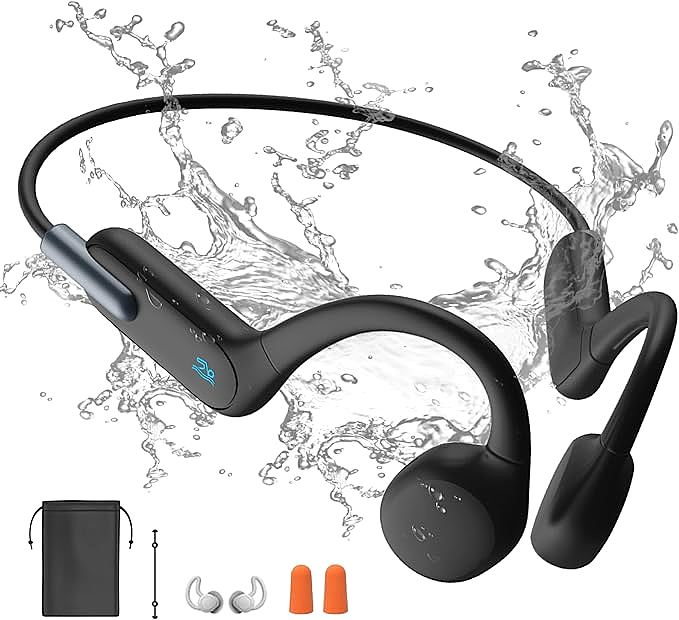
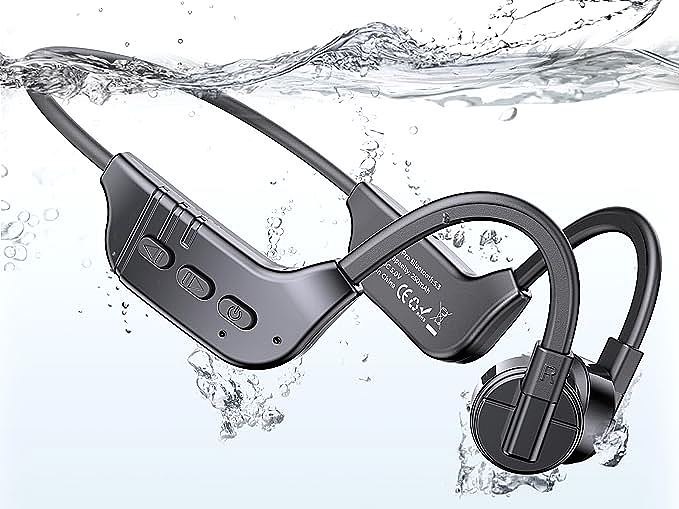
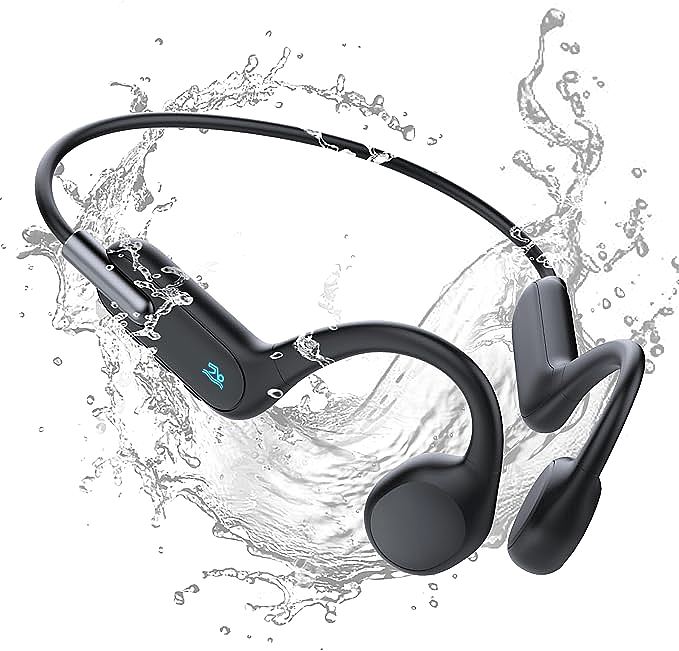
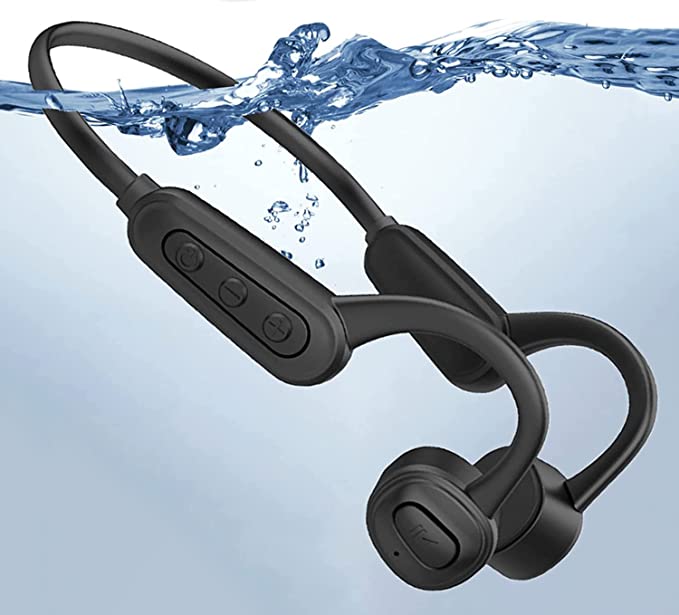
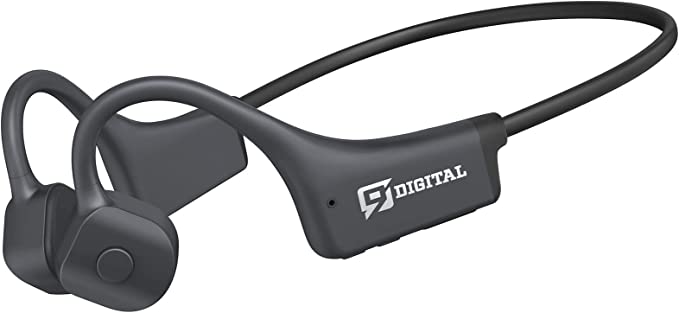
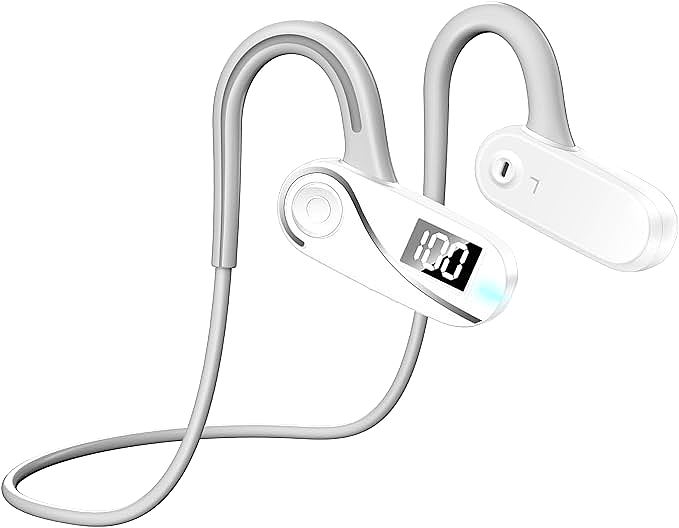
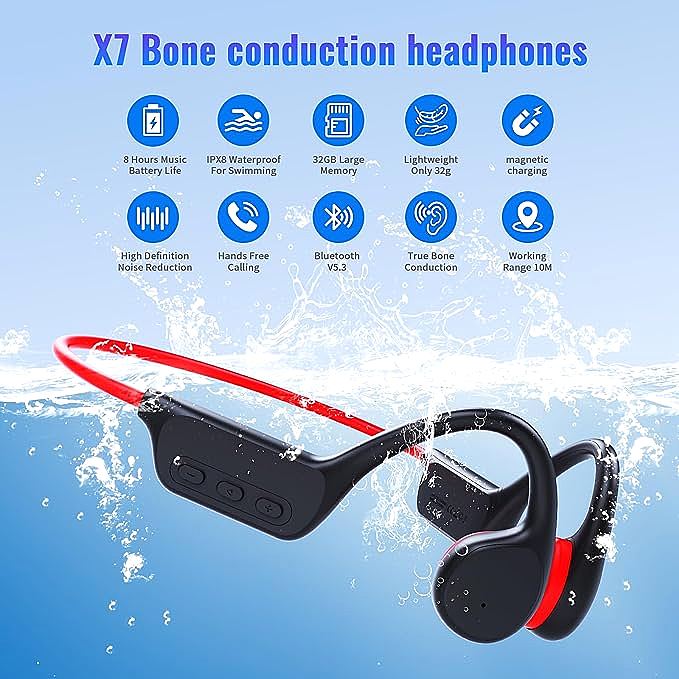
Solving this requires more than just “waterproofing” a speaker. It demands a fundamental rethink of how sound is delivered to the brain. This is where bone conduction technology, exemplified by devices like the GenXenon X7, ceases to be a novelty and becomes the only viable engineering solution for the aquatic audiophile.
The Faraday Cage of the Deep: Why Bluetooth Fails
Have you ever wondered why your smartwatch disconnects the moment your wrist dips below the surface? It’s not a software bug; it’s molecular physics.
Bluetooth operates in the 2.4 GHz frequency band. This frequency shares a specific characteristic with the resonant frequency of water molecules. When these radio waves hit water, the energy is absorbed by the water molecules and converted into minute amounts of heat, rather than passing through to your device. Effectively, a swimming pool acts as a signal-absorbing sponge. Even the most advanced Bluetooth 5.3 chip can barely penetrate a few inches of water.
The Return of Local Storage
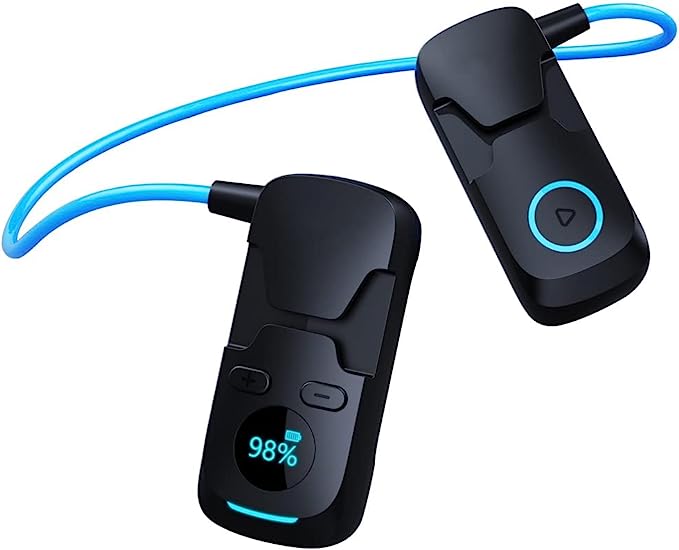
Because physics dictates that streaming is impossible underwater, the engineering workaround is Local Storage. The GenXenon X7 integrates a 32GB MP3 player directly into the headset. This isn’t a step backward to 2005; it is a necessary adaptation to the environment. * Capacity: 32GB holds approximately 8,000 songs. * Format Support: Beyond MP3, support for FLAC and APE formats allows for lossless audio—crucial when the listening environment (water) is already acoustically challenging.
By moving the music source inside the receiver, the X7 eliminates the need for a signal to cross the water barrier.

Hydrodynamics and The Occlusion Effect
Here is the counter-intuitive secret of swimming with bone conduction: It often sounds better underwater than on land.
In air, bone conduction can sometimes lack bass because the skull is less efficient at transmitting low frequencies than air. However, water is a denser medium, more similar to the density of bone. When you submerge, the impedance mismatch is reduced, allowing vibrations to transfer more efficiently.
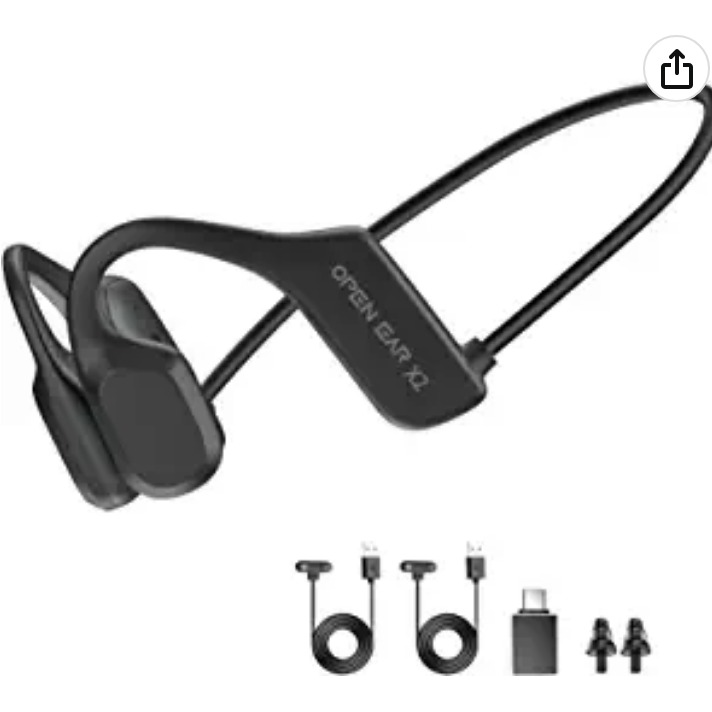
Furthermore, wearing the X7 with earplugs (or simply having water in your ears) triggers the Occlusion Effect. By blocking the ear canal, you trap the bone-conducted vibrations in the cartilage, amplifying low-frequency sounds (bass) significantly. While traditional air-conduction earbuds sound muffled underwater due to air bubbles and refraction, bone conduction uses the water and your own skull to create a richer, fuller soundstage.
Engineering for 100% Humidity: IPX8 and Material Science
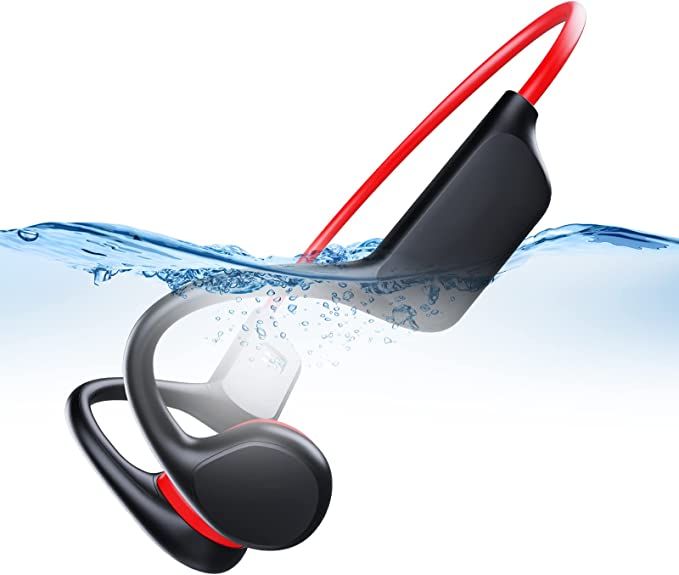
Creating a device that survives the pool is vastly different from creating one that survives sweat. The IPX8 rating is the gold standard here. Unlike IPX7 (which covers temporary submersion), IPX8 denotes a device engineered for continuous submersion under pressure.
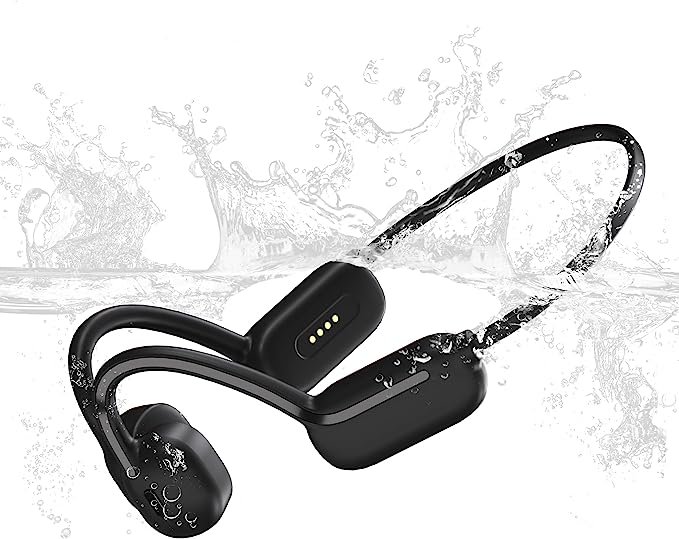
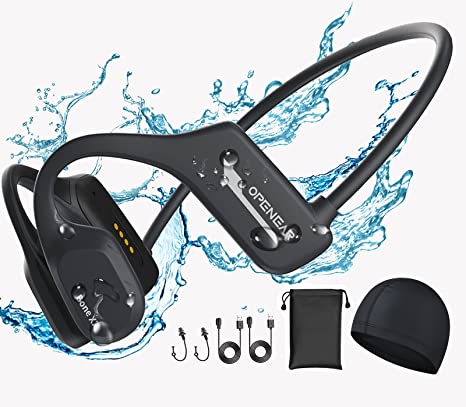
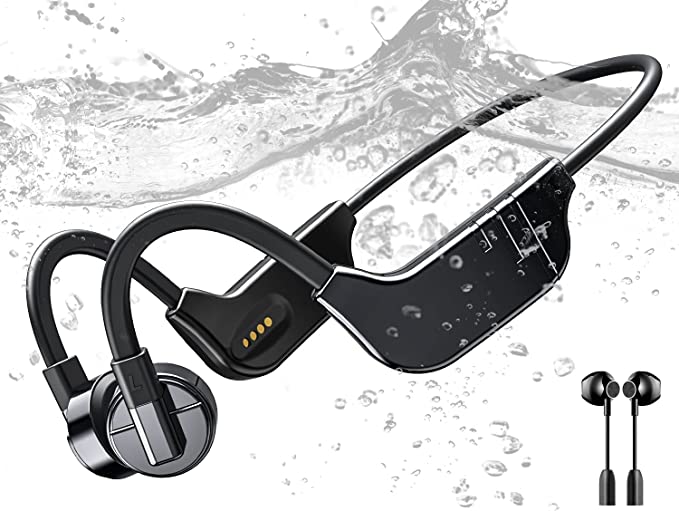
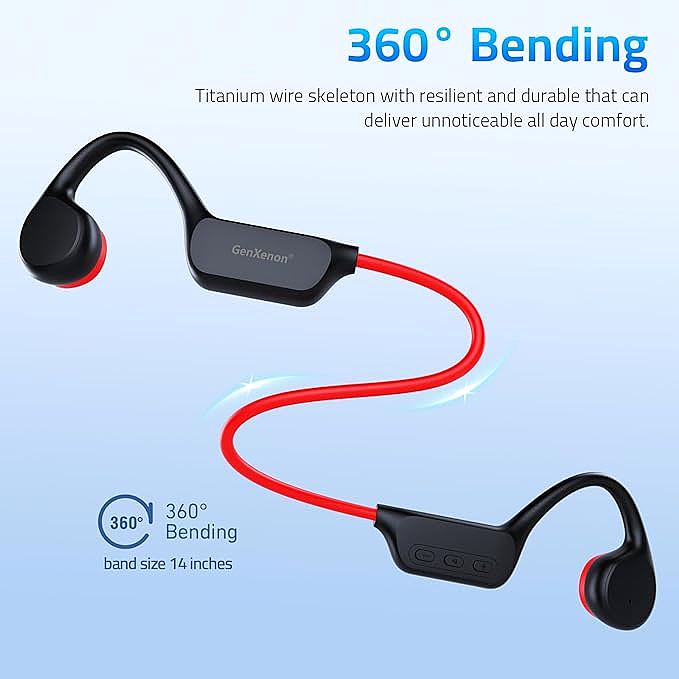
To achieve this, the X7 employs a fully sealed chassis. You will notice the absence of a USB-C port. Instead, it uses magnetic charging points. * Why Magnetic? Physical ports are the Achilles’ heel of waterproof electronics. They trap water, corrode contacts, and compromise seals. A flat magnetic interface eliminates this cavity, ensuring structural integrity against hydrostatic pressure. * Titanium Alloy: The frame is constructed from a Titanium alloy (likely Grade 5 Ti-6Al-4V). This material is chosen for its high fatigue strength—it can be bent thousands of times without losing its “clamping force,” which is vital for keeping the transducers pressed firmly against the cheekbones during a flip-turn.
The Amphibious Advantage: Situational Awareness
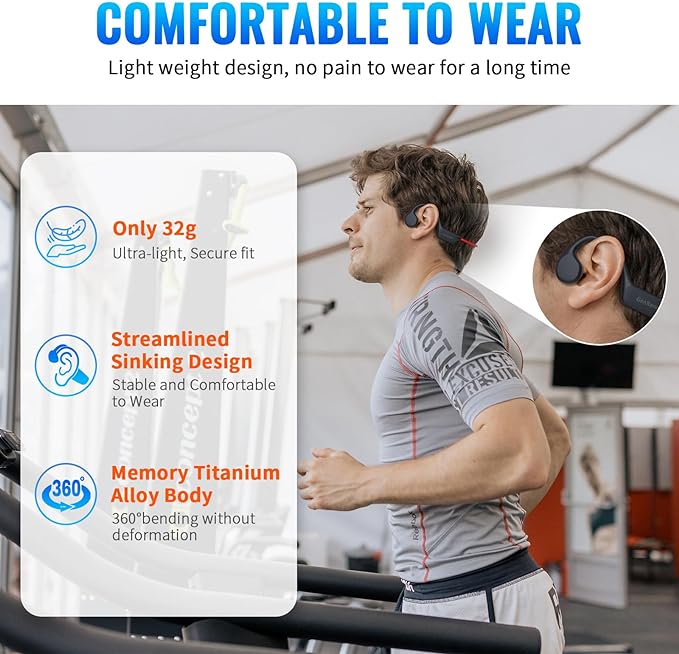
While the X7 excels underwater, its design philosophy is equally critical on dry land. For triathletes, runners, and cyclists, situational awareness is a safety imperative.
Traditional noise-canceling headphones effectively blindfold your ears. Bone conduction leaves the ear canal completely open (Open-Ear Design). This allows the runner to hear the electric vehicle approaching from behind or the cyclist to hear a fellow rider’s call, all while the music continues to play. It is a “layered” reality, where digital audio overlays the physical world rather than replacing it.

Conclusion: A Tool for Two Worlds
The GenXenon X7 represents a convergence of biology and engineering. It acknowledges the limitations of our environment—the signal-killing nature of water, the corrosive power of sweat—and designs around them. By leveraging the conductivity of our own skeletons and the reliability of local storage, it solves the “Silent Swimmer” problem.
For the user, this means the freedom to bring the motivation of music into environments previously thought impossible. Whether battling lap times in the pool or navigating traffic on a bike, the technology fades into the background, leaving only the rhythm.