Against the Elements: The Science of Durability in Wearable Tech
Update on Jan. 1, 2026, 8:15 a.m.
In the realm of consumer electronics, portability usually comes at the cost of vulnerability. A smartphone left in the rain, a laptop spilled with coffee—these are often fatal events for delicate circuitry. However, wearable technology, specifically sports-oriented audio gear, faces a unique set of existential threats. These devices must operate in a hostile environment: the human body.
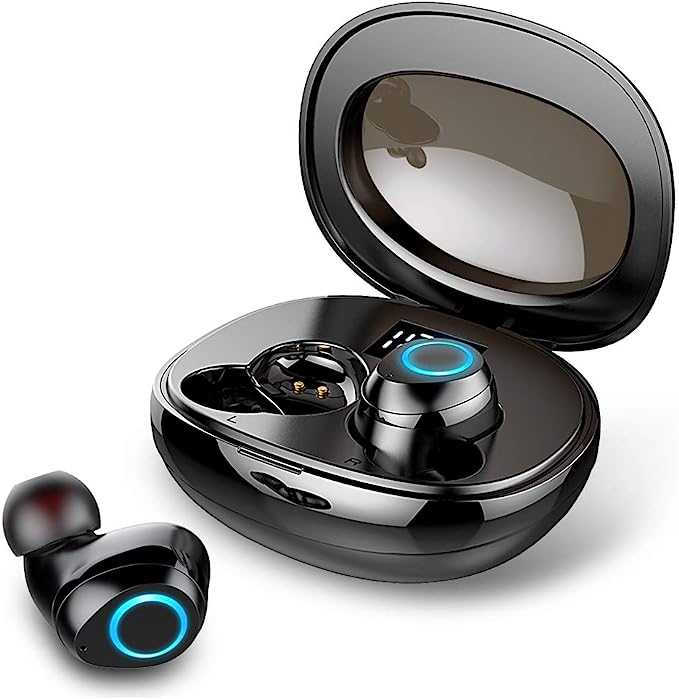
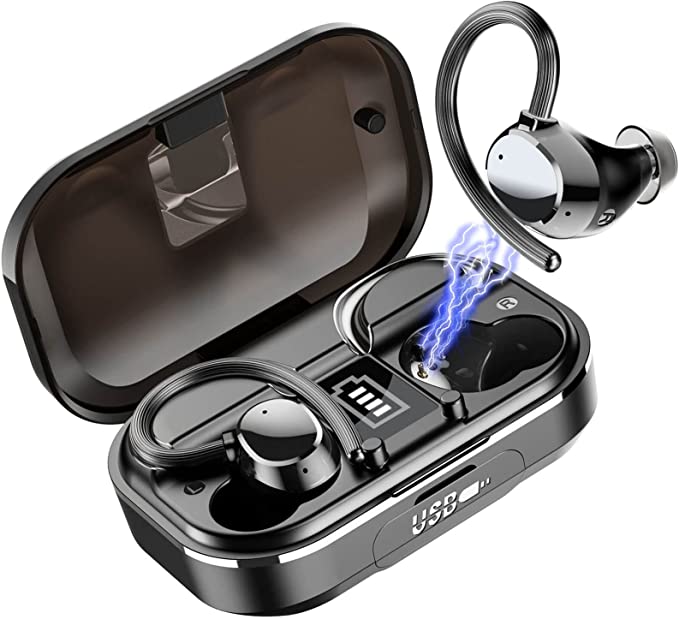
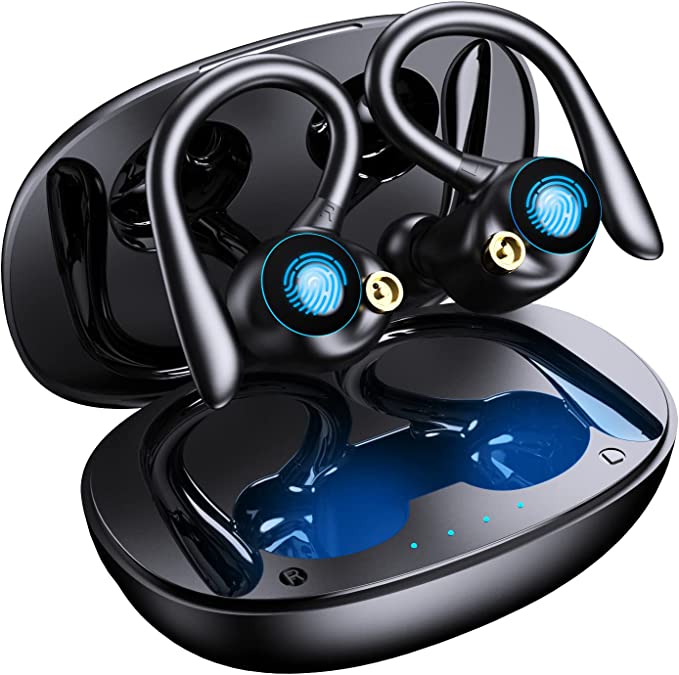
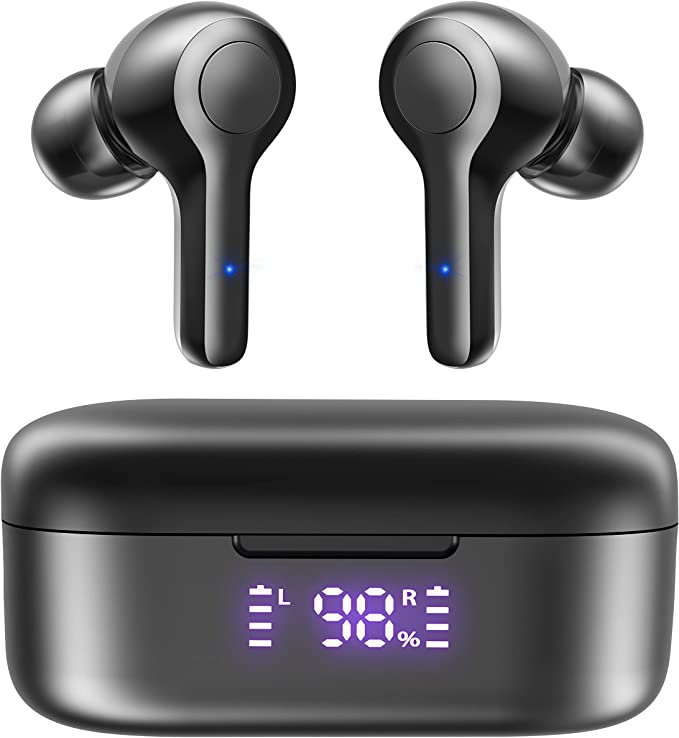
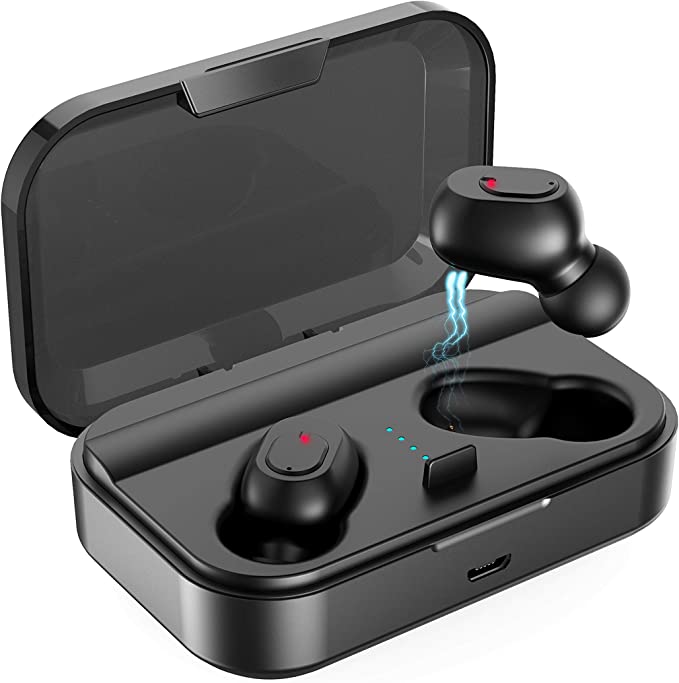
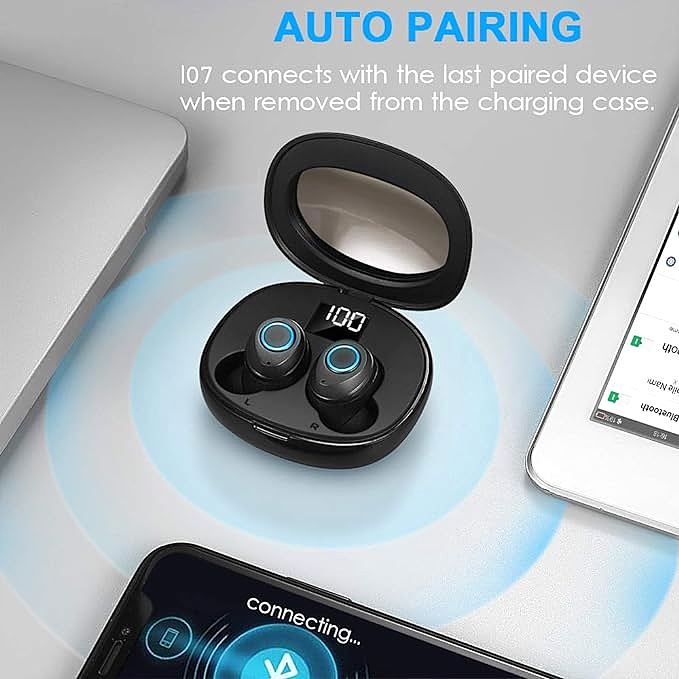
The human body is a heat engine that excretes a corrosive, conductive saline solution—sweat. Furthermore, these devices are worn outdoors, exposed to rain, humidity, and dust. The engineering required to protect microscopic electronics from these elements is a discipline unto itself: Ingress Protection Engineering. The Drsaec i07 Wireless Earbuds, with their IPX7 waterproof rating and nano-coating, represent a sophisticated application of these defensive technologies. This article explores the science of sealing, the chemistry of coatings, and the rigorous standards that define durability.
The Standard of Survival: Decoding IPX7
“Waterproof” is a marketing term; “IPX7” is an engineering specification. To understand the capabilities of a device like the i07, we must look to the International Electrotechnical Commission (IEC) standard 60529. This standard defines the IP (Ingress Protection) code, a two-digit grading system used to classify the degree of protection provided by mechanical casings and electrical enclosures.
The Anatomy of the Code
The code consists of the letters “IP” followed by two digits:
1. First Digit (Solid Particle Protection): Rated from 0 to 6. It measures protection against dust and solid objects. In “IPX7”, the “X” indicates that the device was not formally tested for dust resistance. However, a device that is watertight is generally dust-tight as well.
2. Second Digit (Liquid Ingress Protection): Rated from 0 to 9. This is the critical metric for earbuds.
* IPX4: Splash-proof (sweat resistant).
* IPX7: Immersion-proof.
The Physics of Immersion
An IPX7 rating, like that of the Drsaec i07, signifies that the device can withstand temporary immersion. Specifically, it must survive being submerged in fresh water at a depth of 1 meter for 30 minutes without harmful quantities of water penetrating the enclosure.
Why 1 meter? This depth relates to hydrostatic pressure.
$$P = \rho g h$$
Where $P$ is pressure, $\rho$ is the density of water, $g$ is gravity, and $h$ is depth. At 1 meter, the water exerts a pressure of approximately 1.4 PSI (pounds per square inch) on the device seals. This is vastly different from a simple splash. To achieve IPX7, the engineers must design seals—O-rings, ultrasonic welds, and adhesives—that can actively push back against this crushing force. A device that is merely “sweat-proof” (IPX4) would likely fail instantly under this pressure, as water would be forced past the gaskets and into the circuitry.
The Chemistry of Defense: Hydrophobic Nano-Coatings
While mechanical seals are the first line of defense, they are not infallible. Wear and tear, thermal expansion, and physical deformation can compromise a seal over time. This is where the “nano-coating material” mentioned in the i07’s specifications comes into play. It acts as a fail-safe, a molecular shield applied directly to the internal components.
Surface Energy and Contact Angles
The principle behind nano-coating is hydrophobicity (water fear). It involves modifying the surface energy of the device’s internal structures.
Water molecules are polar; they love to stick to other polar surfaces (like metal and glass). This “wetting” allows water to spread out, bridge electrical contacts, and cause short circuits. A nano-coating is a polymer layer, often fluoropolymer-based, that is applied at a microscopic thickness (nanometers). This layer has extremely low surface energy.
When a water droplet touches this surface, it cannot spread. Instead, surface tension forces the water into a tight sphere.
* High Contact Angle: On a hydrophilic (water-loving) surface, the contact angle is low (<90°), and the water spreads. On a hydrophobic nano-coated surface, the contact angle is high (>90°), often exceeding 150° for superhydrophobic coatings.
This “Lotus Effect” ensures that even if moisture breaches the outer shell of the Drsaec i07, it beads up and rolls off the sensitive electronic boards (PCBs) without causing a short circuit. This is critical for longevity, as it protects against humidity and condensation, which mechanical seals cannot fully stop.
The Enemy Within: Sweat vs. Water
It is a common misconception that rain is the biggest threat to earbuds. In reality, sweat is far more destructive. Rain is essentially distilled water with some atmospheric impurities. Sweat, however, is a biological cocktail containing: * Electrolytes: Sodium, potassium, and chloride ions make sweat highly conductive to electricity. * Acids: Lactic acid lowers the pH, making sweat corrosive. * Oils and Proteins: These organic residues can build up on meshes and contacts.
Corrosion Mechanisms
When sweat enters an electronic device, the ions facilitate electrochemical migration. Under the influence of the voltage from the battery, metal from the traces on the circuit board can dissolve and migrate, forming “dendrites” (fern-like metal growth) that eventually bridge gaps and cause catastrophic short circuits.
The IPX7 rating of the i07 is vital here because it implies a level of sealing robust enough to keep these corrosive ions out. Furthermore, the nano-coating provides a chemical barrier that resists acid corrosion, ensuring that the charging contacts and microphone ports—the most exposed parts of the device—remain functional even after hundreds of hours of exposure to acidic perspiration.
Design for the Active Life: Ergonomic Retention
Protection is not just about keeping water out; it is about keeping the device in. An earbud that falls out during a run is liable to be damaged by impact or lost entirely. Therefore, ergonomic retention is a key component of durability.
The Physics of Fit
The i07 employs a “Sport Fit Design.” This relies on the anatomy of the outer ear (the pinna). The shape of the earbud housing is contoured to nestle within the concha (the bowl of the ear), while the silicone tip creates a friction fit within the ear canal.
When a user runs, the vertical oscillation of the body creates G-forces that try to dislodge the bud.
$$F = ma$$
To counteract this force, the static friction between the silicone tip and the skin must be greater than the dislodging force.
$$F_{friction} > F_{impact}$$
The use of multiple ear tip sizes (S, M, L) is crucial here. It allows the user to maximize the surface area of contact, thereby maximizing friction. A secure fit ensures that the IPX7 protection is always where it needs to be—in the ear, not hitting the pavement.
Power Resilience: The Long Game
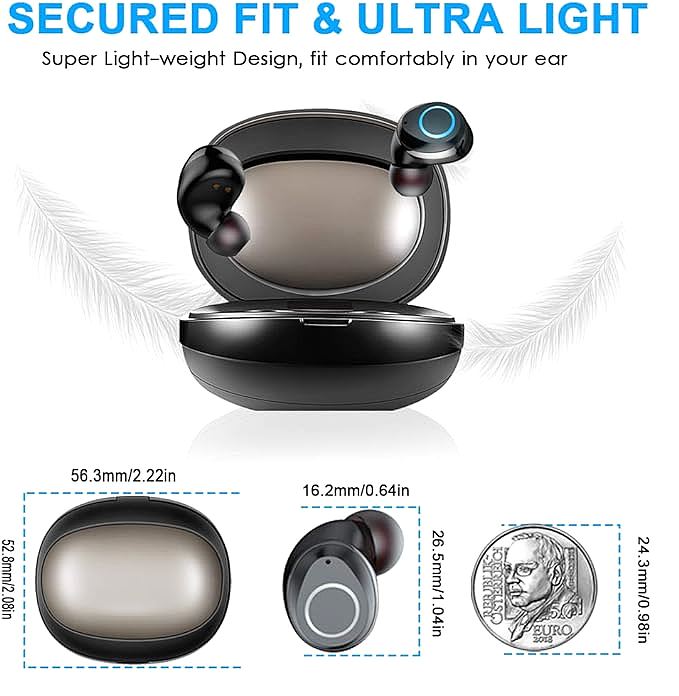
Finally, durability extends to the lifespan of the power source. The i07 claims a total of 30 hours of playtime. This is achieved through the synergy of battery chemistry and the charging case ecosystem.
Cycle Life Management
Lithium batteries have a finite number of charge cycles (typically 300-500) before their capacity degrades significantly. By providing a charging case with a large capacity (providing 5 additional charges), the user is less likely to fully deplete the earbud batteries to 0% every time. Shallow discharge cycles (e.g., using 50% and then recharging) are much healthier for lithium chemistry than deep discharge cycles.
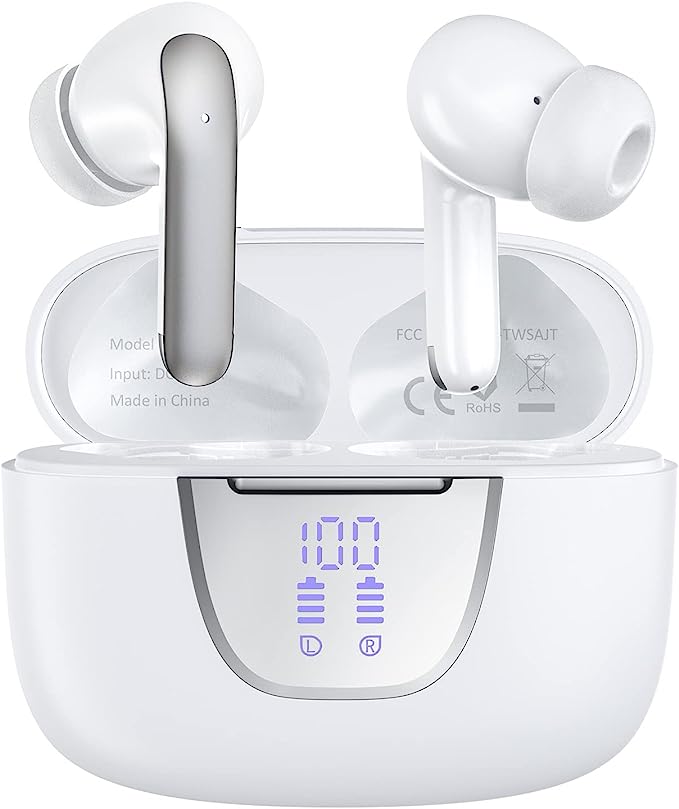
The LED Digital Display on the case aids in this management. By knowing the exact percentage, users can avoid leaving the case at 0% for extended periods, a state which can cause the battery voltage to drop below a critical threshold, rendering it unchargeable. Thus, information transparency contributes directly to the longevity of the device.
Conclusion: Engineering for the Real World
The Drsaec i07 Wireless Earbuds illustrate that durability is not an accident; it is a design choice. Achieving an IPX7 rating requires precise manufacturing tolerances and high-quality seals. Implementing nano-coatings requires advanced materials science. Ensuring all-day power requires efficient circuit design.
These features transform the earbud from a fragile accessory into a rugged tool. They allow technology to accompany us into the most demanding environments—the gym, the rain, the trail—without fear of failure. In the end, the true value of these engineering feats is the freedom they provide: the freedom to focus on the activity, the music, and the moment, trusting that the device is built to survive the journey.