The Logistics of Sound: Engineering Energy Independence with the hadbleng Q22-DP
Update on Nov. 24, 2025, 8:26 a.m.
In the hierarchy of outdoor gear, audio equipment usually sits low on the list of survival priorities. It is a luxury, a drain on resources, a distraction. However, for the ultra-marathon runner at mile 50 or the hiker on day three of a trek, audio transforms. It becomes psychological fuel. The playlist is no longer entertainment; it is a pacing tool, a dopamine regulator, a lifeline.
But this lifeline is fragile. It depends on the scarcest resource in the wild: electricity.
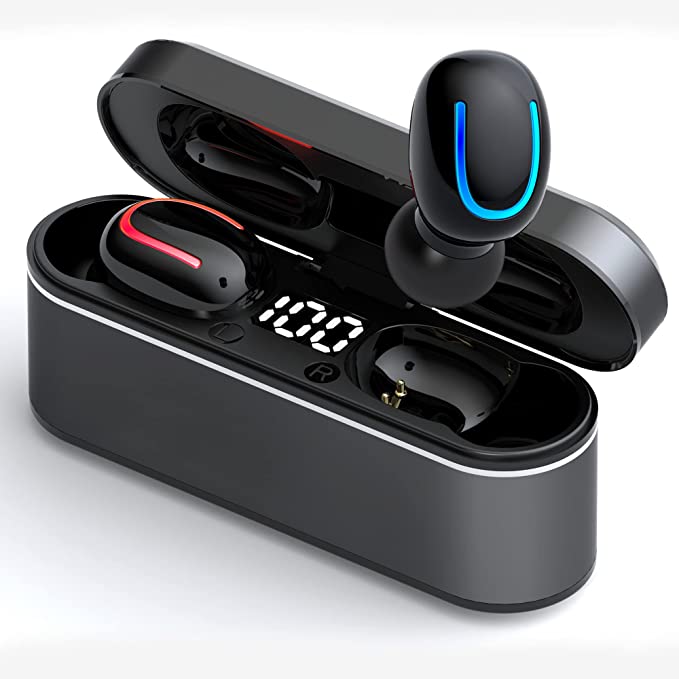
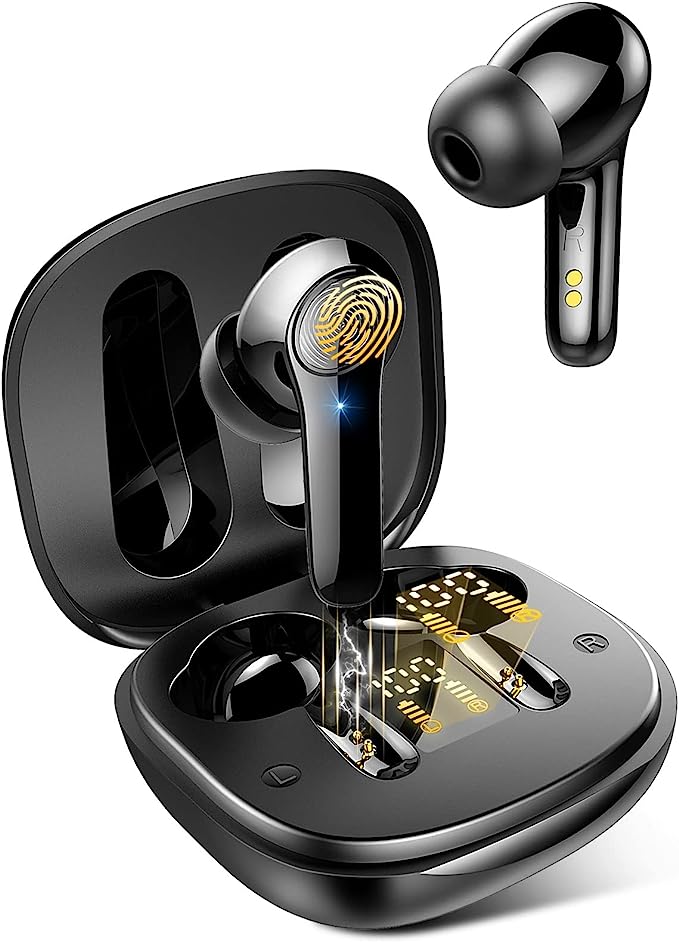
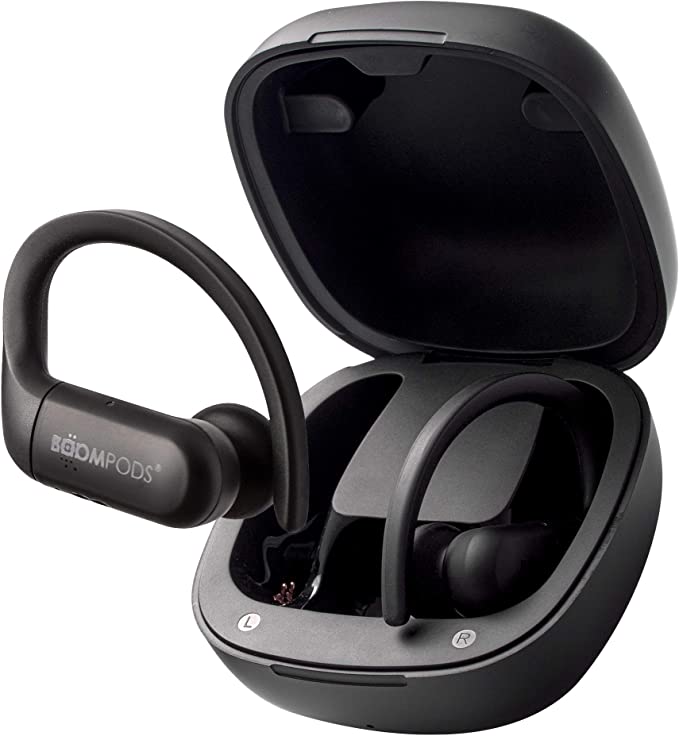
The hadbleng Q22-DP challenges the traditional categorization of “wireless earbuds.” By integrating a massive energy reservoir and leveraging advanced material science, it shifts from being a peripheral accessory to a piece of critical infrastructure. To understand its value, we must analyze it not just as a speaker, but as a Logistical System designed for energy autonomy and acoustic resilience.

The Power Plant: Thermodynamics of the 2600mAh Cell
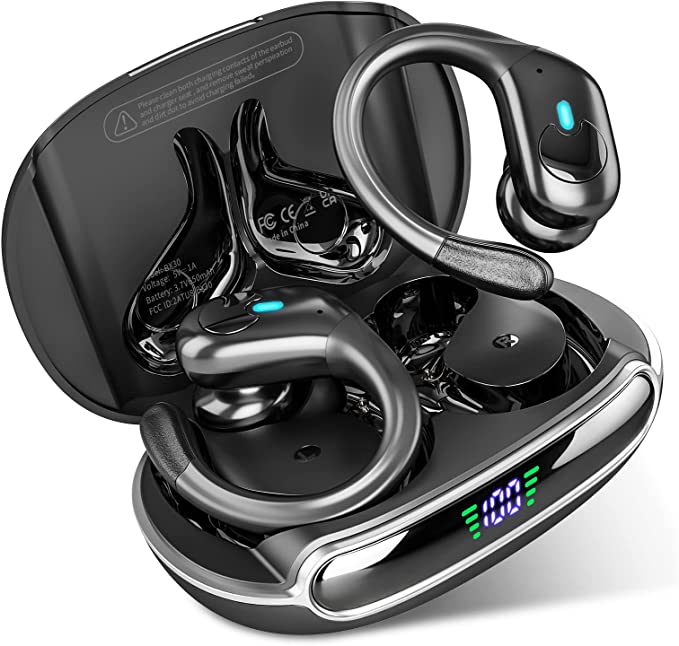
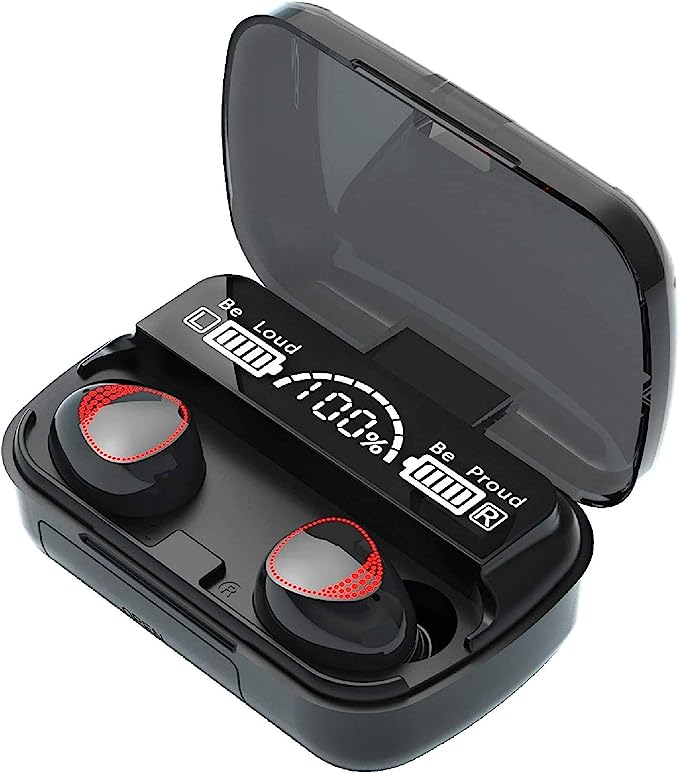
Most True Wireless Stereo (TWS) cases contain batteries ranging from 300mAh to 500mAh—just enough to top up the earbuds a few times. The Q22-DP houses a 2600mAh Lithium-Polymer (Li-Po) cell. This is an order of magnitude difference.
In engineering terms, this changes the device’s Energy Density Profile. * Cycle Life: With the ability to recharge the earbuds 15 times, the total playtime extends to a theoretical 128 hours. This exceeds the duration of almost any continuous human activity, effectively removing “battery anxiety” from the cognitive load of the user. * Reverse Charging Utility: The inclusion of a USB-C output port transforms the case into a micro-grid.
[Image of constructive and destructive interference waves diagram]
(Note: While interference creates waves, here we discuss electron flow). It negotiates power delivery to external devices, capable of reviving a dead smartphone to ~30%. In a critical scenario, this is not a gimmick; it is a communication redundancy.
This architectural choice prioritizes Utility over Micro-Miniaturization. The case is larger and heavier, yes, but it pays for its mass by consolidating two devices (earbuds + power bank) into one chassis.
Material Science: The Graphene Diaphragm
Inside the acoustic chamber, the Q22-DP employs a 13mm Dual-Layer Graphene Diaphragm. Why Graphene? It comes down to the Stiffness-to-Weight Ratio.
For a speaker driver to produce accurate sound, it must move like a perfect piston—pushing air forward without bending or rippling.
1. Young’s Modulus: Graphene possesses one of the highest Young’s Modulus (stiffness) ratings of any known material. Even a coating of graphene atoms significantly stiffens the diaphragm.
2. Transient Response: Because it is incredibly light, it has low inertia. It can start moving instantly when a bass note hits and stop instantly when it ends. This prevents “muddy” sound, where lingering vibrations blur the audio image.
This physics allows the 13mm driver to move the large volume of air required for deep bass (essential for exercise rhythm) without sacrificing the high-frequency detail needed for vocals, achieving High Fidelity through material properties rather than digital EQ trickery.

Biomechanics: The Suspension System
When a body is in motion, it is subjected to vertical oscillation and impact forces. Friction-fit earbuds (those that rely on being jammed into the ear canal) often fail under these conditions because sweat acts as a lubricant.
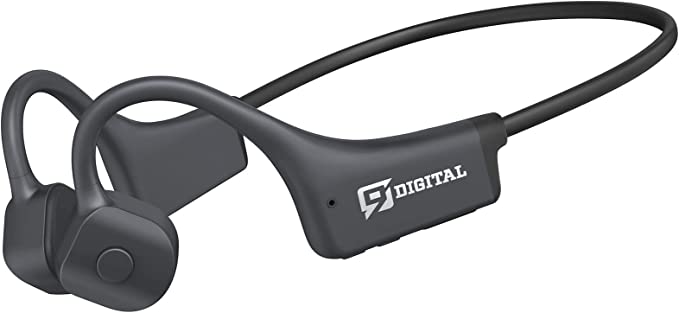
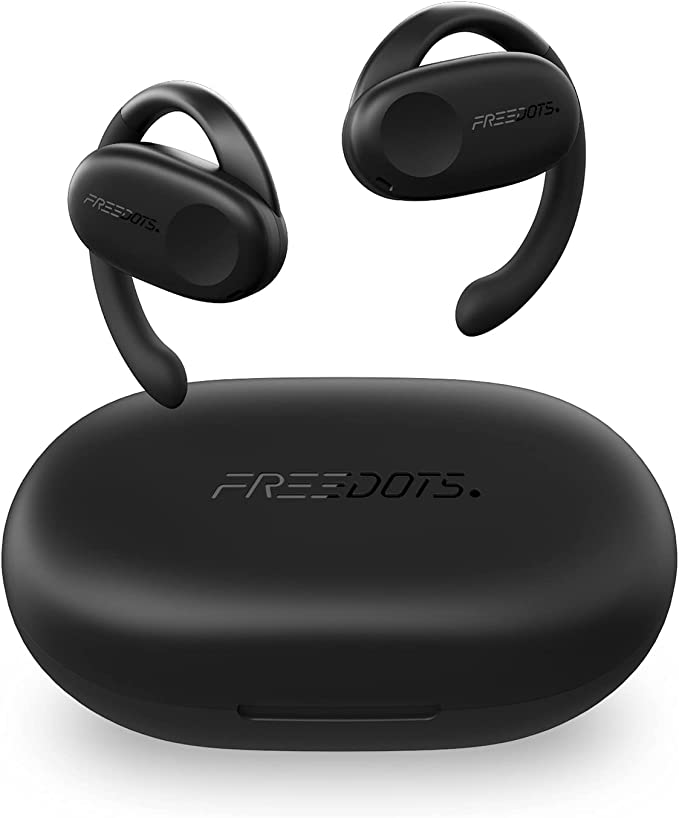
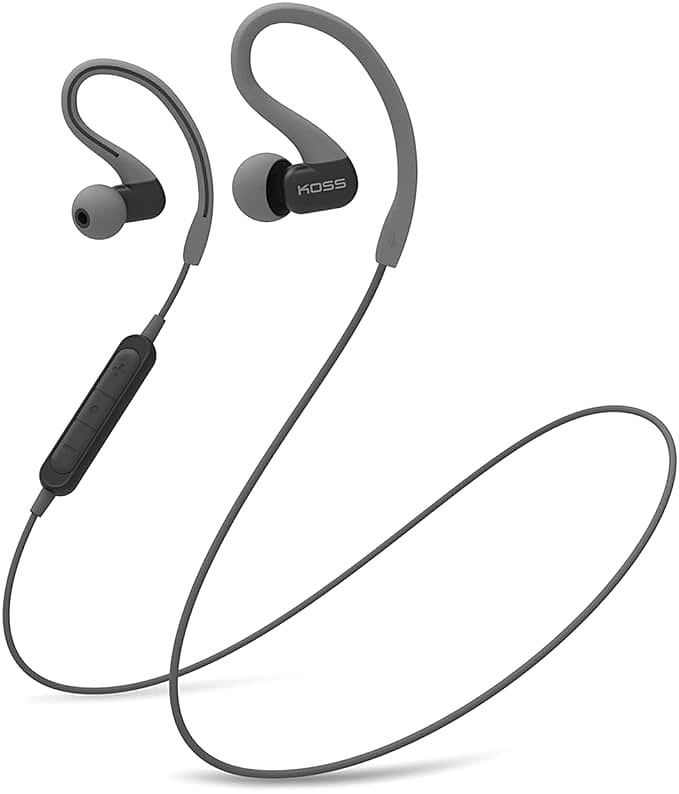
The Q22-DP utilizes a Flexible Earhook design. This is a biomechanical solution.
By hooking over the Helix root of the ear, the device transfers its weight from the sensitive ear canal to the rigid cartilage of the outer ear. This creates a Suspension System that decouples the earbud from the jarring impact of a runner’s stride. It ensures the acoustic seal remains consistent—preserving bass response—regardless of the G-forces applied to the runner’s body.
The Algorithm of Clarity: ENC Technology
Communication in a gym or on a trail is plagued by environmental chaos. The Q22-DP employs Environmental Noise Cancellation (ENC) for calls.
Unlike Active Noise Cancellation (ANC) which is for the listener, ENC is for the receiver of your call. It uses a microphone array and Beamforming Algorithms. The Digital Signal Processor (DSP) identifies the stationary frequency of the user’s voice and subtracts the transient, chaotic frequencies of the background (wind, clanking weights). It is a mathematical filter that ensures information transmission (speech) is prioritized over entropy (noise).
Conclusion: Independence as a Feature
The hadbleng Q22-DP is not designed for the passive commuter; it is engineered for the active participant. By fusing the acoustics of graphene with the logistics of a portable power plant, it solves the two primary failure points of modern tech: fragility and exhaustion.
It is a device that understands a simple truth: in the long run, the most advanced feature is not an app or a setting, but the ability to keep going when everything else stops.