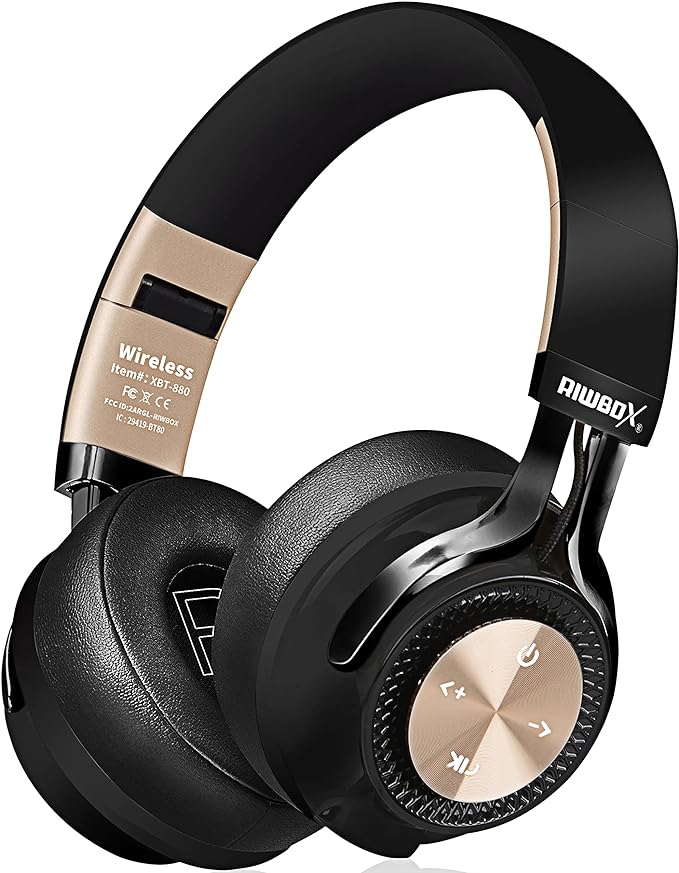
The Economics of 40mm Drivers: Is the Riwbox XBT-880 "Good Enough"?
Update on Dec. 7, 2025, 7:30 p.m.
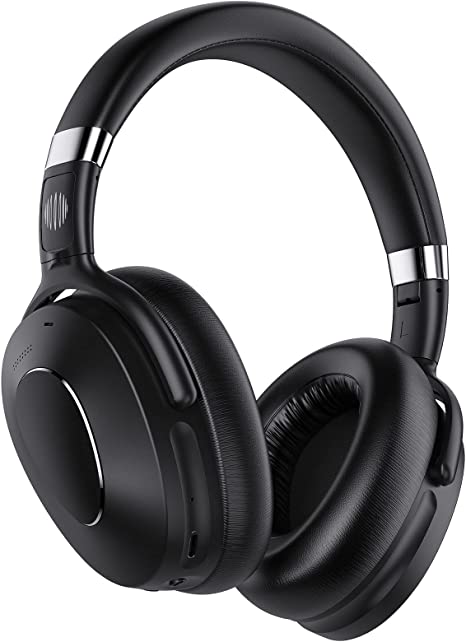
In the audio world, the number “40mm” is a standard. From $300 Bose flagships to the $30 Riwbox XBT-880, the physical diameter of the speaker driver remains identical. This begs a forensic question: If the engine is the same size, where did the other $270 go?
The answer lies in Control and Connectivity. The Riwbox XBT-880 is a masterclass in compromise engineering—delivering raw power where it counts and cutting costs where the average user might not notice. Let’s dissect the physics of this budget beast.
The 40mm Physics: Power vs. Precision
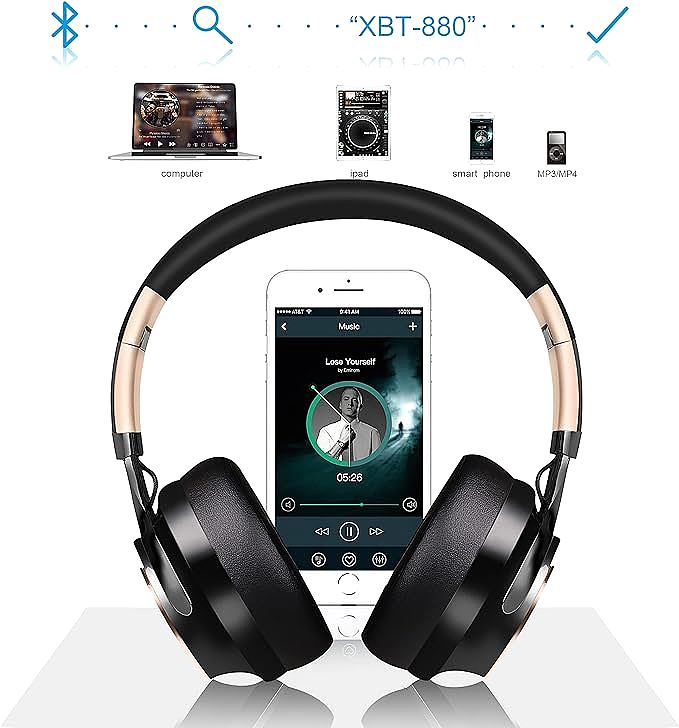
A 40mm dynamic driver moves a significant amount of air. This is why the Riwbox can claim “precise deep bass.” The physical surface area of the diaphragm allows it to generate the low-frequency pressure waves required for EDM or Action Movies (Physics).
However, in a budget headphone, the magnet system driving this diaphragm is often weaker, and the diaphragm material is heavier (likely standard PET plastic).
* The Result: You get the volume of bass, but perhaps not the texture. The driver struggles to stop moving instantly after a bass note hits, leading to a “boomy” or slightly muddy sound signature typical of this price bracket.
So What? For casual listening, this “warm” sound is enjoyable and forgiving of low-quality Spotify streams. But don’t expect to hear the subtle breath of a vocalist in a jazz recording.
The “Dual Mode” Circuitry: A TCO Victory
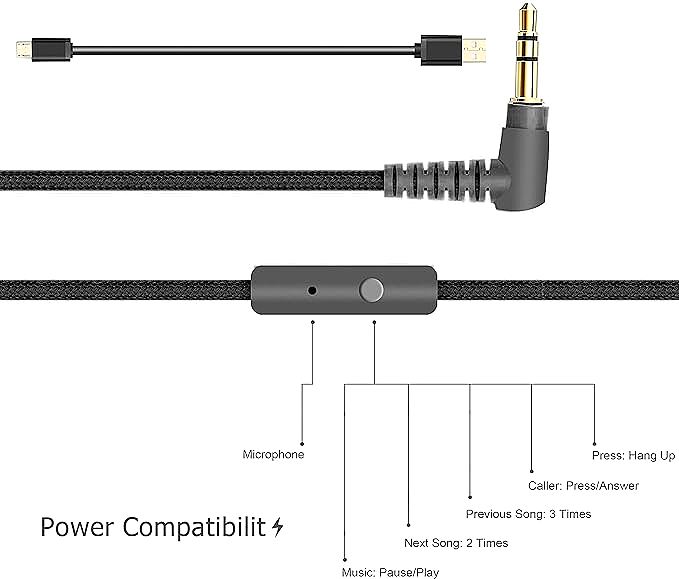
The most underrated feature of the XBT-880 is its Wired Mode. Most modern budget headsets (like the Sony CH-520) have removed the 3.5mm jack to save costs. Riwbox kept it.
This creates a hybrid architecture:
1. Wireless Mode (Bluetooth 5.0): Uses the internal DAC and Amp. Convenient, but limited by battery and compression.
2. Wired Mode (Analog): Bypasses the internal electronics entirely. The signal goes straight from your phone/PC to the drivers.
TCO Analysis: This feature doubles the lifespan of the product. Even if the internal battery dies in 3 years, or the Bluetooth chip fails, the XBT-880 continues to function as a standard wired headset. It is “obsolescence-proof.”
The Microphone Paradox: Why the Wire Wins
User “Corrine’s Courage” noted that “sound quality for phone calls isn’t the best” in wireless mode. This is a limitation of the Bluetooth Hands-Free Profile (HFP), which slashes audio bandwidth to prioritize stability, making you sound like you’re talking through a walkie-talkie.
The Field Hack: The included aux cable features an Inline Microphone.
Field Note: For important Zoom calls or gaming, plug in the wire. The inline microphone transmits an analog signal with zero latency and full bandwidth, offering significantly better clarity than the built-in Bluetooth mic. Use wireless for music; use wired for business.
Conclusion: Raw Utility
The Riwbox XBT-880 is not a precision instrument; it is a utility tool. It leverages the raw physics of 40mm drivers to provide adequate volume and bass, and its dual-mode connectivity offers a fail-safe that many expensive competitors lack. It proves that “good enough” engineering, when paired with smart features, can offer immense value.